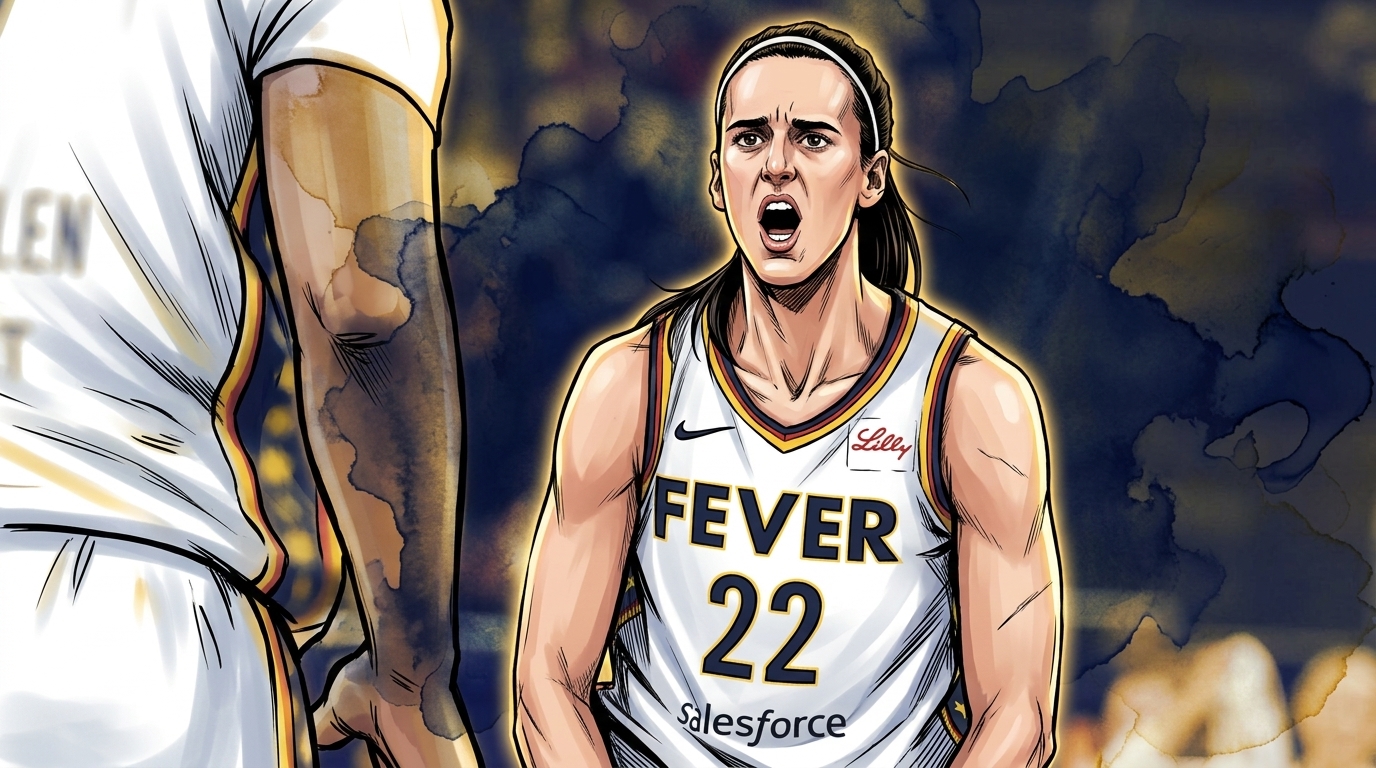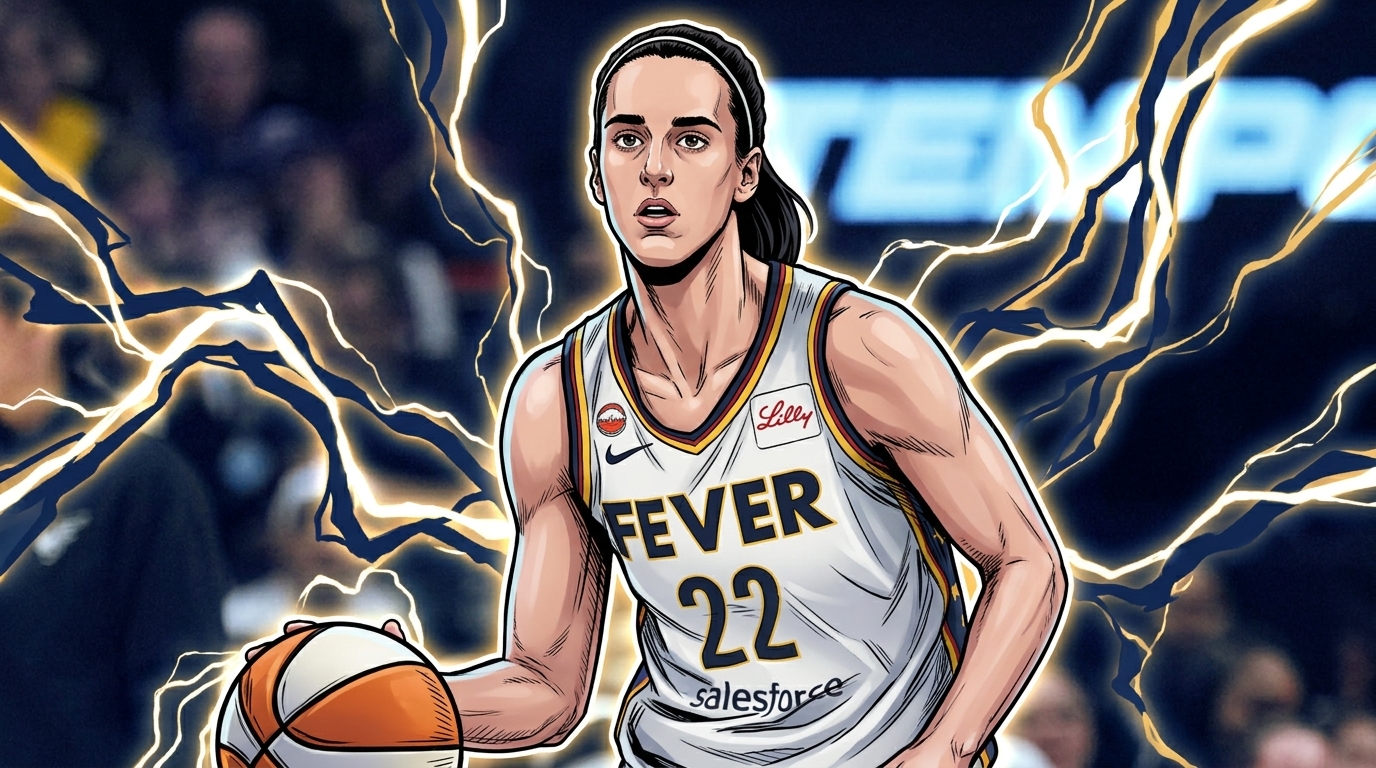

We’ve had a few days to absorb what happened Friday night in Indianapolis — Caitlin Clark dropping 45 points against the Seattle Storm, a career high and Indiana Fever franchise record in the same breath, the first WNBA player ever with 40-plus points and 10-plus assists in a single game. The fastest to 600 assists in league history. The fastest to 200 three-pointers. And all of that happened six days before the All-Star Game, which suggests the timing is either cosmically perfect or Clark has simply stopped respecting the concept of a slow news week.
https://twitter.com/BleacherReport/status/2078294936248553594
The 2026 AT&T WNBA All-Star Game tips off July 25 at United Center in Chicago, on ABC and Disney+ at 8:30 PM ET. There are four actual storylines worth tracking — which is three more than most All-Star weeks produce. I think this is the most content-rich WNBA All-Star event in recent memory, and the reason for that has less to do with the game itself than with everything orbiting it.
The Rivalry Nobody Could Have Scripted
Clark and Paige Bueckers are the opposing team captains. Team Clark versus Team Bueckers — the two highest vote-getters in the guard pool going head-to-head in the format that’s practically designed for a story like this.
Bueckers tied a 23-year WNBA record in her rookie season with the Dallas Wings, which helps explain how a first-year player ended up captain. Clark’s case as a legitimate Fever contender has been building all season — the 45-point explosion was just the loudest confirmation of something we’ve been watching develop for months.
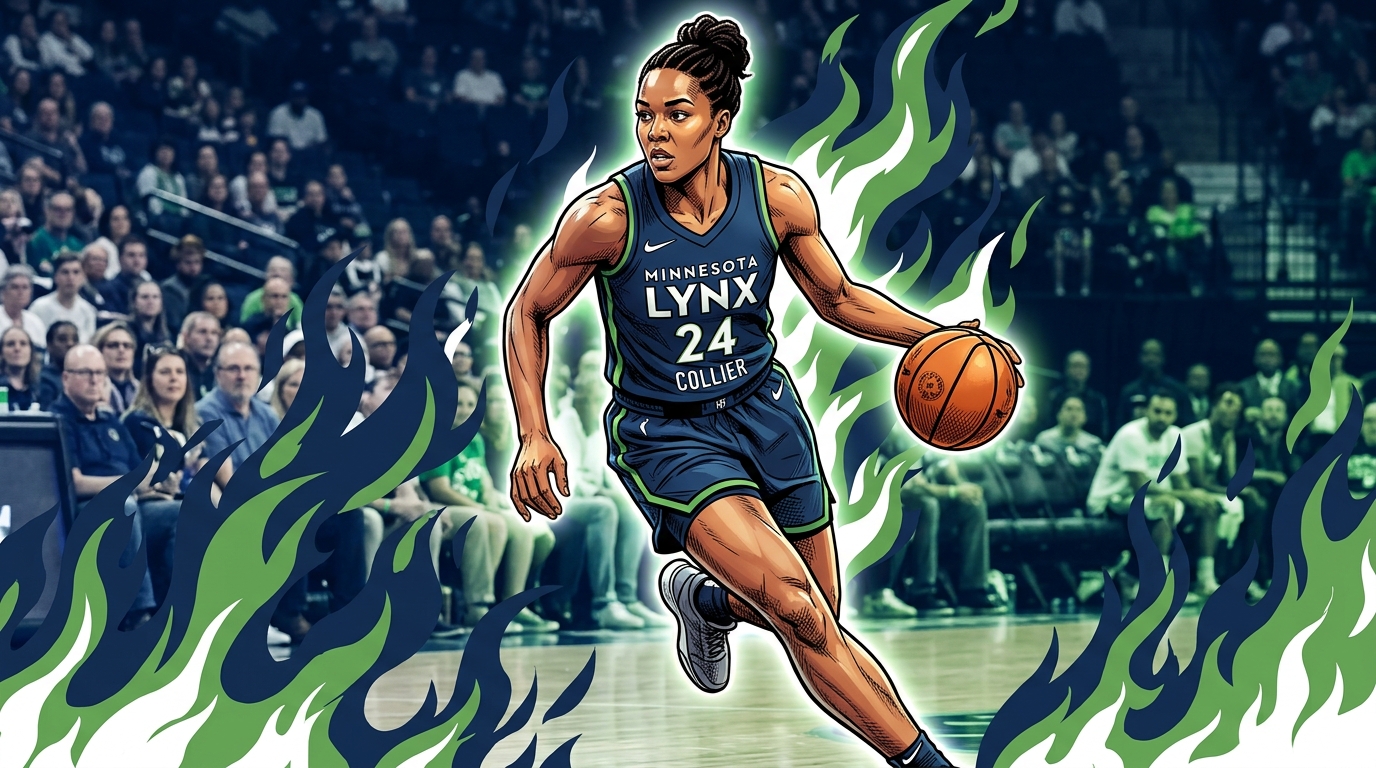
The guard starting lineup around them: Olivia Miles of the Minnesota Lynx and Kelsey Mitchell, Clark’s teammate on the Indiana Fever. (Mitchell, not Rhyne Howard — a detail that got confused in early coverage and matters for reasons we’ll get to.) The frontcourt starters are A’ja Wilson of Las Vegas, Breanna Stewart of New York, Aliyah Boston of Indiana, Jessica Shepard of Dallas, Natasha Howard of Minnesota, and Gabby Williams of Golden State — Gabby Williams earning the Valkyries their first-ever All-Star starter in the franchise’s brief existence.
The Clark-Bueckers narrative writes itself, which usually means sports media will find a way to overcomplicate it. They won’t need to this time. Two players, two teams, two coasts of support, one game. The league’s gift to itself.
Who Is Performing at the WNBA All-Star Halftime Show?
South African pop star Tyla will headline the halftime show at the 2026 AT&T WNBA All-Star Game on July 25 at United Center in Chicago. The performance arrives one day after the release of her sophomore album A*POP, on ABC and Disney+ at 8:30 PM ET.
Tyla is 24, a two-time GRAMMY winner — Best African Music Performance in 2024 for “Water” and again in 2026 for “Push 2 Start” — and the first artist to spend cumulative 100 weeks at No. 1 on the Billboard U.S. Afrobeats Songs chart. Her album A*POP drops July 24 via FAX Records/Epic Records, which means she’s performing to a national ABC audience the night after her biggest release to date. That is either a spectacular marketing decision or a terrifying one, depending on how you feel about pressure. (Tyla, who performed a breakout set at Coachella during an actual rainfall with no apparent reduction in energy, seems unbothered.)
Her own words, per the official WNBA announcement: “I’m honored to be a part of the AT&T WNBA All-Star Game this year. These athletes bring so much power and heart to what they do, and I’m excited to share the stage and bring A*POP to my supporters.”
The WNBA booking a global pop star mid-album-release cycle for its All-Star halftime show is a thing that did not happen three years ago. That it’s happening now tells you something about where the league stands in the broader cultural conversation — more on that below.
The Dream Snub and Why It Actually Matters
The Atlanta Dream went 12-7 before the All-Star break — tied atop the Eastern Conference. They sent zero players to the All-Star starting lineup. Zero.
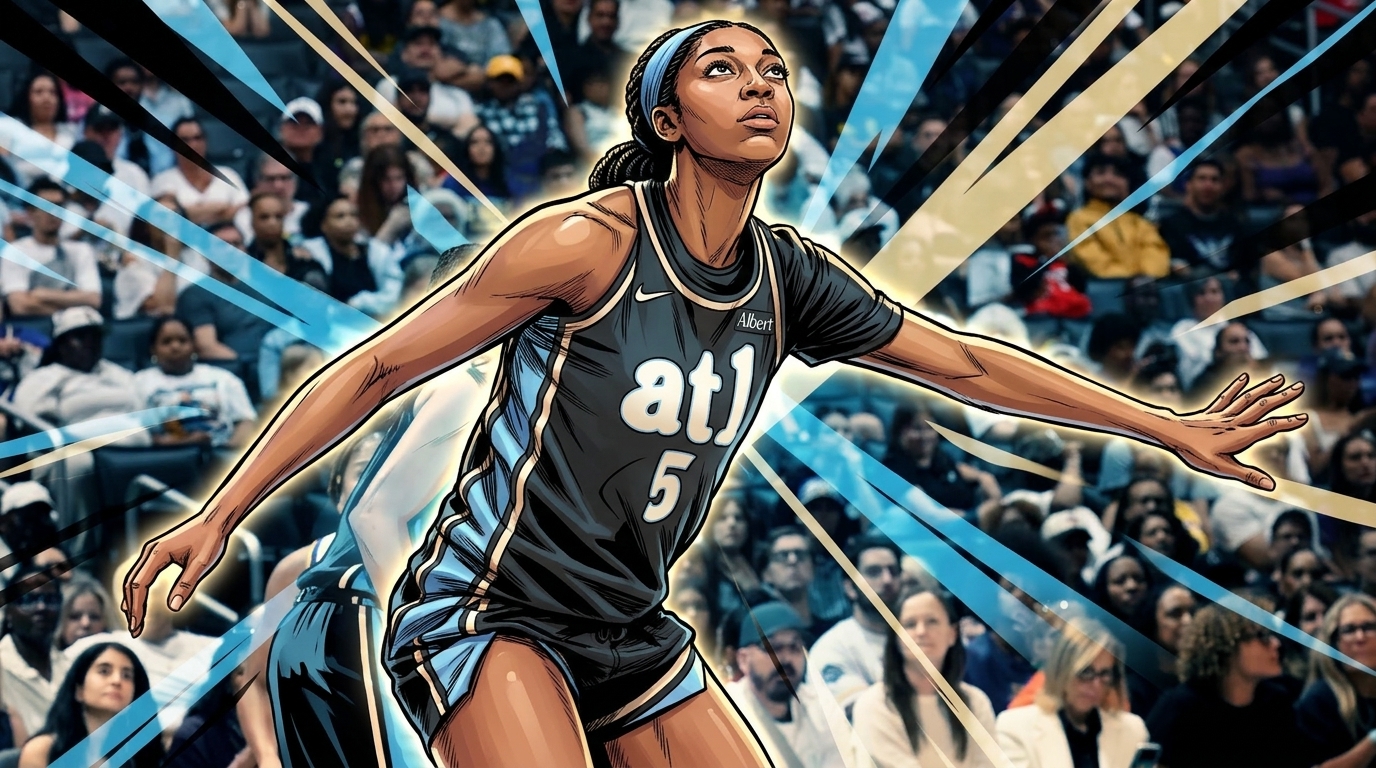
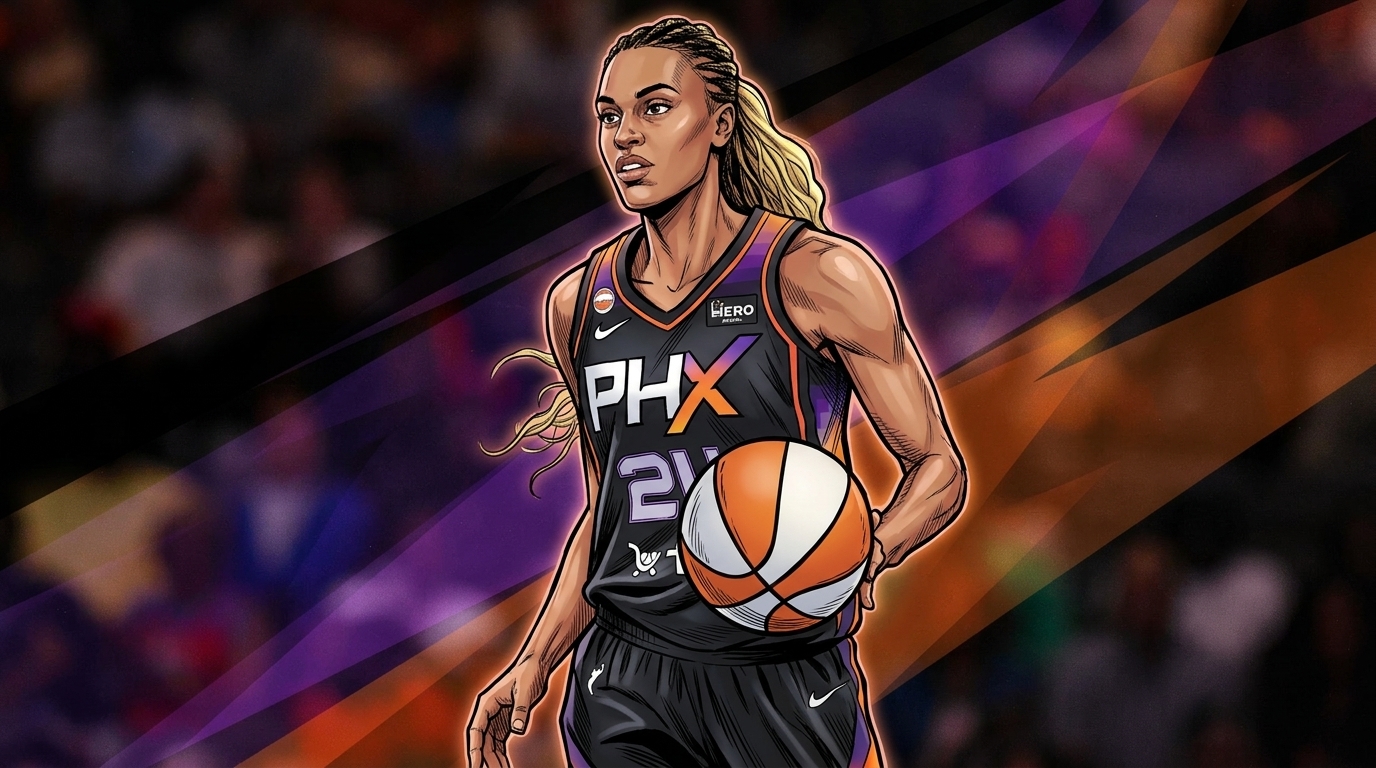
Rhyne Howard, Allisha Gray, and Angel Reese were all first-ones-out of their respective positional pools. Howard finished with a weighted score of 6 (fan vote 50%, player vote 25%, media panel 25%), just behind Mitchell’s 5. She ranked fourth in media voting and second in player voting — the people who actually watch her play every night — but 18th in fan voting, which is enough to sink you when fans constitute half the ballot. She also plays a wing position that sits awkwardly between the guard and forward classifications, which may have cost her votes from people who simply weren’t sure where to file her.
Reese, who finished 7th overall among frontcourt players, was beaten out for the last spot by Natasha Howard, who ranked 7th in fan votes but 4th in media and 5th in player votes. The math worked against Reese despite a performance that the people in the arenas clearly respected.
None of the three Dream players said much publicly. Reese said something, because Reese is the one who says things. Per ESPN’s Kareem Copeland: “I expect to be disrespected. For those two though, I think they work so hard and they put a lot of work in, and the way that they’re guarded every game and they [have to] adjust. The reason why we’re where we are is because of those two. For us not to have anyone was just a slap in the face, but they’re not going to say anything. I am.”
“Those two” being Clark and Bueckers — which is itself a remarkable thing to parse. Reese is crediting the players whose cultural gravity she believes influenced a voting system that left her out. That’s not bitterness; that’s analysis. The voting format has real structural quirks, and Reese is pointing at them directly while also acknowledging their source.
What the Outrage Tells You About the League
Three years ago, nobody was this angry about WNBA All-Star selections. Not because the selections were fairer — the voting format hasn’t changed dramatically — but because the audience wasn’t there to sustain the outrage. You need enough people paying attention for a snub to generate heat. The Dream situation is generating heat. That’s the tell.
The presence of Tyla — booked at the peak of her commercial moment, performing on ABC the night after her album drops — is the same signal from the entertainment side. You don’t slot a 2x GRAMMY winner into your halftime show unless you believe you can deliver her an audience worth performing for. The WNBA apparently believes that now.
I’ve spent enough time reading media criticism to recognize when an institution crosses the attention threshold where its internal controversies start generating external coverage. The Dream snub is exactly that kind of controversy — specific, arguable, with real stakes and real numbers behind it. It’s the kind of debate that happens around leagues people actually care about.
Clark dropping 45 points on a Friday night and making multiple WNBA history marks simultaneously is what we used to call the backdrop. Now it’s the opening act for All-Star week. The game tips July 25. The league has, rather quietly, become something worth arguing about.
Watch for whether the coaches’ reserve selections — 12 players chosen by the coaches themselves, who cannot vote for their own players — give the Dream any representation they didn’t get from the fan-heavy starter vote. It won’t fix the structural conversation, but it would tell us whether the coaching staff sees what the voter math didn’t.