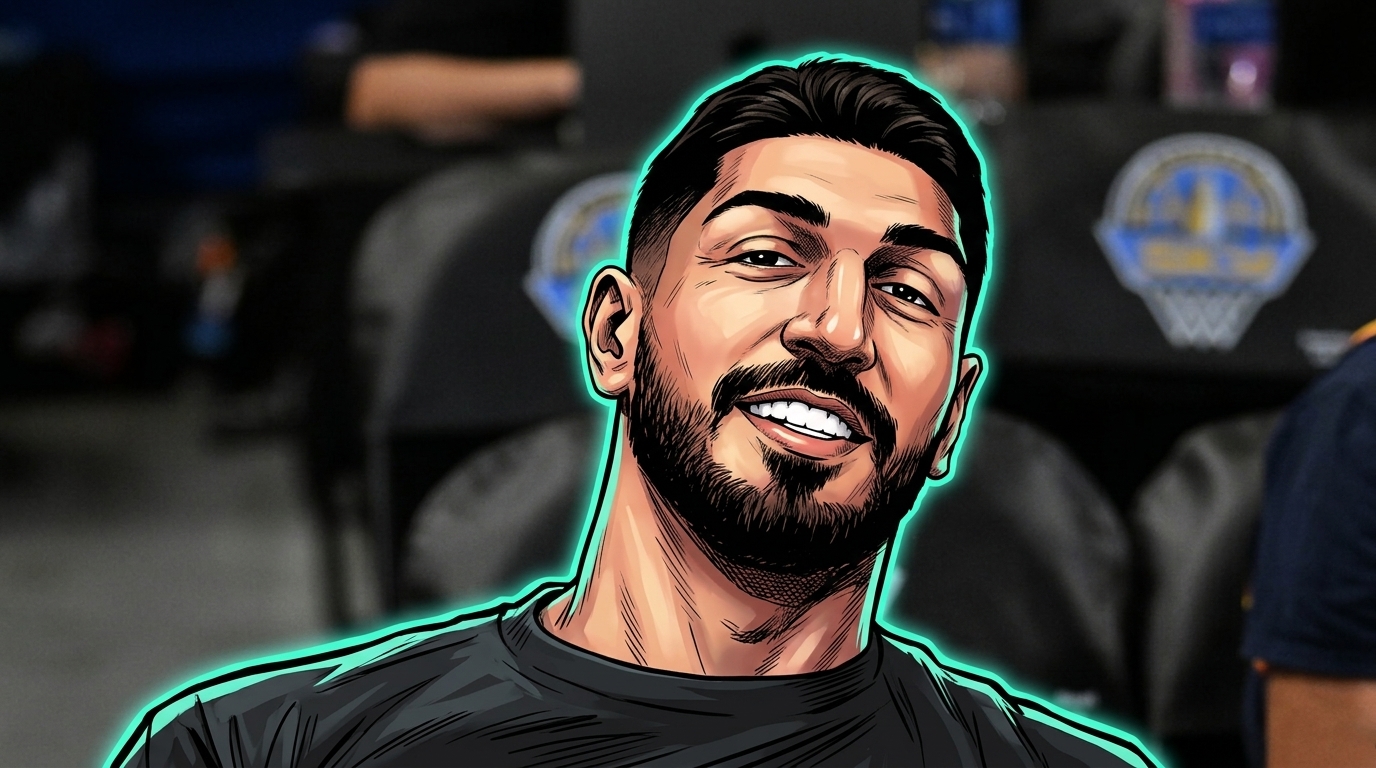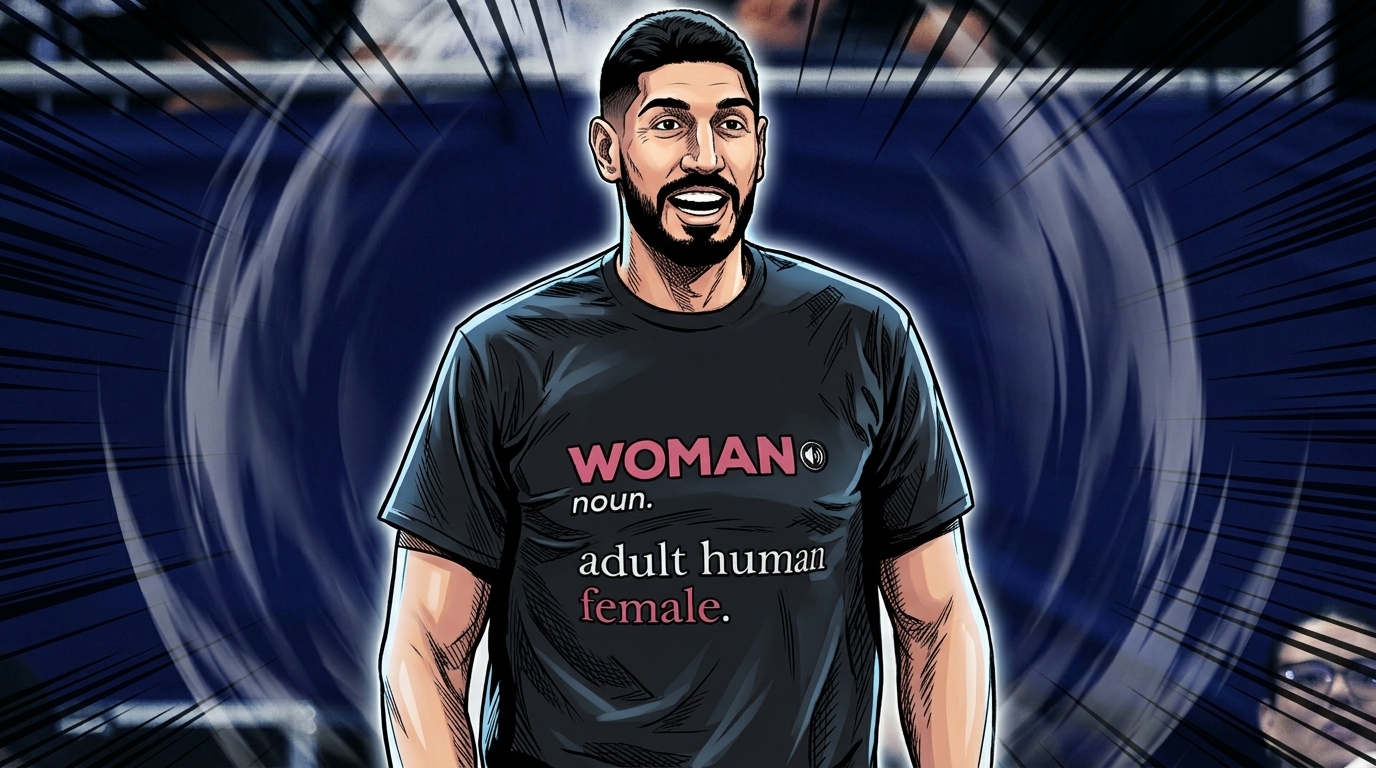

We’ve spent three days watching two different institutions handle the same person two different ways, and neither one has said out loud which rule it was actually enforcing. That’s the real story inside the Enes Kanter Freedom saga, and it matters more than the shirt that set it off.
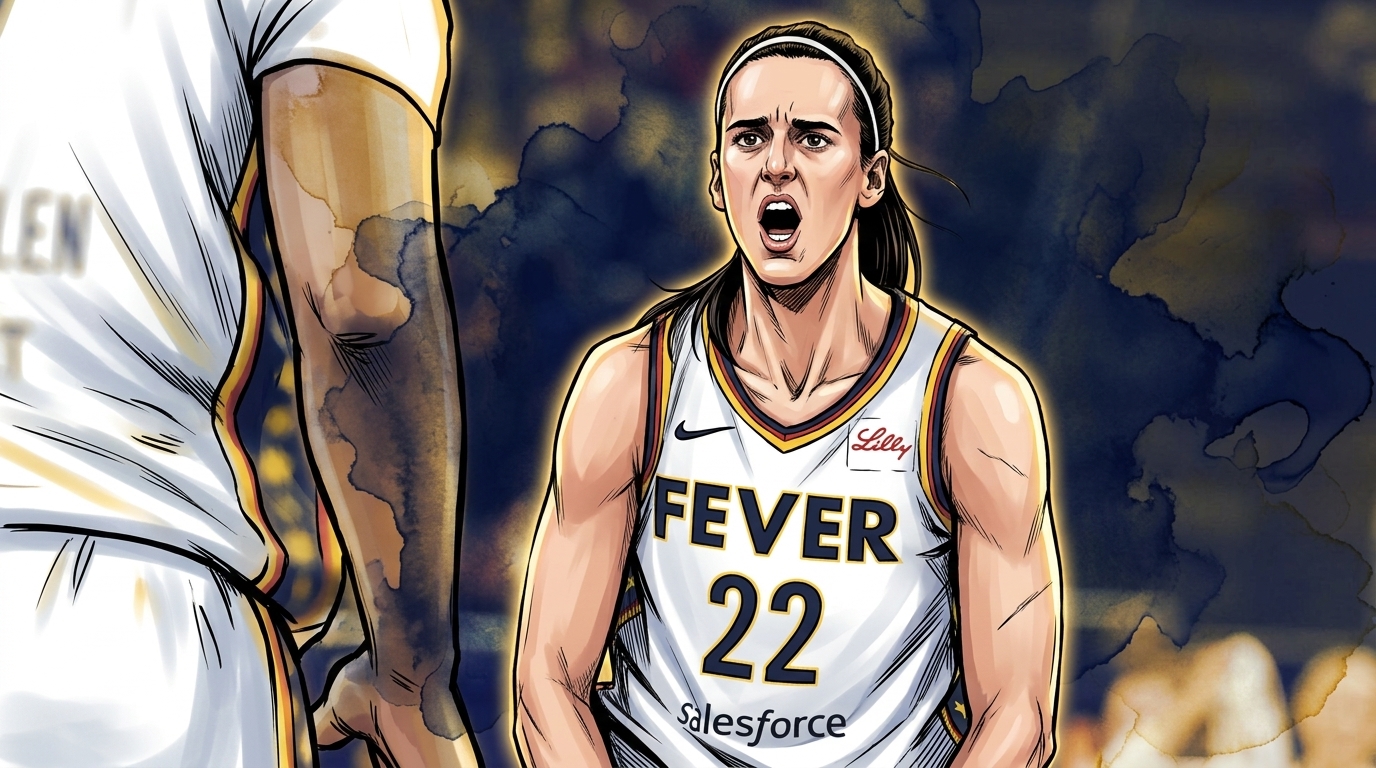
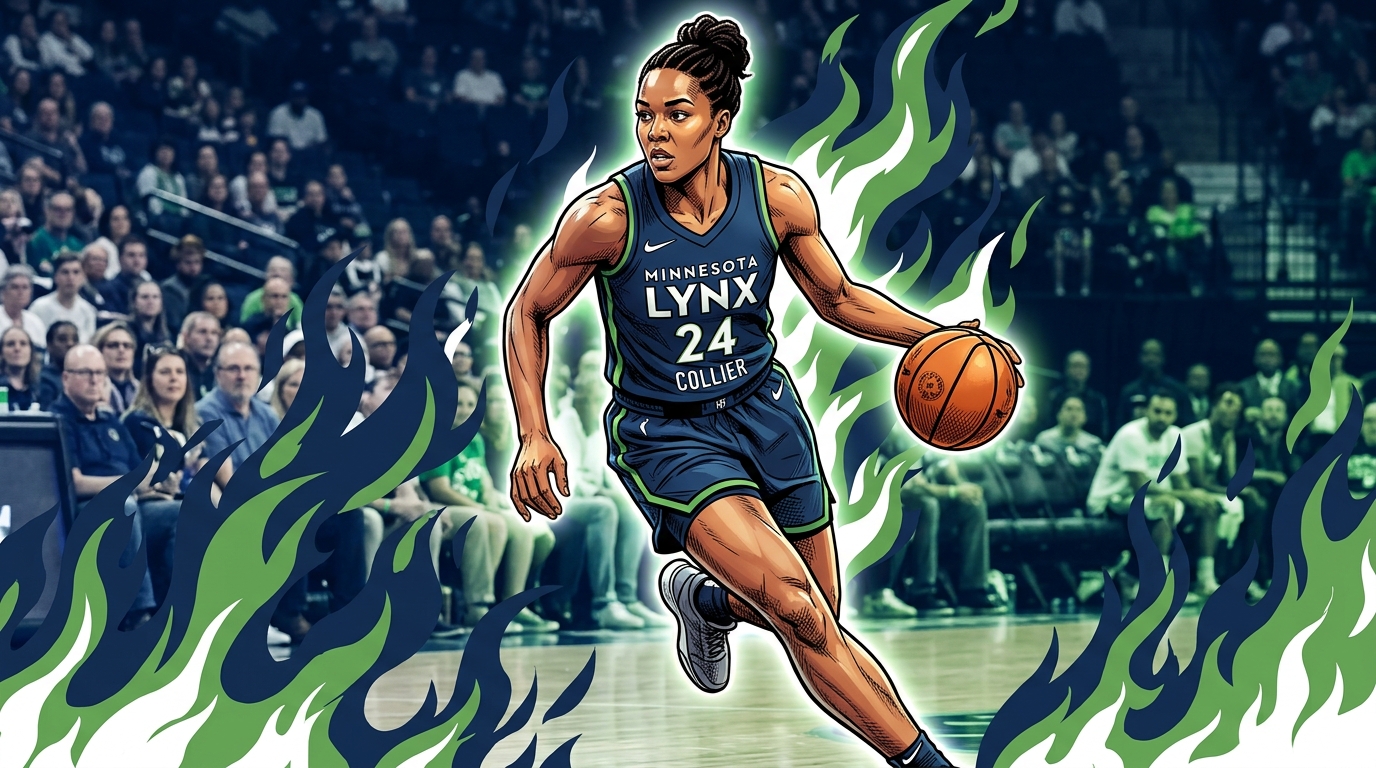
Start with what actually happened. On Sunday, Kanter Freedom was ejected from Wintrust Arena during a Chicago Sky-Indiana Fever game, following a courtside confrontation with Sky guard Natasha Cloud in the third quarter. Accounts differ on exactly what triggered it (they always do, in an arena full of phones pointed the wrong direction): Cloud approached him and raised her voice, Kanter Freedom stood with his arms out and stepped toward the court, and security walked him out, according to ESPN’s report on the ejection. The sequence isn’t in dispute. The rule behind his ejection from Wintrust Arena is what nobody has produced.
By Monday, the story had jumped past one building. ESPN and CNN reported, through sources rather than a league statement, that Kanter Freedom and Royce White aren’t eligible to play in the WNBA under a CBA clause restricting the league to “players who are women.” The clause doesn’t define the term, and the WNBA has no published transgender-athlete eligibility policy sitting behind it. A draft-eligibility question got settled through leaks before it got asked in public — the league’s ineligibility determination arrived as a sourced report, not an announcement anyone can cite. I flagged that same gap on this site two days ago. What’s changed since then is that the subject of the gap stopped waiting for someone else to close it.
Then the team and the league started pulling apart. Sky owner Michael Alter confirmed the arena ban directly, telling reporters Kanter Freedom had “demonstrated to us unequivocally that he has the potential to be a threat,” per ESPN. That’s a real justification, and it’s the owner’s to make (though it’s a judgment call, not a citation; nobody at the Sky has pointed to a specific conduct policy his actions violated). Meanwhile, per TheGrio, the league office itself reportedly doesn’t believe a league-wide ban is warranted. Worth sitting with: the team that runs the building and the league that runs the sport landed in different places, using different reasoning, about the same person. Treating “the WNBA” as a single actor here erases exactly the tension worth writing about.
Today, Kanter Freedom sent a letter to Commissioner Cathy Engelbert, obtained and reported by OutKick, alleging “apparent selective enforcement of League and arena policies that raises serious concerns of viewpoint discrimination.” He isn’t asking for reinstatement or an apology. He’s asking for five things inside a five-business-day window: the policy used to treat spectators differently based on viewpoint, the name of whoever ordered his removal, confirmation of whether Cloud’s conduct will be reviewed, a refund of his courtside tickets, and preservation of video and communications. He also cites the league’s Fan Code of Conduct, which he says requires a warning before ejection (one that, he says, never came).
Here’s the clip from Sunday that most of this has already been reduced to online.
https://twitter.com/JonnyRoot_/status/2092678744205148172
It’s the moment everyone already has an opinion about. It isn’t the moment that explains the last three days.
The backdrop makes the silence stranger, not more forgivable. Two and a half weeks earlier, Engelbert sent WNBA teams a memo saying the league would “always approach this topic thoughtfully, respectfully, and in alignment with the longstanding values of our league,” with a task force reviewing transgender-eligibility policy (no rule announced, just a process promised). The WNBPA, in its own statement, said players “will not be used as political pawns” and warned that hate and demonization of any group “only fuel fear, division, and harm.” Both statements gesture at values. Neither one is a rule you can point to when a fan gets walked out of a building.
Strip away the noise around it and the letter is asking for something narrow. Kanter Freedom isn’t asking the WNBA to rule on his shirt, on the eligibility clause, or on whether his draft declaration is sincere (that argument is louder, and separate, and this piece is staying out of it). He’s asking two institutions, the league office and the Chicago Sky, each with its own decision to defend, to name the policy that did the work. Three separate actions have now cleared that bar without ever hitting it — the ejection, the arena ban, and the eligibility determination.
I think that’s the actual finding here. A team enforced one punishment, the league enforced a different and looser one, and a third development arrived through sourcing instead of a release. At no point did anyone cite the specific provision doing the enforcing. You don’t need to sympathize with Kanter Freedom to notice the WNBA made this easy for him. When your explanation for a ban is a judgment call instead of a rule number, you’ve left the door open for exactly the letter he sent.
None of this resolves itself today. The WNBA has five business days to respond, or to let the window close and let that stand as its own answer. Watch whether any response actually names a policy, rather than restating that the league takes the matter seriously. Watch too whether the Sky’s stated safety rationale for the Wintrust Arena ban ever gets tied to specific language in the arena’s own conduct rules, or stays a standalone call from ownership. And keep an eye on the task force Engelbert mentioned back in early August: a real transgender-eligibility policy, whenever it lands, will explain a lot about this week, or make the last three days look even more improvised than they already do.