
There’s a thing that happens in K-pop fandom, something I follow loosely because the parallels to sports culture fascinate me, where a group’s second most popular member can put out objectively better work than the face of the group, and the discourse still processes it as supplementary. Not lesser, exactly. Just derivative. A data point in someone else’s story. I think about that a lot watching the WNBA this summer, and on July 5, I thought about it again.
Paige Bueckers scored 22 points on 56.3% shooting against the Toronto Tempo, dished seven assists, grabbed three boards, and in doing so tied Katie Smith’s 2003 WNBA record for most consecutive games with 20-plus points and 50-plus percent shooting by a guard. Five straight games. A record that had stood for 23 years. Over that streak, Bueckers averaged 24.8 points and 5.8 assists while shooting 57.3% from the field. The kind of efficiency stretch that, in any other context, generates a news cycle.
The news cycle did not materialize. Not really.
https://twitter.com/alexaphilippou/status/2073961591968555097
I covered women’s basketball for two years at a mid-size digital outlet before getting laid off via Slack message, and what that job taught me was how editorial attention actually gets allocated. It’s not malicious. It’s just that someone, at some point, decided which player was the main character of a given season, and after that, every other story gets run through that filter. Bueckers tying a 23-year-old efficiency record became, in the outlets that mentioned it at all, a contrast point. Not her story. A foil in someone else’s.
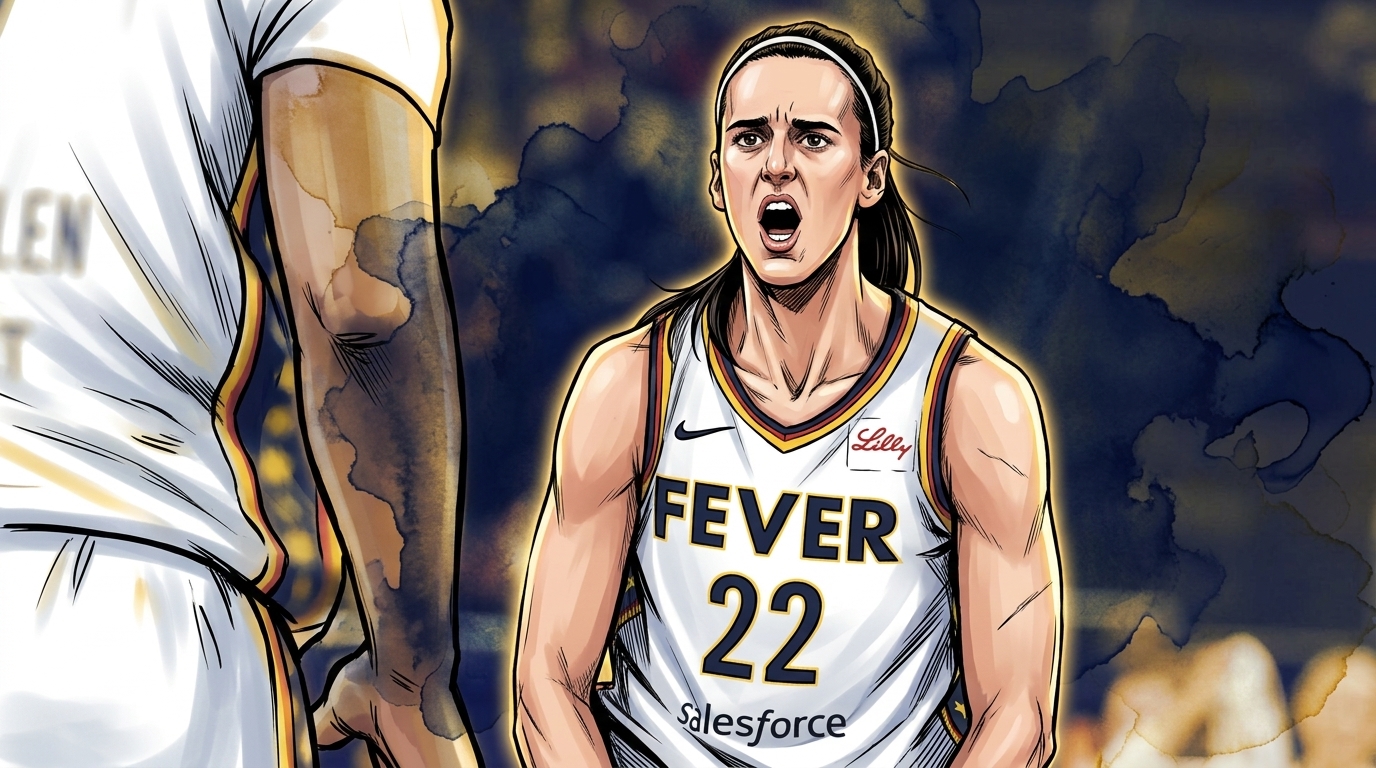
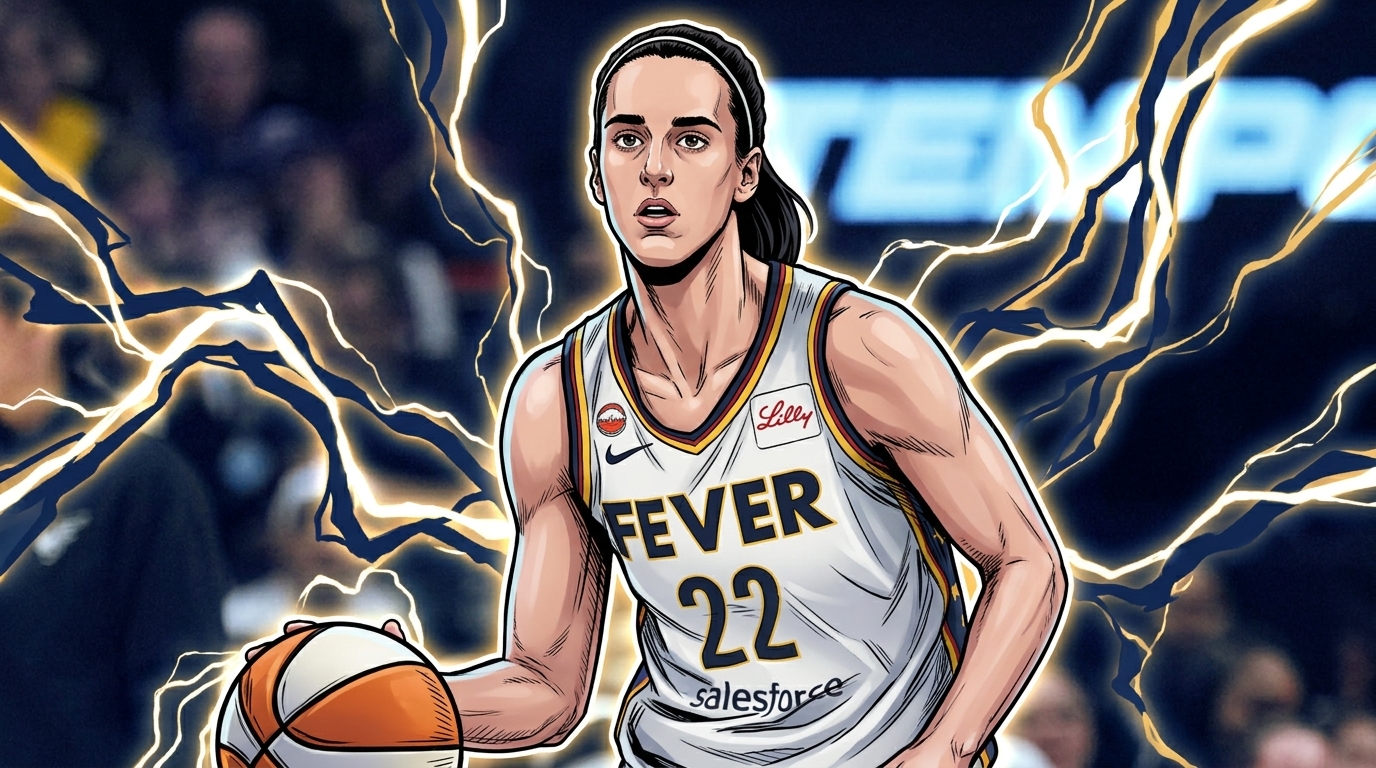
That someone is Caitlin Clark, who is averaging 21.2 points and 8.2 assists this season and generating significantly more media coverage. The asymmetry is real. Rachel DeMita put it plainly: “The media just covers things so much differently with Caitlin than they do with Paige.” Sue Bird, on her podcast, said: “Caitlin deserves everything she gets, and Paige deserves more. I think people forgot how popular and how engaging Paige is.” What’s telling is that the people saying this out loud are other athletes and former players, not the outlets that set the discourse.
Here’s what I keep returning to: Clark and Bueckers are not in competition. Their numbers aren’t even that close on the efficiency side. Bueckers is shooting 52.2% from the field to Clark’s 43.0%, posting a 61.4% true shooting percentage. WNBA GMs, in the CBS Sports survey, prefer Bueckers as a franchise cornerstone by a wide margin. In All-Star voting, Bueckers topped guard voting among both fans and players. Clark fell to 11th in player voting. The people on the court have a pretty clear read on the efficiency gap. But the coverage ecosystem has been built as if they’re in competition, which means the structure of any Bueckers story becomes: here is what Paige did, relative to Caitlin. The record becomes a comparison. The excellence gets subordinated.
And to be fair to the outlets making these calls: Clark drives viewership. That’s not a media failure, that’s a media rationalization, but it’s not meaningless. Attention is genuinely monetizable in ways that historical efficiency records are not. The counterargument writes itself. What I’d push back on is the premise that “what drives viewership” and “what deserves coverage” are the same question. They’re related, but they’re not identical. When you consistently process one player’s achievements as extensions of another player’s narrative, you’re not just reflecting audience interest — you’re shaping it. You’re telling readers which story matters. And if you do that long enough, you make the answer feel inevitable.
Her 1,000 career WNBA points milestone earlier this season got a similar treatment: mentioned, contextualized, moved past. This is not isolated to Bueckers either; it connects to a broader pattern that A’ja Wilson’s media coverage problem made visible before Bueckers even arrived in the league. The WNBA has a long history of excellence getting treated as background noise when the foreground noise is louder. What’s different now is that the foreground noise is also a WNBA player. The gap isn’t between the league and men’s basketball. It’s inside the league itself.
I don’t have a clean answer for what sports media should do, or whether audience attention is something editors can meaningfully reshape rather than simply chase. What I know is that a guard just tied a 23-year efficiency record, played five straight games with the kind of numbers that would generate a dedicated documentary segment if they happened in the NBA, and the dominant conversation in women’s basketball moved right past it. The question isn’t whether the coverage is fair. It’s what we’re actually measuring when we decide what’s worth covering — and whether “how many people already care” is the same thing as “how much this matters.” I’m not sure those are the same thing. I’m not sure the industry is asking.