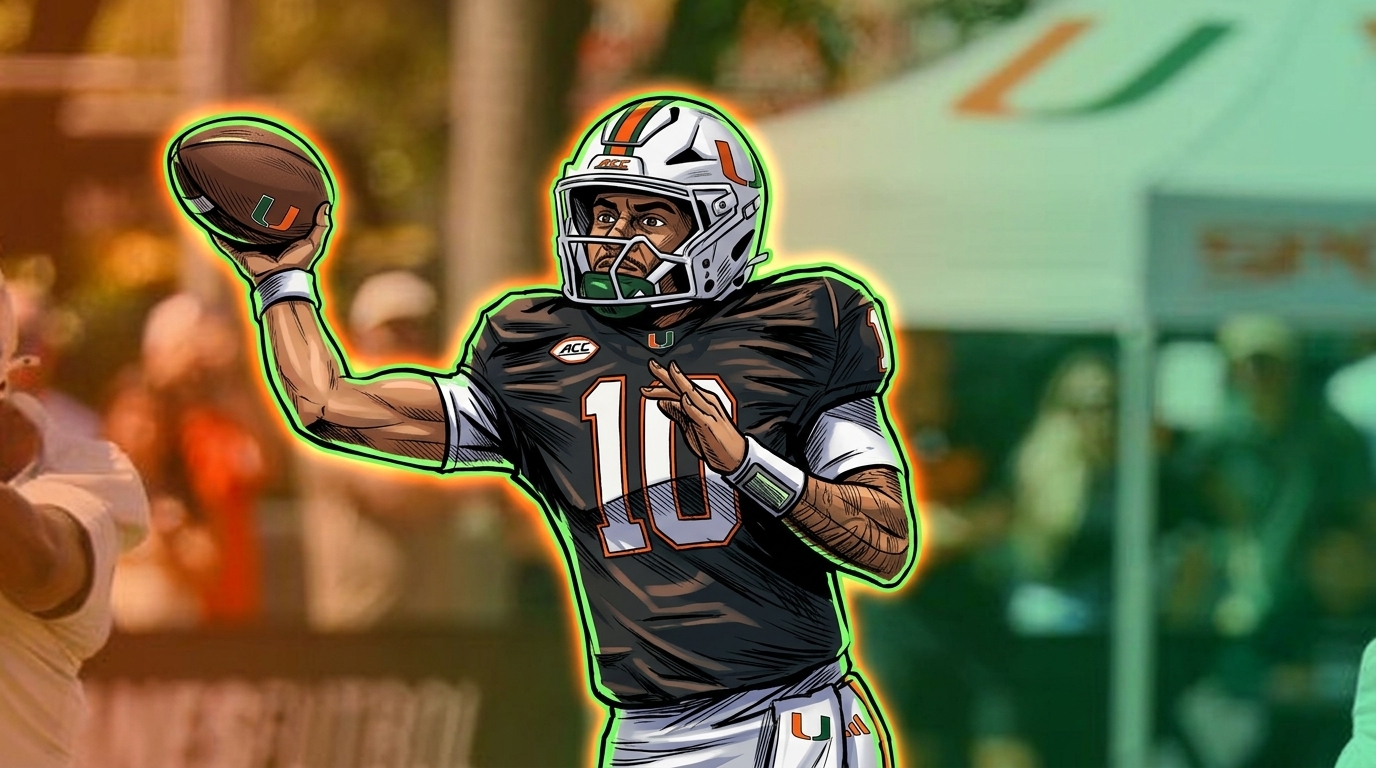

Call it The No-Union Paradox: you can now write a college athlete a check for $4 million per season, sue him in superior court when he tries to leave, and still watch him sign with your rival — all within the span of eleven days. That’s not a hypothetical. That’s January 2026, Durham County, Darian Mensah, and the most expensive failed retention play in college football history.
The paradox works like this. NIL money has scaled to professional levels. The legal infrastructure around that money has not. Every major professional sports league in the United States operates on a collective bargaining agreement, a union with grievance rights, and standardized contract terms that include buyout mechanisms. College athletics has none of those things. What it has instead is a system where individual schools and individual athletes negotiate private contracts, some worth eight figures, with no common framework, no independent arbitration, and no established case law governing whether any of it is enforceable. The data here is unambiguous: you have professional-level dollars attached to amateur-level legal infrastructure, and nobody at the institutional level has decided what happens when those two things collide head-on.
Now we know.
The Settlement
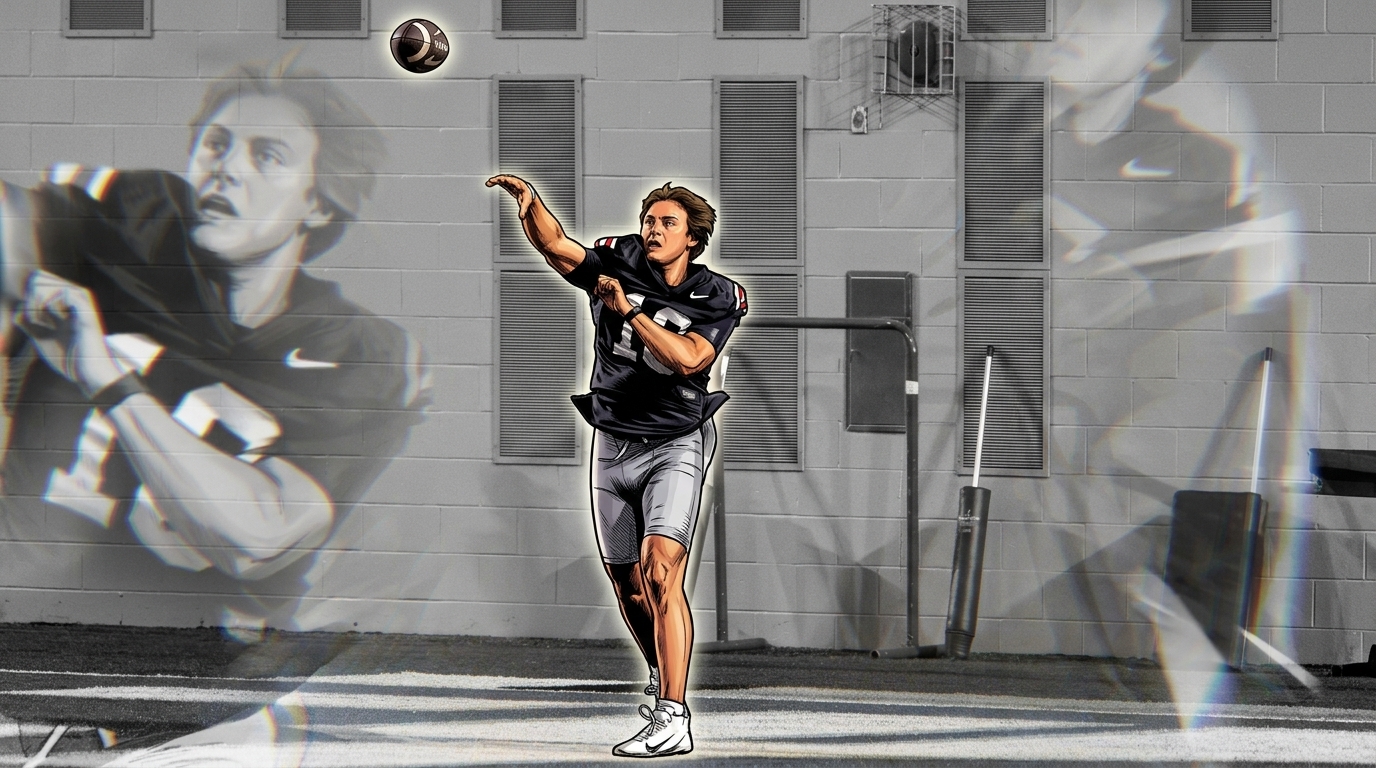
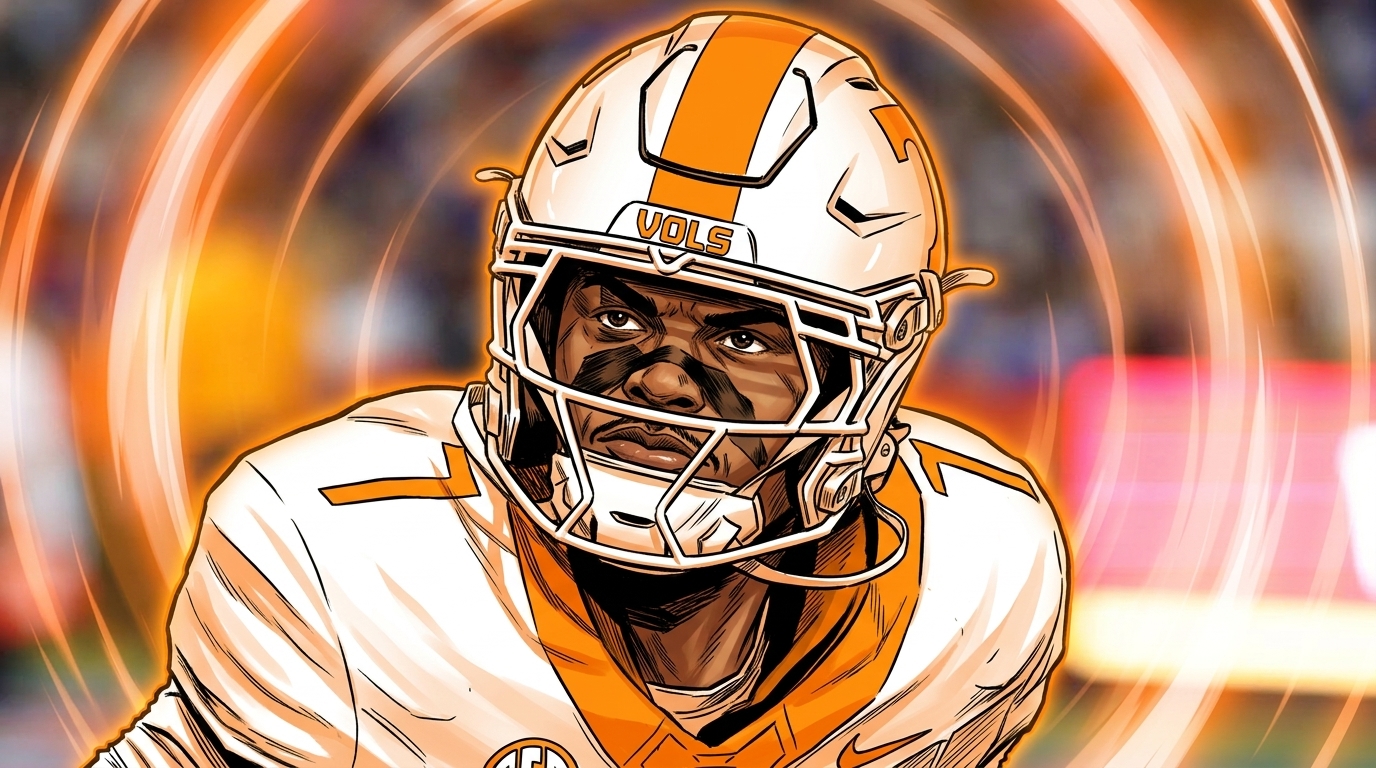
Mensah was, by any reasonable measure, the best quarterback in the ACC in 2025. He completed 334 of 500 passes for 3,973 yards, threw 34 touchdowns against 6 interceptions, and was named MVP of the ACC Championship. Duke had paid roughly $4 million per season under a multiyear NIL deal to bring him in from Tulane the offseason before. (The $10 million Miami deal that started all this puts that number in sharp relief.) In December, he publicly announced he was returning to Duke, declining to enter the NFL Draft.
Then January 16 arrived, the final day of the transfer portal window, and Mensah reversed course and entered.
Duke filed suit four days later in Durham County Superior Court, seeking a temporary restraining order to prevent Mensah from enrolling elsewhere. The argument: his NIL contract prohibited other schools from using his NIL rights. On January 27, seven days after the filing, the parties reached a settlement. Terms were not disclosed. Hours after the settlement was announced, Mensah committed to Miami.
https://x.com/DukeFOOTBALL/status/2016154276767130017
Duke called it “a resolution that enables both parties to move forward.” Mensah’s agency, Young Money APAA Sports, described “principled negotiation” that reached “a fair and mutually agreeable resolution.” What nobody described was a ruling. Because there wasn’t one. A court never determined whether Duke’s contract was enforceable. The school filed, the player held, and eventually both sides agreed to something (almost certainly involving a financial payment) to make the litigation go away.
Mensah said it plainly: “I want to make the NFL. I want to be a first-round draft pick. And all signs point towards Miami.”
Wide receiver Cooper Barkate, who caught 72 passes for 1,106 yards and 7 touchdowns alongside Mensah in 2025, transferred to Miami the same night.
The Precedent
Woof. Duke’s NIL contract had no buyout clause. The school that spent $4 million per year to retain its franchise quarterback did not include the one mechanism that every professional sports contract uses to handle exactly this scenario. That’s not a legal oversight — it’s a symptom of an entire system being built without anyone agreeing on the rules first.
This case isn’t unique. Ole Miss contested edge rusher Princewill Umanmielen’s transfer portal entry; he eventually moved to LSU after paying a $600,000 buyout. The mechanisms being improvised here (lawsuits, undisclosed settlements, ad hoc buyout payments) are the makeshift infrastructure of a league that doesn’t know it’s a league yet. And this is precisely how NIL has divided college football into haves and have-nots: the schools with legal departments and the budget to litigate get to apply pressure, while players without agents who carry actual enforcement authority navigate it alone.
The three things missing from college NIL contracts, compared to every professional sports agreement in the country:
A collective bargaining agreement that sets the baseline terms for player movement. A union with grievance rights that gives players an institutional counterweight to school legal departments. Standardized transfer and buyout rules that everyone agrees on before signing a contract. Professional sports has all three. College athletics has none of them. So what you get instead is Duke vs. Mensah in Durham County Superior Court, a seven-day standoff, and a settlement that produced no legal clarity for anyone.
Can Schools Actually Enforce NIL Contracts?
Duke sued Darian Mensah in Durham County Superior Court in January 2026 to enforce a multiyear NIL contract, but the case settled before a ruling. No court has established that private NIL contracts between schools and athletes are fully enforceable, leaving an entire system of multi-million dollar deals in legal limbo.
That ambiguity is the actual story. The courts haven’t said yes and they haven’t said no. What the Mensah settlement tells us is that a well-represented player with a credible destination can outlast a school’s litigation pressure, but it doesn’t tell us what happens to a less-represented player at a smaller program facing the same situation. Legislative attempts to regulate the transfer portal have stalled repeatedly, which means the legal vacuum gets filled by individual lawsuits and private settlements, one player at a time, with no accumulating precedent to guide the next case.
https://x.com/YMAPAAsports/status/2016149615247040988
The question the courts will eventually have to answer: can a private NIL contract between a school and a college athlete impose professional-level contractual obligations on someone who has no union, no CBA, and no agent rights with actual enforcement power? If the answer is yes, college athletics has quietly become a professional league — without any of the worker protections that professional leagues took decades of labor fights to establish. If the answer is no, the entire $4-million-per-year retention market is built on paper that can be walked away from the moment a better offer arrives.
Neither answer is comfortable. Both are on the table.
What Belichick Knows
Bill Belichick is at UNC now, coaching in the same ACC that Mensah just spent a season dominating. After UNC played Duke in 2025, Belichick called Mensah “like an NFL passer” and “the best quarterback we’ve faced.” After the settlement, his reported assessment was direct: “The closer you look, the more impressive he is to me.”
Belichick is not prone to commentary for its own sake. When he speaks about a quarterback at a rival program (one who just won an ACC Championship MVP, publicly chose NFL development over an existing contract, and successfully navigated a lawsuit that had the entire college football establishment watching), he’s not making idle conversation. He’s filing information.
The entire college coaching infrastructure is processing the Mensah case right now. What it tells them: a player who commits to returning, then reverses course at the portal deadline, then weathers a lawsuit and still lands where he wants to go: that player has leverage the current system cannot fully contain. Belichick’s comment is the polite version of what every recruiter in the country is thinking. You cannot sue a kid for wanting a better deal and expect that to hold.
The No-Union Paradox doesn’t resolve itself. It compounds. Every settlement that doesn’t produce a ruling leaves the next case without a roadmap. Every school that writes a multiyear NIL deal without a buyout clause is making the same bet Duke made, by design: that the player will stay because the money is enough, not because the contract actually holds.
I don’t think the courts will let that bet stand much longer. The Mensah case was a preview, not an anomaly. The next time a school files to enforce a NIL deal, somebody’s going to ask for a ruling instead of a settlement, and when they get one, it’s going to fundamentally reshape what college athletics is, and who gets to say so.
Mensah’s going to Miami. The question of what that means for the next Mensah is still very much open.