
Seven teams sitting at 11-1 or shorter on a single sportsbook’s board isn’t just a busy week for oddsmakers. It’s a symptom. The interesting question isn’t which of the seven wins the national title — it’s why the closed shop that used to gatekeep contention suddenly has seven separate keys hanging on the rack.
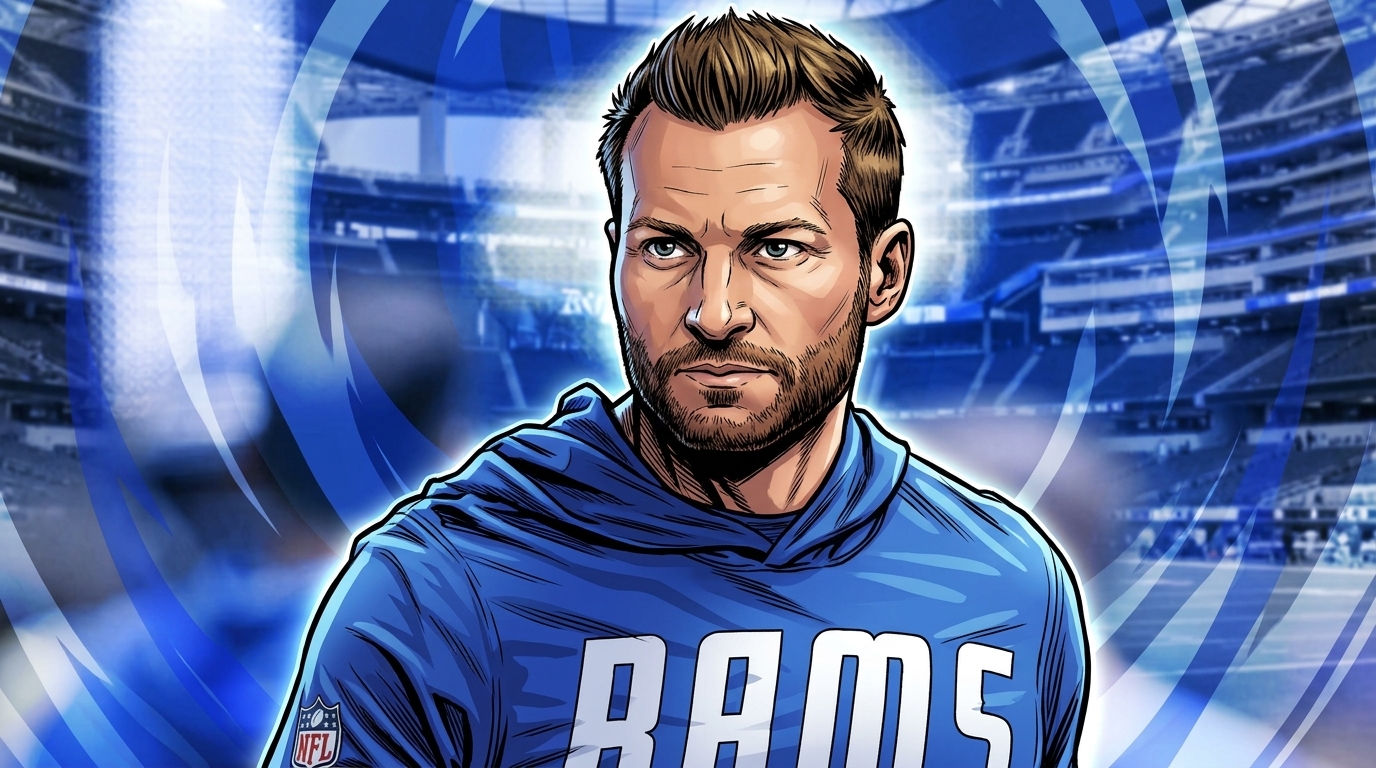
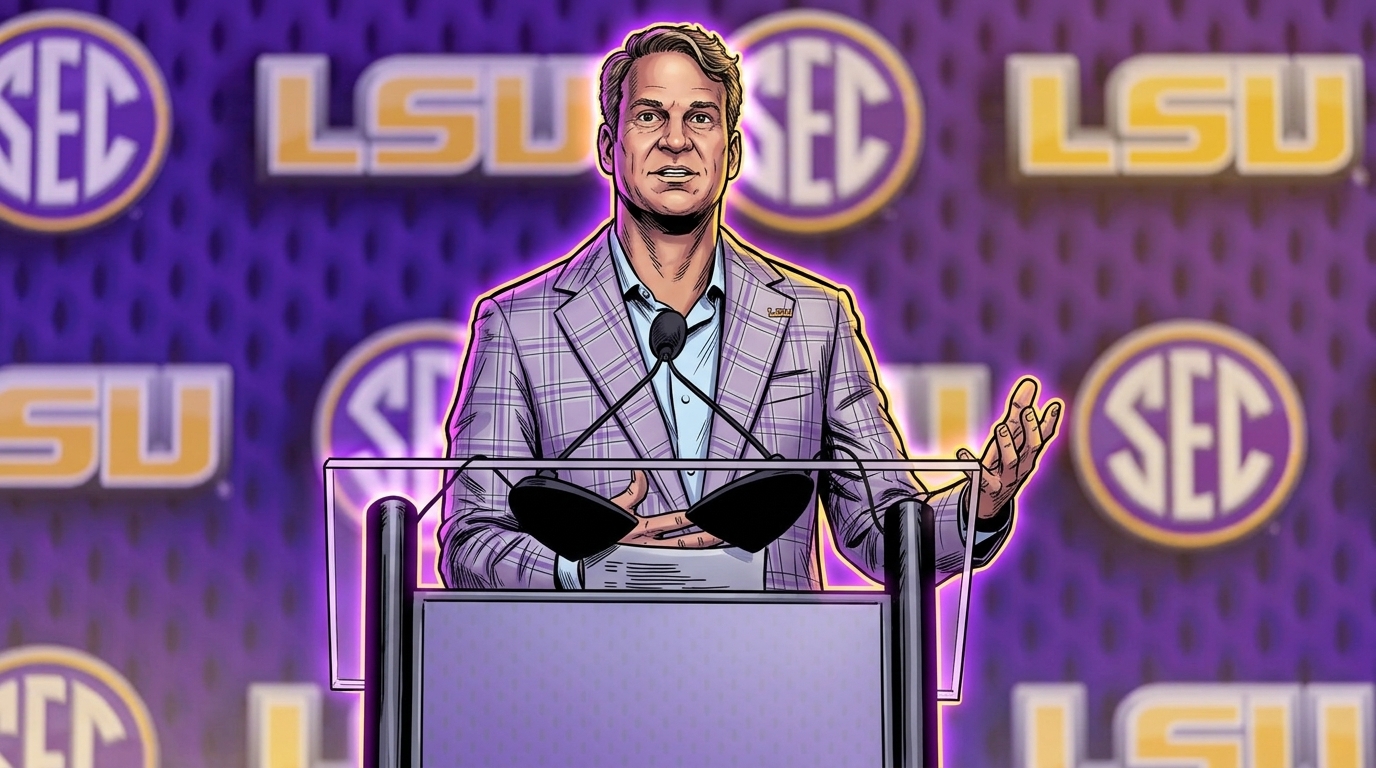
Indiana Hoosiers are the cleanest evidence of what broke. Three years ago the program was a 100-1 preseason afterthought under a first-year coach nobody outside the Big Ten’s back pages had strong opinions about. Two years and one perfect season later, Curt Cignetti had delivered Indiana’s first national championship: a 16-0 run that ended with a 27-21 win over the Miami Hurricanes in January. Now, with Heisman winner Fernando Mendoza gone to the NFL, Indiana is back in the top tier of the 2026 national championship odds anyway, because the transfer portal handed Cignetti a plug-and-play answer at quarterback before spring practice even started. That kind of turnaround used to take fifty years and three generations of boosters. It happened in three, on purpose, because the rules changed underneath the whole sport.
The Odds Board Nobody Predicted
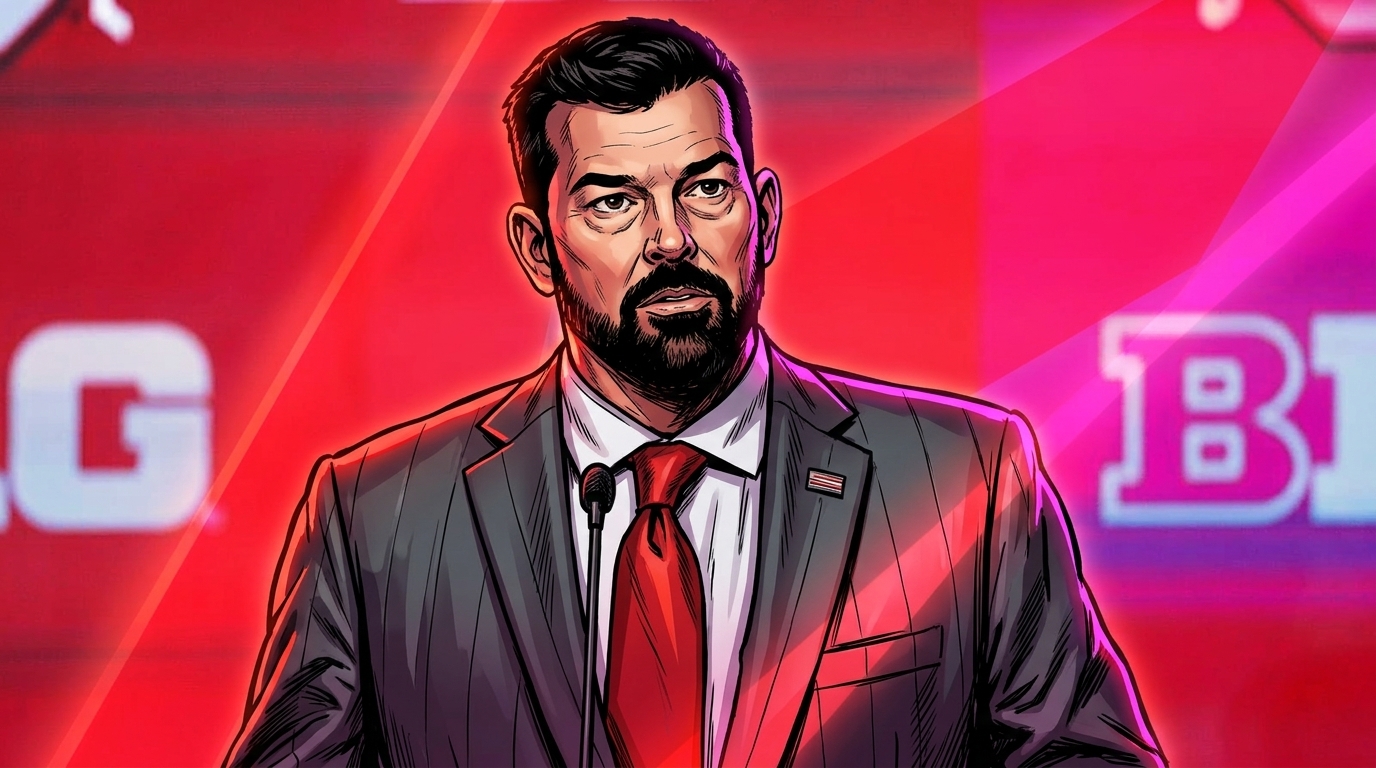
Depending on which book you check, Ohio State Buckeyes sit somewhere around +550 to +600 to win it all, the current favorite but not by the kind of margin that used to separate a true blue blood from the pack. Notre Dame Fighting Irish are next at +650, with Texas Longhorns at +750 and Oregon Ducks at +800. Indiana comes in at +850, Georgia Bulldogs at +900, and Miami, still working through that January loss, rounds out the group at +1100. Seven different schools carry odds of 11-1 or shorter on the 2026 national championship odds board, and the spread between the top team and the seventh is the tightest it’s been in years. Nobody gets to hide behind a runaway favorite this fall. Even the sport’s own forecasting tools can’t settle it: three different preseason models can’t agree on a No. 1, which says the uncertainty isn’t just a betting-market quirk.
Why Is College Football So Wide Open in 2026?
Seven teams (Ohio State, Notre Dame, Texas, Oregon, Indiana, Georgia and Miami) sit at 11-1 or better to win the 2026 national title, the widest top tier the sport has fielded in years. The transfer portal and NIL money compressed that path from decades to seasons, and the closed shop that used to gatekeep contention doesn’t exist anymore.
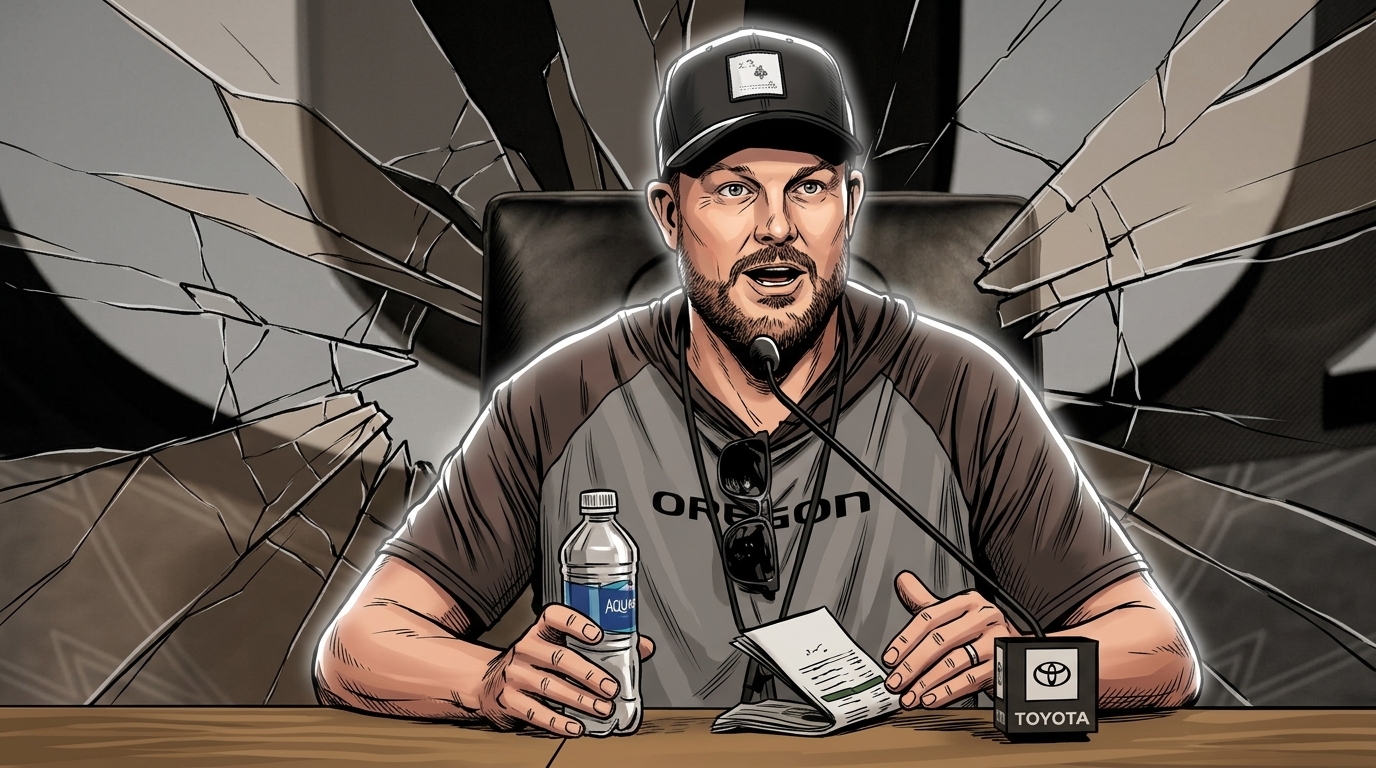
That compression is the whole story. Roster-spending trackers now put Texas at the top of the sport, running close to $45 million on its roster for 2026, a figure that keeps climbing every cycle. A year after Texas spent $23 million rebuilding its roster, the price of staying competitive nearly doubled. Miami is in the same neighborhood, north of $40 million, a chunk of it going to quarterback Darian Mensah, who walked away from a reported $4 million NIL deal at Duke to transfer in. Oregon is spending at a similar level and hedging at the position that used to be hardest to fix on short notice: the Ducks added two portal quarterbacks, Dante Moore and Nebraska transfer Dylan Raiola, instead of betting on just one. None of that was an option a decade ago, when a program needed a coaching legacy and a patient fanbase willing to wait out a rebuild that might not even work. Now it needs a checkbook and a plan.
Indiana Is the Whole Argument, in One Program
Run the tape back. Indiana entered the 2024 season at roughly +10000 to win the national title, call it a 100-1 shot, the longest preseason number for an eventual champion since 2001. Nobody had that program penciled in for a Playoff berth, let alone a title run.
https://twitter.com/roadtocfb/status/2013618216984051887
Cignetti’s first season ended with Indiana’s first-ever College Football Playoff appearance, a loss to Notre Dame in the opening round, and an 11-2 record, a jump most programs would call a decade’s worth of progress compressed into one season. Year two erased any doubt: a 16-0 season, the program’s first national championship, that 27-21 win over Miami in the CFP title game. Two seasons, 27-2 overall, a résumé that used to take most blue bloods multiple coaching generations to build.
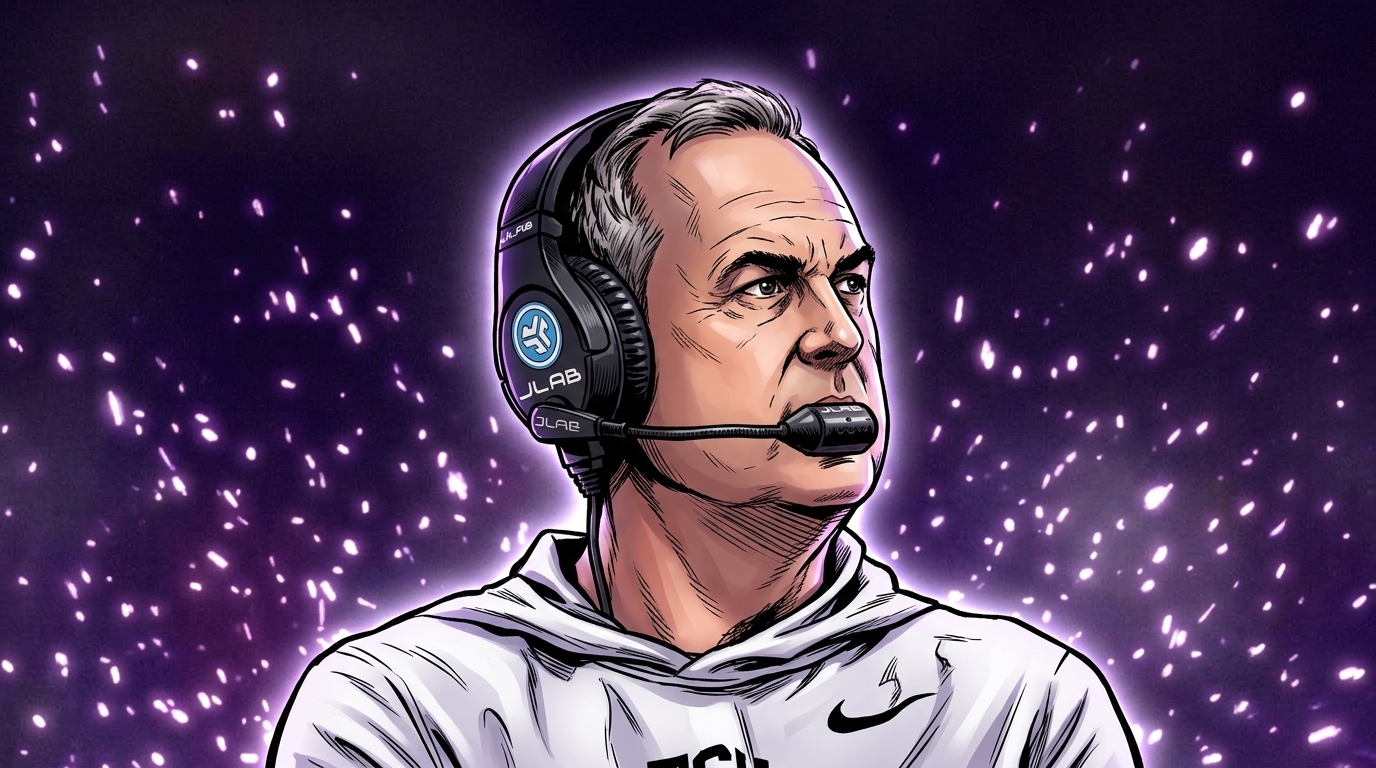
But that’s not even the part that should worry the rest of the sport. Mendoza left for the NFL, a real loss, a Heisman-winning quarterback walking out the door, and Indiana didn’t blink. Cignetti’s staff went into the portal and came out with Josh Hoover, a graduate transfer from TCU who completed 66% of his passes for 3,472 yards and 29 touchdowns last season: a stat line that reads like a plug-and-play starter, not a reclamation project. Hoover also graded out as the most efficient quarterback in the country on RPO-style plays not named Mendoza — a narrow, specific skill that happens to be the exact concept Indiana’s offense is built around. The Hoosiers open 2026 at preseason No. 6 and +850 to repeat, and neither number required a rebuild. It required a phone call.
That’s the model now. Not “build a program” in the old sense. Assemble one, on a timeline that fits a four-year eligibility window instead of a coaching tenure.
Georgia Is the Control Group
Georgia is the useful comparison, because Georgia didn’t play the same game. While Texas, Miami and Oregon leaned hard into the portal market, Georgia stayed close to its old identity: recruit at an elite level, develop over multiple years, resist the urge to overhaul the roster every offseason. The Bulldogs field the youngest roster in the country’s top tier, built almost entirely through high school recruiting rather than graduate transfers, which means most of that production is still years from even being portal-eligible.
And Georgia is still +900. Still comfortably inside the seven-team group everyone else had to buy their way into.
That’s the part of the parity story that gets lost in a conversation dominated by portal spending. The old path (patient recruiting, internal development, continuity) hasn’t been erased. It’s just no longer the only path. Georgia proves the traditional model still works. Indiana proves it’s no longer required. Both things are true in the same season, which is a strange sentence to write about a sport that spent a century insisting there was exactly one way to build a winner.
What Happens When Everyone Can Buy In
College football spent decades pretending contention was a closed shop — a group of eight or nine programs with some structural claim on the top of the sport that everyone else could only visit on a lucky year. NIL and the transfer portal didn’t just pay Josh Hoover and Darian Mensah. They dismantled the assumption underneath the whole sport: that only a handful of programs were even allowed to compete for the trophy.
Ohio State and Notre Dame still have the resources to spend at the top of the market, and they’re using them. That part hasn’t changed. What’s changed is who else gets to play. Indiana got there by shopping smart at one specific position. Georgia got there without shopping much at all. Texas and Miami got there by outspending everyone. Oregon got there by hedging at quarterback instead of picking one and hoping.
Take any of the seven and there’s a real case to make. That’s the whole point of a field this wide, and it isn’t closing back up next year. The moment a program figured out how to buy its way to a title in three years instead of three decades, the closed shop stopped being closed for good.