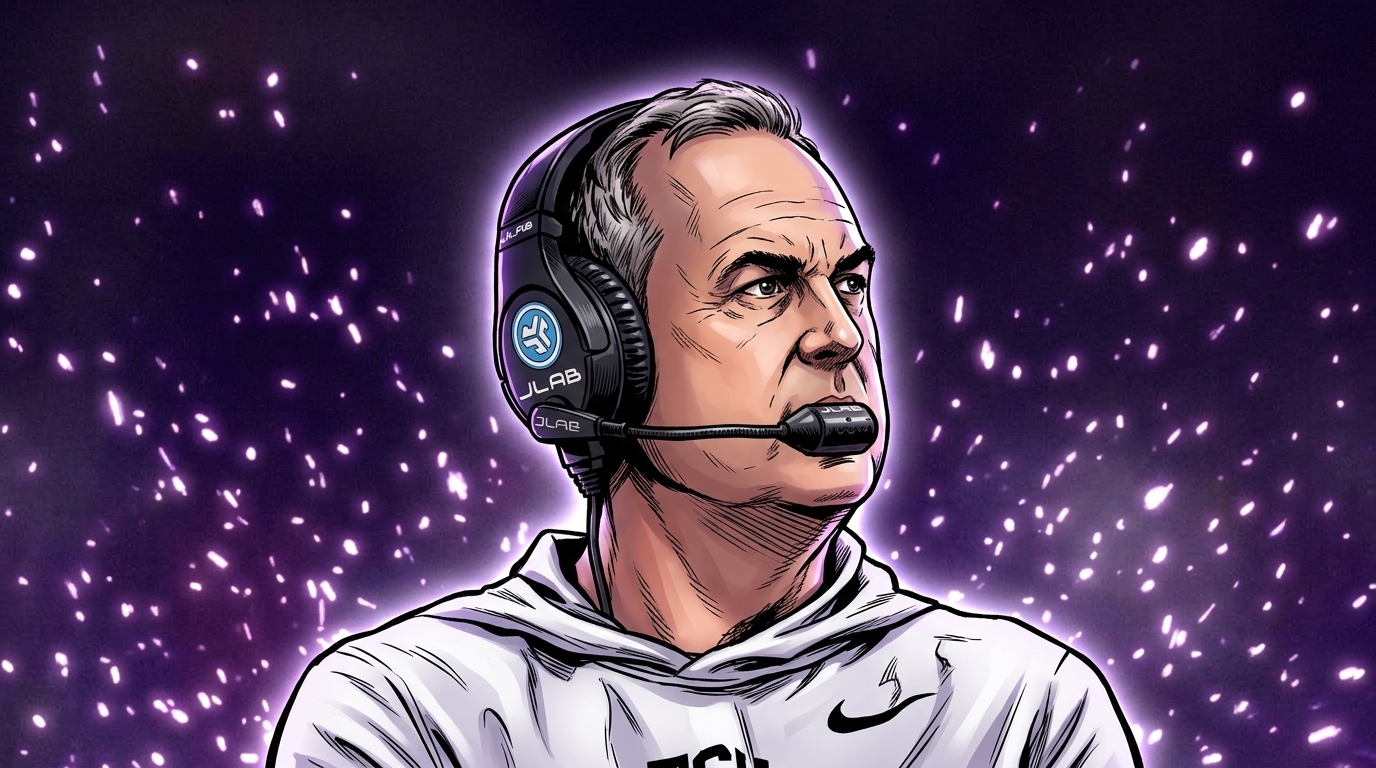

I wrote about Arion Carter’s suspension over a $427 flight three weeks ago and called it what it was. I already called this bullshit once, back when the NCAA had trimmed a three-game punishment down to two. This week it went to one. I’m supposed to read that as progress, and I keep trying, and I keep landing on the same place: an institution congratulating itself for making a bad decision slightly less bad.
This is the sequence, because it matters and the NCAA counts on nobody tracking it closely enough to notice the pattern. Carter, a senior linebacker from Smyrna who put up 76 tackles and 1.5 sacks for the Tennessee Volunteers last season, declared for the NFL draft, withdrew his name, and ended things with his agent. That agent had covered a $427 flight to a pre-draft workout. Carter paid the money back in January, months before any of this became public. The NCAA suspended him three games as a Level III violation anyway. On appeal, two games. On Tuesday, one. He sits out the opener against Furman and is eligible again for the trip to Georgia Tech a week later.
Tennessee athletic director Danny White posted the actual news Tuesday, and his statement on the NCAA ruling is worth sitting with, because he isn’t defending it. He’s indicting it while announcing it.
“While I strongly agree with Josh Heupel’s comment about how ridiculous this is in our current environment, 1 game is better than 2,” White wrote. Then the part that matters more: “If players around the country are allowed to leave NFL camps and play college football, the NCAA should do the right thing and drop it all altogether. This is yet another example of applying archaic rules from another era, without evolving and, most importantly, putting student-athletes’ experiences above bureaucracy.”
https://twitter.com/AD_DannyWhite/status/2092295947170533608
Sit with that comparison, because White is the one who drew it, not me. He’s talking about the fact that the NCAA opened a door for NFL veterans this same offseason it spent grinding Arion Carter’s suspension down one game at a time. A federal judge in Colorado issued a preliminary injunction letting some players from the 2022 recruiting class who had exhausted their college eligibility come back and play in 2026. A Louisiana court granted a similar temporary restraining order. Guys who spent this spring at NFL rookie minicamps are getting a runway home, and simply showing up to minicamp doesn’t cost them a snap.
I want to be precise about what that is and isn’t, because White was careful and I should be too. The NCAA didn’t dream this up out of generosity. Courts forced its hand, and the eligibility door only opens for players who didn’t actually sign a pro contract. Anyone who signed with an NFL, NBA, G League, or WNBA roster is still locked out, and so is anyone who declared for a draft without properly withdrawing. Which is the part that should make you genuinely pissed off on Carter’s behalf, because he did withdraw, properly, on the record, and still lost a game over money he’d already returned.
That’s the trick. The NCAA isn’t running one coherent rulebook that happens to produce two different outcomes. It’s running an institution that keeps a decision on the shelf for whatever fight is loudest that week, and this offseason the loudest fight was a $427 flight. Josh Heupel said Carter made the right call for his health, given a foot injury that needed surgery. The NCAA suspended him anyway, then negotiated with itself in public, three times, while a separate legal process quietly cleared a path for players carrying actual NFL paychecks. Same governing body. Same calendar month. Only one of those groups lost playing time over it.
The same compliance apparatus that turned another Tennessee player’s NIL situation into a cautionary tale is the one that decided a reimbursed $427 flight was worth a Furman game. Danny White gets to sound reasonable saying the rules are archaic, because he doesn’t have to enforce them on himself. Arion Carter just has to sit and wait for the sequence to finish playing out.
One game is better than two. Two was better than three. At some point the NCAA is going to run out of numbers to subtract from, and it will probably call that reform.