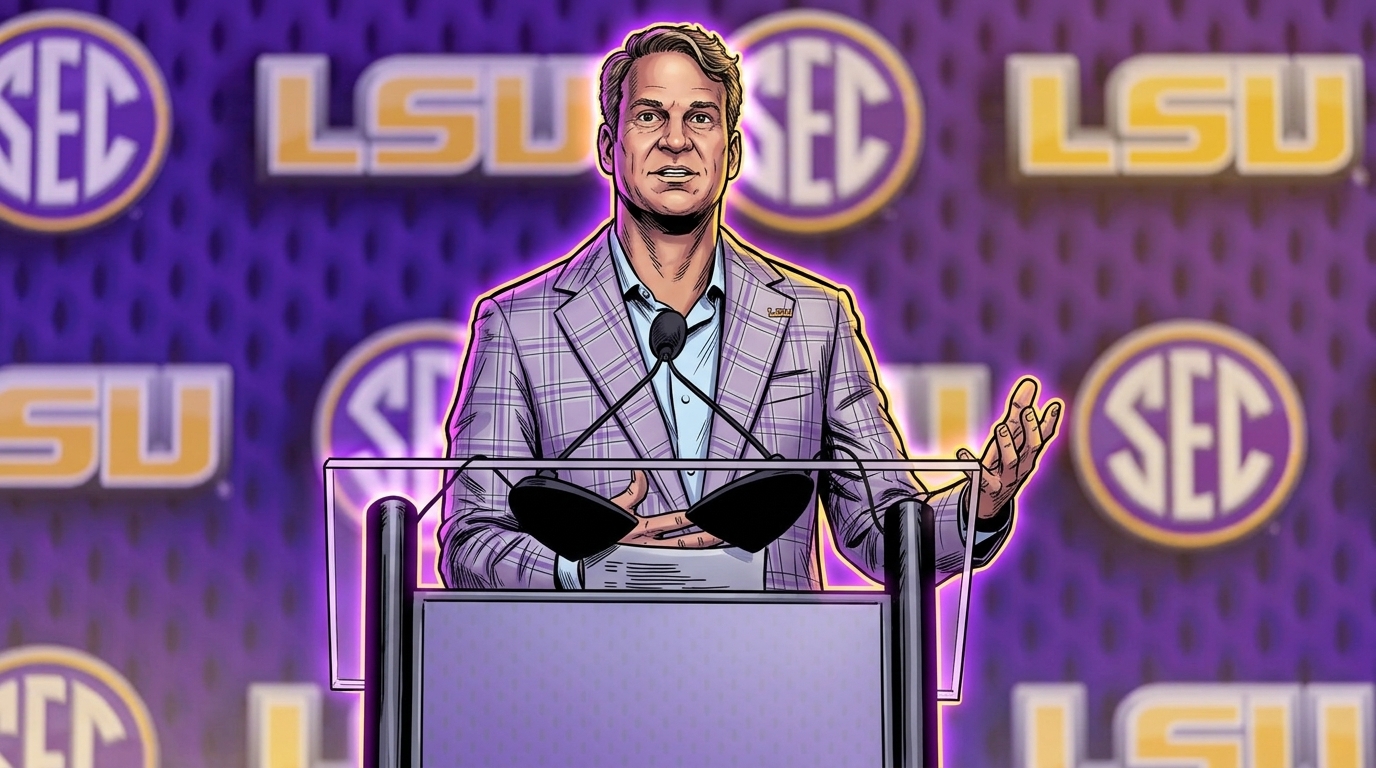

The SEC put out a joint statement this week announcing it just discovered that money corrupts amateur sports, and I don’t buy a word of it. Presidents and chancellors across the conference signed off on language warning that NFL players returning to college would “blur the line between college and professional sports, create significant competitive equity concerns, and reduce opportunities for high school and current college athletes.” Read that sentence next to any SEC roster’s NIL collective and tell me with a straight face which sport you’re describing.
The conference that built NIL money into its recruiting pitch years ago is now acting stunned the line is blurry, and that’s bullshit. What’s actually bothering the SEC is where these three players found their leverage: a Louisiana courtroom Greg Sankey doesn’t control, not a backroom deal he does.
Here’s who actually gets hurt by this outrage: Dae’Quan Wright, Zxavian Harris and Junior Tuihalamaka. Wright and Harris both played at Ole Miss before getting waived, Wright by the Cleveland Browns and Harris by the New Orleans Saints, and both committed to LSU. Tuihalamaka, a defensive end who started his career at Notre Dame, committed on Friday. None of these guys asked the SEC’s permission. They asked a judge.
That’s because 16 players got the court order that started this, a Louisiana state court ruling granting them a fifth year of eligibility and transfer portal access after the NCAA’s new age-based eligibility model somehow forgot to cover anyone who started college in 2022 or 2023. The NCAA wrote a rule with a hole in it, and Wright, Harris and Tuihalamaka found it before the NCAA did. Calling that a scandal gives the NCAA more credit for competence than it earned.
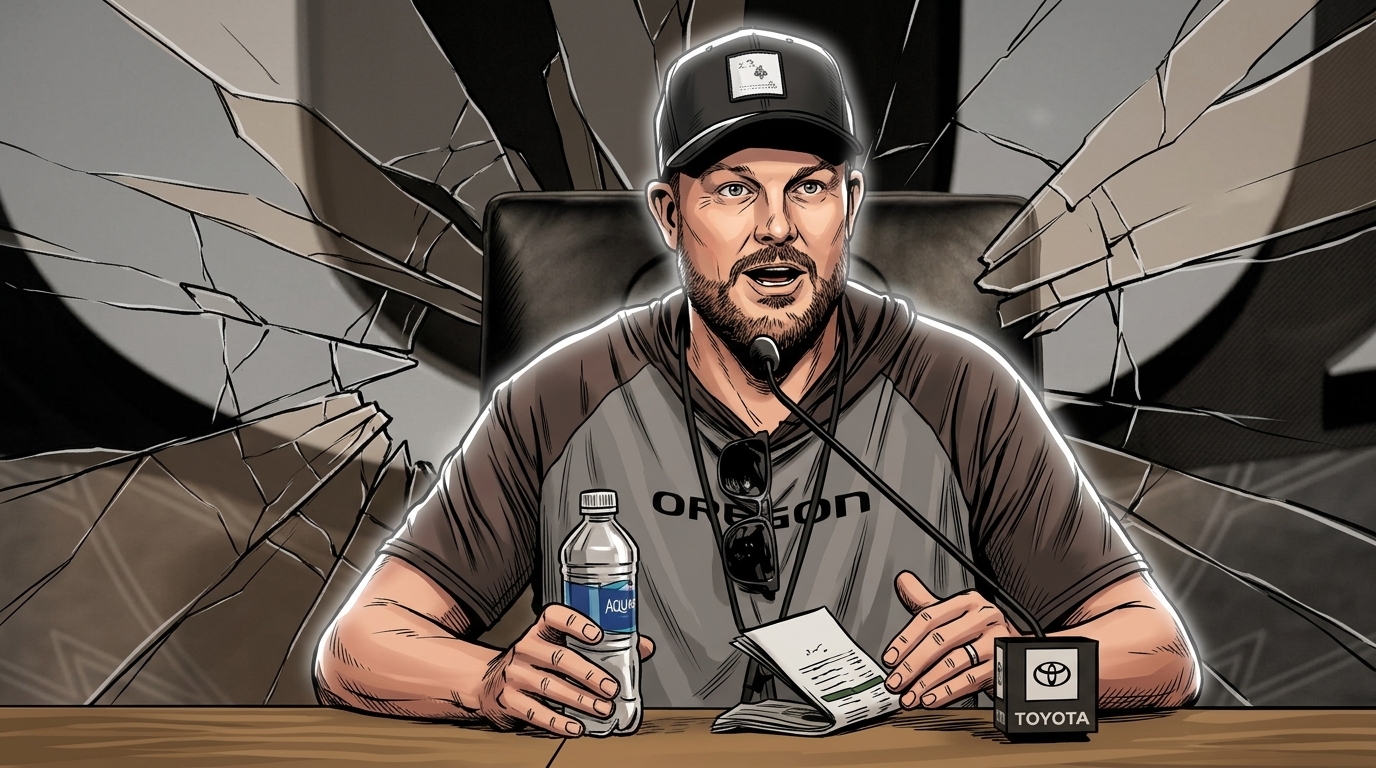
Kiffin’s answer to the SEC’s alarm was almost boring in how obviously right it was: “At the end of the day, because of these rulings, they’re either going to play for you or they’re going to play for someone else around the country.” He didn’t invent the incentive. He just admitted it exists, out loud, on the record, which is apparently the actual crime here. “In my opinion, knowing the information, I think it’s really wrong to be critical of these kids,” he said, and for once I’m agreeing with a Kiffin press conference without waiting for the punchline.
The SEC’s statement insists “college athletes, not former professional athletes, have been at the heart of the Southeastern Conference.” Sure, except the players making that line untrue got paid before they ever saw an NFL contract. Booster-funded NIL deals are older news than any of this. The real competitive equity problem is NFL money touching a college roster in a way the conference didn’t broker itself.
Because here’s the objection that statement never says out loud: Sankey has filed sworn affidavits fighting this exact kind of eligibility ruling before, in the R.J. Luis case tied to St. John’s and LSU, calling the arrangement “a competitive disadvantage and fundamental unfairness.” That’s the SEC’s preferred venue — a private affidavit, argued behind closed doors, decided by people who already agree with the conference going in. Kiffin’s players didn’t do that. They went to open court, in public, in front of a judge who doesn’t answer to Greg Sankey. The SEC isn’t mad the line moved. It’s mad it didn’t get to draw it.
Naturally, the SEC’s own record on federal reform is to lobby for a fix instead of just living with the rules already on the books — the statement calls for pushing the Protect College Sports Act through Congress, the same bill the SEC and Big Ten endorsed back in July. Translation: we’d like federal law to close this loophole, provided we’re the ones who get to write it.
Here’s Kiffin saying the quiet part into a camera, on the record, the same day the SEC’s statement went out:
https://x.com/TreyWallace/status/2091947013818437905
That’s the whole defense, delivered without flinching. It gets uglier when you look at who’s actually walking through Kiffin’s door. Harris spent last offseason ripping Kiffin publicly for leaving Ole Miss for LSU. He’s now signed up to play for the guy anyway, which means either LSU’s staff made one hell of a pitch or a scholarship fixes grudges faster than anything else in this sport. Probably both.
Kiffin’s players keep ending up in court, just never Kiffin, and that’s the part the SEC’s statement never admits. The conference spent a decade building a machine that pays teenagers to sign national letters of intent, and it worked fine right up until three guys with legal standing used that same machine to get paid twice. Wright, Harris and Tuihalamaka didn’t break anything the SEC didn’t build first. They used the door the conference left open, and now the conference is mad someone walked through it without asking permission.