
What does it mean when three power conferences write the same emergency rule within two days of each other and none of them announce they talked first? We’ve been watching the NFL-players-in-college loophole story build for about a week now, and this week gave us the answer. It’s not one league office panicking. It’s the entire sport quietly admitting it had a problem nobody planned for.
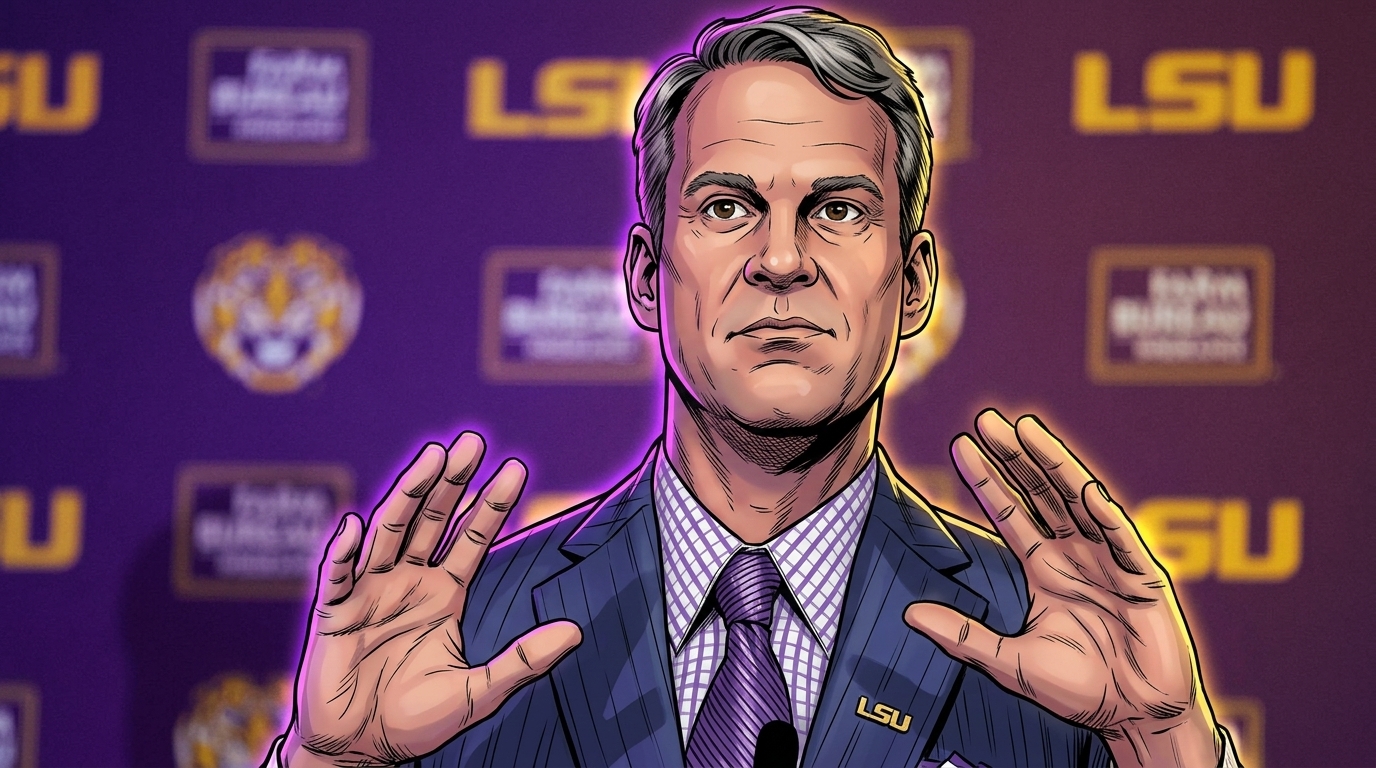
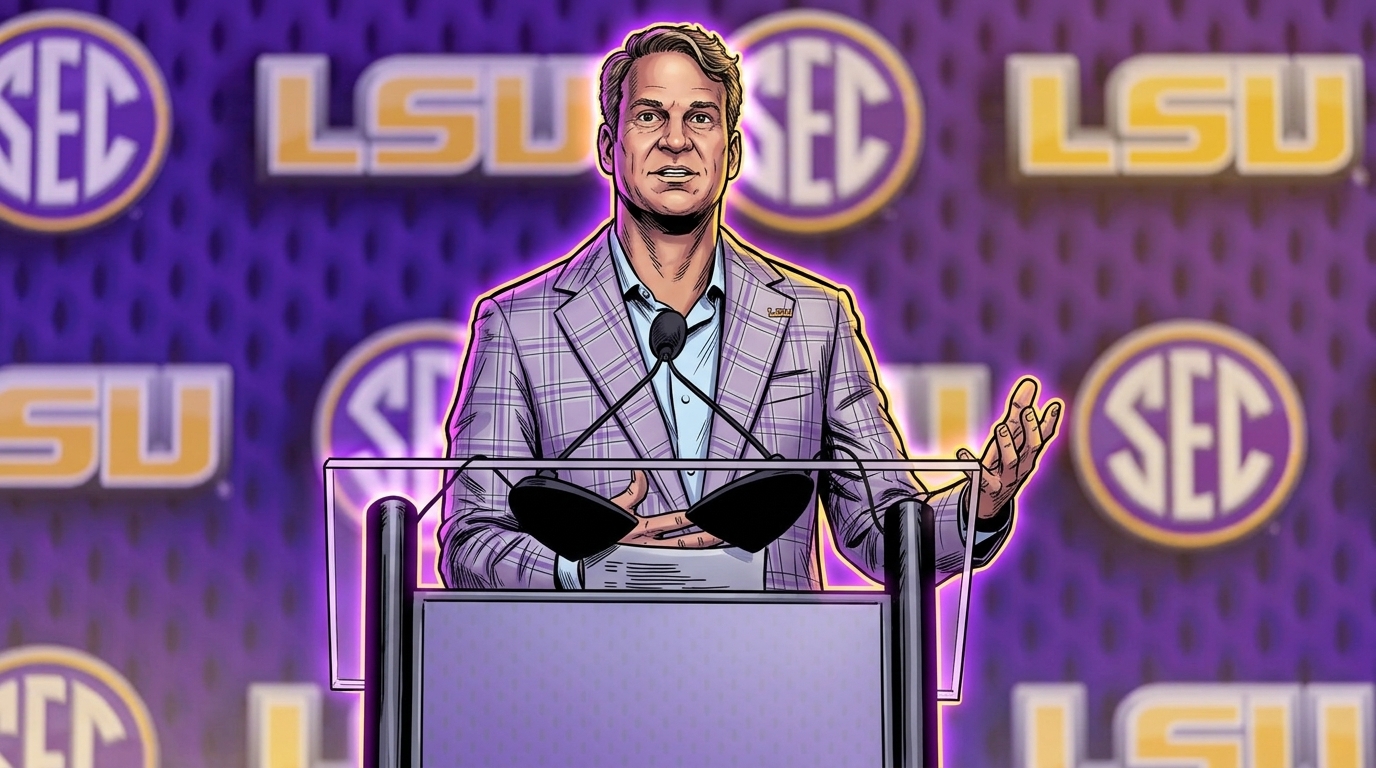
The origin point is a Louisiana court, which granted temporary restraining orders letting NFL players cut in camp go straight back to their old college rosters — Cleveland Browns tight end Dae’Quan Wright chief among them, who tried to rejoin Lane Kiffin’s LSU team for a fifth season. That part of the story is already told; the court order that started all of this has been covered here, and the SEC’s statement on the LSU situation laid out the league’s early objections. What’s happened in the days since is the more interesting part. Three power conferences independently landed on near-identical bans within 48 hours. One conference didn’t move at all.
Three Leagues, One Rule, No Announced Coordination
The SEC went first, at least publicly. Presidents and chancellors voted 16-0 on Tuesday to bar athletes who’d declared for the NFL, NBA, or WNBA draft without withdrawing, signed a pro contract, or appeared on a pro roster. Commissioner Greg Sankey got enforcement discretion, and the league’s framing was blunt: college sports are for college athletes, and letting players move freely between the pro and amateur ranks blurs a line the SEC doesn’t want blurred.
The Big Ten voted the same day and went further on teeth. Its unanimous ban borrows penalty language from the NCAA’s “ghost transfer” rule: a 50% game suspension for the head coach, plus a fine equal to 20% of the program’s football budget — a number an athletic director has to explain to boosters, not a line item anyone shrugs off. The Big 12 followed Wednesday, unanimously adopting a rule that bars member schools from adding pro athletes not just in football but in any conference-sponsored sport, according to the Washington Times. The Big Ten’s own ban had set the template two days earlier. The Big 12 just widened it.
Three leagues, three separate votes, one shared instinct. Nobody issued a joint statement. Nobody credited a sister conference for the language. And yet the rules landed close enough to read like they came out of the same legal department’s copy-paste folder (they didn’t — they came out of three different ones reaching the same conclusion at the same speed, which is the stranger fact of the two).
Why Are Conferences Banning NFL Players From Returning to College Football?
Because a court order created a real loophole: NFL players cut before final rosters could, under temporary restraining orders, return to college teams with eligibility intact. Three power conferences worried that left unchecked, it would let programs stockpile pro-caliber talent through a legal workaround instead of recruiting, so they moved to close it before a single season got weird.
The ACC has been discussing the same issue for days now and still hasn’t landed on a vote or a rule, while three peer conferences already have. Meanwhile NFL executive Troy Vincent used league meetings Wednesday to reiterate where the pro side stands: any player who goes back to college is ineligible to play in the NFL in 2026 and becomes a free agent for 2027, per the Washington Times report on the Big 12’s vote. So the framework on both sides is now set. College football wants the loophole closed. The NFL wants players who use it gone for a year. The only power conference still weighing its options is the one that’s supposed to be setting the pace on institutional issues like this one.
The NFL Side Doesn’t Know What to Make of It Either
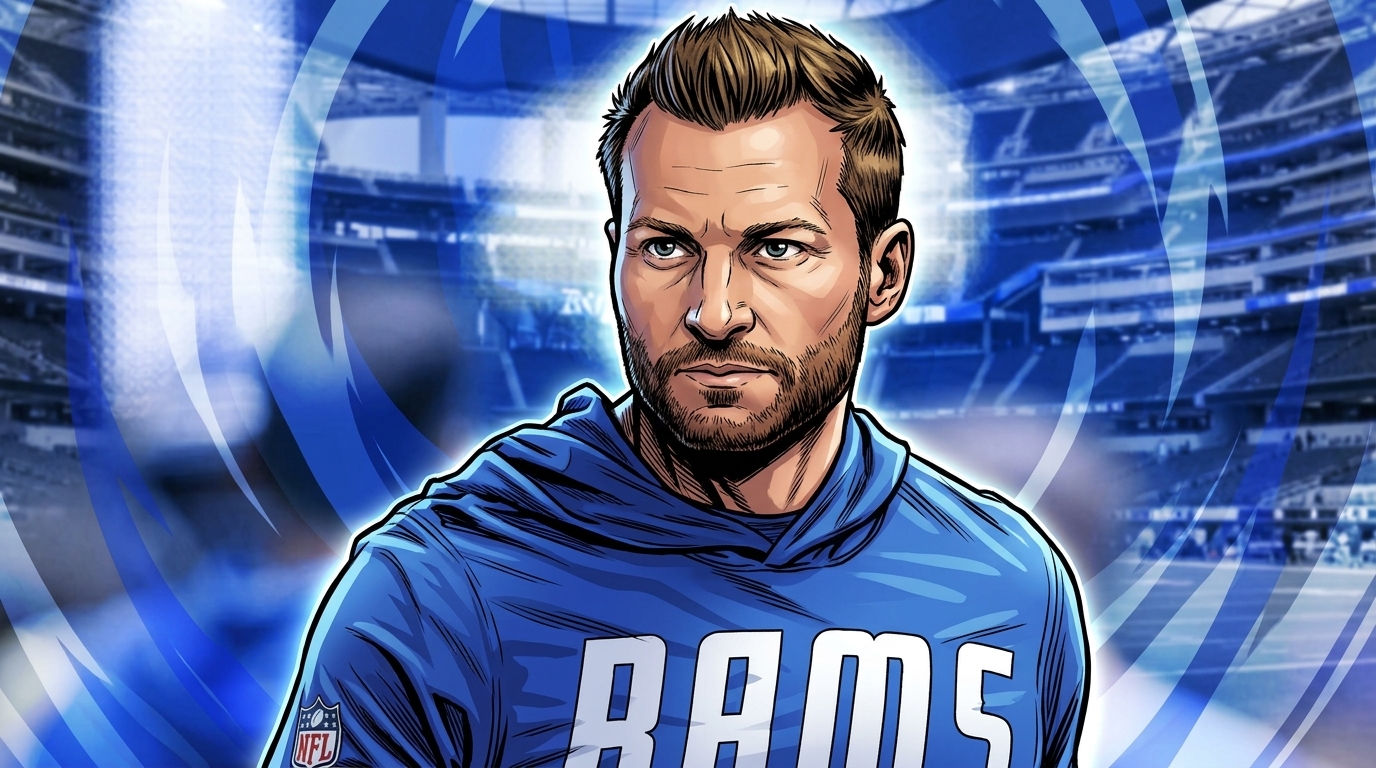
On the pro side, this reads like a rule from a different sport entirely. Los Angeles Rams head coach Sean McVay put it about as plainly as a coach can when asked about it this week: “I feel like I took a freakin’ gummy. I can’t even comprehend this stuff. It’s wild. I don’t know enough about it, other than the fact that guys that can be in NFL camps, if it doesn’t go down for them, can go back to college,” McVay said, sounding less like a coach with a stance and more like a guy hearing about it secondhand for the first time.
The reaction spread fast enough that beat writers were tracking it in real time:
https://twitter.com/PeteThamel/status/2092243505640767948
That’s the tenor across NFL media this week: bewilderment dressed up as a shrug, because the rule genuinely doesn’t touch the pro side’s roster math.
Robert Griffin III wasn’t shrugging. The Heisman winner turned ESPN analyst called the situation “gross negligence,” said it amounts to “a disservice to the current college players on any roster,” and added that any coach or school that allows it “should be ashamed of themselves,” Griffin said. Put McVay and Griffin next to each other and you get the entire split in one frame. The NFL side finds this bewildering because it doesn’t affect them. The college side finds it infuriating because it affects every scholarship player on a roster below whoever’s exploiting the workaround.
I think the real story here is the speed gap, not the rule itself. Three power conferences treated a legal loophole as an emergency and wrote functioning language within 48 hours without needing a lawsuit filed against them first. That’s not bureaucratic luck. I believe it reflects which conferences have legal departments built to move the moment exposure appears, and which ones are still operating like the lawsuits will sort themselves out. The ACC isn’t wrong that this deserves real deliberation (rushed rules have a way of creating new loopholes of their own). But three peer conferences already ran that math and landed in the same place inside two days, and “still discussing it” starts to look less like caution and more like an admission that nobody in that room wants to be the one who signs off first.
What happens next probably depends on whether Wright, or a player like him, tries to force the issue again before the ACC finishes deliberating. If that happens while the ACC is still without a rule, the conference won’t get to choose the terms of its own decision anymore. A court will choose for it, the same way one already did once this month.