
We’ve watched enough team-defends-coach cycles to know the metric everyone reaches for (who spoke up first) is usually the wrong one. Two days after Stephanie White delivered the most complete defense of her own job that the Indiana Fever’s ongoing saga has produced, Aliyah Boston and Kelsey Mitchell stood up at practice and made the case all over again, unprompted, well after anyone needed them to.
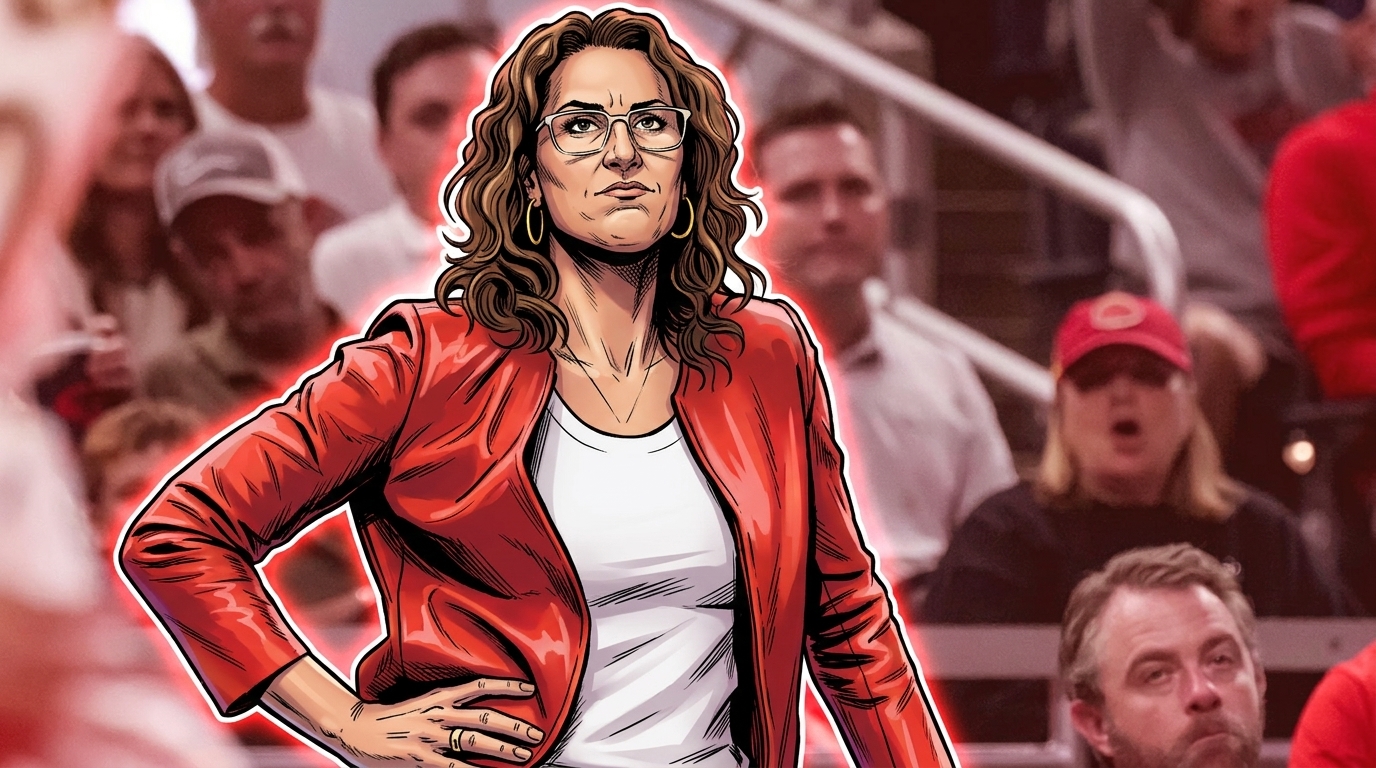
The origin point is a single possession. On August 8, Chicago’s DiJonai Carrington fouled Sophie Cunningham on a layup attempt; officials reviewed it live and upgraded the call to a Flagrant 2, ejecting Carrington. White called it “the right call” in her postgame press conference, but she also defended Carrington’s intent: “She’s going to play her butt off. She’s going to compete. Nobody’s going to go walking in for a layup, so I don’t oppose the hard foul, but I don’t think she intentionally went for the neck.” That’s a complicated thing to say two days before the story got national attention, and it’s the sentence that set off everything that followed.
That anger didn’t stay contained to message boards. Over the weekend, Indiana’s lieutenant governor publicly called for White’s firing (a genuinely strange sentence to type about a sitting WNBA coach over a foul she didn’t commit, but here we are). By Tuesday, fans at Gainbridge Fieldhouse were booing White during pregame introductions, hours before Indiana hosted the New York Liberty.
White didn’t wait for anyone to speak for her. In a 2.5-minute pregame statement that same day, she said she hadn’t seen the foul live, or even before her Saturday press conference, and closed with a line that needed no follow-up: “Everybody else can go to hell.” It’s about as clean a rebuttal as a coach can deliver in a news cycle that badly wants nuance to lose. I think that statement, on its own, should have ended the story.
The team’s own account posted the moment before most outlets had finished transcribing it:
https://x.com/IndianaFever/status/2087318100253221000
That’s not a franchise burying an awkward moment. That’s a franchise amplifying it.
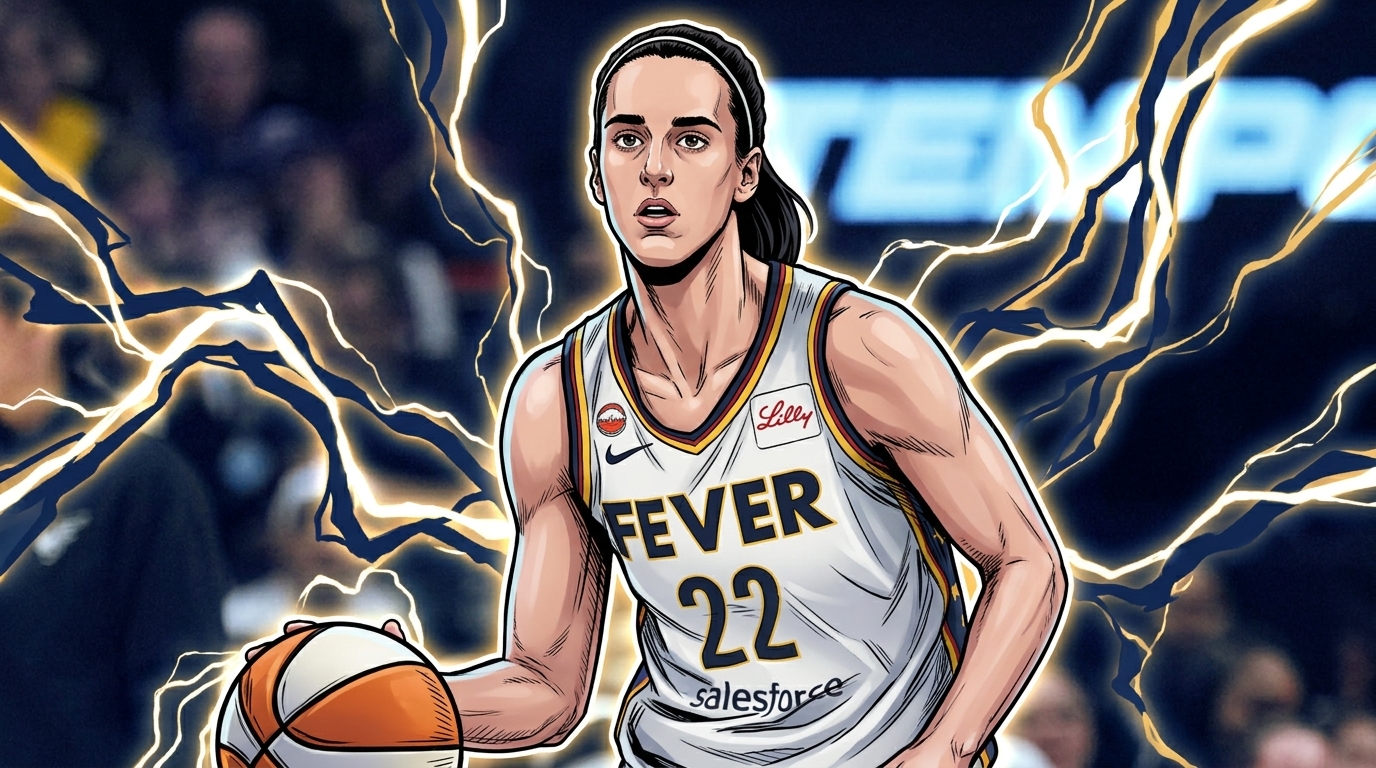
Indiana beat the Liberty 106-92 that night. Kelsey Mitchell scored 28, stretching her streak of 20-point games to 17 straight, an all-time WNBA single-season record. Aliyah Boston added 19 points of her own. If the plan was to answer noise with basketball, it worked in the most literal way available.
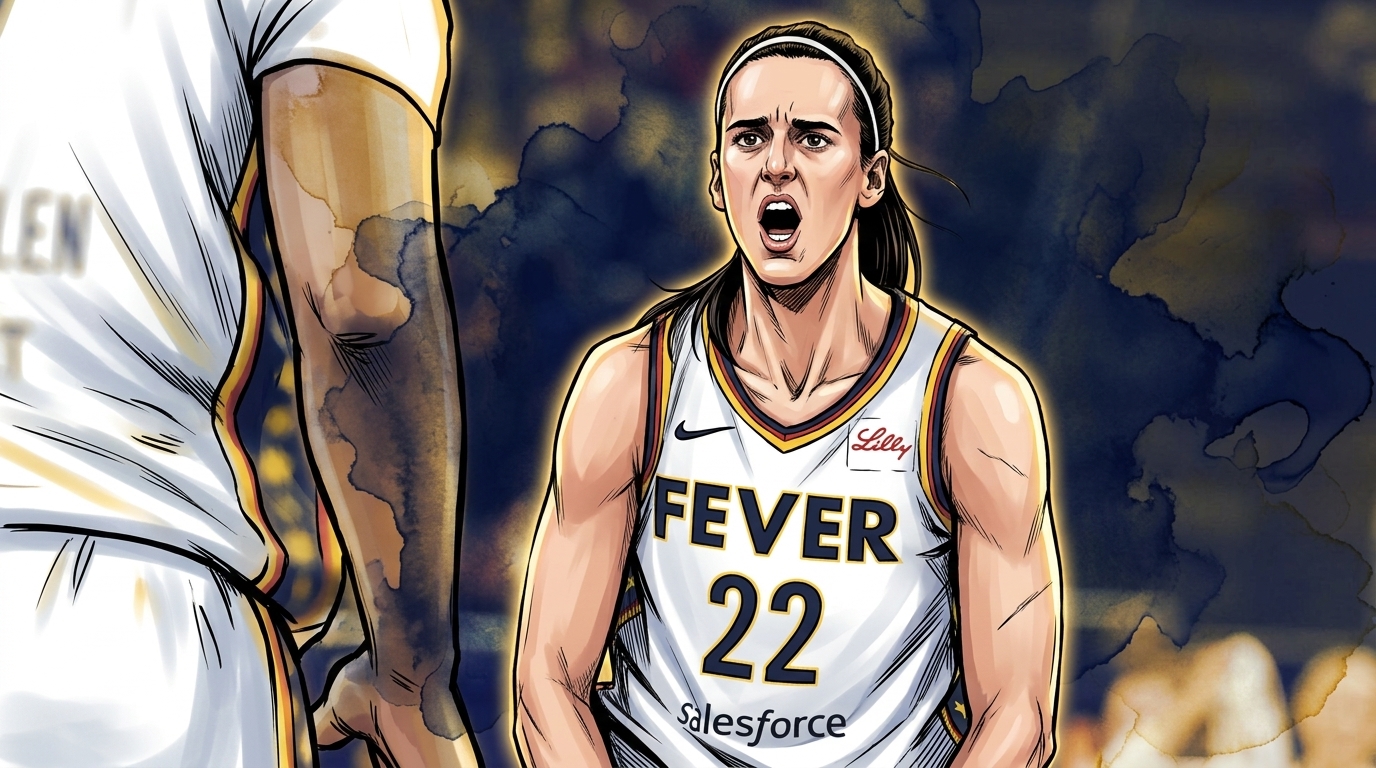
Cunningham, the player White was actually defending, downplayed the entire premise afterward. “Our locker room in there, it’s tight, and we have each other’s backs,” she said. “Coach loves us. She didn’t see the clip … and that’s OK. Me and Steph are great. Steph is great with all of us, and so it’s really the outside noise that’s trying to distract us, but we’re good.” Caitlin Clark went further, saying the boos made her physically ill: “I hated that our fans booed her before the game. That made me a little sick, to be honest.” She added: “That’s our head coach, and we’re going to ride for her.” Clark’s own defense of her coach landed the same night the story broke, which is the normal, expected shape of a team closing ranks.
What happened two days later isn’t normal, or expected. By Thursday’s practice, the news cycle had moved on (White’s statement was old, Indiana had won, the lieutenant governor had presumably found a new target). And yet Boston brought it up herself, calling the boos “really annoying, honestly, and disrespectful”: “I think when you are on your home floor and your team is getting announced and the coach is getting announced, I feel like there is no reason for any of that … We love her and we appreciate her.” Mitchell did something even more pointed. She turned and spoke directly to White at the podium — “Coach, this is for you” — before adding that watching White feel undervalued got to her personally: “our culture is not going to let her fall to the wayside.”
This is the part worth sitting with. Nobody needed Boston or Mitchell to say any of that. White had already won the argument in the room that mattered, in her own words, on her own terms, days earlier. A team defending its coach the night a controversy breaks is loyalty as reflex. A team choosing to bring it back up, unprompted, after the story had already cooled, is loyalty as conviction. That’s the real headline the Fever produced this week, buried under a simpler one about boos and a blowout win.
There’s a detail the boos skipped past entirely. White isn’t reaching for generic diplomacy about a rival player she barely knows. She coached DiJonai Carrington for two seasons in Connecticut, from 2023 to 2024, before taking the Fever job. When she says she doesn’t believe Carrington went for Cunningham’s neck on purpose, she’s speaking from two years of watching how Carrington actually plays, not guessing at a stranger’s intent. That read deserved more benefit of the doubt than a pregame chorus of boos gave it.
None of this happens in a vacuum, either. The dysfunction narrative that’s followed this Fever team all season (hierarchy questions, locker-room chemistry, whether Clark and White are actually aligned) is exactly the frame that made lieutenant-governor-level overreaction possible in the first place. A hard foul against a teammate became a referendum on the coach’s job security because that appetite already existed.
I believe this settles the way it should: White stays, the noise fades, and the record does the rest of the talking. Indiana has too much continuity and too much on-court success for a bad-faith read of one flagrant foul to actually cost a coach her job. But the more durable story here isn’t the boos, and it isn’t even White’s Tuesday retort, however well it played. It’s that three separate players, across two separate days, decided the case needed making twice. Watch how the Fever talk about this the next time a referee review goes against them, or the next time a broadcast brings up “team chemistry” on air — that’s where this actually gets tested, not at Thursday’s podium.