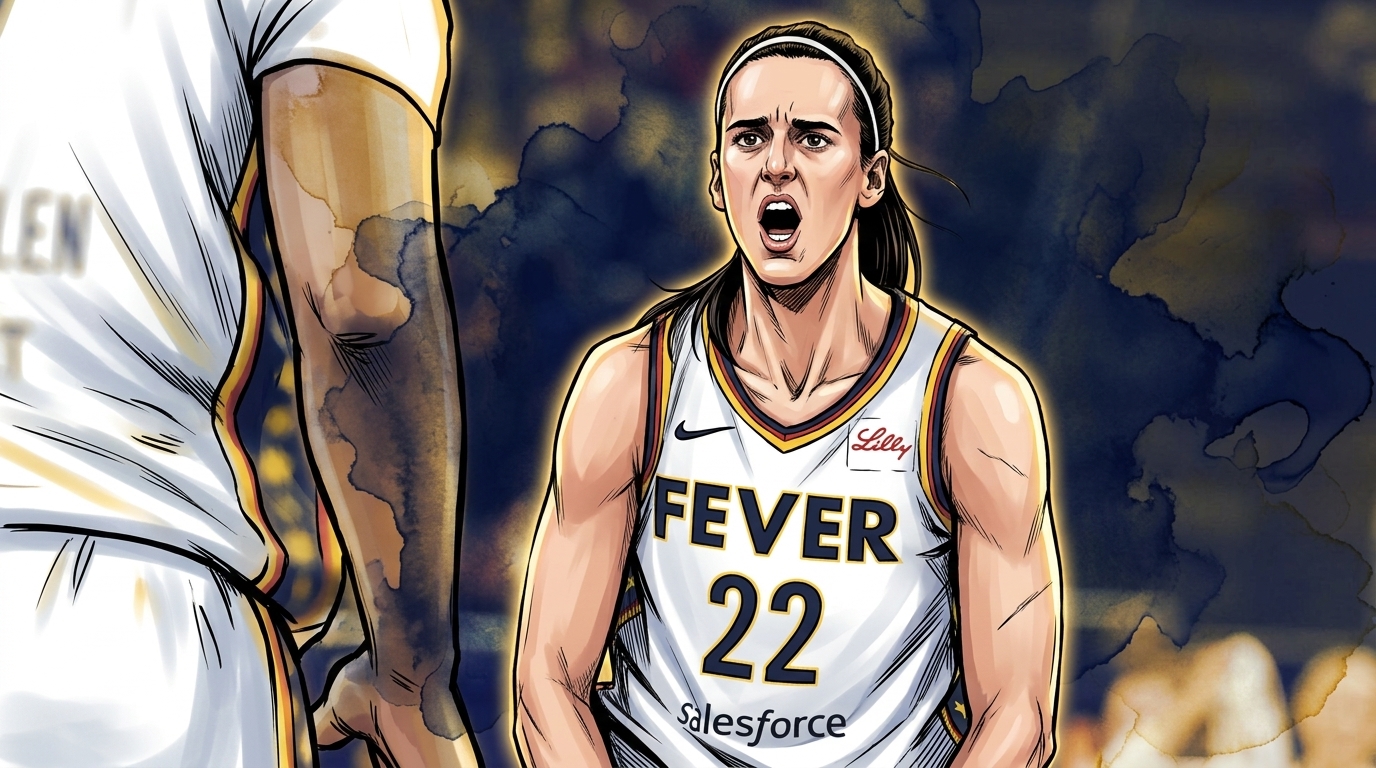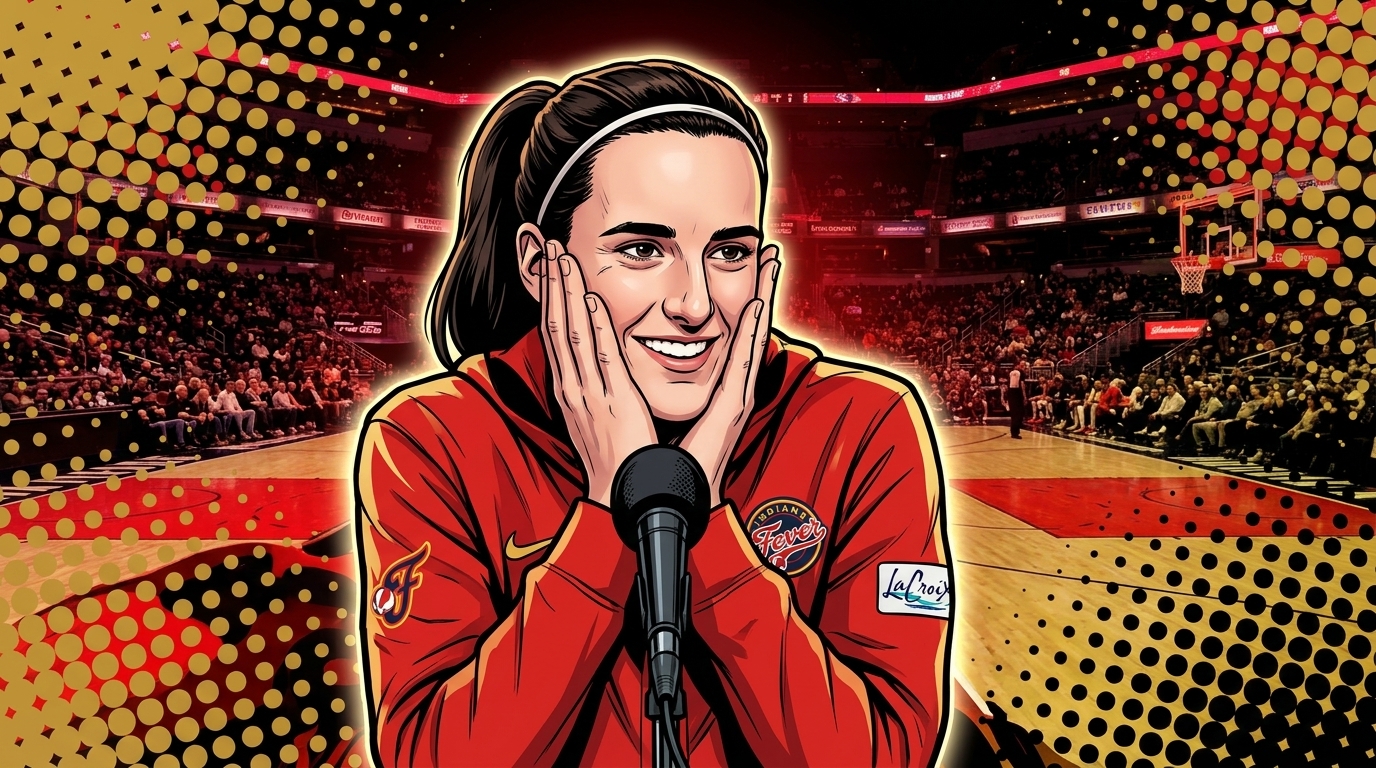
The narrative was already written. Two bad road games, a benching, a visible sideline disagreement with Stephanie White, and the discourse machine was fully operational: Clark is struggling, Clark is clashing with her coach, Clark is — and this is always lurking underneath — evidence that the WNBA can’t sustain real star power. And then she said “I ride for Steph. I ride for these girls. Steph has my back more than anybody.” And the whole thing collapsed.
That’s not a PR line. That’s a dismantling.
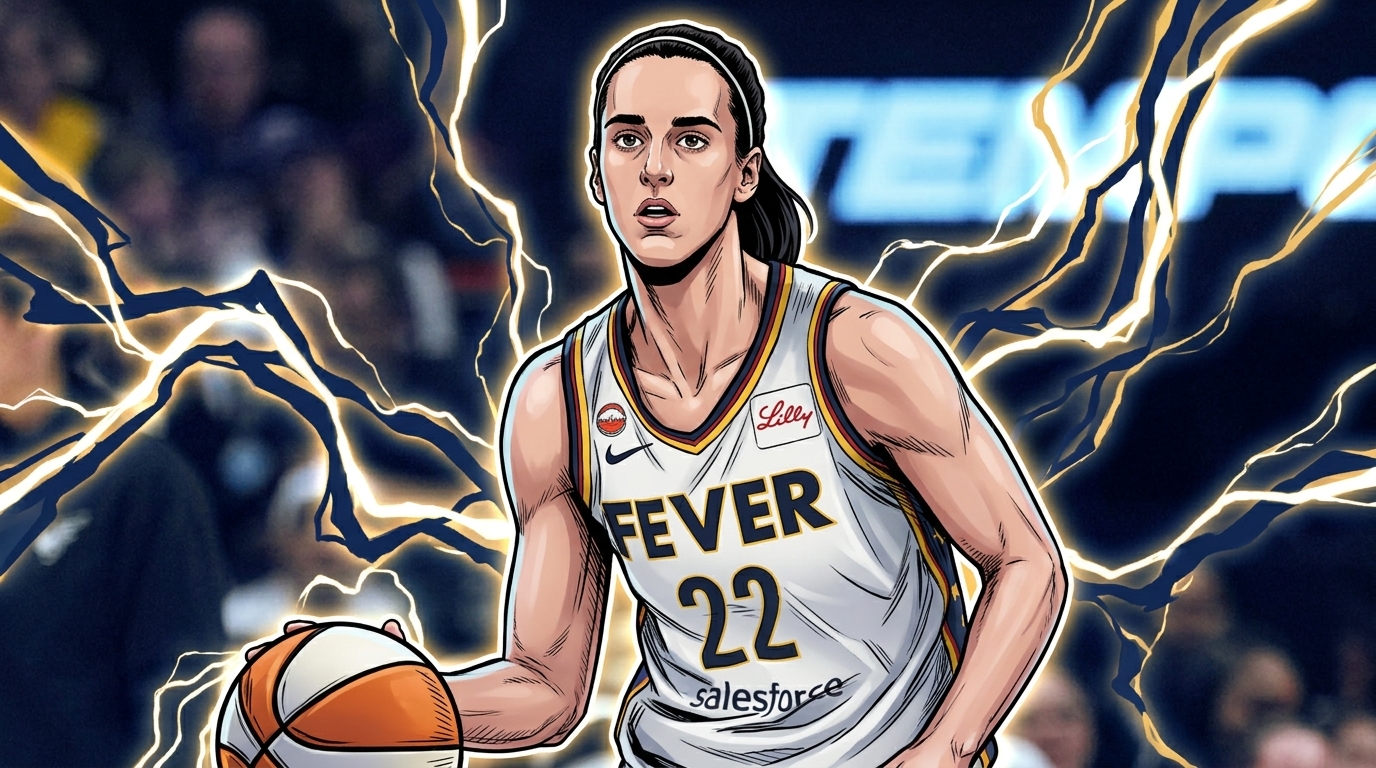
Here’s what actually happened. In a May 30 road loss to the Portland Fire — 100-84, ugly game — Clark had 6 points on 1-of-7 shooting with 5 fouls in 22 minutes. White benched her in favor of rookie Raven Johnson. Add a similarly rough outing against the Valkyries and you’ve got two bad road games, 22 points on 4-of-19 combined. That’s a bad week. That is not a slump. A player averaging 22.5 points and 8.5 assists per game does not have slumps measured in two-game samples. She has bad road trips.
The Caitlin Clark Stephanie White bench story, as it was being told last week, required you to believe several things simultaneously: that Clark was in freefall, that the relationship with her coach was fractured, and that this somehow said something definitive about Clark’s ability to anchor a franchise. All three were wrong.
What Clark said after the game was more revealing than any postgame box score. “When I got hurt at the Connecticut game last year, I balled in Steph’s arms.” That sentence is doing a lot of work. It’s not an endorsement offered to deflect a bad night. It’s a correction of the record — she knows exactly what story is being told and she’s choosing a different one.
This is the part that should actually bother us.
Every time Clark has a bad game, it becomes a referendum on whether the WNBA is “real” — whether the product is legitimate, whether the star is genuine, whether the league can hold our attention without the novelty factor. You don’t see that reflexive re-litigation happen to Sabrina Ionescu after a tough shooting night. You don’t see A’ja Wilson’s rough quarters turned into think-pieces about the state of women’s basketball. Clark gets it because she came in with the cultural weight of a movement, and every dip in her performance is treated as evidence for people who were never going to believe in her anyway.
Clark has consistently refused to play that game. The “I ride for Steph” quote isn’t just a statement of loyalty. It’s a choice about what the story is going to be. She’s not performing conflict for clicks. She’s not giving anyone the fracture they were looking for. She decided the story is: coach had my back when I was hurt, I have hers now, we move.
That’s not something you can catastrophize around.
The thing about watching Clark since she came into the league is that she’s actually gotten sharper at this — at controlling what the narrative is about. She’s 24. She’s operating in a media environment that will manufacture a crisis if she gives them one and sometimes even if she doesn’t. What she’s learned is that the most effective response isn’t a press conference full of careful caveats. It’s one sentence that makes the whole premise look small.
“I ride for Steph” is that sentence.
The Fever are going to be fine. Clark is going to be fine. There will be more bad road games because she plays 40 of them a year. The discourse machine will fire back up each time. And she’ll keep not giving it what it needs.
For a WNBA that’s trying to build durable star power — not just a one-season viral moment but something that sustains — that matters as much as the 22.5 PPG. Stephon Castle’s x-factor role is the league’s biggest story right now on the men’s side, but Clark refusing to let her bad week become a crisis is its own kind of clutch performance.
Bad week. Good quote. Move on.