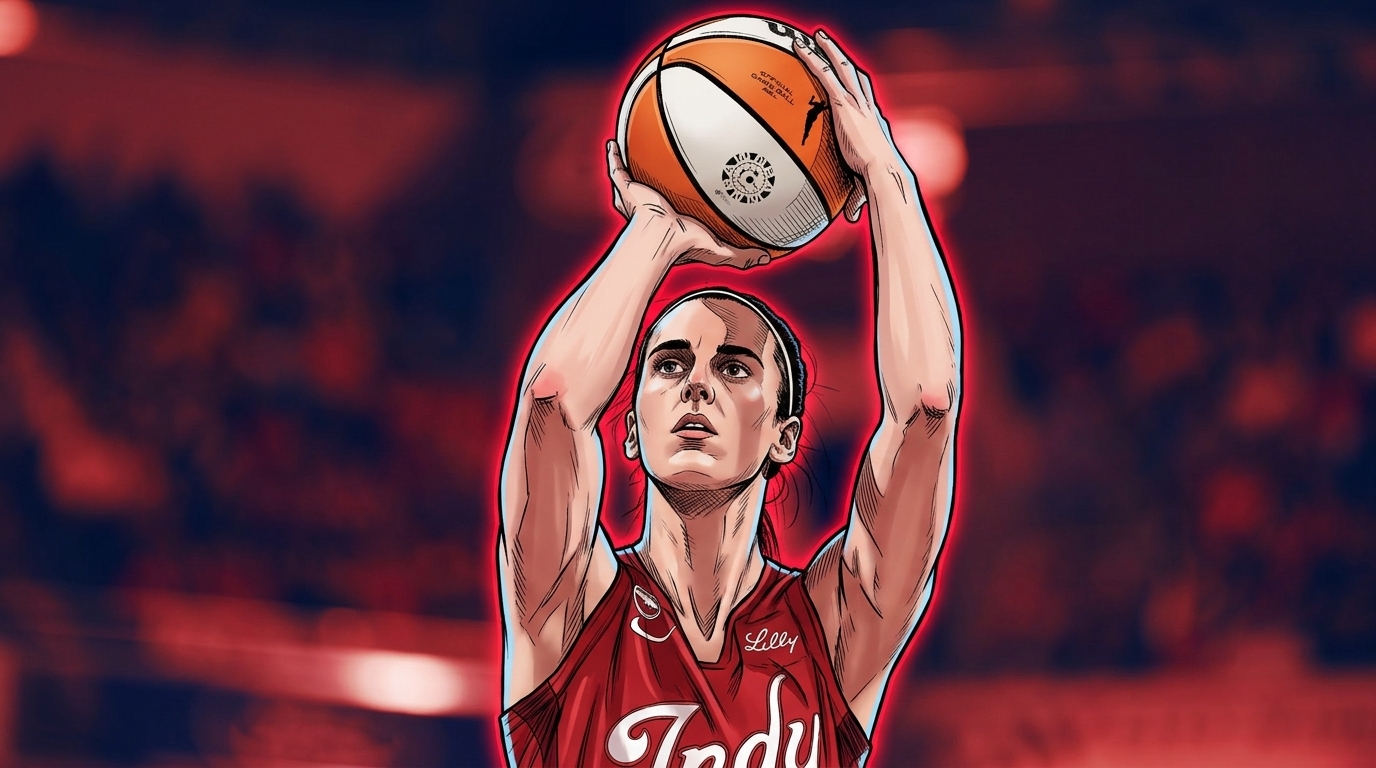

On the podcast I co-host with a friend from UT, we joke that the actual episode barely matters once the group chats get hold of it. I’ve watched whole reality show seasons get reduced to one out-of-context clip, argued over for a week, while the finale itself plays to what amounts to a bystander audience. It’s a reliable pattern on our little corner of the internet, 200 listeners tops, that stopped surprising us years ago. Then Friday night happened, and the exact same machine showed up on a basketball court.
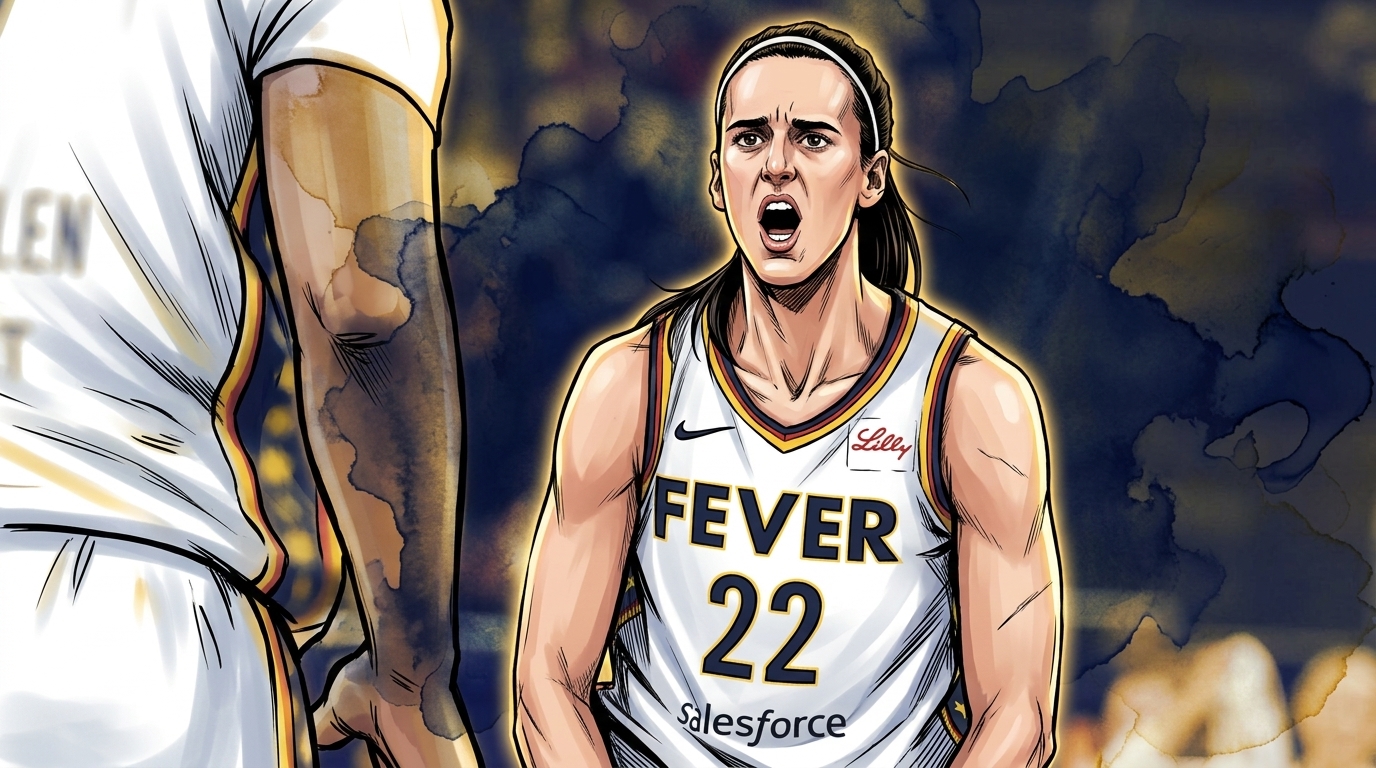
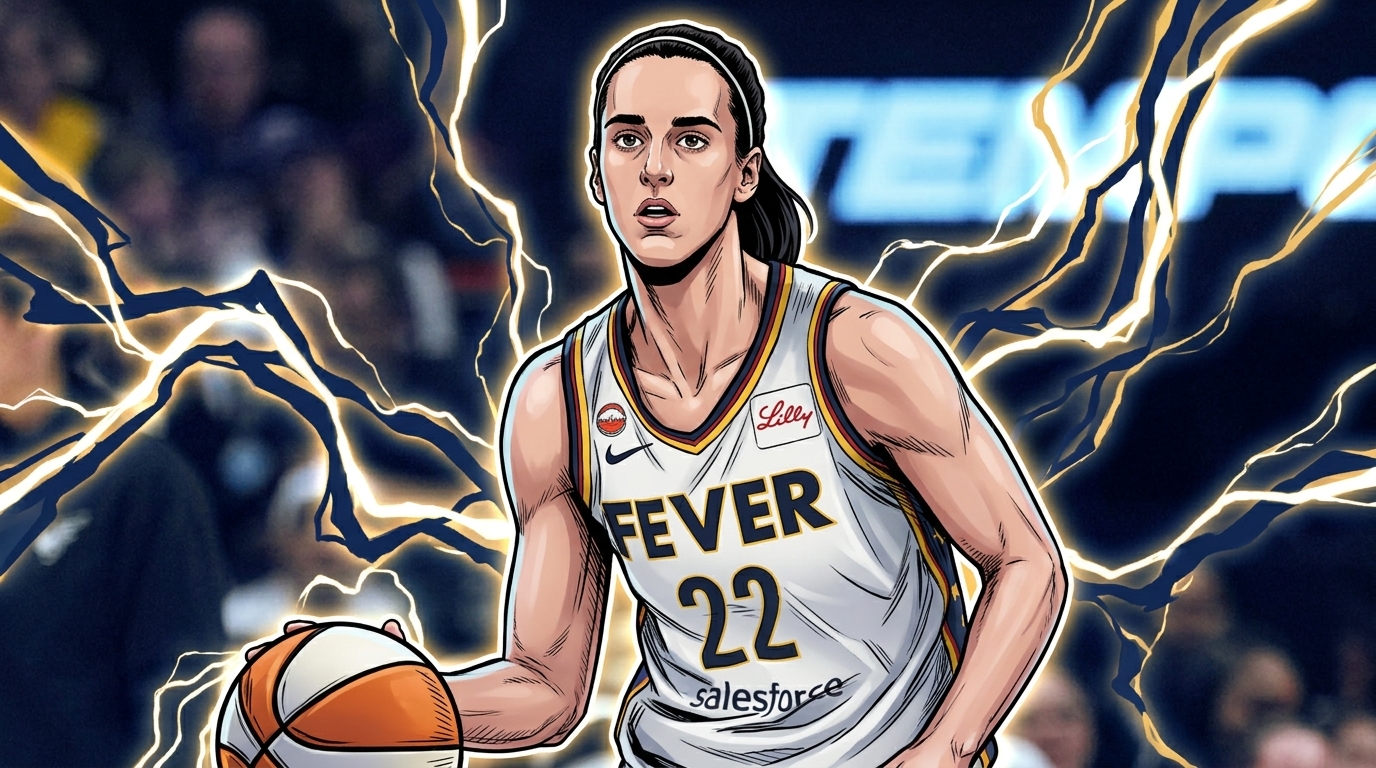
Caitlin Clark put up the best individual stat line in WNBA history: 45 points, 10 assists, four steals, and two blocks in 29 minutes, on 11-of-18 shooting, in a 110-107 Indiana Fever win over Seattle, the first 40-point, 10-assist game the league has ever recorded. Within the same news cycle, the conversation had already snapped back to lawmakers, a disputed no-call, and a canceled radio hit. That’s not a Clark problem. It’s the same audience behavior I watch every week on that podcast: handed a genuinely great text to sit with, a chunk of the crowd will always route around it toward whatever fight they’d rather be having, and what that says about them matters more than what it says about her.
The podcast parallel keeps nagging at me because the mechanism is identical: an artifact gets released, and a slice of the audience treats it as the excuse for an argument they wanted to have regardless of what got released. A historic box score is supposed to be strong enough to hold a sports news cycle on its own. This one wasn’t, and the reason people couldn’t sit with 45 points for even a full afternoon says more about what they wanted from Clark than what she actually did on the court.
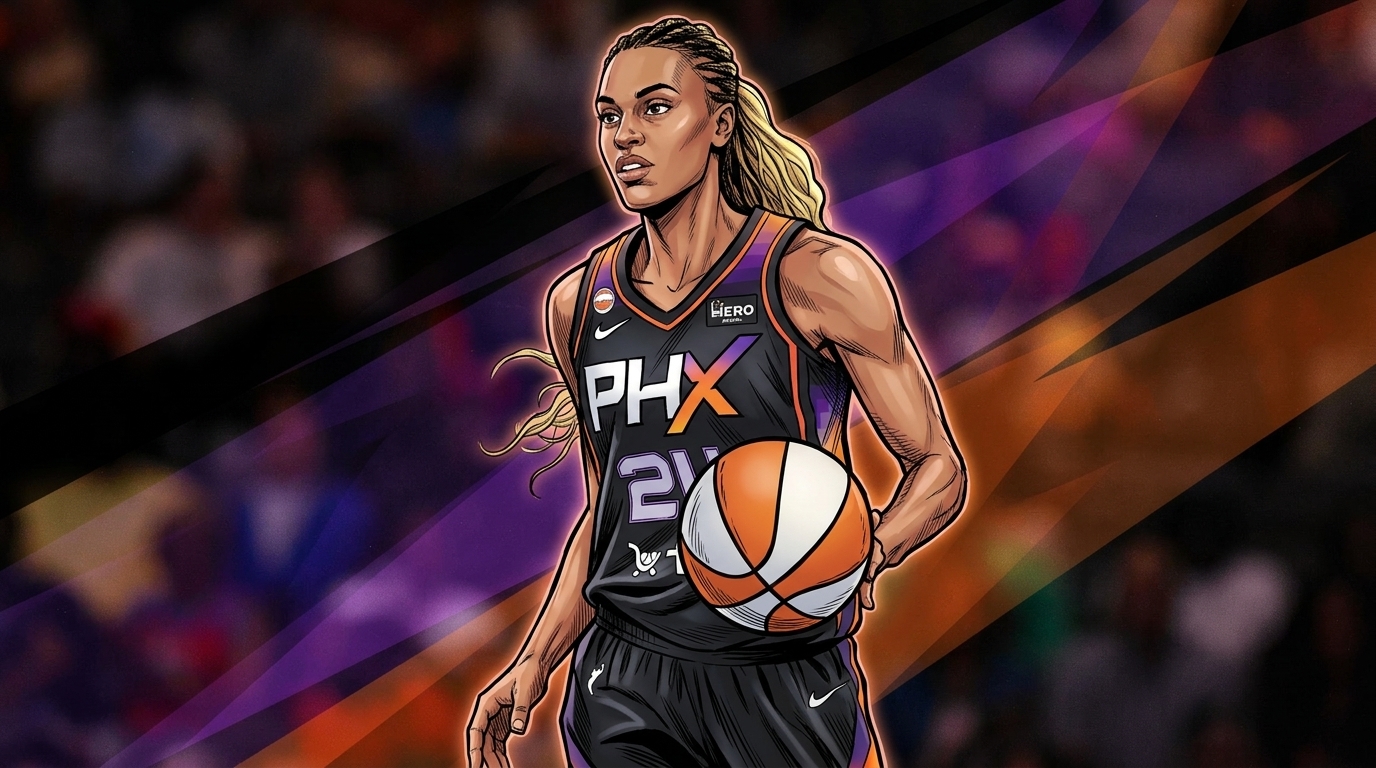
None of this started Friday. Back in June, Phoenix’s Alyssa Thomas made contact with Clark’s throat during a game, a play that drew a one-game suspension before the league upgraded it to a flagrant-2, and that single incident kicked off weeks of argument about how officials let games involving Clark get physical. It’s a Clark problem the league won’t name, and the pattern was fully formed long before Friday’s tip-off.
By early July, the argument had migrated from sports media into Congress. Eleven members of the House Republican Study Committee, led by Texas Rep. August Pfluger, sent Commissioner Cathy Engelbert a letter accusing the league of tolerating what they called repeated acts of physical hostility toward Clark, citing the hip-check, the eye poke, and the throat contact, and warning they’d back a federal civil rights investigation if she didn’t respond. Whatever you think of the letter’s motives, it moved the question of how hard Clark gets fouled into a policy debate. That’s a strange destination for a basketball story.
Engelbert, for her part, canceled a scheduled sit-down on The Dan Patrick Show in the middle of all this, and the cancellation became its own small controversy about how the league handles its own PR, not unlike Engelbert getting booed at her own Commissioner’s Cup presentation earlier this season. The commissioner can’t seem to say anything about Clark right now without making news for saying it.
Even Friday’s game wasn’t allowed to just be a game. There was a disputed no-call on a Clark defensive possession against Flau’Jae Johnson, and by the next morning Jason Whitlock was on the record calling Clark’s fanbase (he uses the word “Cult”) a “delusional fan base and entitled, victim mentality,” arguing the missed call would convince other players the officiating is rigged in her favor. It’s one more round in the same media gatekeeping fight that keeps flaring up around her coverage, sports media personalities treating Clark’s box scores as raw material for an argument about who gets to be the loudest voice in the room.
Then there’s Adam Silver. Addressing the Thomas suspension fallout at the CNBC Boardroom Game Plan Summit, the NBA commissioner said Clark “has become a bit of a political football in this country,” called that “incredibly unfair to her,” and added that the whole mess “isn’t ultimately about officiating.” He called it “political ping-pong.”
He wasn’t being clever. He was describing, in real time, the exact mechanism I’ve been describing here.
Sports media reporter Richard Deitsch put it more plainly than I’ve managed to:
https://x.com/richarddeitsch/status/2077450710019391797
He’s not a Clark partisan and he’s not a critic looking for a fight, which is exactly why the tweet lands — a credentialed voice with no stake in either side naming the engagement-farming out loud, then adding, almost as an afterthought, that the actual basketball was really good.
Clark herself keeps declining to play her assigned part in any of it. By every account, she treated Friday’s 45 the same way she treats every other personal number: mention it once, set it down, talk about the win instead. That instinct is the one thing in this entire story that hasn’t changed since Iowa. Everyone around her has built a congressional letter, a canceled interview, and a rotation of cable segments out of a conversation she never asked to be the subject of, and the part that actually unsettles me is that the discourse doesn’t need her cooperation to keep running. It has enough fuel of its own. I don’t know what happens to that machine on a night she doesn’t score 45, and I’m not sure anyone currently feeding it does either.