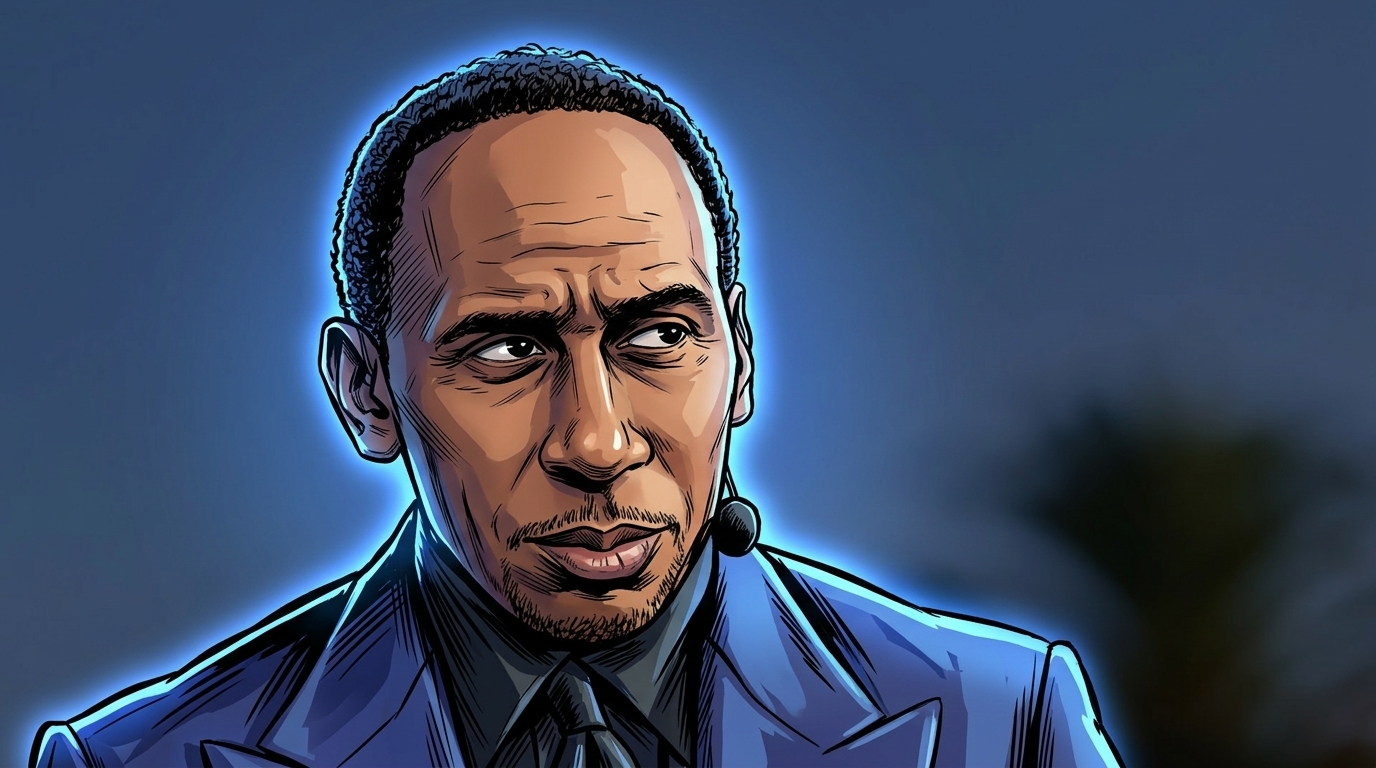

There’s a thing that happens in sports media that I’ve started calling the praise loop. A commentator says something cutting about a player or a league or a union: something that functions, on the surface, as concern. And then, when the thing they doubted succeeds anyway, they return to praise the outcome as if their earlier alarm was simply good counsel delivered ahead of its time. The loop is self-sealing. Doubt, dismissal, success, credit. The commentator’s position is always vindicated, even when reality runs directly against it.
I think about this whenever a man with a $100 million ESPN contract tells a women’s league what it can and cannot afford to do.
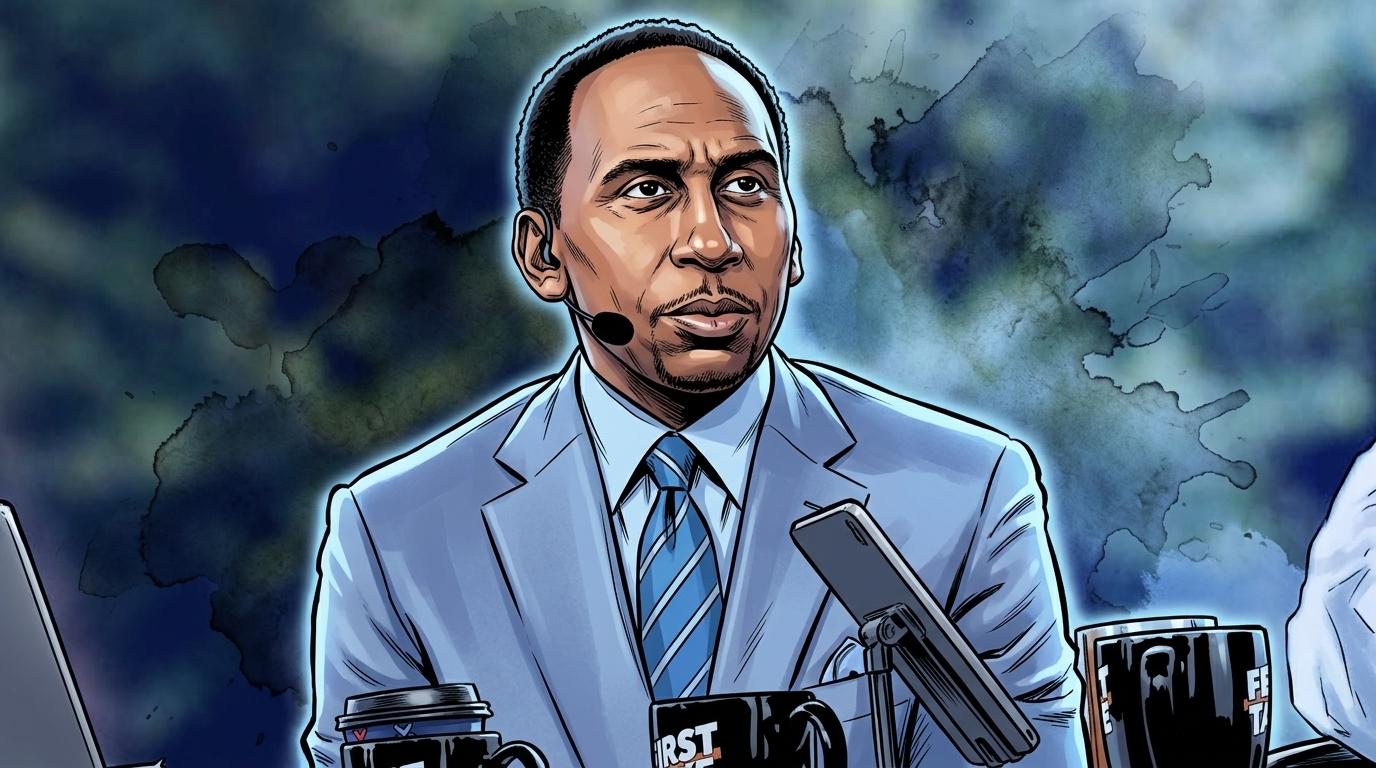
Stephen A. Smith went on First Take and told the WNBA, with the confidence of someone who believes he is performing a service, that the league “can’t afford a lockout, a strike, any kind of interruption whatsoever.” His explicit logic: the NBA had just secured an 11-year, $77 billion broadcast deal, and the WNBA should not get in the way of that. The framing was paternalistic in that specific way that presents hierarchy as wisdom: the kind of advice that sounds protective but is actually a request for compliance. What it really said was: your labor is tolerated as long as it doesn’t inconvenience the larger enterprise.
What’s interesting is not that Stephen A. believed this. Plenty of people inside sports media believed it. What’s interesting is who Stephen A. works for.
He is employed by Disney/ESPN — the same company that holds broadcast rights to the NBA’s $77 billion deal AND the WNBA’s 11-year, $3.1 billion media deal with Disney/ABC/ESPN, Amazon, and NBC/Peacock, first reported by SI. That WNBA deal represents roughly 6.5 times the annual value of the previous rights agreement. Disney has a profound financial interest in both leagues remaining stable, functional, and non-disruptive. Stephen A.’s “honesty” about the WNBA’s leverage position is also, in that light, institutional capture talking. The man doesn’t work for the WNBA players. He works for the entity that benefits most from their acquiescence.
This is what the discourse revealed, if you were watching for it: the people most loudly telling the WNBA to accept its position were the ones most invested in maintaining that position. The warning about the WNBA’s labor equity gap was delivered by the institution responsible, in no small part, for creating it. ESPN spent years under-broadcasting women’s basketball and then treated the WNBA’s relative obscurity as a natural condition rather than a manufactured one.
https://x.com/shooter4_22/status/2070401821269508564
WNBPA President Nneka Ogwumike did not appear to take the advice. The players negotiated. In March 2026, they reached a CBA described as the largest salary increases from one collective bargaining agreement to the next in the history of professional sports: the supermax jumped from $249,244 to $1.4 million; average salary from $120,000 to roughly $600,000; the minimum from $66,079 to over $300,000. And the one that actually matters structurally — the first-ever revenue-sharing model in women’s professional sports, with players receiving 20% of Shared Basketball Revenue. Women’s pro athletes have never had that before. The WNBA players got it while being told, publicly and on national television, to pipe down.
Stephen A. returned to First Take afterward and called it “a damn good deal,” singling out Ogwumike for praise. Which brings us back to the loop. He cautioned against disruption; the players disrupted anyway; the deal is historic; now he praises the deal. The apology cycle Stephen A. runs on ESPN has a cousin, and it looks like this: the credit cycle. The one where the commentator who urged patience gets to celebrate the impatience that worked.
I don’t think Stephen A. is uniquely cynical. I think he is employed by a network with layered financial interests, and that those interests shape what sounds like common sense to him. The advice he gave, don’t rock the boat right now, was advice that happened to benefit Disney more than it would have benefited WNBA players. That’s worth naming, even after the good outcome. Especially after it.
The WNBA players ignored a $100 million man who was, by his employer’s own arrangement, not actually on their side. They got a historic deal. He praised them for it.
What that tells you about who the advice was ever really for is something you can sit with for a while.