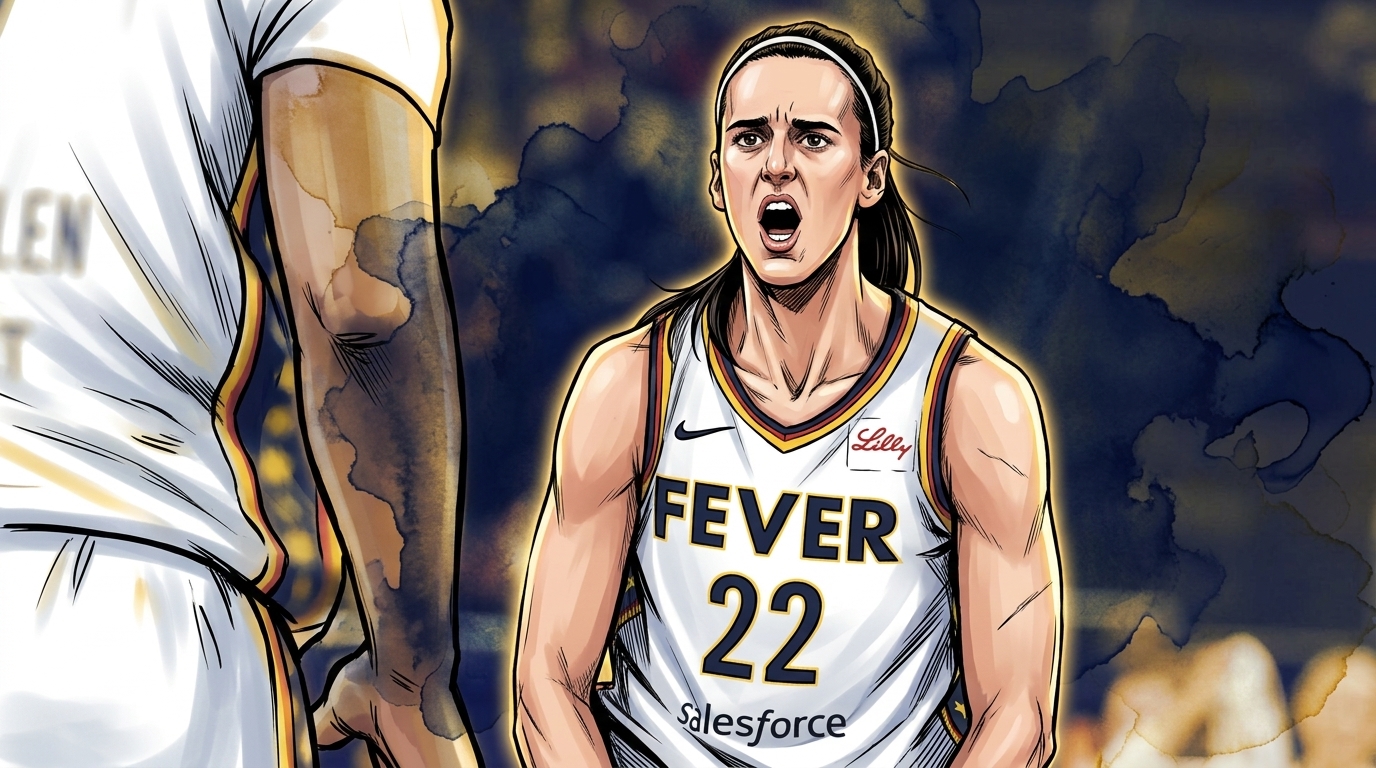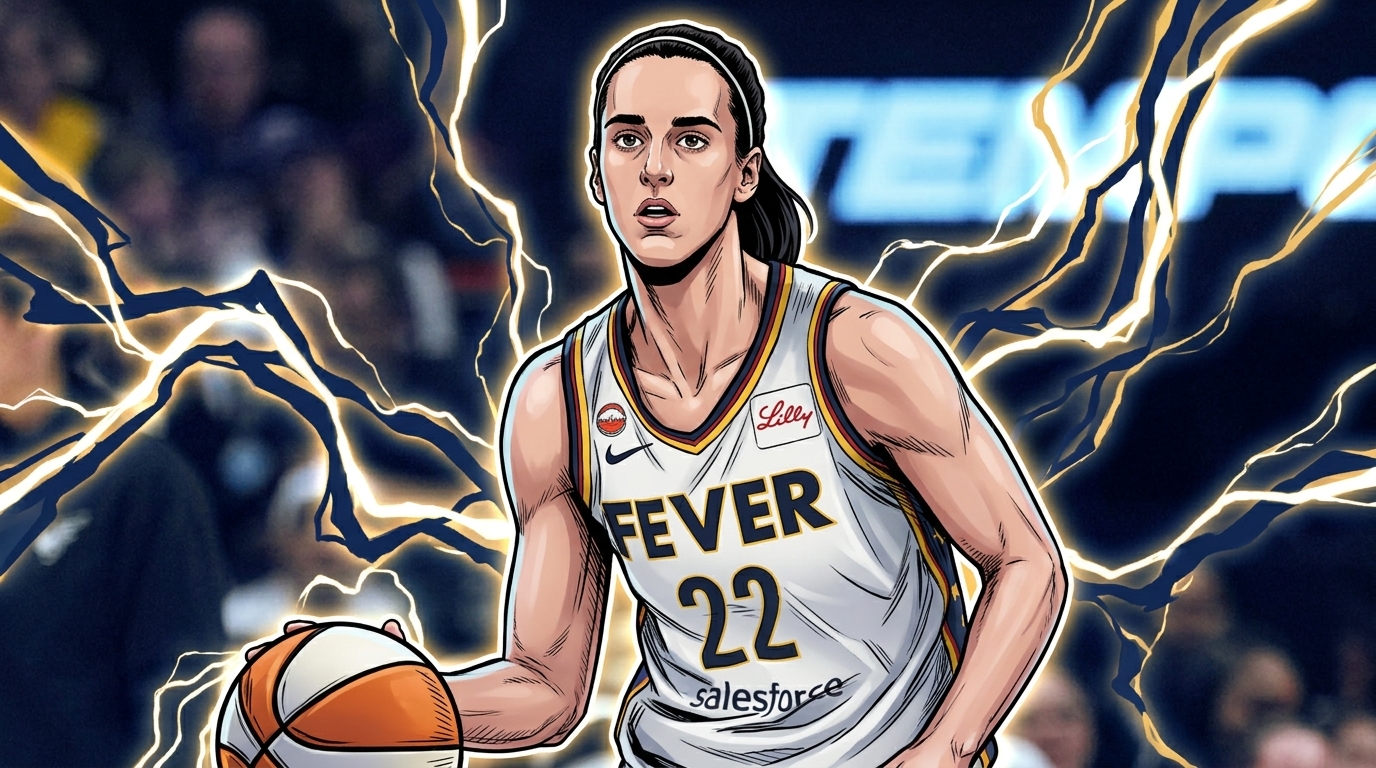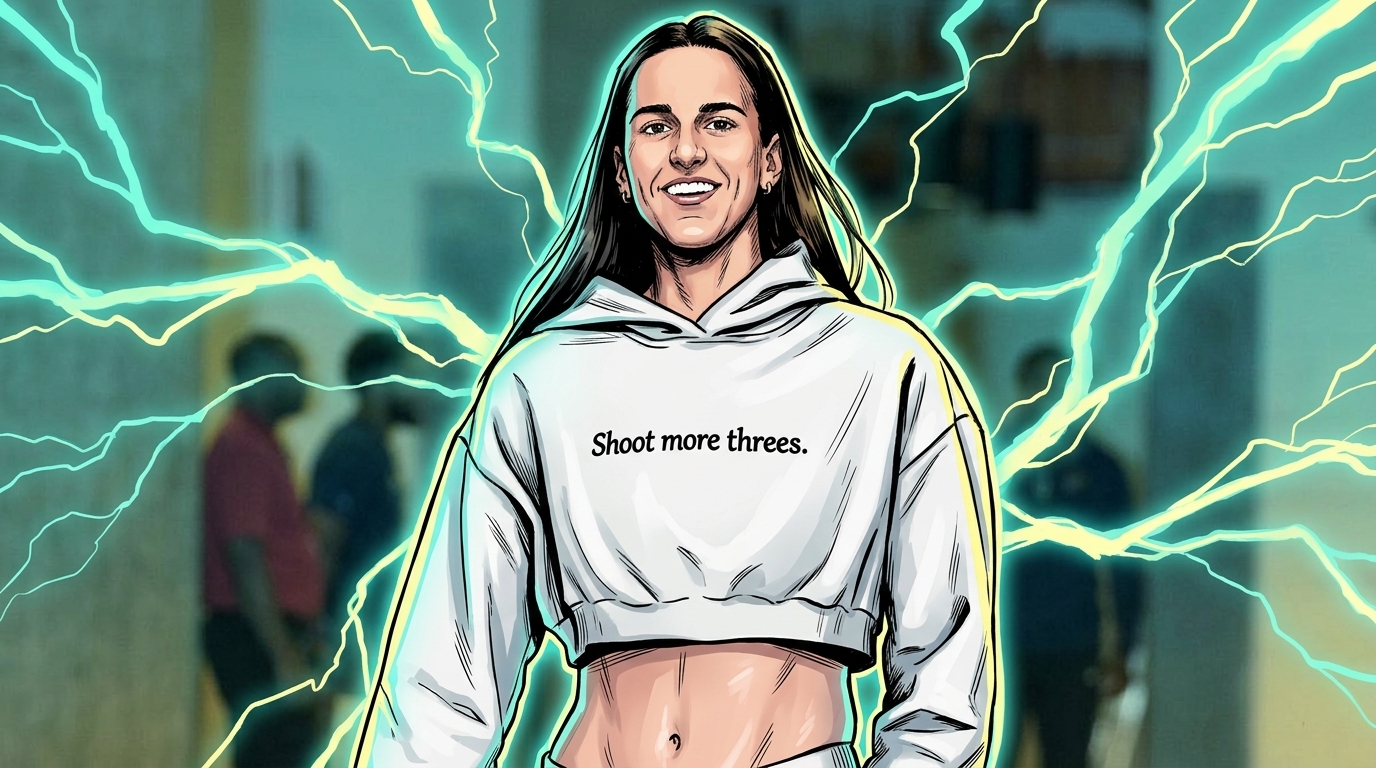

WNBA players ranked Caitlin Clark 11th in guard voting for the 2026 All-Star Game, and the league has decided that number requires no explanation.
Clark averages 21.2 points per game (fourth in the WNBA) and 8.2 assists per game (second in the league). Fan voters placed her second among guards. Media voters placed her third. Her peers placed her eleventh — the official results are below. The gap between those numbers is not a rounding error — it’s a verdict. For the numbers behind the gap, the distance between every other credible evaluation and the player ballot is the whole story.
https://x.com/WNBA/status/2072727001195012607
She was named a starter anyway, because fan voting counts 50% and player and media votes each count 25%. The math saved her. The players’ judgment did not.
I’ll acknowledge the counterargument, because it deserves one: Paige Bueckers had a monster season, and Olivia Miles ranked second in player voting. Those aren’t protest votes — they’re legitimate basketball choices. The player ballot isn’t automatically wrong just because Clark didn’t top it.
But 11th isn’t “we ranked Bueckers and Miles ahead of you.” Eleventh is a statement. If this were pure basketball, the players would have landed Clark somewhere between third and fifth, uncomfortable as that might be for everyone who wanted her first. An 11th-place finish from your own peers, when fans and media see something closer to second or third, means some other accounting is happening.
And before anyone says it’s just Clark: Kelsey Plum finished 12th in player voting despite averaging 23.9 points per game. That data point is worth sitting with. Maybe the players are applying defensive metrics, spacing grades, culture-fit criteria that don’t map onto traditional stats. That’s a coherent framework.
It still doesn’t produce an 11th-place finish for Clark.
The 30th anniversary poster is the context that makes this feel structural. WinCraft, the licensee, couldn’t use Clark’s likeness because Nike controls her image rights under a $28 million deal. That’s technically accurate. It’s also true that the league’s own 30th anniversary marketing team — with the most commercially valuable player in its history — never found a workaround. They chose to move forward without her image on a commemorative product celebrating the league’s existence.
A league that wanted to solve that problem would have solved it.
I spent two years filing $50 pitches to editors who would read the angle, run the piece under someone else’s byline, and cc me on nothing. You learn to tell the difference between “we couldn’t make it work” and “we chose not to.” The WNBA’s answer on the poster reads like the latter. So does the Alyssa Thomas suspension, which the league administered with a deliberate slowness that felt calibrated to minimize noise.
The player vote, the poster, the suspension timeline — each one has an individual explanation. Taken together, they describe a league managing Clark rather than celebrating her.
The WNBA is not going to name what’s happening. But it’s happening every week now, in a different form, and the silence is its own kind of statement.
Eleventh is not an oversight. It’s a culture.