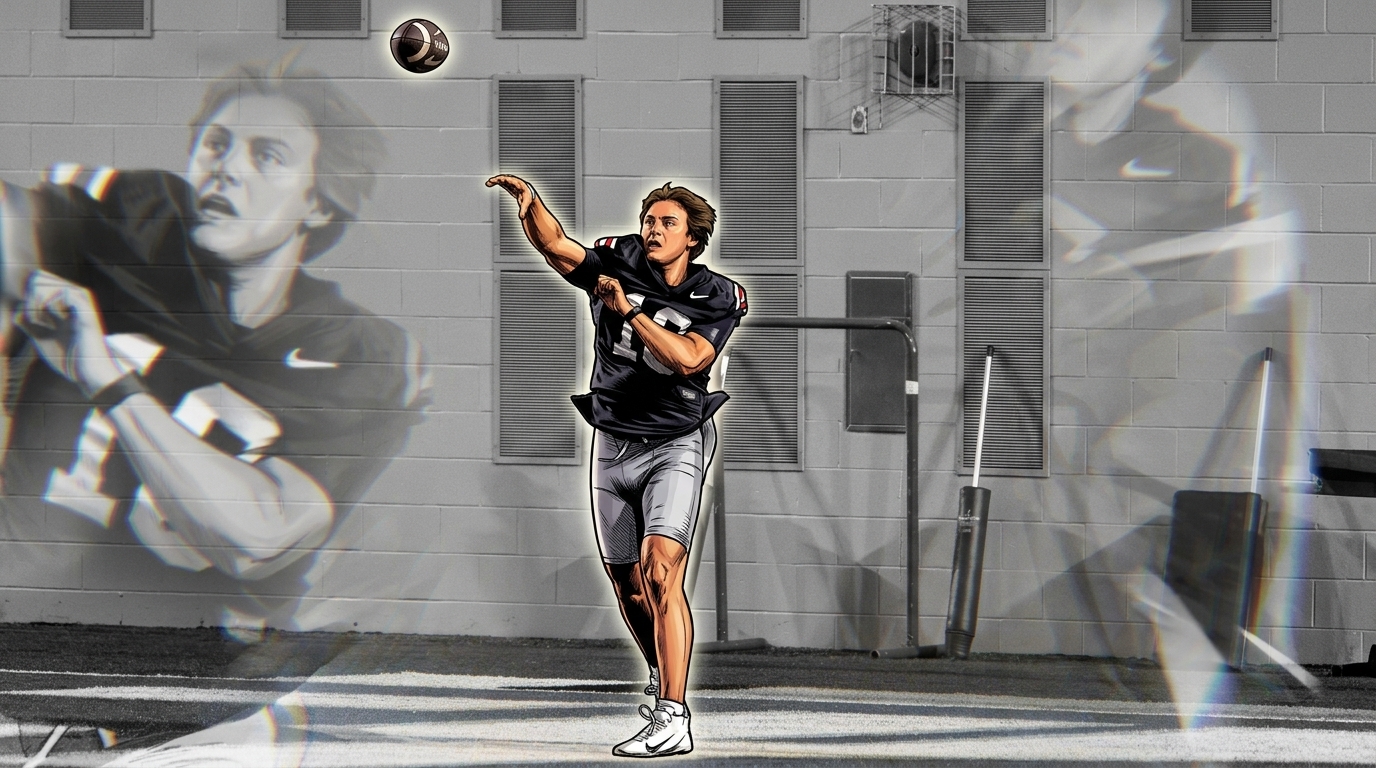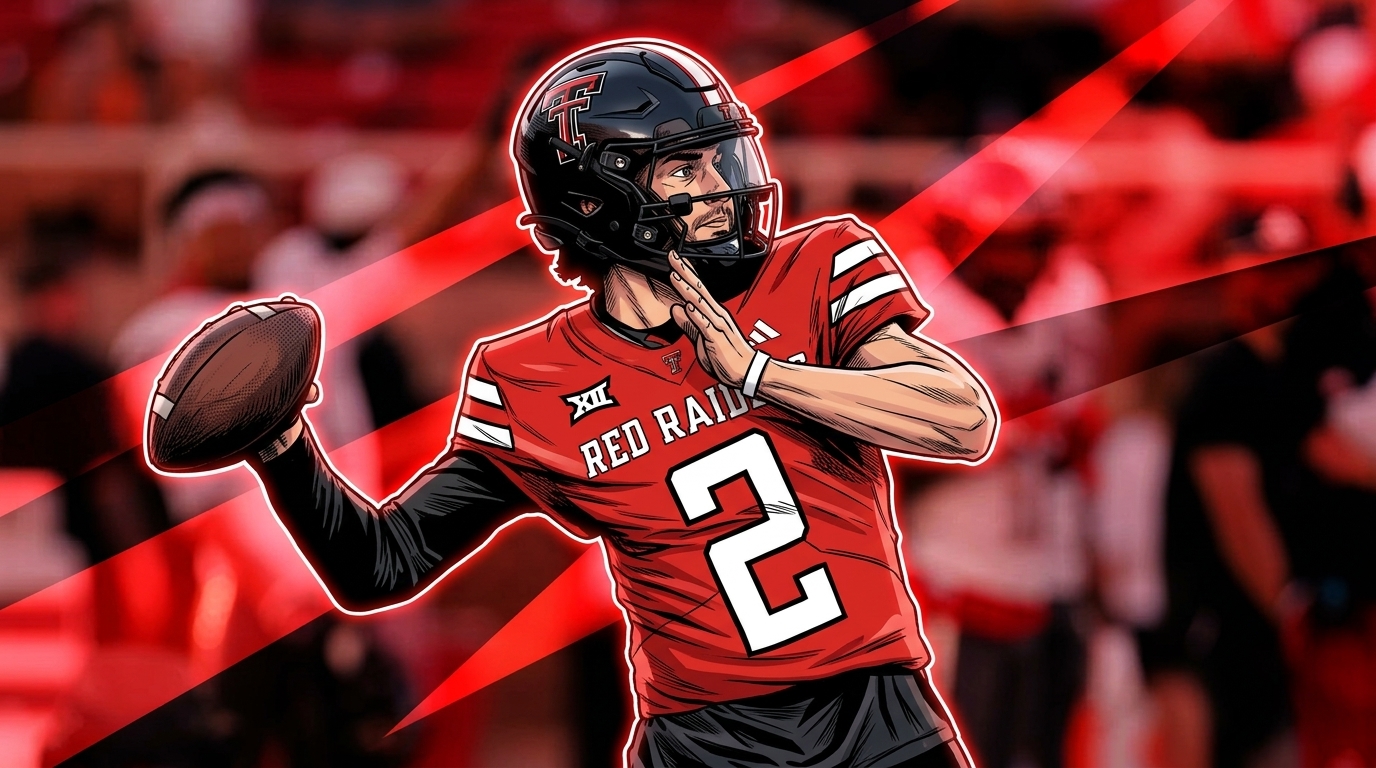

The NCAA stripped Brendan Sorsby’s eligibility after he checked himself into a 35-day residential rehab program for a gambling addiction, and I want you to sit with that sentence before we go any further.
A college kid, probably 18 or 19 when it started, developed a gambling disorder. The compulsion followed him across transfers from Indiana to Cincinnati to Texas Tech, accumulating roughly $90,000 wagered on sports over four years. The American Psychiatric Association classifies Gambling Disorder as a recognized mental health condition. Not disputed by doctors, not by courts. Sorsby eventually got help: he entered Algamus Recovery Centers in Goodyear, Arizona, completed inpatient treatment, and came out with a formal diagnosis and a care plan. The NCAA looked at the voluntary disclosure, the rehab, the medical record — and decided his eligibility was gone anyway.
I am angry about this in a way that will not fit in a polite sentence. The institution that banned players for accepting NIL money until the Supreme Court slapped them 9-0 in Alston, looked at a kid with a documented mental health condition and punished him for getting treatment.
The gambling in question is not nothing. Let’s be honest about that. Sorsby placed roughly $30,000 in bets while at Indiana, including at least 40 bets on Indiana football games when he was on the roster as a redshirt freshman. Every single one of those bets was on Indiana to win. He never appeared in any game he bet on. But compulsive gambling is a symptom of a disorder, not a character defect. The bets weren’t a scheme. They were a teenager with an addiction doing what addicts do. That’s exactly what the diagnosis says.
Sorsby filed for a preliminary injunction in Lubbock with Jeffrey Kessler leading, the attorney who dismantled NCAA amateurism at the Supreme Court in Alston, forced the NIL era into existence, and co-led House v. NCAA. The same man who beat the NCAA on antitrust grounds is now using health and disability law to crack their gambling enforcement framework. The NCAA is running out of lawyers who haven’t already beaten them.
Sorsby’s court filing put it plainly:
https://x.com/PeteNakos/status/2056448406264881443
“The NCAA has weaponized his condition to shore up a facade of competitive integrity, while simultaneously profiting from the very gambling ecosystem it polices.” The NCAA Tournament runs on broadcast deals with networks that loop sportsbook ads continuously. The NCAA profits from gambling culture. It just doesn’t want the players it governs to participate in it. When one of them gets sick inside an environment the NCAA helped build, the answer is to end his career.
On June 8, Judge Ken Curry in Lubbock granted the preliminary injunction. Sorsby is eligible for the 2026 season: sits out the first two games, continues treatment, files monthly compliance reports, seven conditions total. Kessler afterward: “It is a just result. Brendan gets to devote himself to his team and the education of athletes on the dangers of gambling addiction. He will continue his treatment, miss two games, and there is no injury to the competitive integrity of the NCAA.”
The NCAA appealed immediately. Their statement: the ruling was “damaging, far-reaching and broadly destabilizing” and it “undermines and corrupts the integrity of sports.”
“Broadly destabilizing.” The NCAA is not arguing Sorsby is a schemer who threw games. He bet on Indiana to win, in games he never played, before he was old enough to legally drink. They’re arguing that the precedent of treating addiction as a health condition, rather than a rules violation, is what destabilizes them. That’s the bullshit tell. If Sorsby prevails on health and disability grounds, the NCAA’s entire gambling enforcement structure — no accommodation pathway, no health-based appeals, no distinction between compulsion and corruption — gets exposed as what it always was: a blunt instrument designed to protect the product, not the people making it.
Here is the counterargument worth taking seriously: bets on your own team’s games, even to win, cross a real line. If players wagering on themselves became normalized, the incentive structures get complicated fast. Legitimate worry. But it collapses when you account for the diagnosis. Addiction frameworks exist because addicts cannot be held to the same deliberate-choice standard as people acting freely. Sorsby sought treatment, disclosed, and completed 35 days of inpatient care. The NCAA’s enforcement regime was never designed to process that. It was designed for cheaters. Applying it to someone who was sick is cruelty dressed as policy.
The NFL declined a 2026 supplemental draft. The CFL rejected his participation. Sorsby is at Texas Tech, eyes on the 2027 NFL Draft, under a court order the NCAA is still fighting. The Sorsby saga is far from over. The appeal means the question of whether gambling addiction qualifies for any accommodation in college sports is heading toward an answer that matters for every athlete who comes after him.
The NCAA spent fifty years telling us amateurism was sacred. The Supreme Court told them they were wrong. Now they’re telling us that treating an addict with basic medical seriousness corrupts sports. Every time this organization says “integrity,” ask yourself whose it’s protecting. The way conferences handle gambling education while athletes get suspended is its own indictment. A judge in Lubbock figured out what the NCAA couldn’t: a kid who went to rehab deserves to play. That this required a federal injunction tells you everything about what the NCAA is.