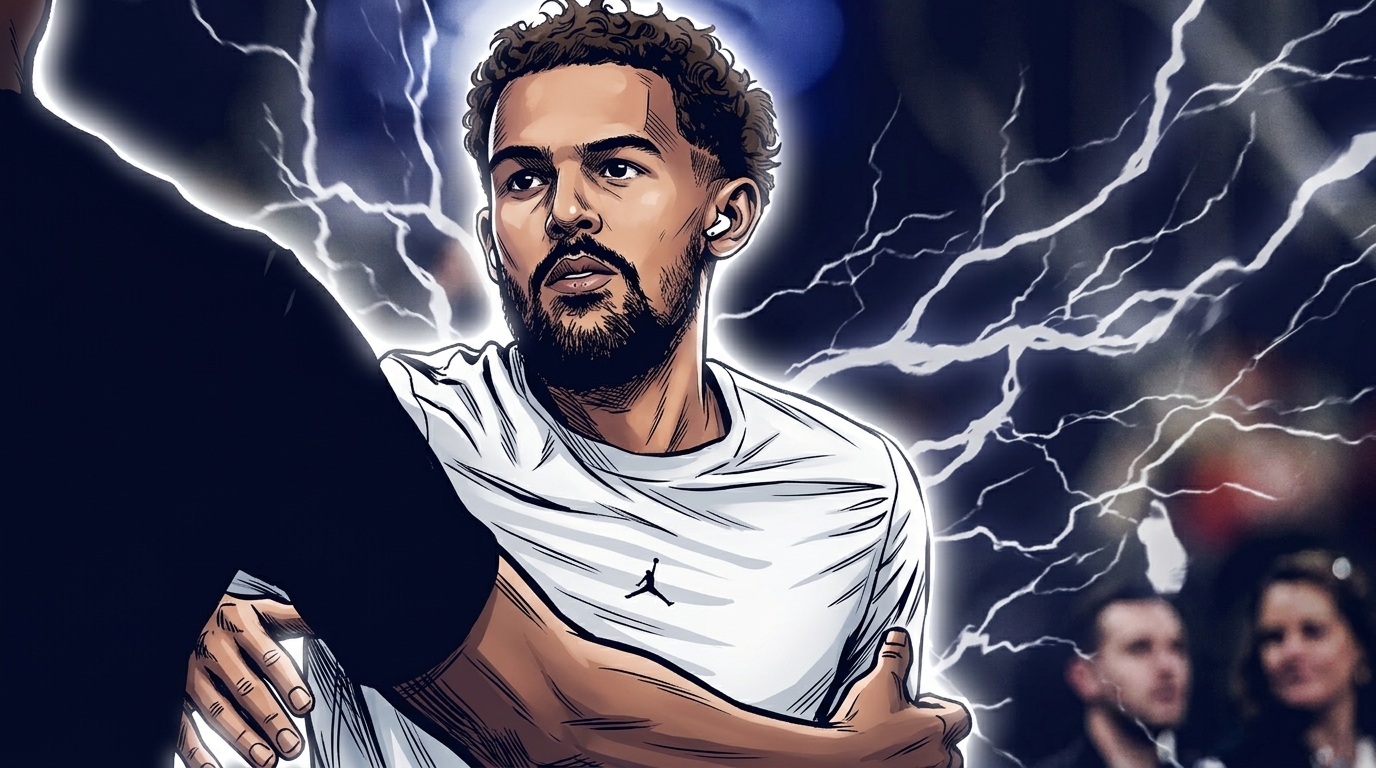

The Washington Wizards have spent fifteen years running what amounts to a controlled experiment in how bad an NBA franchise can get while still technically existing; now, in the span of about 72 hours, they have acquired a four-time All-Star on a $212 million contract and the first overall pick in the 2026 draft, and the experiment has apparently concluded.
The metaphor that keeps occurring to me is renovation — not the HGTV kind where a young couple discovers load-bearing walls and everything is fine by the third commercial break, but the other kind. The kind where you’ve been living in a structurally compromised house for so long that you’ve stopped noticing the lean, and then someone shows up with blueprints and a wrecking crew and says they’re fixing everything, and you think: you have no idea what’s actually under these floors.
Washington has not been a serious basketball organization since Gilbert Arenas was lighting up opponents — and, reportedly, his own teammates — circa 2008. Six lottery finishes in seven years. The John Wall era ended in recriminations and a buyout; the Bradley Beal era ended in a trade. The roster that existed eighteen months ago was so comprehensively bad that it was basically performance art — you didn’t watch it, you observed it, from a clinical distance, the way you observe weather.
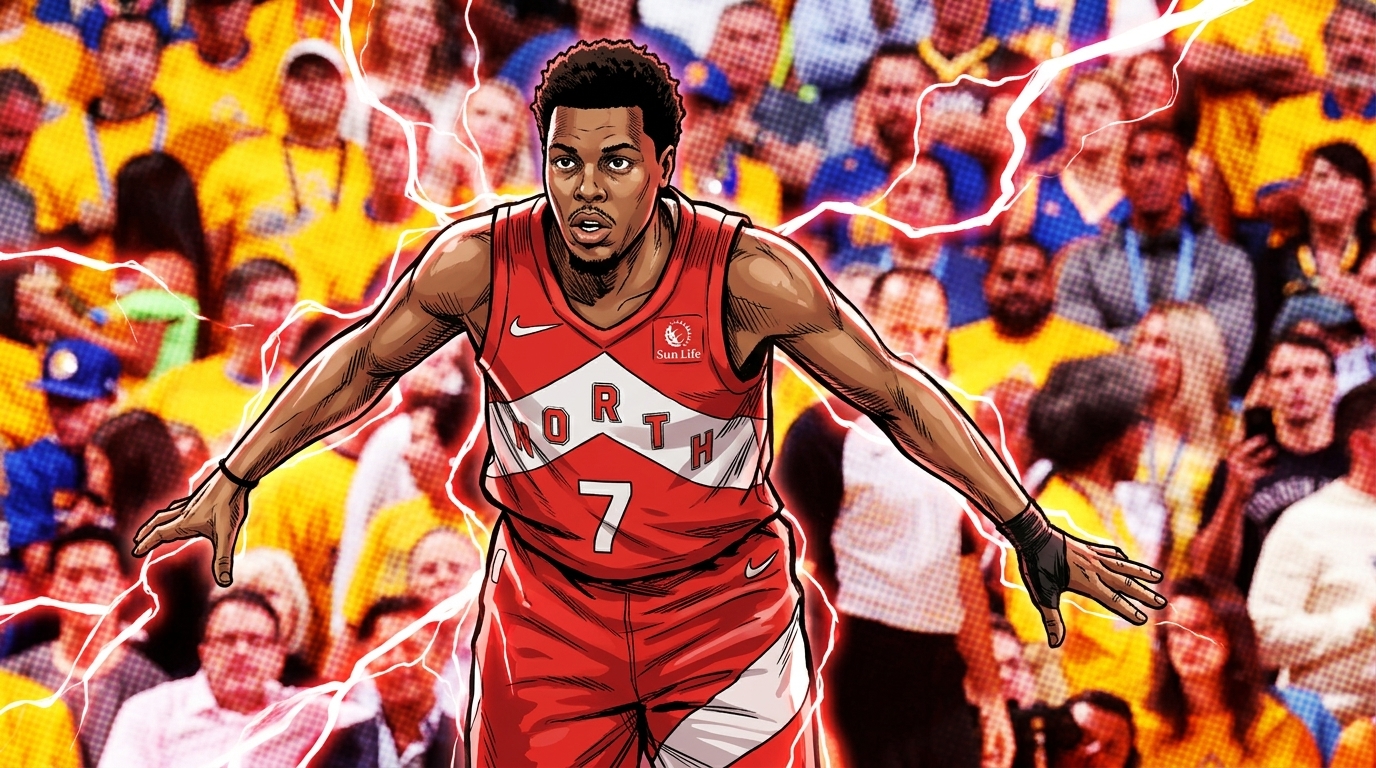
Then GM Will Dawkins traded for Trae Young in January, giving up CJ McCollum and Corey Kispert — players Washington could afford to give away because it had no use for them anyway. Young played five games before a quad and lower back issue ended his season, which is something to hold in mind when processing a $212 million commitment. He had played 10 games before that with Atlanta after an MCL sprain in October. Fifteen total games across 2025-26; a body that seems to be notifying him, with increasing urgency, that it has concerns.
This is where the renovation metaphor does its real work. When you’re rebuilding a house that’s been neglected for a decade, you make two kinds of decisions: the ones that address the structural problems and the ones that are, essentially, optimistic bets on the future. Declining his player option for a four-year, $212 million deal — with a player option in Year 4 — signals that Young believes in the project; the Trae Young Wizards extension 2026 signals that Dawkins believes in Young. What neither belief can do, on its own, is guarantee the floors hold.
AJ Dybantsa going first overall to Washington is supposed to be the structural work. The 6’9” BYU freshman led the nation at 25.5 points per game, broke Danny Ainge’s 48-year-old program scoring record with a 43-point game, and projects as a genuinely rare talent. He also plays, roughly, the same role as Trae Young — ball-dominant, high-usage creator. Dybantsa said he thinks they “could play off each other for sure,” which is a sensible thing for a 19-year-old to say, and the question of how you run two high-possession guards through the same half-court offense is the kind of question that ruins coaching staffs.
https://twitter.com/ShamsCharania/status/2069129593672310898
Washington’s other first overall picks were Kwame Brown in 2001 and John Wall in 2010. Brown was a disaster; Wall was a genuine star who left under circumstances too complicated to fully litigate here. The franchise’s history with number-one picks is, charitably, a mixed record. Dawkins has also mentioned Anthony Davis as part of the plan — both Young and Davis “want to compete together” in D.C., per the GM — so we may soon be watching a roster constructed around two former lottery centers and two high-usage guards, which is either a stroke of genius or the Nets 2.0 assembled in a market that has forgotten what relevance feels like.
There is no template for what Washington just did; no comparable franchise has assembled this combination of pieces from this depth of irrelevance in quite this way. If it works, Dawkins will be discussed alongside the architects of legitimate title runs. If it doesn’t, they’ll dismantle it in 2028 at a substantial financial loss and start over, and the damn house will still have the lean.
I am watching a $212 million renovation in a city that hasn’t won since the drywall was different.