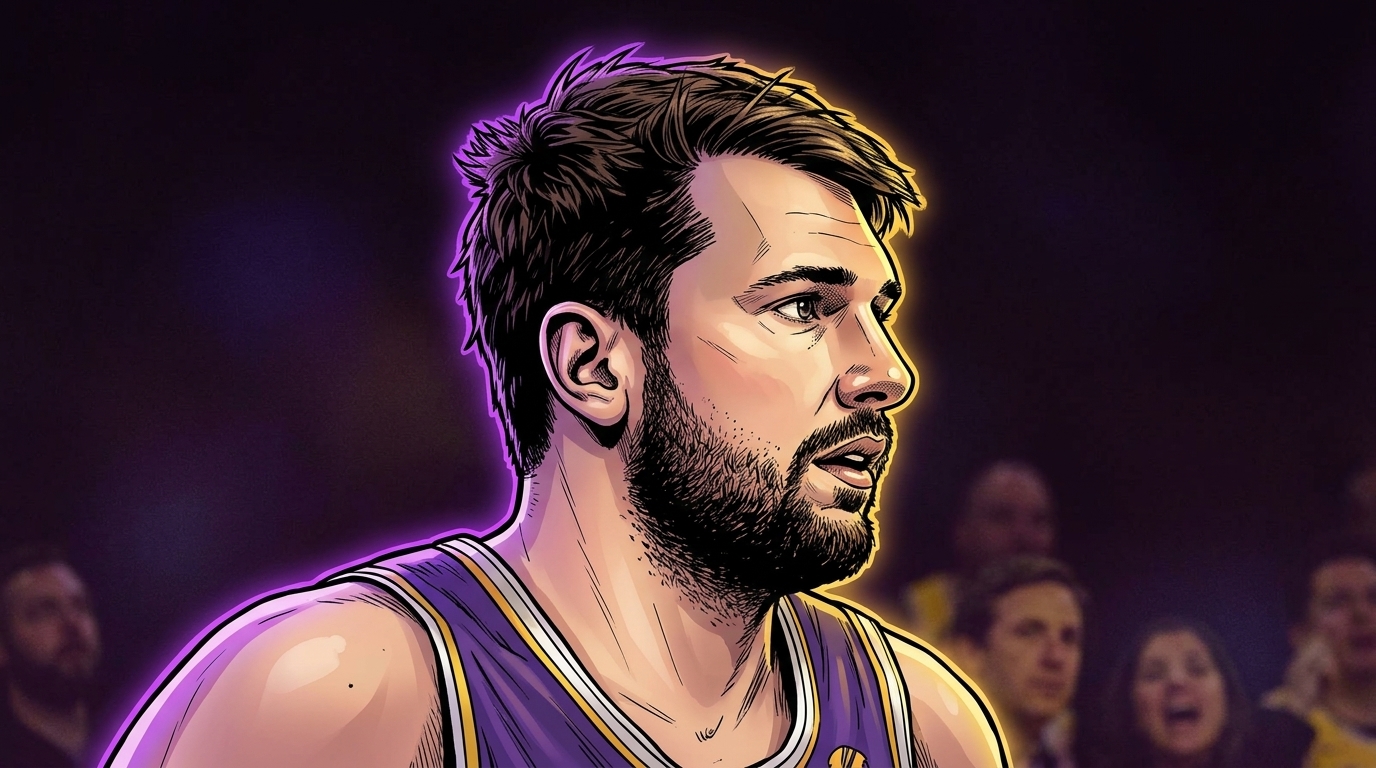

How many times can one franchise reset the record book for what a professional sports team is worth before the record itself stops being the point? We’re about to find out. Bob Iger and Josh Kushner agreed this month to buy the Los Angeles Lakers for a $12.5 billion valuation, the largest sale price in American professional sports history. The number isn’t the strange part. Who they bought it from is.
Mark Walter bought the Lakers less than a year ago. The NBA’s Board of Governors approved his purchase of the Buss family’s controlling stake at a $10 billion valuation on October 30, 2025, a number that was itself the previous record for a North American sports franchise sale. Ten months later, that record is just the floor Iger and Kushner used to justify paying $2.5 billion more.
How fast this actually happened is the real story, and it’s fast enough to feel less like a sale and more like a flip. Per Iger’s own account, he and Kushner approached Walter on a Sunday, and the deal came together in roughly three days. Three days, for the biggest number in the sport’s history. That’s not how ownership transitions normally work, even in a league that moves as fast as the NBA does lately.
I read institutional filings and trade coverage the way other people scroll a group chat, and even by that low bar, three days is fast.
Walter nets something like $2.5 billion in profit on this, a 25 percent gain, after owning the controlling stake for well under a year. He didn’t win a championship in that stretch. The roster didn’t fundamentally change either. Luka Doncic was already the franchise’s best player when Walter bought in, acquired through a trade the Mavericks made, not anything Walter built. (Do the math on the profit margin and Walter cleared something like a quarter-billion dollars a month just for having owned the team. That’s not a business plan the rest of us have access to.)
This isn’t Walter’s first Lakers transaction, either. He and Todd Boehly bought a 27 percent stake in the team back in 2021, buying in from Phil Anschutz at a $5.5 billion valuation. That number looks almost quaint now. The Lakers have more than doubled in value since that 2021 stake sale, and $2.5 billion of that increase landed in just the last ten months.
The Buss family, which built the modern Lakers dynasty from nothing, kept roughly 15 to 18 percent of the team when Walter bought in, and Jeanie Buss stayed on as governor. That arrangement is now genuinely in question. Shams Charania reported that the Buss family is selling its remaining stake to the new ownership group as part of the same transition:
https://twitter.com/ShamsCharania/status/2089434828114665798
Jeanie doesn’t agree. Her four siblings want to sell; she’s fighting it through her attorney, and the fight over her role could end up in court before it ends anywhere else. (Small drama inside the big one, except it’s the family that built the thing.)
Why Iger and Kushner paid $2.5 billion more than Walter did ten months ago is a fair question, and the honest answer is they didn’t have much choice. Walter’s $10 billion number became the new record the moment the Board of Governors approved it. Any buyer coming after him wasn’t pricing the Lakers. They were pricing the Lakers plus a premium for being the group that topped it.
Kushner and Iger weren’t just sitting around waiting for the Lakers to become available, either. They were reportedly chasing an NBA expansion franchise in Las Vegas before they pivoted to this deal. (When the expansion team you were shopping for suddenly looks less appealing than outbidding a $10 billion valuation set ten months earlier, that tells you something about how these guys think about return, not roster.) Kushner has to divest his existing stake in the Miami Heat to get this approved. Iger is 75 and recently stepped down as CEO of Disney, so buying an NBA team at a record price is either a retirement hobby or the least retired retirement in recent memory.
Lakers fans are less shocked than uneasy about a second ownership change in under a year. Silver Screen and Roll points to Iger’s public feud with his own handpicked Disney successor Bob Chapek, plus Kushner’s Thrive Capital being a major investor in OpenAI, as exactly the kind of baggage that follows a new owner into a fan base’s group chat.
Doncic, for his part, said what players in his position tend to say. “I’ve gotten used to big changes over these last few years, but I know that no matter what, there is no limit to the potential of this iconic franchise,” he posted after the sale went public. Between Dallas and L.A., this is his fifth different majority owner, which is a strange kind of stability for a franchise player to have to describe as normal.
Zoom out and the number gets stranger still. The Lakers are now the only franchise in American professional sports ever sold above $10 billion, ahead of even this year’s Seattle Seahawks sale at a reported $9.6 billion. Within the NBA specifically, the gap is even wider: the next-highest sale on record is the Boston Celtics at $6.1 billion last year, then the Portland Trail Blazers at $4.25 billion and the Phoenix Suns at $4 billion. The Lakers didn’t just set the NBA record. They set it twice within ten months, and both numbers clear the league’s next-highest sale by roughly double. CNBC’s valuation model now pegs the average NBA team at $6.68 billion, a 21 percent jump, driven almost entirely by this one transaction.
I think the actual story here isn’t Iger’s name or Kushner’s money. It’s the ten months in between. Walter’s $10 billion purchase looked unprecedented when the Board of Governors approved it last October. It took less than a year to become the floor a new group used to justify paying $2.5 billion more, without the Lakers winning anything they hadn’t already won, without a roster overhaul, without anything happening on the court that would explain a 25 percent bump in what the franchise is worth. Once a team changes hands twice in a year at record prices both times, the team has stopped being the product. The valuation trajectory is.
None of this needed to happen for basketball reasons. It happened because a $10 billion floor made a $12.5 billion ceiling look reasonable to two guys who were shopping for an expansion team a few months ago. That’s not really about the Lakers anymore, or even about the NBA. It’s what happens once billionaires treating franchises like trading cards becomes normal instead of newsworthy.
The sale still needs Board of Governors approval at their meeting next month, and Kushner still has to unwind his Heat stake before that vote happens. Neither is likely to derail anything. What’s worth watching is whether this becomes the new normal instead of the outlier, whether the next team to change hands treats a year-old valuation as a starting point instead of a ceiling. Keep an eye on the rest of the NBA’s offseason. If another owner sells inside the next twelve months at a number that makes this one look conservative, we’ll know the Lakers didn’t just set a record. They set a pace.