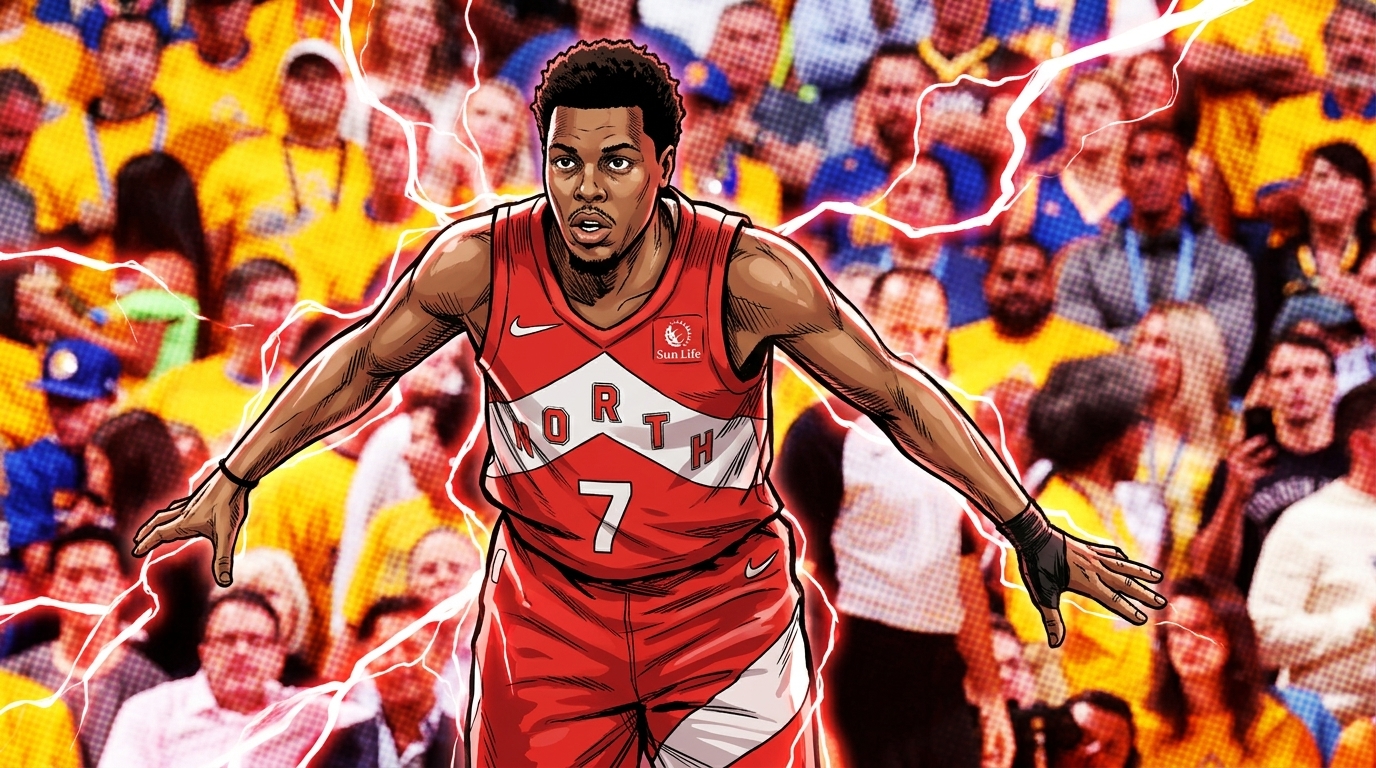

The NBA wants to add two teams worth $7 to $10 billion apiece in Las Vegas and Seattle, and somebody has to absorb the scheduling cost of that; per multiple reports, that somebody is the Minnesota Timberwolves. League sources will tell you this is about travel and competitive balance. It is not. The NBA’s realignment math has nothing to do with basketball — it’s about making room at a table that’s already full, and Minnesota got picked because moving them is administratively convenient, not because it makes hoops sense.
According to SI.com, citing ESPN’s Shams Charania, the league is targeting a 32-team footprint by the 2028-29 season, with expansion franchises exclusively in Vegas and Seattle. Add two Western-based teams to the current 15-15 split and the West tilts to 17; to get back to 16 apiece, per Yahoo Sports, exactly one current Western team has to go east. Charania laid out the mechanism without much ceremony:
“Executives across the NBA expect either the Minnesota Timberwolves or Memphis Grizzlies to move to the East to realign conferences with 16 each when Seattle and Las Vegas become West teams.”
Two teams, one door marked East, and the league already has a short list of who’s walking through it.
Picture a dinner party seated for sixteen when two more guests arrive, having paid handsomely for the good chairs near the kitchen. The math only works if two people already at the table get up and find new seats across the room. The host won’t say “we need your chairs for the big spenders”; he’ll say something about the room needing better balance, about the far end feeling a little flat lately. That’s the NBA’s pitch now — that shipping Minnesota into a conference full of teams it barely sees twice a year is about competitive balance, about giving a historically thinner East a jolt via Anthony Edwards’ star power. It’s a polite way of saying: you’re the ones we can move without anyone important calling to complain, and everybody in that room knows it’s bullshit dressed up as strategy.
Memphis, per that same reporting, gets a pass largely because uprooting the Grizzlies is logistically messier; they sit closer to their current Western rivals in San Antonio, Houston, Dallas, and New Orleans, and relocating them east would scramble more of the existing schedule than moving Minnesota would. Call it whatever the press release calls it; it’s a distance calculation dressed up in balance language, and Minnesota lost the coin flip on geography.
Minnesota built a roster to beat Denver and Oklahoma City, not Milwaukee; that’s not a stylistic preference, it’s the literal function of three years of roster construction. The Timberwolves needed seven games to get past the Nuggets in the 2024 Western Conference Semifinals, got run over 4-1 by the Thunder in the 2025 Western Conference Finals, and beat Denver again, 4-2, in this year’s first round. Every meaningful offseason decision, from the backcourt Minnesota just built around Ball and Edwards to the Wolves’ current core, was calibrated against those two specific opponents. This Timberwolves realignment 2028 plan proposes to erase that context and hand the roster a division full of teams nobody in the front office spent a single meeting preparing for.
The league made its intentions public before most fans had finished reading the initial report:
https://twitter.com/ShamsCharania/status/2033524718670598566
No confirmed date exists yet for the actual realignment vote beyond that 2028-29 target, which is convenient; it lets the league float a Timberwolves Eastern Conference move for years without ever having to defend the specifics in real time. There’s a bleaker joke sitting underneath the whole arrangement, too: the last team to leave Seattle was an actual franchise, the SuperSonics, who packed up in 2008 and became the team that just eliminated Minnesota from a conference final. Seattle’s incoming team will be a brand-new expansion purchase, not a homecoming — the city gets a replacement, and Minnesota gets the bill for it.
Approving any of this still requires 23 of 30 governors to sign off at each stage, so nothing about a Timberwolves eastern conference move is finalized. But the direction of travel is obvious enough that Minnesota fans can start doing the math themselves: this nba conference realignment was never a basketball decision, it’s an invoice, and the league already decided whose name goes on it.