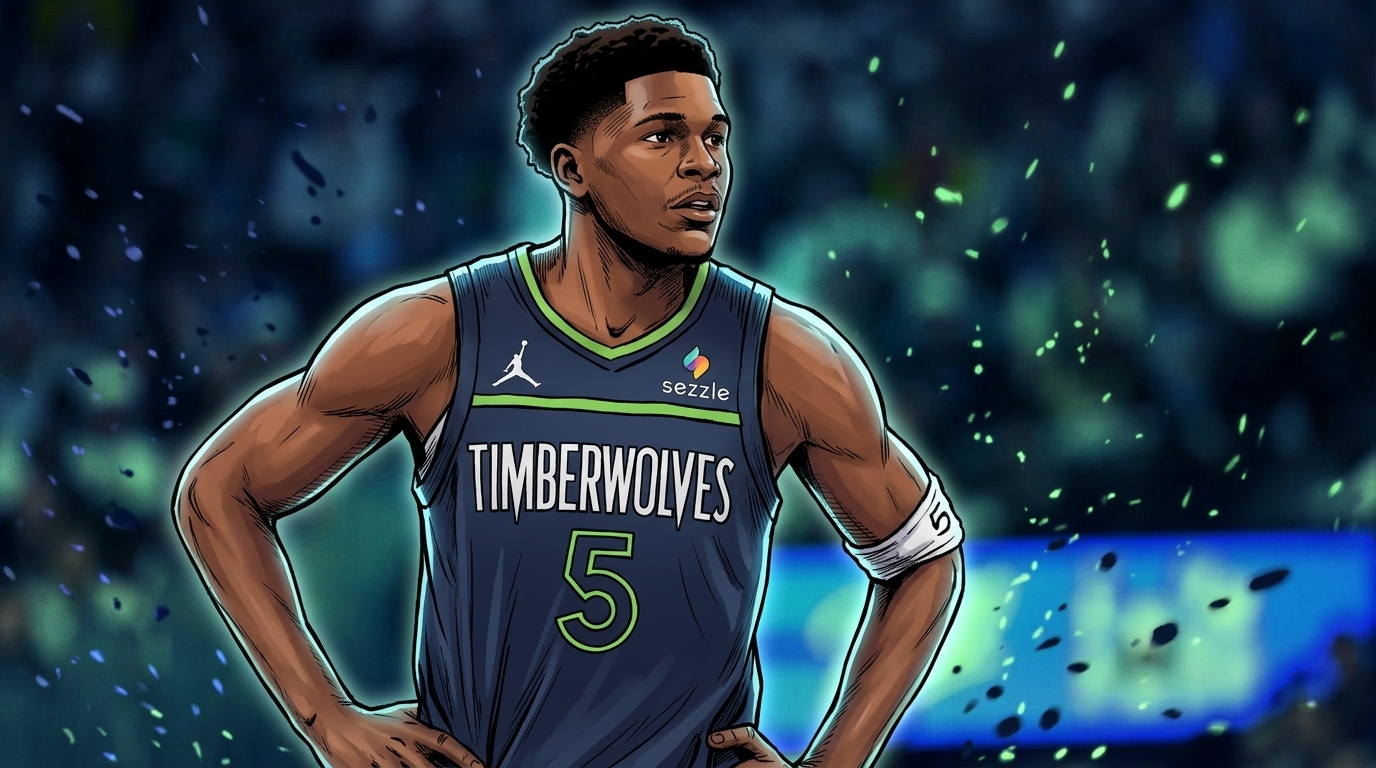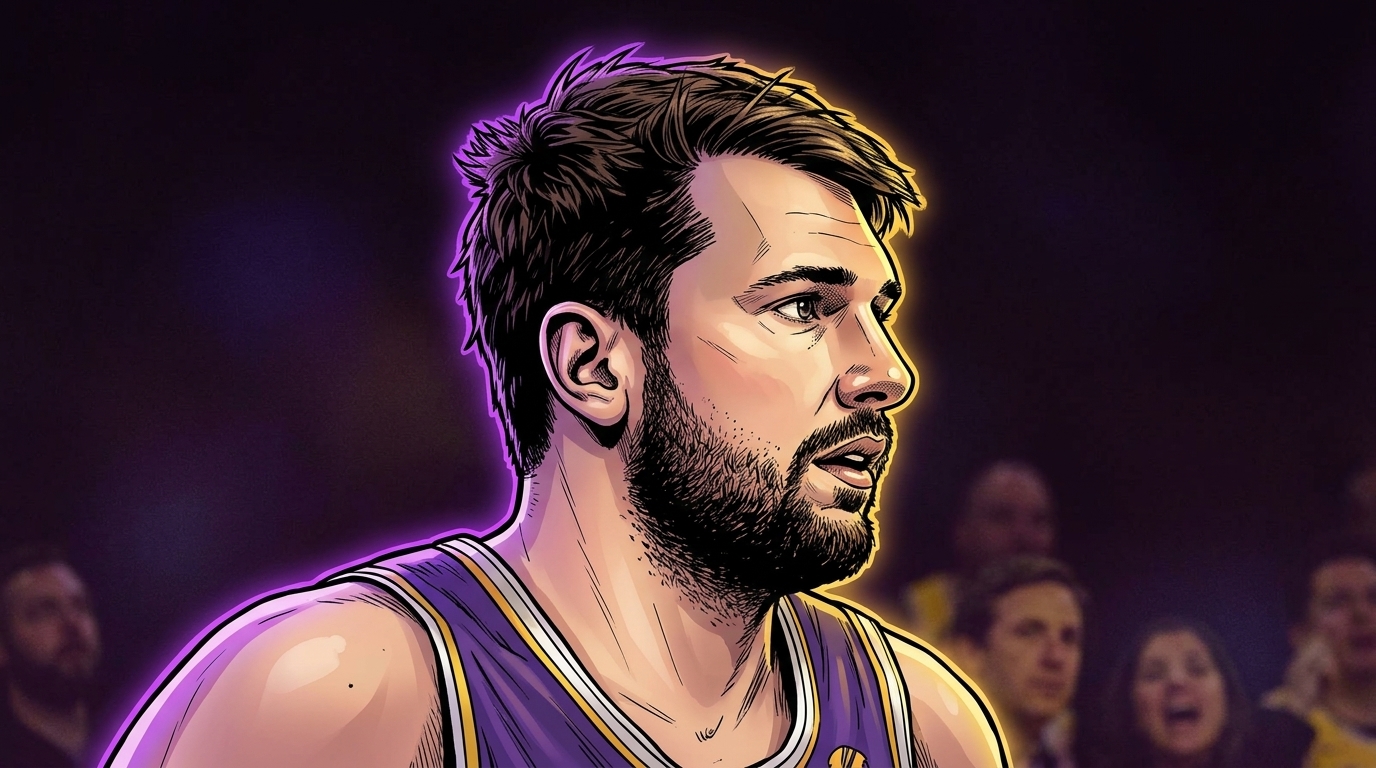

Three numbers explain more about the state of the NBA right now than any trade or draft pick from this offseason, and none of them belong to a player. The Boston Celtics sold at a $6.1 billion valuation in March 2025. The Los Angeles Lakers changed hands twice after that, the second time for $12.5 billion. And this week, the Minnesota Timberwolves and Lynx agreed to sell for $4.5 billion. Three sales, one runaway number, and it isn’t a coincidence.
Call it the Valuation Rocket. Every one of these deals got priced using a comp that didn’t exist eighteen months earlier, which means whichever team sells next is going to clear a number that would have sounded absurd back in early 2025. I run three fantasy baseball leagues with my own projection model, and the fastest way to blow up an auction is one insane early bid. Every bid after it recalibrates off that price, not off what the player is actually worth. NBA ownership groups are doing the same thing with actual billions.
The Valuation Rocket, Stage by Stage
The sequence matters here, so walk through it in order. Bill Chisholm’s private equity group, backed by Sixth Street, agreed to buy the Celtics at a $6.1 billion valuation in March 2025, the largest sports sale in history at the time. Wyc Grousbeck stayed on as CEO and governor through 2028, but the ownership money changed hands completely. That deal is closed. Done. Not a rumor, not a pending vote.
Three months later, the Buss family agreed to sell its controlling stake in the Lakers to Mark Walter at a $10 billion valuation, and the NBA’s Board of Governors signed off that October. Also closed. The Buss family kept a minority slice, Walter took control, and that was supposed to be the story for a while.
It wasn’t. Ten months after his deal closed, Walter agreed to flip his controlling stake to Josh Kushner and Bob Iger at a $12.5 billion valuation, the largest price ever paid for a professional sports franchise, any sport, anywhere. That deal still needs NBA Board of Governors approval at the September meeting, so it’s agreed, not final. Worth being precise about that distinction, because it’s the whole point: two separate transactions, two entirely different buyer groups, one franchise, fourteen months. That’s a stronger signal than a single deal drifting upward would be. Independent money keeps showing up and keeps paying more.
Then Minnesota. Marc Stad, the founder of Dragoneer Investment Group, agreed to buy the majority of Marc Lore’s stake in the Timberwolves and Lynx at a $4.5 billion valuation, with Alex Rodriguez keeping his ownership stake and Lore stepping back to focus on his company. That deal is pending too. But the number is the story: Lore and Rodriguez bought the franchises from Glen Taylor at a $1.5 billion valuation, a price that took years of arbitration to even land. Tripling that in roughly two years, for a small-market team with no championship in the building, is not what you’d expect from a normal market.
Why Is Every NBA Sale Pricing Off the Last One?
Buyers value a sports franchise partly by looking at the most recent comparable sale. The Celtics’ $6.1 billion became the floor under the Lakers’ $10 billion deal seven months later, and the Lakers’ second sale at $12.5 billion became the number the Timberwolves got measured against.
Each deal manufactures the evidence for the next one, which is exactly how comp-based pricing works in any market where sales are rare and information is scarce. That’s not exotic. Real estate works this way, and so does any market where transactions are infrequent enough that each sale resets the baseline for the next one. The difference with NBA franchises is how few data points exist to price against. There were only a handful of controlling-stake sales in the league’s entire history before 2025. Now there have been three inside 17 months, and each one drags the anchor higher for whoever’s next, regardless of market size, roster quality, or recent playoff results.
What the Timberwolves Deal Proves That the Lakers Deal Couldn’t
The Lakers are the Lakers. A $12.5 billion price tag on the league’s most recognizable brand, in the second-biggest media market in the country, tells you something about star power and Hollywood money. It doesn’t tell you much about the league as a whole.
Minnesota tells you more. This is a team that hasn’t won a title, plays in a market a fraction of LA’s size, and just tripled in value in about two years. If the Timberwolves and Lynx are worth $4.5 billion, the ceiling isn’t about glamour markets anymore. It’s about the asset class. National television money, legalized gambling revenue, and a shrinking pool of teams that ever go up for sale have made every NBA franchise scarce in a way that overrides geography. That’s a bigger deal than one more zero on a Lakers check.
Here’s what Shams Charania reported when the Timberwolves news broke:
https://twitter.com/ShamsCharania/status/2090815732766425531
Who Clears the Next Floor?
None of the four sales discussed here happened in a vacuum, and the Lakers alone changed hands twice in under a year, which should tell you how fast the comps are moving. Add in the Buss family’s exit from the franchise as part of the Kushner-Iger deal, and the picture is a league where legacy ownership groups are cashing out at exactly the moment private equity and mega-cap individual wealth are lining up to pay historic premiums for scarcity.
Two of these four deals still need NBA Board of Governors sign-off before they’re final, and that approval has been closer to a formality than a hurdle in every recent case. Once both go through, the league will have reset its own price memory twice in a single year. The next owner to sell isn’t pricing against 2024 anymore. They’re pricing against a number that didn’t exist when this year started. Whoever it is, they’re clearing a floor nobody would have believed eighteen months ago, and the group after them will do it again.