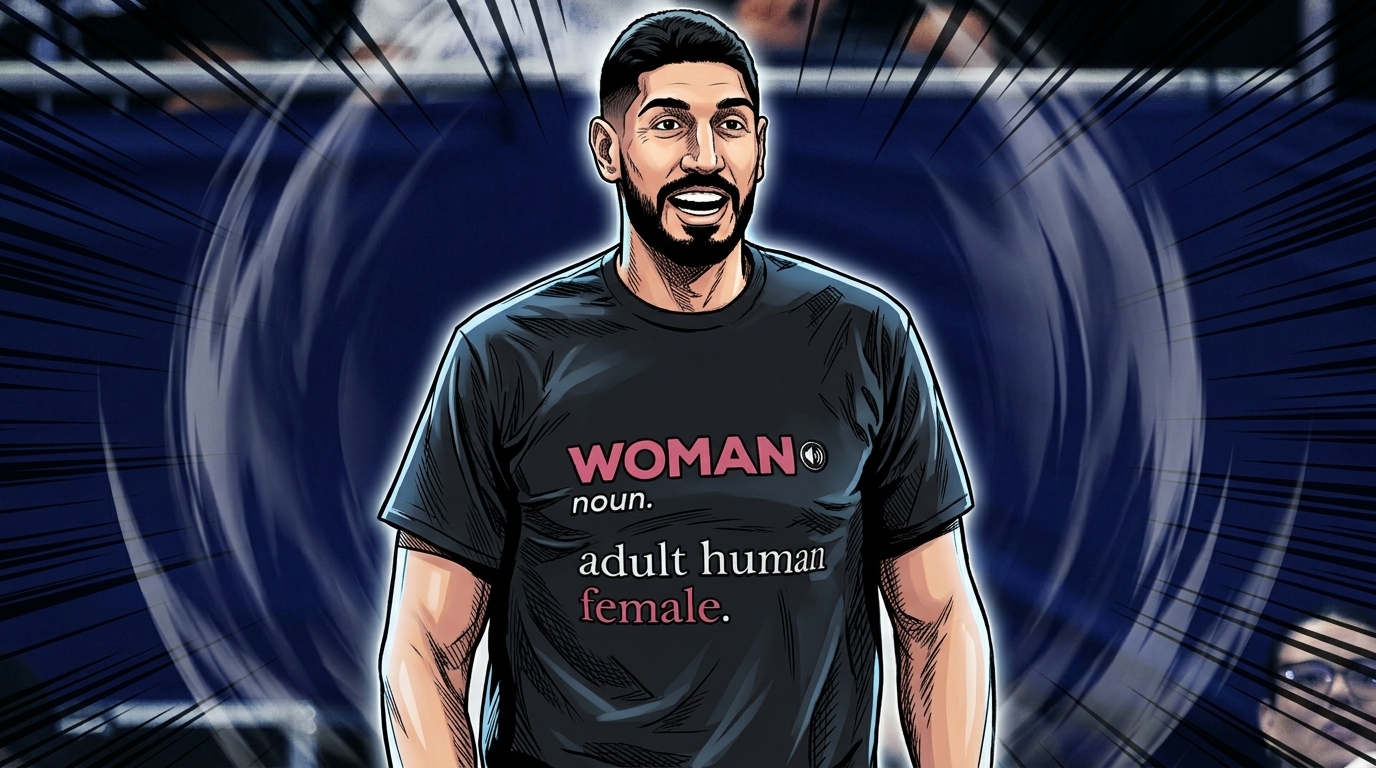

The WNBA suspended Alyssa Thomas one game for pressing her closed fist into Caitlin Clark’s throat, and the suspension was served on a Saturday road game against Toronto. One game. Served when nobody is watching. Against a team that has appeared in zero major storylines this season.
According to the league’s official announcement, Thomas committed “a non-basketball act by recklessly making contact with her fist to the throat area.” That phrasing — reckless, non-basketball — describes something that in any other professional sport would draw multiple games, a fine, and a press conference from the commissioner. Here it drew a Thursday practice day off.
What actually happened on June 24: Thomas drove a knee into Clark’s groin, then followed with the fist to the throat. No foul was called in real time. The referees watched it live and decided it wasn’t worth a whistle. The league reviewed it afterward and decided it was worth exactly one game. Thomas, a three-time All-Star with 13 years in this league and zero prior suspensions, hit Clark in the throat and the collective institutional response was: sit out the Tempo game.
Fever head coach Stephanie White was direct about it in a way league officials were not.
https://twitter.com/DuaneRankin/status/2070021392884752521
“You’re coming in here aware of what happened two nights ago and that shit still happens? Absolutely unacceptable. Absolutely unacceptable.” White also called the two cheap shots “egregious and utterly disrespectful.” Those are the words of someone who has watched this pattern long enough to be genuinely furious rather than strategically outraged.
Clark finished with 19 points and 8 assists in 20 minutes before leaving with a back injury in the third quarter. Her back is not a minor concern — she missed most of last season with the same problem, limited to 13 games. When the league’s most valuable promotional asset leaves a game with an injury after absorbing two unpenalized cheap shots, the discipline office’s response shapes what happens next. What happened next was: one game, served quietly.
I’ve watched enough women’s sports get managed poorly to know what institutional prioritization looks like when it’s absent. This doesn’t read as a punishment calibrated to the act. It reads as a punishment calibrated to avoid a bigger conversation.
The structural issue isn’t Thomas — she’s a competitor who tested what the league would allow and found out the cost is one Saturday in Toronto. The issue is that the WNBA is operating a discipline framework built for an era when nobody was paying attention, applied to a moment when everyone is. Clark’s arrival hasn’t just grown the audience; it’s exposed how thin every layer of the league’s infrastructure actually is. The officiating isn’t ready. The discipline office isn’t ready. The security of knowing your star player will be protected — that isn’t ready either.
https://twitter.com/FOS/status/2070202865449136329
The Fever are 10-8 and have dropped three of their last four, partly because their franchise player keeps leaving games. Every soft ruling teaches the rest of the league something specific: a fist to the throat in the second quarter costs you a game against Toronto. Not a playoff game. Not a prime-time game. The Tempo.
One game. That’s the going rate for a throat shot on the player keeping this league solvent.