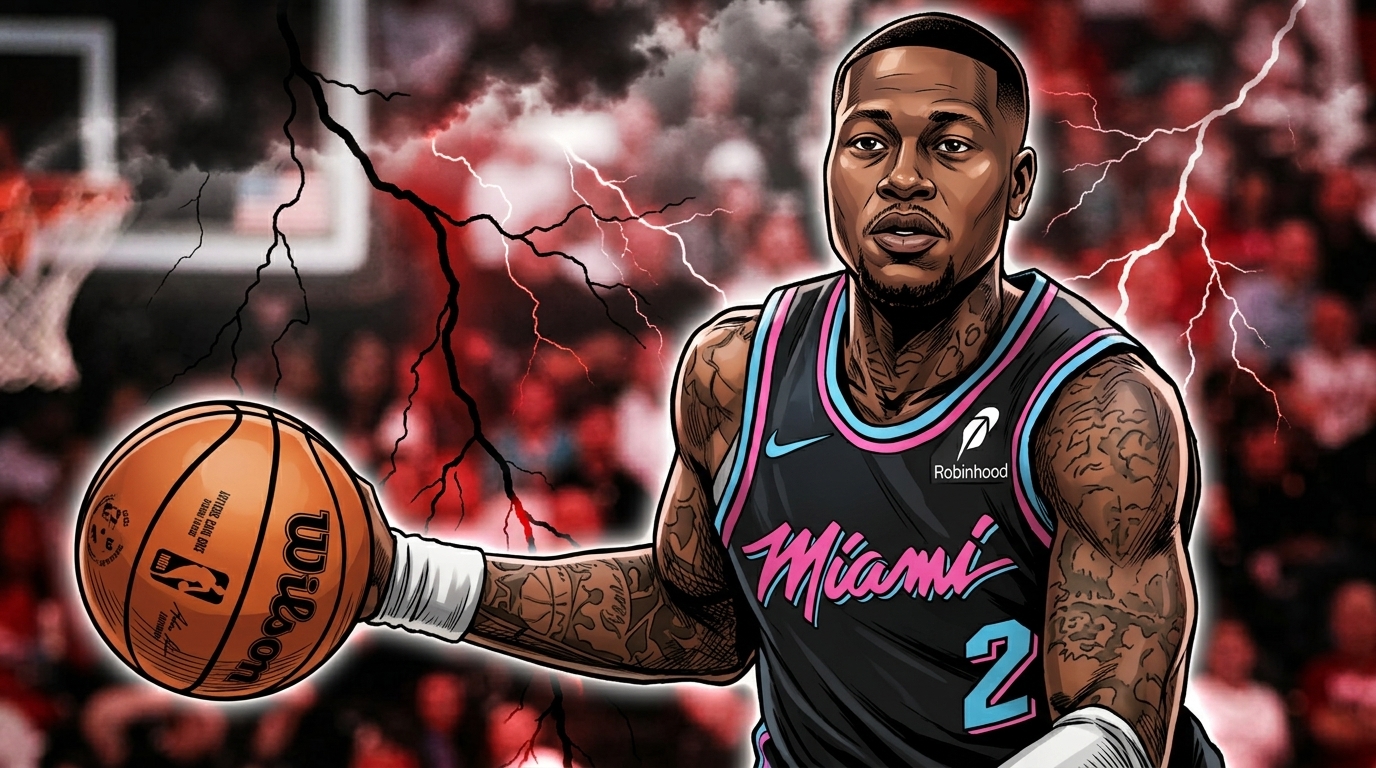
A federal grand jury in Brooklyn returned a superseding indictment against Terry Rozier on Thursday, adding two charges that the original indictment danced around: bribery in sporting contests and honest services wire fraud conspiracy. The new charges allege, in plain language, that Rozier accepted a $100,000 bribe to tank his performance in a March 23, 2023 game between the Charlotte Hornets and New Orleans Pelicans.
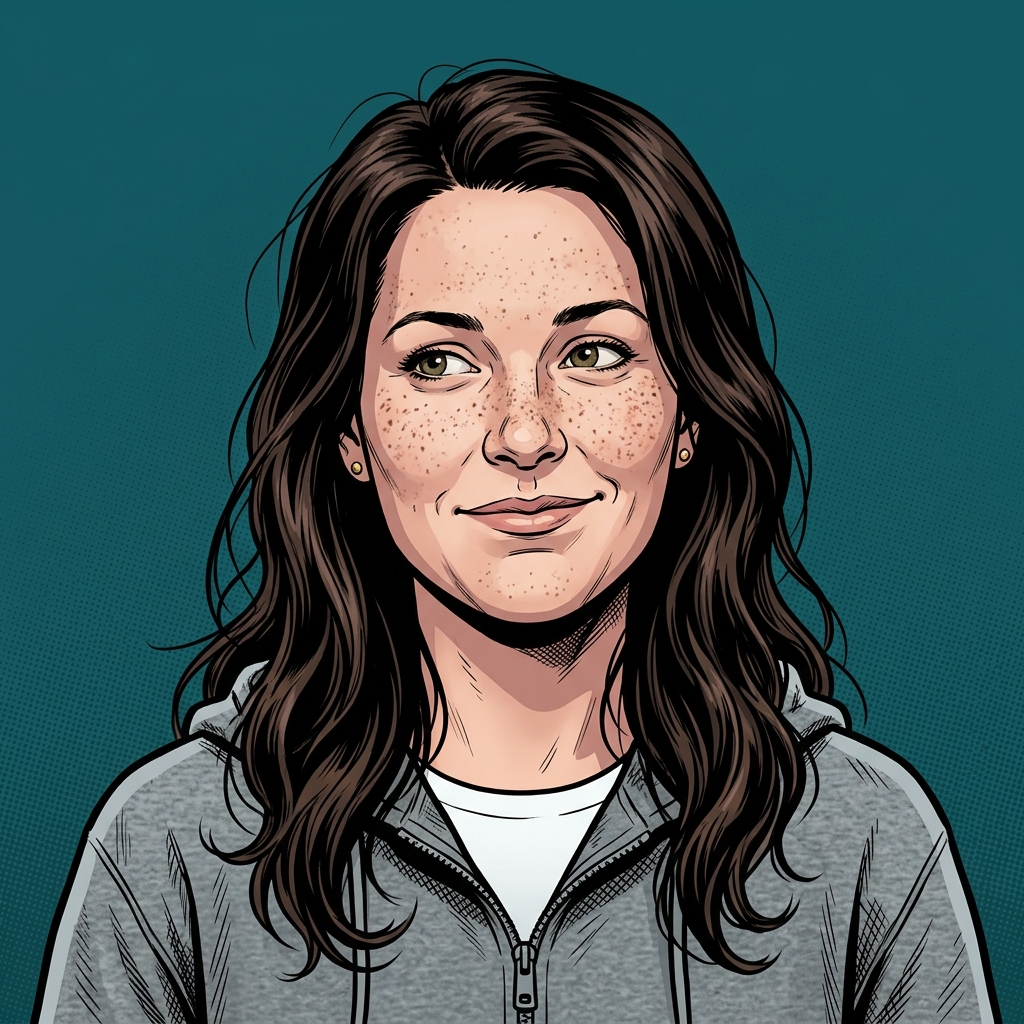
The details are staggering in their banality. Rozier allegedly told his childhood friend and co-defendant Deniro Laster that he planned to exit the game early, citing a lower leg injury. Laster shared the information with a network of bettors, including Marves Fairley — a sports bettor who operated under the handle “Vezino Locks” — who then placed more than $258,700 in wagers on the under for Rozier’s stats. Rozier played nine minutes. He scored five points. His season averages were 21 points, five assists, and 2.6 threes per game.
After the game, the parties negotiated. Rozier had recorded four rebounds, which pushed his rebounding prop over the line and cost the bettors some money. So the agreed-upon $100,000 payment was reduced to roughly $70,000. A discount on a bribe. They haggled over the price of fixing an NBA game like it was a used couch on Facebook Marketplace.
On the same day the superseding indictment dropped, Fairley pleaded guilty in court and admitted he paid a player to alter their game performance to give him a betting advantage. Former NBA player and assistant coach Damon Jones had already changed his plea to guilty. The walls are closing. Rozier’s attorney, Jim Trusty, called the new charges “new theories” and “a sad effort to make something stick.” A bold posture when two of your co-defendants have already admitted to the scheme.
Here is where it gets genuinely damning for the league. The NBA’s own integrity office investigated the suspicious betting activity around that March 2023 game. They met with Rozier. They cleared him. The league’s vaunted integrity apparatus — the one they trumpet every time they sign a new sportsbook partnership — looked at a game where a player averaged 21 points, scored five, left early with no prior injury report, and watched $258,700 in under bets flood the market, and concluded that everything was fine.
The DOJ did not conclude that everything was fine.
https://x.com/ShamsCharania/status/1981325112038346912
The NBA then traded Rozier to Miami without informing the Heat about his federal gambling investigation. An arbitrator later ruled he was owed $26.4 million in salary despite missing the entire 2025-26 season. The Heat waived him this spring. The superseding indictment now names both the NBA and the Charlotte Hornets as victims of the fraud — which is a remarkable designation for organizations that had every tool to catch this and didn’t.
I keep thinking about the sportsbook logos painted on the court. The ones the cameras catch during every free throw. They exist because the NBA made a calculated decision that the billions in sports betting revenue were worth the risk to the product. That bargain only works if the integrity infrastructure behind those logos is real. If it catches things. If a player can’t accept a six-figure bribe, exit a game in the first quarter, and walk away clean because the league’s own investigators shrugged.
The DOJ caught it. The FBI caught it. The NBA did not.
Every responsible-gaming disclaimer is now a decoration.