
We’ve spent the past two weeks watching New York argue, in a courtroom, that sports event contracts are functionally illegal gambling, and watching one of its most valuable cultural exports argue the opposite with a stadium signage deal. Both positions are live in the same state, about the same category of product, inside the same three-week window. Only one of them involves the Yankees.
That’s the part that makes this more than a legal story. New York’s $36 billion lawsuit against Kalshi argues the entire prediction-market business model, betting-style contracts tied to sports outcomes, is unlicensed gambling. The Yankees didn’t just cash a sponsorship check from a company selling that exact model. They put its logo behind home plate and let it borrow the credibility of the most recognizable brand in the sport. Either New York’s case is shakier than its own press releases suggest, or the Yankees just took on real regulatory and reputational risk for ad revenue — and neither building seems bothered by which one it is.
What New York Is Actually Suing Kalshi For
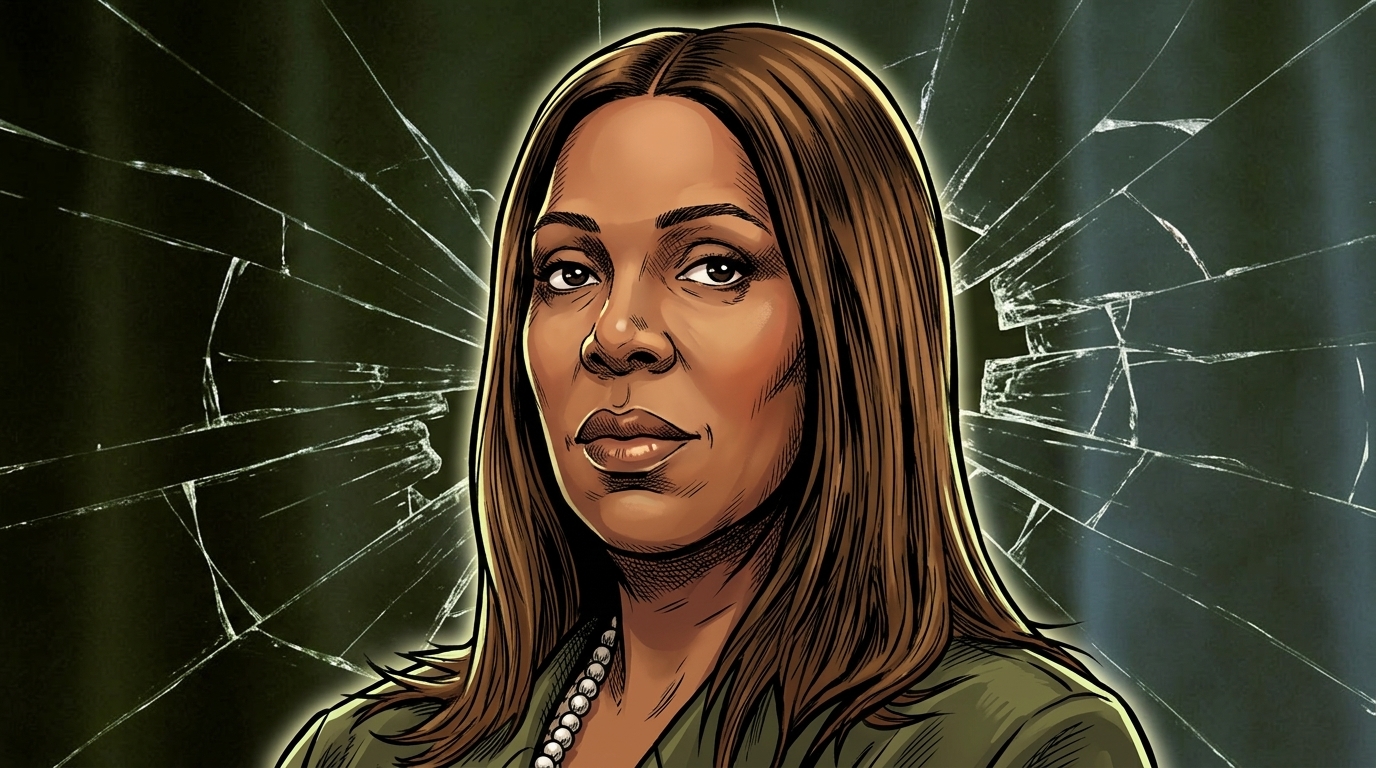
Attorney General Letitia James filed suit against Kalshi in early August, seeking at least $36 billion, the largest number attached to any prediction-market case so far. The complaint’s core claim is straightforward: Kalshi’s sports event contracts function as sports betting, Kalshi never got a license from the New York State Gaming Commission, and Kalshi never paid the 51% tax on gross gaming revenue that every licensed sportsbook in the state pays. (New York has licensed dozens of sportsbooks under that same tax; Kalshi apparently decided the paperwork was optional.) The suit also alleges the platform is reachable by users as young as 18, four years under New York’s mobile betting minimum.
None of this happened in a vacuum. In July, U.S. District Judge Analisa Torres ruled that the Commodity Exchange Act doesn’t preempt New York’s gambling law, rejecting Kalshi’s core defense that federal commodities regulation puts it beyond state reach. Kalshi appealed to the Second Circuit the same day; opening briefs are due August 31. The CFTC, meanwhile, sued to block New York’s case on preemption grounds and then invoked emergency powers on August 11 to keep Kalshi running in the state while the fight plays out. (The CFTC has used that emergency authority seven times in its history. This is one of them.) That’s a genuine jurisdictional collision, not a routine cease-and-desist.
Is Polymarket Legal If Kalshi Isn’t?
Polymarket hasn’t been sued by New York, and it’s MLB’s official prediction-market partner leaguewide, but it sells the same sports event contracts the state’s $36 billion complaint calls unlicensed gambling. The legal theory behind that complaint simply hasn’t been tested against Polymarket yet.
Kalshi is the defendant here. Polymarket is not named in the suit, has not been sued by New York, and is a separate company competing for the same customers. MLB named Polymarket its exclusive prediction-market exchange partner back in March, a deal bundled with a CFTC memorandum of understanding restricting the more sensitive markets (individual pitches, manager decisions, umpire calls) and giving Polymarket exclusive rights to use MLB team logos. That’s a league-wide arrangement, blessed at the federal level, five months before the Yankees signed their own deal with the same company.
Why the Yankees Signed Anyway
On August 6, the Yankees announced Polymarket as their official team prediction-market partner through the rest of the season: signage around the stadium, LED displays behind home plate, visibility on YES Network and Amazon Prime broadcasts, premium suite placement, in-game fan activations. Financial terms weren’t disclosed. Yankees senior vice president Michael Tusiani said the team was “excited to begin a relationship with Polymarket,” and Polymarket’s Ari Borod said Yankees fans are “among the most active on our platform.”
https://twitter.com/Polymarket/status/2085454060883157033
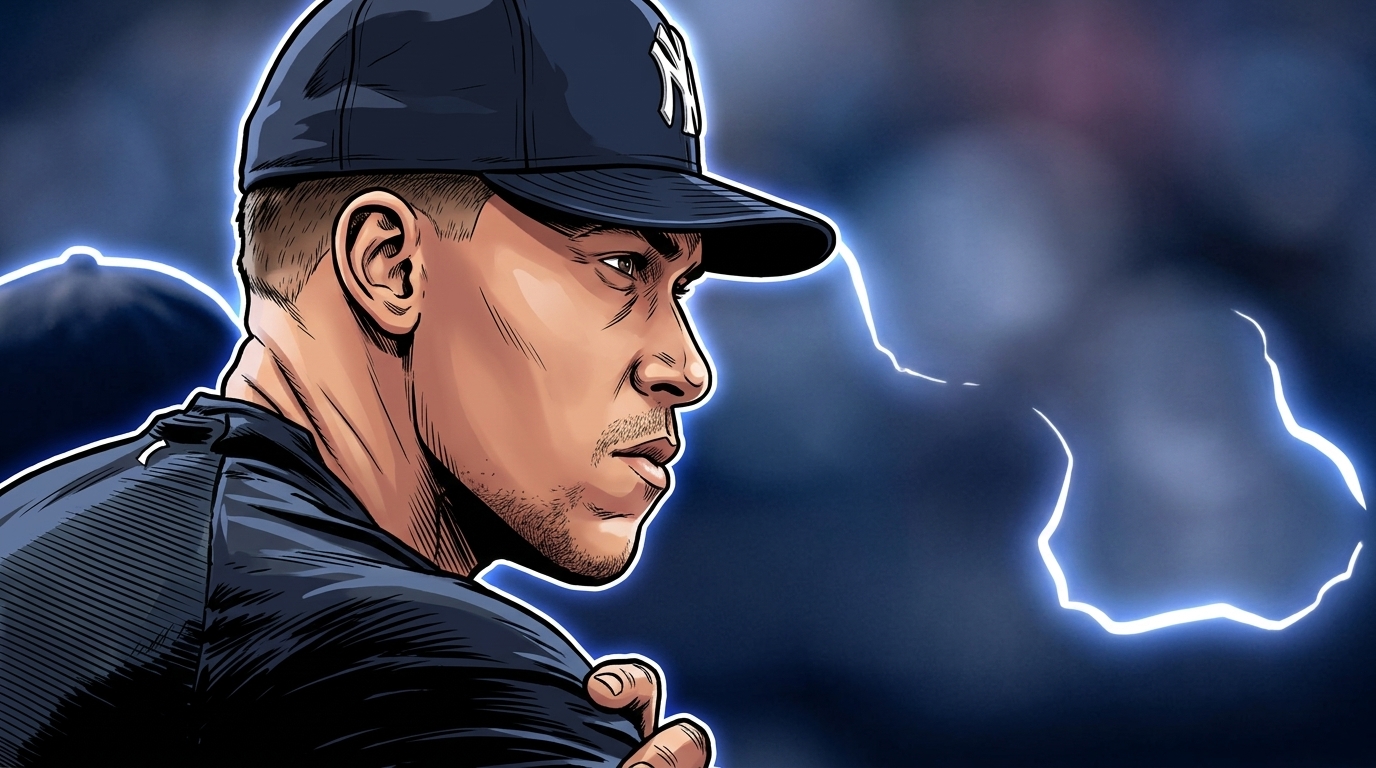
Polymarket announced the deal themselves, and the timing says something on its own: this is the first arrangement of its kind for an MLB team, and only the second in North American pro sports after the Rangers. It also arrived with a detail that undercuts any read of this as a bet on a winning season: Polymarket’s own markets currently give the Yankees a 97% chance of missing the playoffs, which tells you the partnership was never about betting on the team’s fortunes. It was about betting volume for the front office, at a Yankees team that can’t stay out of its own way this season. Aaron Judge has been out since May with a fractured rib, and the front office signed a stadium-branding deal with a betting-adjacent platform anyway. The two facts sit next to each other without anybody in the building acknowledging the tension.
Who Actually Has the Weaker Position Here
I don’t think New York’s case collapses because of a stadium sponsorship deal, and I’m not going to pretend a legal outcome that’s still being briefed in front of the Second Circuit is settled by a press release. But the Yankees deal does something the state’s own messaging can’t undo: it tells every casual fan in the ballpark that this product category is normal, legitimate, league-sanctioned entertainment, at the exact moment the state’s top law enforcement officer is calling that same category unlicensed gambling worth $36 billion in damages. You can’t run both messages at once without one of them looking cheaper than intended.
I think this lands worse for New York than for the Yankees. The Yankees took a straightforward commercial risk: sign with a platform blessed by MLB and a CFTC memorandum, collect the signage revenue, let the league’s federal cover absorb the regulatory exposure if it ever comes due. That’s a bet with real but manageable downside. New York’s exposure is different. Every dollar of signage money the Yankees collect from Polymarket is a public, photographed argument that the underlying product is fine, made by the state’s most visible franchise, while the state’s own lawyers argue the opposite in a courtroom a few miles away. (The stadium deal doesn’t mention the lawsuit once. Neither press release does.) If the Second Circuit sides with Kalshi on preemption, or if Polymarket ever draws the same scrutiny, New York will have spent a summer prosecuting one platform while its flagship team quietly legitimized the entire industry around it.
Keep an eye on August 31. That’s when Kalshi’s opening briefs are due at the Second Circuit, and it’s the first real test of whether Judge Torres’s preemption ruling survives on appeal. If it does, the question stops being theoretical: whatever standard applies to Kalshi applies to Polymarket too, stadium partnership or not. We’ll be watching that fight alongside our gambling coverage, because this one isn’t ending with a single lawsuit.