
There’s a number buried in this week’s 76ers odds move that says more about the rest of the Eastern Conference than it does about Philadelphia, and it isn’t the +900. Since LeBron James signed, the Philadelphia 76ers’ championship price has gone from +2,000 to tied for third in the league without a single game being played this season. That’s not a market falling in love with a roster. That’s a market that doesn’t trust anyone else standing between the Sixers and a Finals trip, and the swirling report that Kevin Love could join next is just the latest rumor feeding a number that’s been climbing since the Jaylen Brown trade.
DraftKings had Philadelphia at +2,000 on Friday morning, fifth in the league. By the time LeBron’s pay-cut decision to sign in Philadelphia had fully sunk in, the book had shortened the Sixers to +900, tied for third with the Knicks. A move that size, in a single day, on a roster that hasn’t scrimmaged together, tells you the market is repricing something bigger than one signing.
How Did the 76ers’ Title Odds Move So Fast?
This didn’t start with LeBron. Philadelphia’s price had already been dropping all summer: Jaylen Brown’s arrival shortened the Sixers’ championship odds from roughly 60-to-1 to 20-to-1 at BetMGM, with some books pricing it as tight as 13-to-1. Adding a former Finals MVP on top of that just sped up a trend that was already moving.
The current board for the 2026-27 title race makes the shape of it clear. Oklahoma City and San Antonio share co-favorite status at +270; the Knicks and 76ers sit tied for third at +900; Boston trails at 13-to-1. Philadelphia’s odds to win the East alone moved from +750 to +350 over the same stretch, second only to New York’s +330. That’s the real signal. Vegas is pricing more than a stronger Sixers roster: outside of New York, nobody else in the conference looks finished yet.
How Dominant Is Philadelphia’s Betting Market Share?
It’s not a one-day spike. BetMGM’s own figures show Philadelphia leading the entire championship market with 17.4 percent of tickets and 24.2 percent of handle — meaning nearly a quarter of every dollar bet on an NBA champion this offseason is sitting on the Sixers, measured days after the signing-day rush should have faded.
Call it the No-Rival Premium. Some fraction of every dollar sitting on the Sixers right now isn’t a bet on Philadelphia’s roster so much as a bet against everyone else’s uncertainty — the East hasn’t given bettors a clean second option, so the board defaults to the team with the biggest name attached to it.
Prediction markets are telling the same story in real time:
https://twitter.com/PolymarketSport/status/2080680907241840698
Polymarket’s traders moved almost as fast as the sportsbooks did, and when two different markets, one running on cash and one running on prediction-market contracts, land on the same number within days of each other, it’s a signal they’re reading the same gap in the conference rather than reaching two independent conclusions.
Is Philadelphia’s Roster Actually a Title Contender?
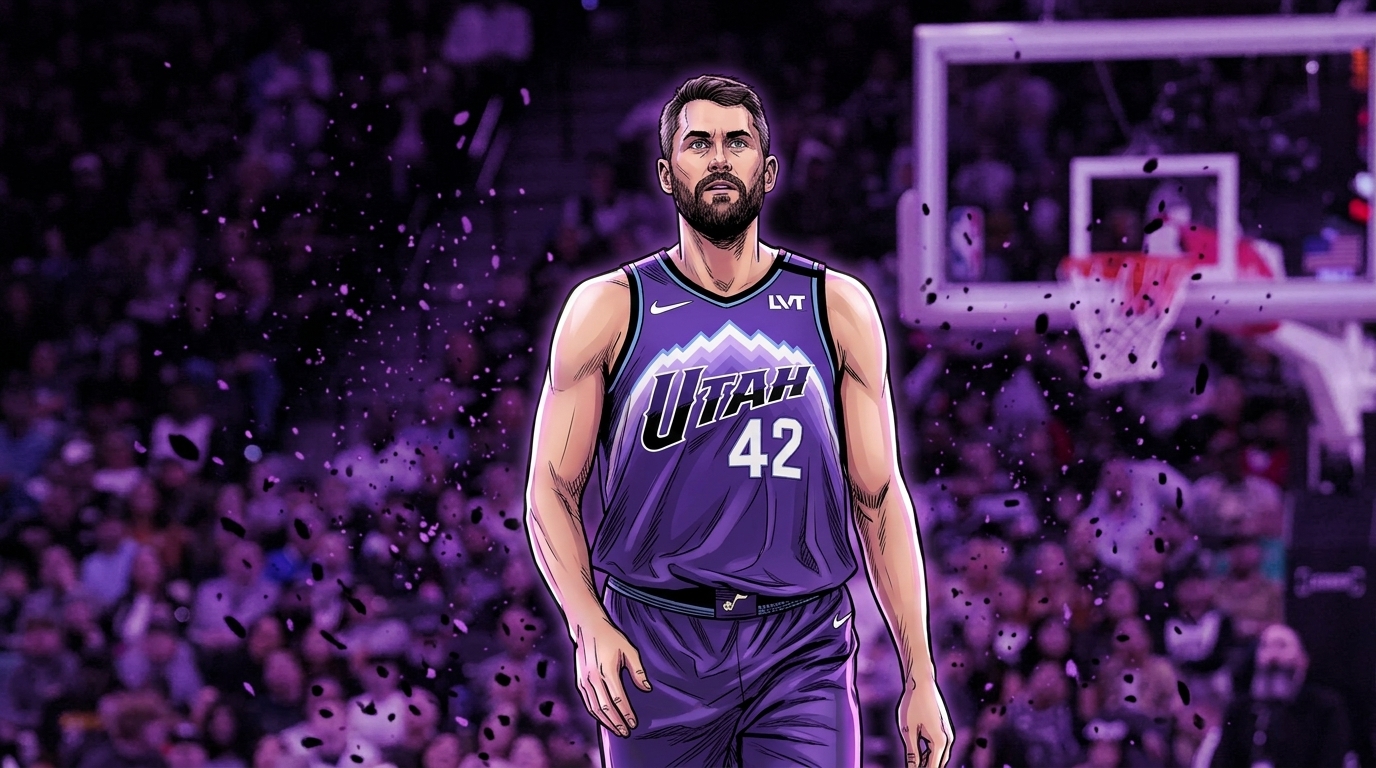
The newest name in the rumor mill is Kevin Love, whose agent has been in contact with Philadelphia about a veteran minimum deal that would reunite him with James for the first time since their Cavaliers partnership (2016 title included) ended in 2018. Nothing is finalized, and it isn’t simple: the Sixers are sitting a little over $1.8 million below the first-apron hard cap with a full 14-man standard roster, so adding a 15th body means moving someone else first. Even if it happens, Love is 37. He wouldn’t be walking into a starting role or 30 minutes a night, just frontcourt depth and a locker room that already trusts him. Kevin Durant compared this roster to his own 2016-17 title team, and that comparison carries some weight, but Durant’s Warriors also had four healthy All-Stars in their primes. Philadelphia is stacking name recognition on top of real fit questions: an aging supporting cast, a roster built more around July headlines than training-camp chemistry, and Joel Embiid’s knee, which was the entire argument two weeks ago and hasn’t gone anywhere.
I track my own shooting percentage at pickup games on Saturday mornings at the Berkeley rec center, and even a hot month of makes barely tells me anything about a real season. A 37-year-old free agent who hasn’t even signed yet tells the market even less than that, and the odds board barely moved on the Love rumor at all — which is the actual tell here. A fourth big man was never going to be why this number moves again. The rest of the conference is.
What Is the Market Really Pricing In?
Strip away the roster talk and the number itself is doing something more interesting: pricing collective doubt about an entire conference before a single possession has been played. Futures odds this early in an offseason aren’t really measuring team quality. They’re measuring where sharp and public money agrees there’s the least uncertainty, and right now that’s Philadelphia by default and New York on merit. Boston at 13-to-1 is the giveaway. A defending title-caliber core dropping that far down the board says less about Boston’s roster than about a league where the bar for “clear second option” has gotten low enough that an unsigned 37-year-old free agent is a live betting storyline.
Give me the field over Philadelphia’s price holding through opening night. Not because the roster is bad (Embiid, Brown, and James together is a real basketball problem for anyone to solve) but because a number built this fast, on this much uncertainty about everyone else, is the most likely part of this whole story to move again. The Sixers earned the shortened price. The rest of the East handed them the extra 1,100 points.