
Baltimore’s lawsuit says DraftKings and FanDuel track 186 things about you, and I found out what at least one of them is when my phone buzzed on the nightstand at 1 a.m. to tell me my parlay “needs one more leg.” I was awake because the notification woke me up, which is the entire design brief working as intended, and I am begging whoever is still out there defending these apps as harmless entertainment to understand that a push notification built to reopen your account at 1 a.m. was not an accident. Nobody stumbled into that. Somebody built it, tested it, and shipped it because it worked, and calling it a UX quirk is bullshit.
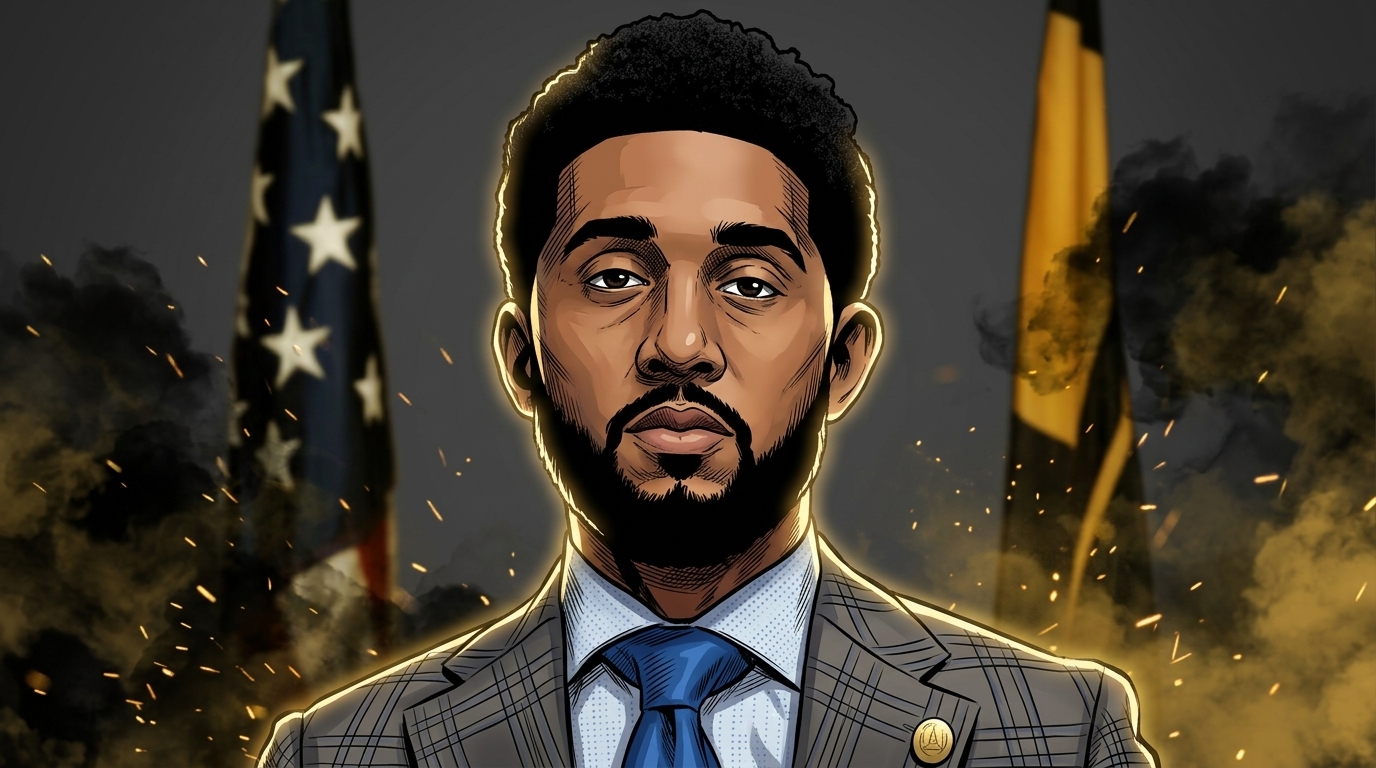
On April 3, 2025, Baltimore did something no American public entity has done since the Supreme Court legalized sports betting nationally in 2018: it sued a sportsbook. City Solicitor Ebony Thompson and the firm DiCello Levitt filed against DraftKings and Flutter, FanDuel’s parent company, in Baltimore City Circuit Court, alleging violations of the city’s Consumer Protection Ordinance. Mayor Brandon Scott didn’t bury the accusation in legalese. He said DraftKings and FanDuel “have specifically targeted our most vulnerable residents — including those struggling with gambling disorders — and have caused significant harm as a result.”
The complaint doesn’t stay abstract for long, and the how of it gets specific enough to feel personal. The companies allegedly run bonus-bet promotions that expire in seven days, engineered to push frequent early betting before the clock runs out, while behavioral analytics flag problem gamblers for personalized inducements to keep them betting. The suit claims DraftKings and FanDuel track at least 186 attributes per customer, including “propensity to gamble and susceptibility to marketing,” and route flagged users into VIP programs with dedicated hosts who check in “to keep these players betting.” Flutter already restricts this exact behavior in the UK, with financial vulnerability checks and VIP limits. Not here. Here, per the complaint, the target is every user’s “lifetime value,” pursued “with every promotion, every notification, every VIP solicitation.” That’s not a slogan I’m making up to sound clever. That’s their own language, sitting in a legal filing.
In January 2025 alone, Marylanders bet more than $457 million combined on DraftKings and FanDuel, nine times what they put on third-place BetMGM. That’s the size of the machine Baltimore is trying to regulate, and on Nov. 10, 2025, the case got remanded back to state court, where it is now proceeding.
The industry has met this kind of scrutiny with money before, pouring $43 million into a super PAC built to kill the regulations that would stop this, and Baltimore isn’t the only front. In March 2026, hours after a Los Angeles jury found Meta and YouTube liable for addictive design that harmed a young user, the Public Health Advocacy Institute filed product liability suits against DraftKings and FanDuel in Massachusetts and Pennsylvania, applying the social-media playbook directly to sportsbooks. Their attorneys allege the apps use behavioral data to target users “precisely when they’re most susceptible, like late at night or after a big loss.” Lead counsel on the Pennsylvania suit is Richard Daynard, the attorney who got the tobacco industry to a $206 billion settlement. Pennsylvania plaintiffs allege combined losses topping $2 million.
Front Office Sports flagged the same wave of litigation:
https://twitter.com/FOS/status/2037884914087923866
Two lawsuits, one league named as a co-defendant over its promotion of microbetting, and a sport still cashing the sponsorship checks while its own goddamn name shows up in a legal complaint about addiction.
I’ll give the skeptics their due: courts have dismissed similar suits before, ruling that sportsbooks aren’t legally obligated to monitor an individual customer’s betting habits, and that precedent is a genuine problem for these plaintiffs. But that’s a headwind for any one case, not for the underlying exposure. The growth model itself, push notifications engineered to reopen the app, odds tuned in real time to keep a losing bettor betting, is now sitting in a discovery request instead of a product roadmap. That doesn’t reverse if Baltimore loses. Every quarter these companies keep running the model, they hand the next city a bigger file.
Meanwhile the financial press keeps writing the DraftKings and FanDuel stock slide as a Kalshi-and-Polymarket story, framed like the real threat is a smarter competitor and not sportsbooks cashing checks while their product terrorizes people badly enough for a city government to sue them. I would like my sleep back. Barring that, I will settle for watching these two companies explain the word “lifetime” to a jury.