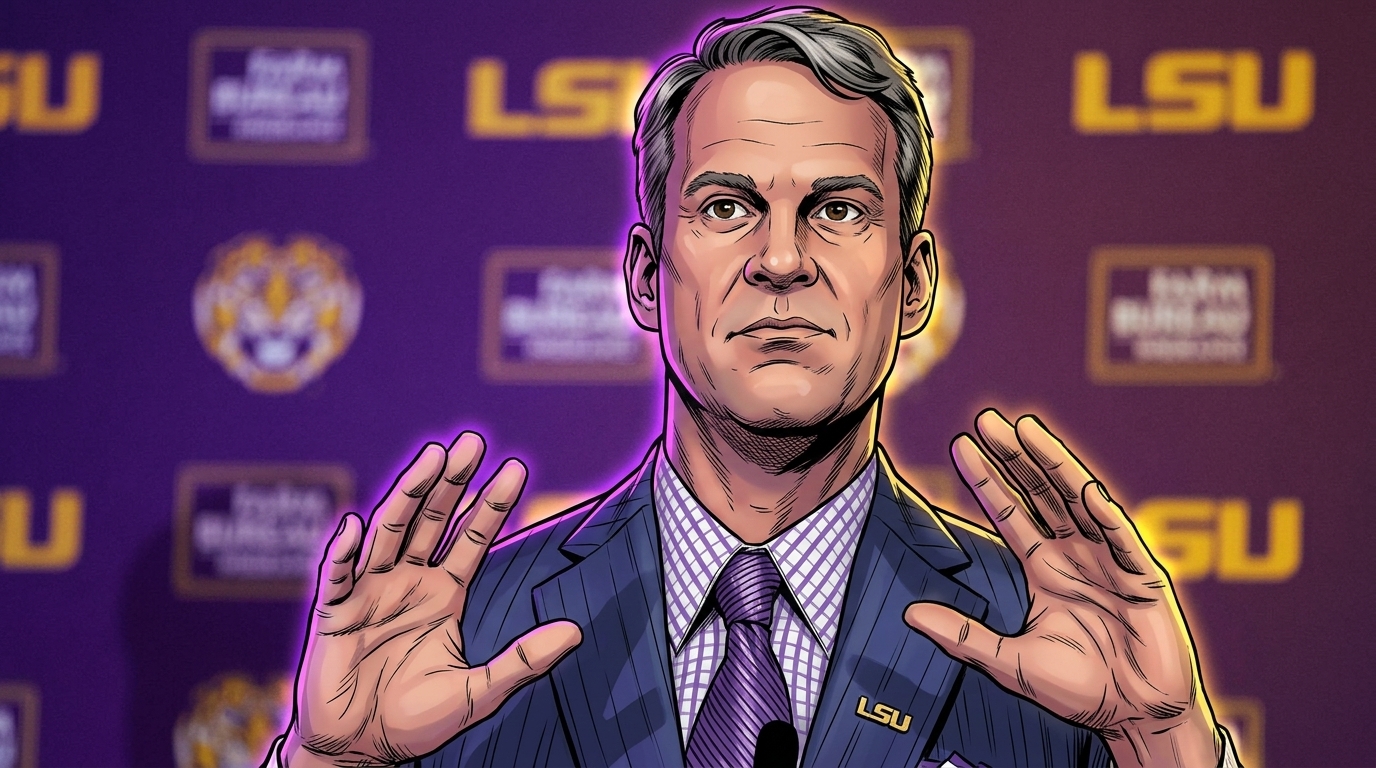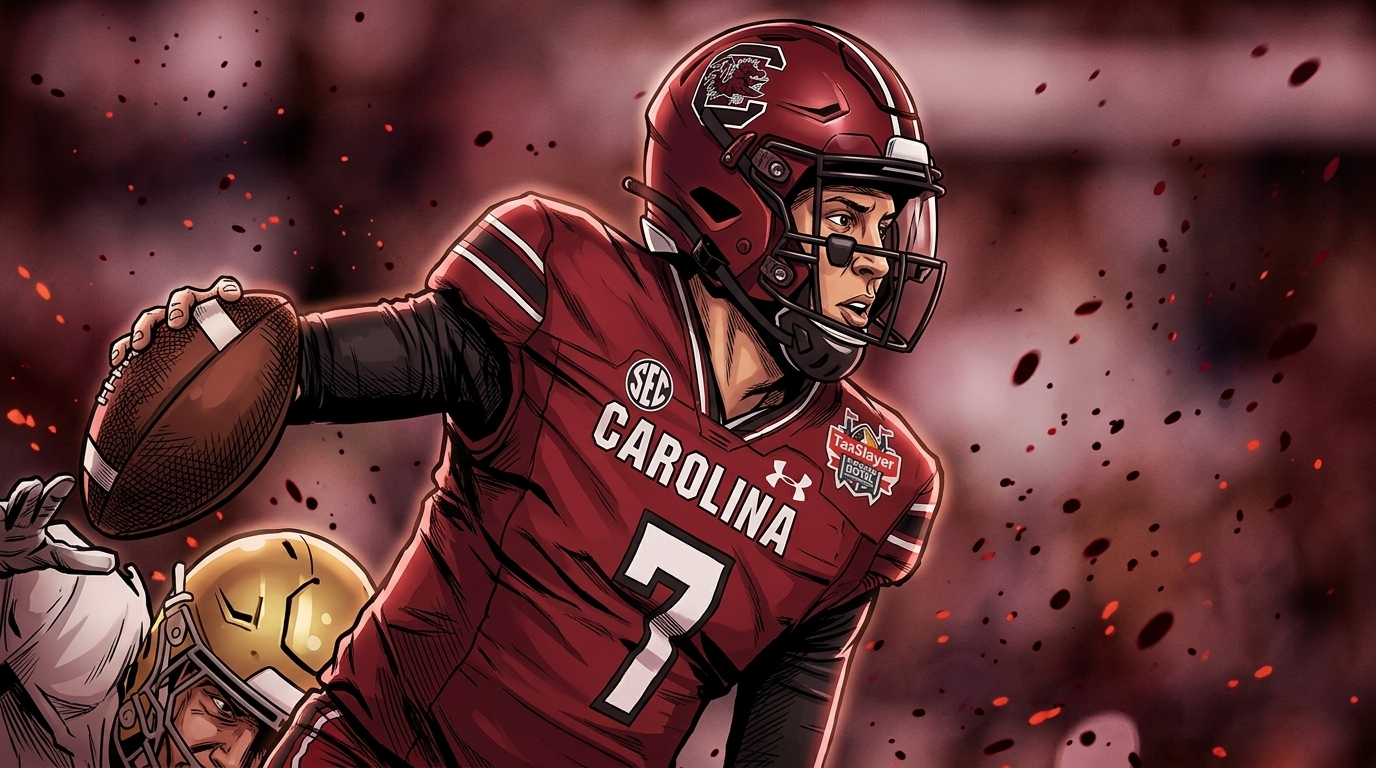

I cannot tell you how much patience it takes to watch Greg Sankey stand at a microphone and talk about protecting college athletes. This is the man who runs a conference that pocketed billions off unpaid labor for decades, who helped blow up every functional governance structure in college sports, and who now wants you to believe he’s the reasonable voice in the room. The Protect College Sports Act cleared the Senate Commerce Committee 19-9 on June 18 (bipartisan, 267 colleges in 49 states) and Sankey and his Big Ten counterpart Tony Petitti are out here explaining why it needs more work. It never needs more work when the work is protecting their money. It always needs more work when the work is protecting someone else’s.
I worked in housing policy for 18 months after Rutgers. Long enough to recognize a property owner blocking tenant protections because “the legislation is too complex.” The complexity is the point. You keep things complex when you profit from the confusion. The SEC and the Big Ten have spent thirty years profiting from the confusion of college sports: the NCAA enforcement void, the state-by-state NIL patchwork, the transfer chaos, the scholarship limits, all of it. These institutions didn’t just benefit from the broken system. They designed the brokenness wherever the NCAA let them.
Now there’s a bill that might actually change something, and Sankey issued this joint statement with Petitti on June 2: “We continue to believe revisions are needed to secure our support for the bill.” Four objections. The state law preemption isn’t strong enough. Rulemaking shifts to Congress. Litigation expands. The House settlement revenue sharing gets “altered in a way that may result in fewer student-athletes receiving direct revenue share payments.” That last one is the tell. The SEC and Big Ten are worried about 500,000 college athletes receiving fewer direct payments. The same conferences that fought NIL in every state legislature they could reach, that blocked every reform for thirty years, are now the guardians of the athlete’s wallet.
https://x.com/SenTedCruz/status/2062592043830882528
Senator Maria Cantwell did not come to play. She accused Sankey and Petitti of “moving around deck chairs while making millions of dollars themselves” and alleged they were using scheduling threats to intimidate university presidents into opposing the bill. The anti-expansion provision in the Protect College Sports Act — the part that limits what conferences earning $700 million or more in annual revenue can do with that money — was added specifically because Ted Cruz had a direct confrontation with Sankey and Petitti about their Super League ambitions. That’s the provision they want revised. Of course it is.
What the bill actually does: it codifies NIL while distinguishing legitimate endorsement deals from disguised recruiting payments, requires disclosure above $600, pools media rights so schools can jointly negotiate broadcast deals with projected revenue of $4 to $8 billion distributed more broadly across college sports. That last piece is the real threat. The SEC and Big Ten don’t want the NIL enforcement vacuum plugged. They don’t want media revenue shared more broadly. They want to keep operating in the space between chaos and control, because that space is where their leverage lives.
The Mountain West program trying to retain a coach loses to a conference that can just absorb the deficit with TV money. The Sun Belt school building a competitive roster loses its conference partners to SEC expansion. The kid from a mid-major who finally has NIL protections under state law loses those protections if the federal framework lets power conferences carve out exceptions. These are the actual victims of the negotiating vacuum the SEC and Big Ten are defending. Not abstract, not “college sports” as a concept. Specific Mountain West athletic directors, specific Sun Belt coaches, specific players trying to navigate the SEC’s record on athlete protection without any federal floor underneath them. That’s who gets screwed while Sankey polishes his objections.
Sankey told the committee “as drafted, these provisions are likely to increase litigation rather than reduce it.” This from the commissioner whose conference is currently in or adjacent to more antitrust litigation than any entity in college sports history. The man is worried about litigation. The cynicism is so total it has its own gravity. The Protect College Sports Act 19-9 vote out of committee is the furthest any federal college sports legislation has gotten in years, backed by the NFL, MLB, NBA, the NFLPA, the NBPA, 24 conferences, and Charlie Baker saying the current state of play cannot continue. The only organized opposition is the two richest conferences in the country.
They don’t want stability. They want to own the instability. Those are different things, and the people who can’t tell them apart are exactly the ones this bill is designed to stop.