
Thirty years of WNBA basketball. More than 300 regular seasons worth of games, more than 30 All-Star weekends. In all of that, only ten rookies had ever started the WNBA All-Star Game before Olivia Miles walked onto that court in 2026.
Ten. In three decades.
Miles became the eleventh. She did it as a second-overall pick, not even the headliner of her draft class, playing for a Minnesota Lynx team that has quietly built the most dominant record in the league. That isn’t a feel-good story. That’s a data event. And the fact that most people are still watching Indiana and Dallas tells you exactly how much attention the actual story of this WNBA season is getting.
https://twitter.com/espn/status/2072730537345614012
How Rare Is a Rookie All-Star Starter, Actually?
The complete list of WNBA rookies who have started an All-Star Game spans 30 years and runs exactly eleven names long. Miles joins Chamique Holdsclaw (1999), Sue Bird and Tamika Catchings (2002), Maya Moore (2011), Brittney Griner and Elena Delle Donne (2013), Shoni Schimmel (2014), Aliyah Boston (2023), Caitlin Clark (2024), and Paige Bueckers (2025). That cohort includes four Hall of Famers, two MVPs, and several championship rings. Miles is the first second-overall pick on that list; every other starter was either picked first overall or was a fan-vote anomaly. She earned this on performance.
That detail matters more than it sounds. Fan voting carries noise. Schimmel’s 2014 start owed almost entirely to a social media campaign in Indigenous communities, and the data on her actual production that year didn’t support it. Miles ranked second among guards in All-Star voting, behind Bueckers, ahead of Clark’s All-Star vote story and Kelsey Mitchell combined. The voters here were right.
The Lynx connection adds another layer. Moore was the last Minnesota rookie to start an All-Star Game, doing it in 2011, her debut season. She went on to win four WNBA championships, claim two league MVP awards, and make six All-Star rosters. The Lynx dynasty that followed wasn’t an accident of roster construction. It started with a signal exactly like this one.
What Do the Numbers Say About Miles Right Now?
In 19 games, Miles is averaging 18.7 points, 5.7 assists, 4.8 rebounds, and 1.4 steals per game, shooting 51.9 percent from the floor and 89.5 percent from the free-throw line. She is logging 30.8 minutes a night. I ran her per-minute numbers, her efficiency numbers, and her numbers against the Bueckers story in Dallas three different ways and kept landing in the same place: this is not a statistical quirk. This is consistent, high-efficiency production across every meaningful category.
The counting stats already rewrote the record books. Miles set the WNBA rookie record for three-pointers in a single game: 8-of-11 against the Golden State Valkyries on June 4. She became the first player in league history to reach 350 points and 100 assists in her first 19 games, clearing the marks Bueckers set in 20 games and Clark set in 22. The WNBA credited her with the most points generated in any rookie’s first 15 games in league history. She had 20-plus points and 5-plus assists on her literal debut, placing her fifth in league history for that combination.
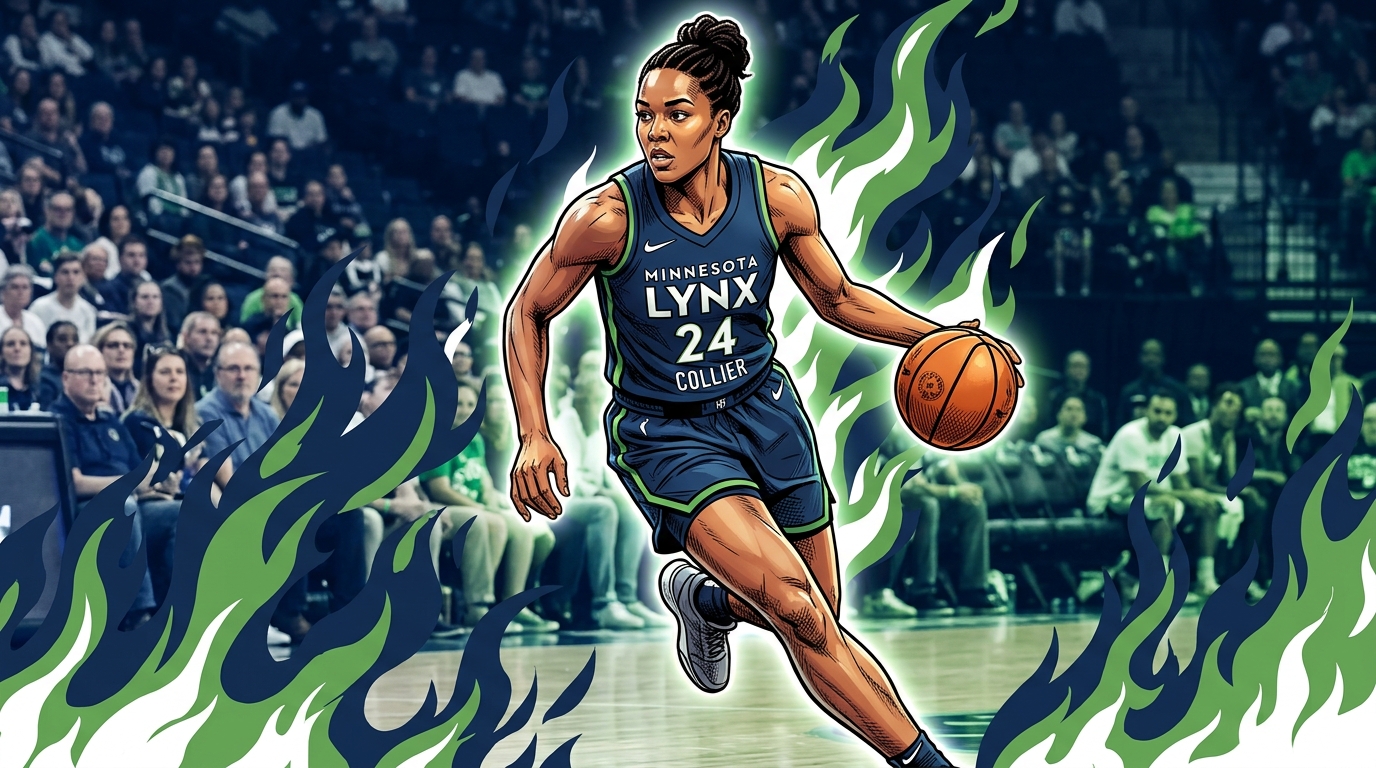
What makes those numbers stranger is the context in which she’s producing them. Napheesa Collier, the All-WNBA first-team anchor and the gravitational center of this team, has missed significant time. Dorka Juhász, the starting center, is also out. The Lynx are 15-4 with the best record in the league and a point differential of plus-11.2 — more than double the second-best team (Golden State, at plus-5.0). Miles isn’t filling in on a functional roster. She is elevating a depleted one.
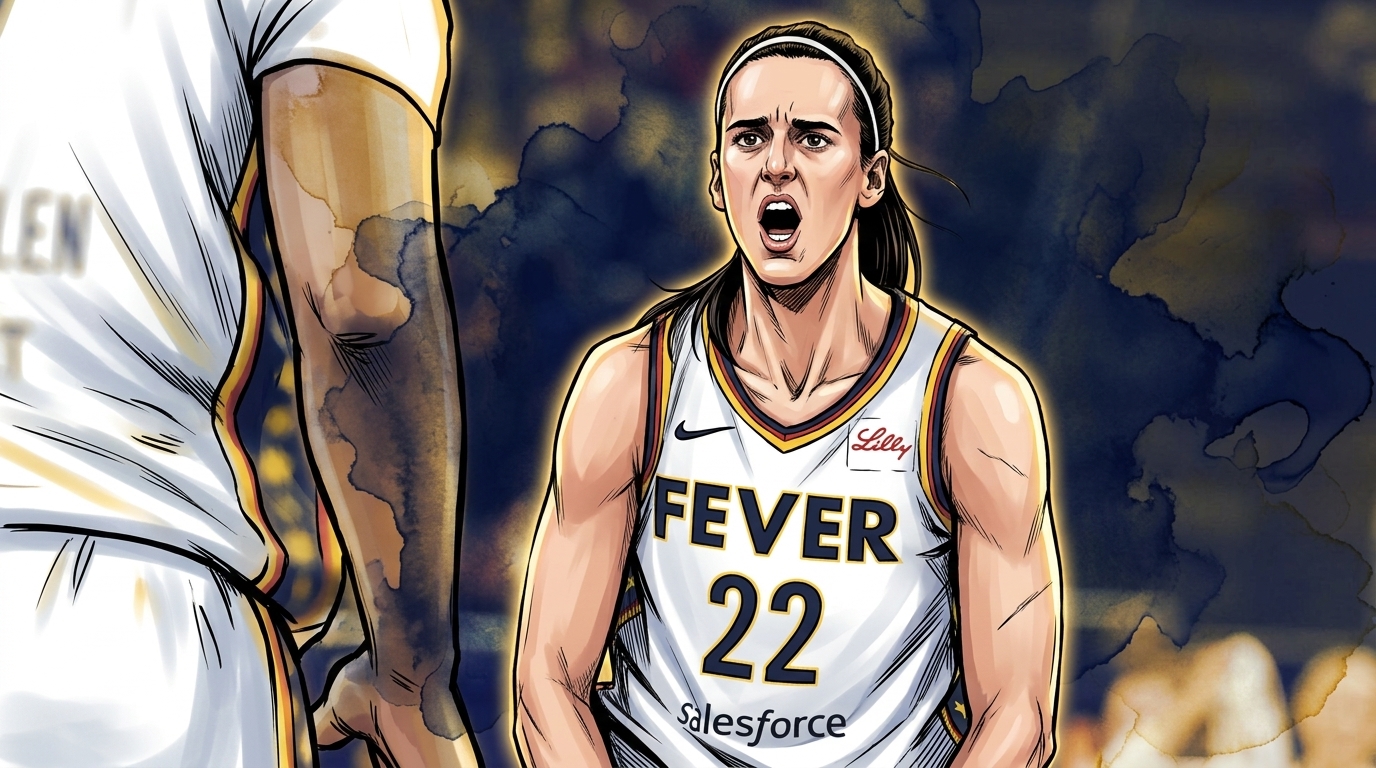
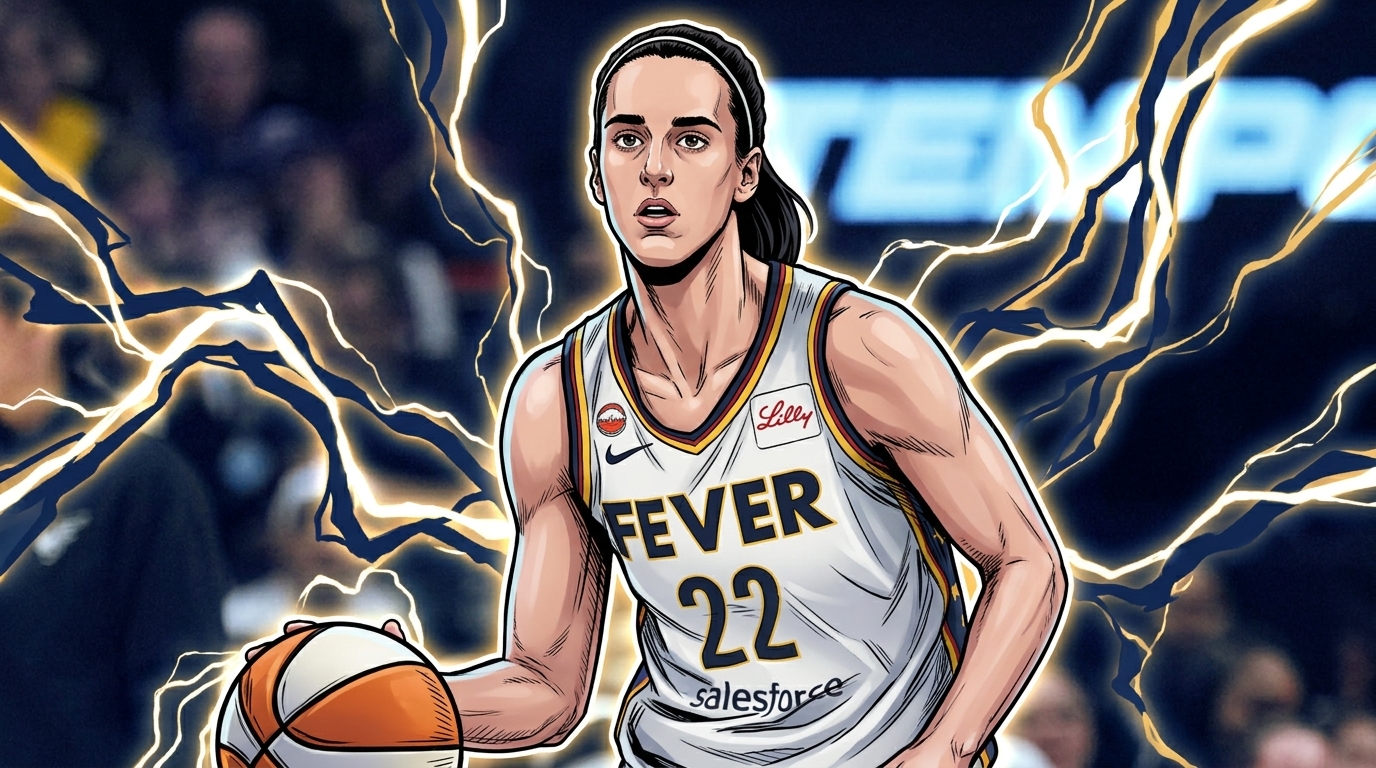
Compare that to the other recent rookie All-Star starters: Clark’s Fever were a lottery team absorbing the cultural weight of a phenomenon. Bueckers, now in her second season with Dallas and the top vote-getter in 2026 All-Star balloting at 1,045,051 votes, had an established organizational structure around her. Miles is doing this on the fly, without her best teammate, and the team’s record looks like a dynasty in the making.
What Does History Predict for the Lynx?
The honest counterargument here is sample size. Nineteen games is not a career. Several players on that eleven-name list peaked before they should have. Boston’s 2023 All-Star start came before she became one of the most undercovered stars in the league. Griner and Delle Donne, both 2013 starters, didn’t even play in that All-Star Game. Rookie All-Star starts have predicted 10-year careers, and they have also predicted players who plateaued at 22.
The data pushes back on that concern here. Miles’ production is not carrying unsustainable efficiency on low volume. She is taking real shots, logging real minutes, and converting at rates that held across the first three weeks of the season, then the first five weeks, then the first seven. The efficiency hasn’t regressed. Her 5.7 assists per game at age 22 suggest a player who already understands the geometry of the offense at a level most guards don’t reach until their third or fourth season.
Historical rookie All-Star starters who hit efficiency thresholds comparable to Miles’ current numbers in their first seasons went on to become foundational franchise players. Bird. Catchings. Moore. The comps aren’t subtle. And unlike the Fever in 2024 or the Wings in 2025, the Lynx already have a championship infrastructure: a front office that has built around elite players before, a coach who knows what sustainable contention looks like, a market that has sustained WNBA fandom through down years. Miles isn’t landing in a rebuild. She’s landing in an organization that knows exactly what to do with a player like her.
The media cycle right now runs through Indiana and Dallas. Clark’s cultural gravity still pulls every camera, every headline. Bueckers’ second-year leap is the next story everyone wants to tell. Miles is scoring 18.7 points per game, distributing 5.7 assists, and carrying the league’s best team — and she’s doing it in a media market where nobody is watching. The history of this list says that won’t last. Eleven starters in thirty years, and almost all of them became the franchise. Minnesota just drafted the next one.