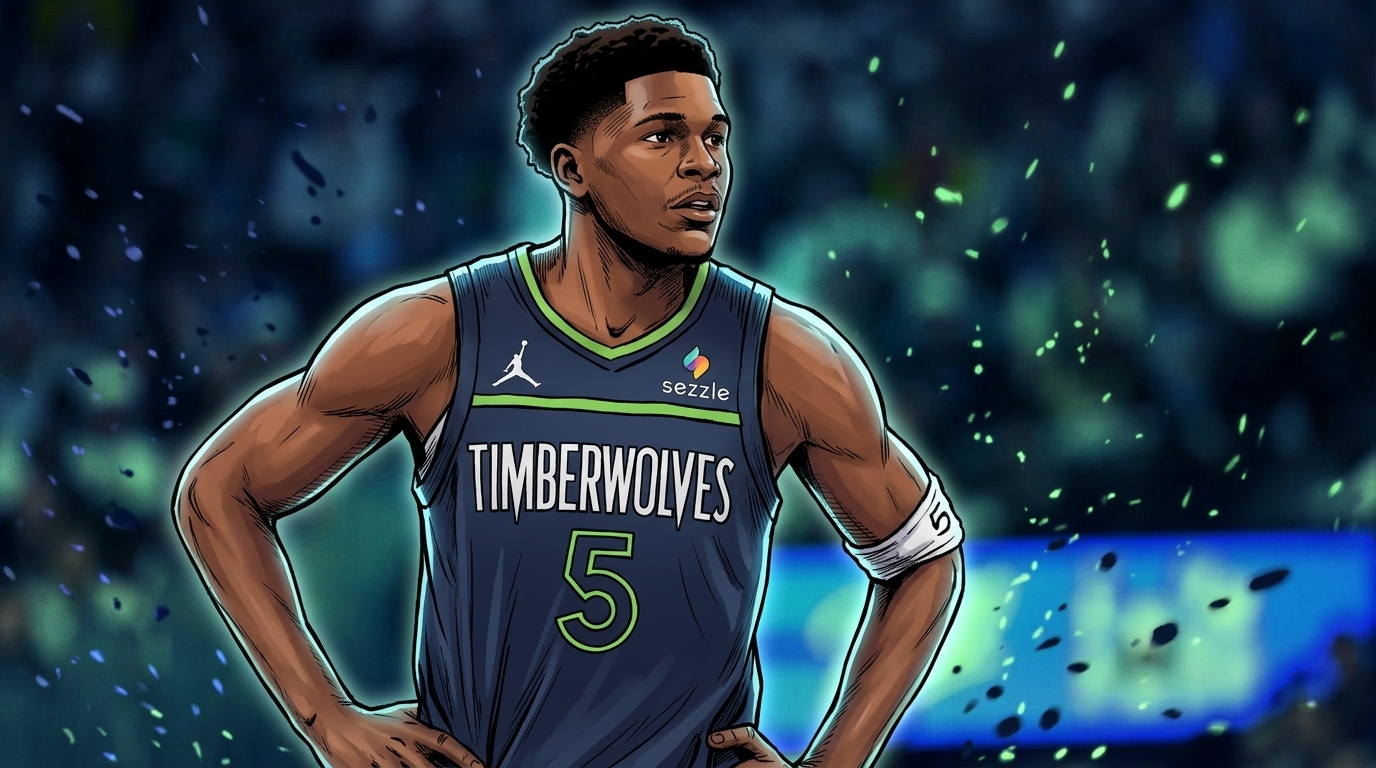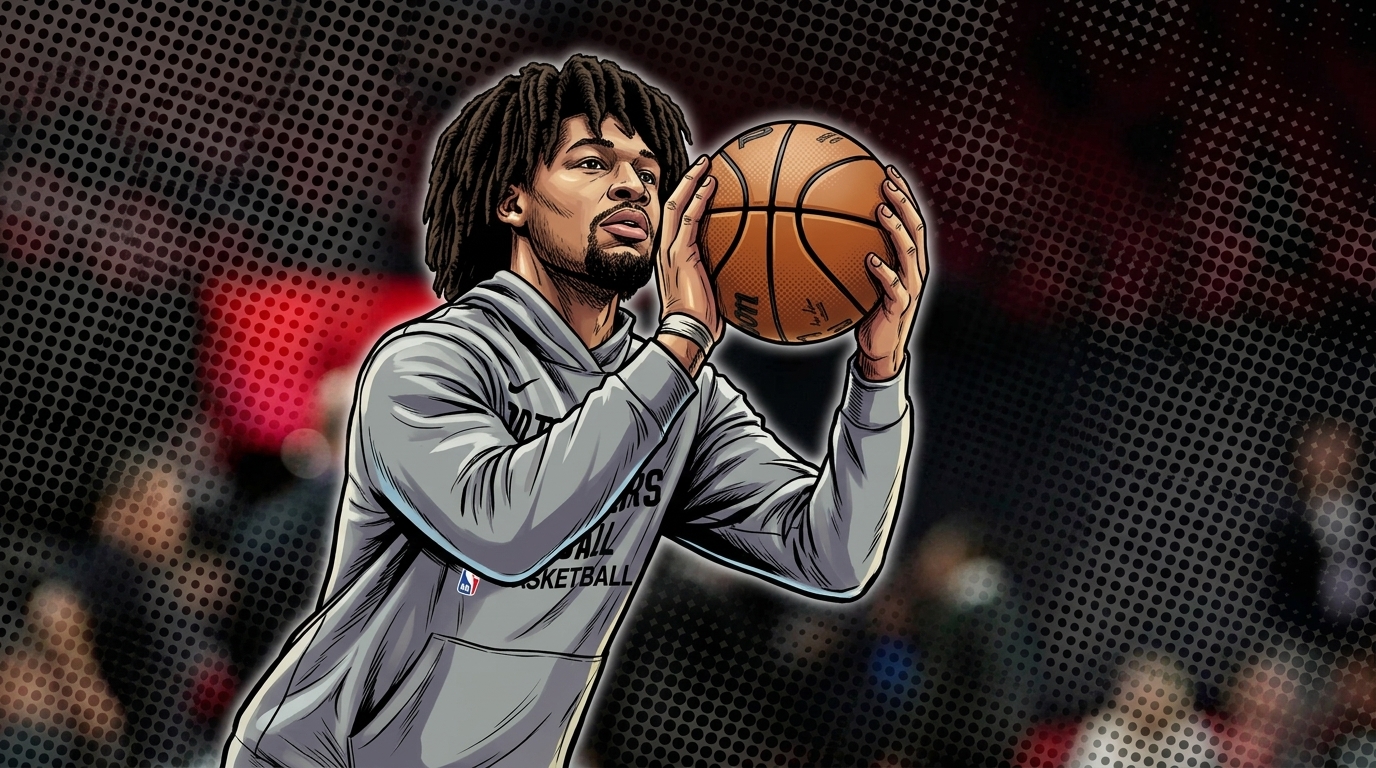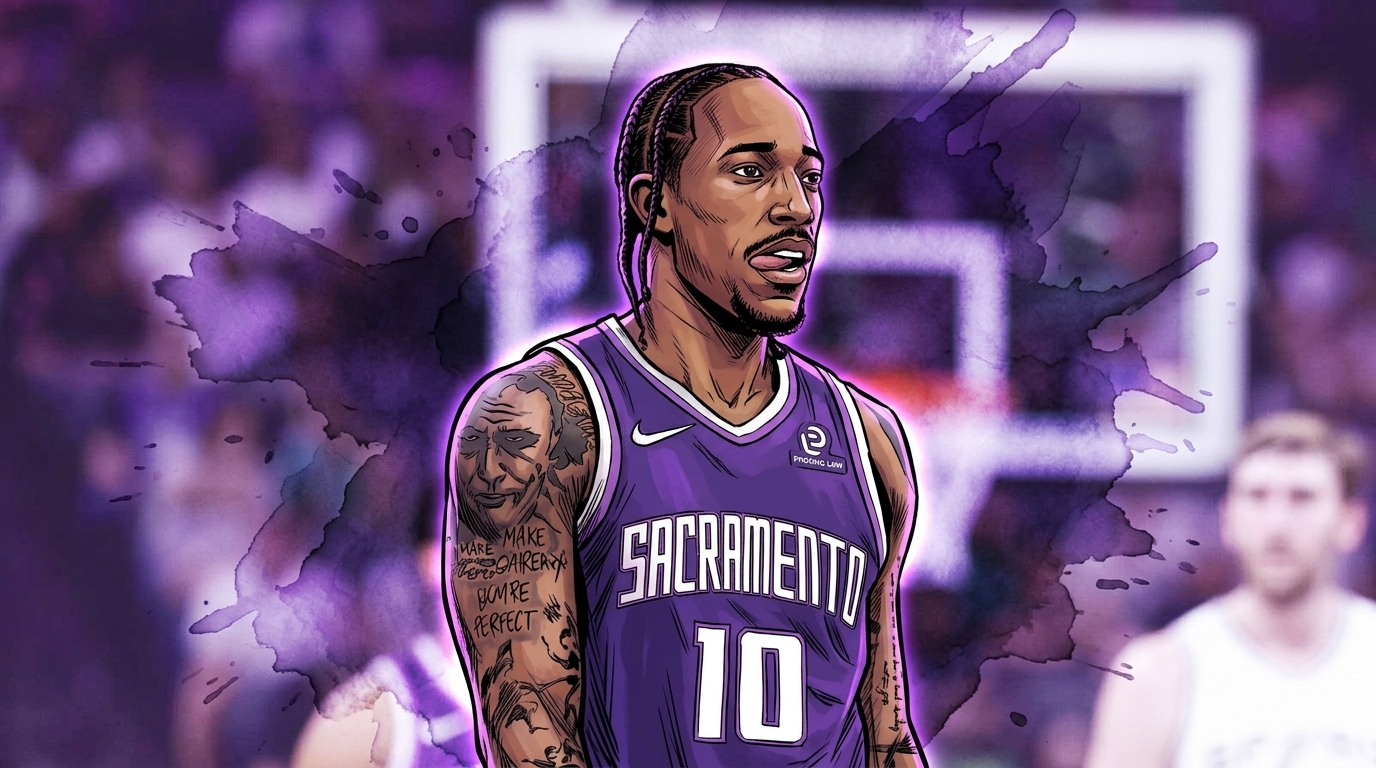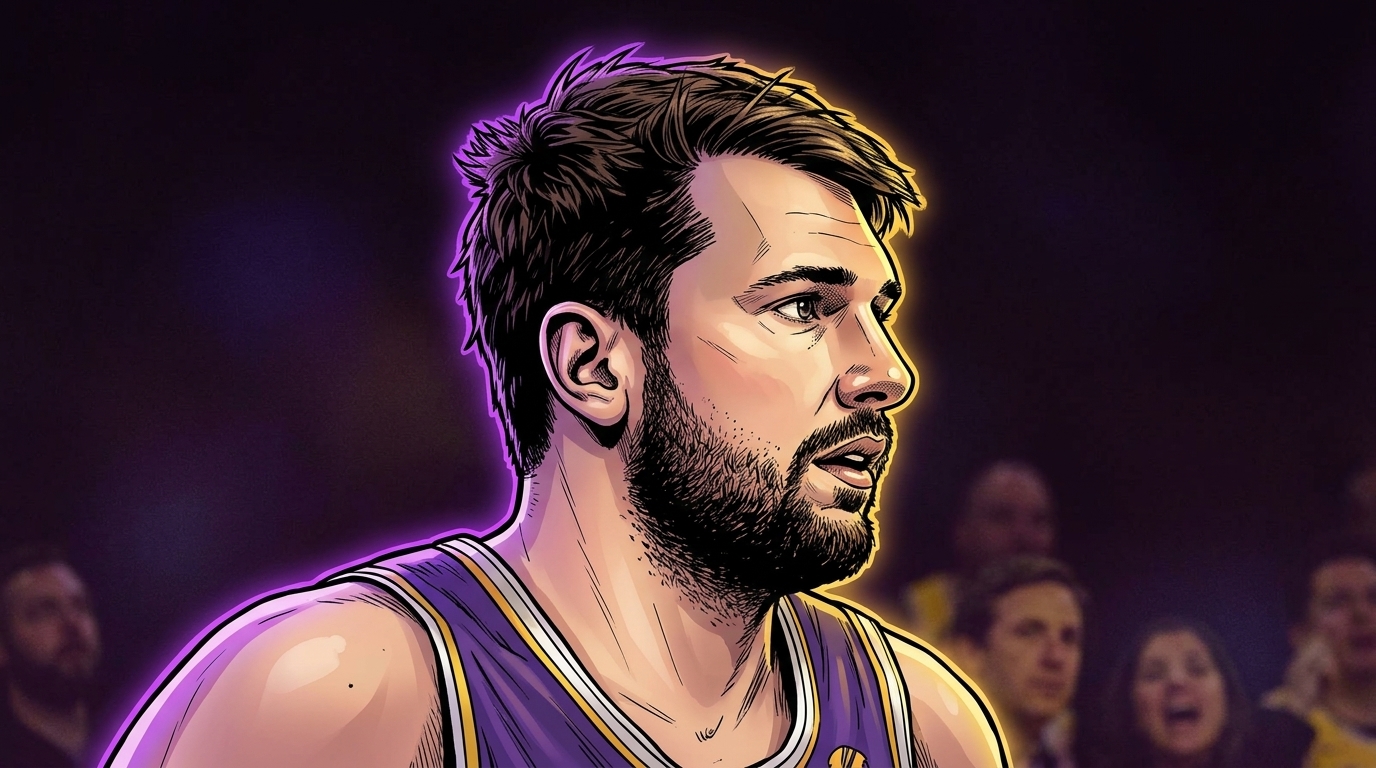

Call it the Draft-Eve Complexity Index — a rough measure of how many simultaneous, interdependent NBA decisions are live at the same time. A normal draft eve might score a three: a few trades in motion, a star free agent or two on the horizon. Tonight scores a ten. Six discrete trade frameworks are active simultaneously. LeBron James is an unrestricted free agent for the first time in years. Trae Young’s opt-out deadline lands today. And buried beneath all of it is a 6-foot Jose Alvarado decision that could reshape the Knicks’ cap sheet in ways most analysts aren’t pricing in yet. The league doesn’t often hand you a single 24-hour window where this many load-bearing decisions converge. Tonight is that window.
The Draft-Eve State of Play
The backdrop matters. After the Knicks championship run, the league entered its offseason with a familiar question: who moves first? What nobody quite anticipated was that “first” and “simultaneously” would mean the same thing. By the time Round 1 tips off June 23, the league could plausibly look like a dozen different versions of itself depending on how the next eighteen hours resolve.
The density here is genuinely unusual. In most offseasons, the big moves stagger — a blockbuster trade, then free agency buzz, then draft-night deals. This time, the calendar compressed them. LeBron’s $101M two-year contract expired with the Finals. Trae Young’s player option decision came due at the same moment. Giannis availability surfaced right at the draft window. The NBA Draft 2026 trade rumors circulating tonight aren’t the usual background noise — they’re the main event happening in real time, and several of them are structurally linked.
The LeBron Free Agency Variable
Start with LeBron because every other calculation runs through him. Rich Paul was direct on the Pat McAfee Show: ten to twelve teams have made inquiries. “At 41 years of age, going on 42, that’s something to be extremely proud about,” Paul said — which is also a negotiating posture worth reading carefully. When an agent volunteers how flattered his client is, he’s usually running an auction.
The data on LeBron’s season is what makes this auction real. Twenty point nine points, 7.2 assists, 6.1 rebounds across 60 games at age 41. He is not a declining asset in any meaningful statistical sense. He is a 41-year-old playing like a 35-year-old, which means his market is genuine and his leverage is real.
The Lakers hold full Bird rights and have a twelve-day head start before other teams can call. ESPN’s Brian Windhorst confirmed active contract talks are happening. Marc Spears says LeBron is “likely coming back.” The Warriors have been mentioned as a team that will test the waters; Cleveland gets floated whenever sentiment runs sentimental. But LeBron’s evolving free agency situation is leaning toward resolution in purple and gold — and the timeline matters here, because how much money LeBron takes affects what the Lakers can do with the rest of their roster. Free agency officially opens June 30, so this particular variable won’t be resolved tonight. It just hangs over everything else like a weather system.
Trae Young and the Opt-Out Math
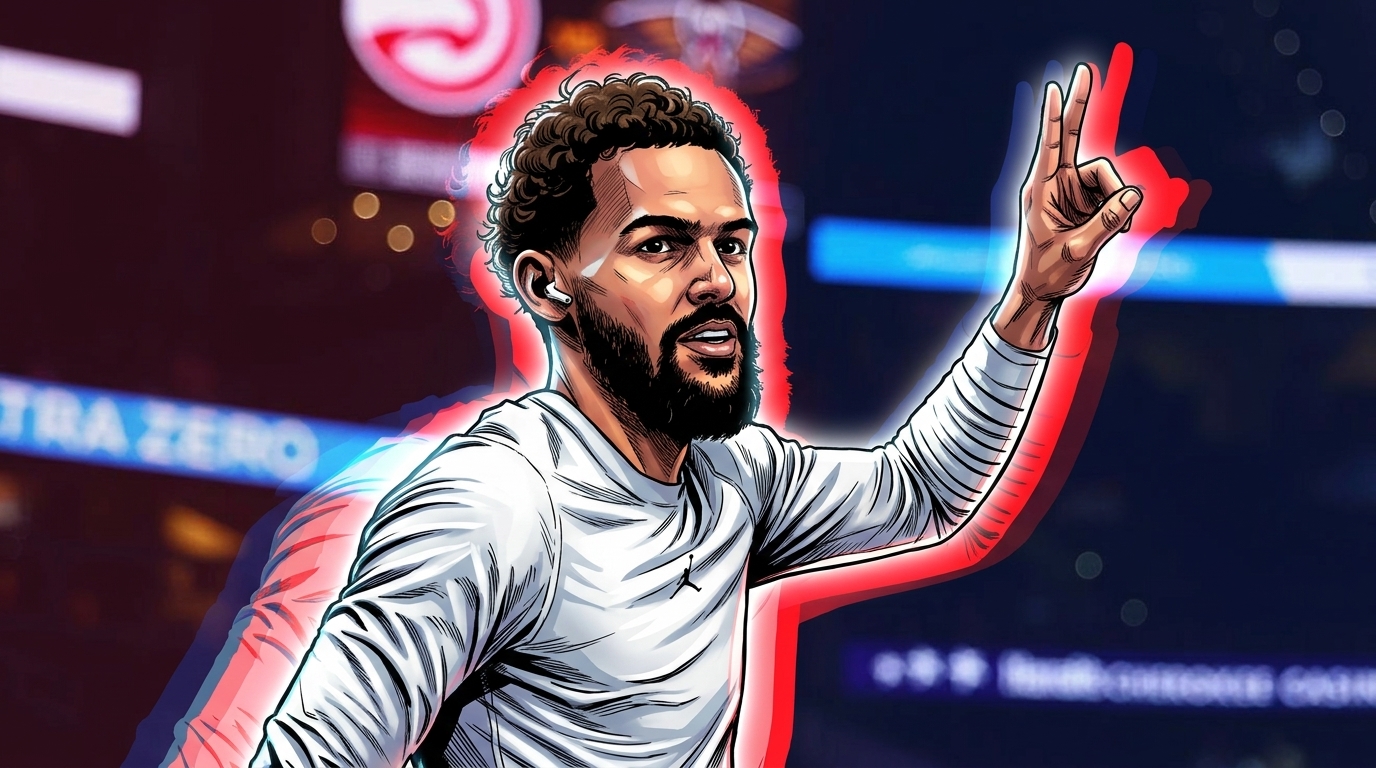
The math on Trae Young is not close. He’s declining a $48.97M player option with the Washington Wizards — the team that acquired him from Atlanta mid-season — to enter unrestricted free agency. The projected max: $287.1M over five years from Washington, or $212.9M over four years from anyone else. He played only 15 games this season due to injury, which would normally make a team hesitant. The Wizards aren’t hesitant. They’re the frontrunner to re-sign him, per Marc J. Spears at Andscape.
https://x.com/MarcJSpears/status/2067423364311142638
Woof. A player coming off a 15-game season is commanding $287M offers and generating multi-team interest. That is the Trae Young market in 2026, and it tells you something about how the league values shot-creation. There’s an argument — not a comfortable one, but a real one — that opting out of $49M to chase $287M is the most rational decision any basketball player will make this offseason. The opt-out is happening. The destination is the real question, and the Wizards have structural advantages (max offer, familiarity) that are hard to overcome from the outside.
What Are the Six Frameworks?
This is where tonight gets genuinely complicated. The NBA Draft 2026 trade rumors aren’t one story — they’re six separate stories happening at the same board, each with its own moving parts.
Framework 1 — Jazz-Wizards Swap at 1-2: The first-ever top-two pick swap in NBA history. Utah keeps No. 1 (AJ Dybantsa), Washington lands No. 2 (Darryn Peterson) plus Bub Carrington, Cam Whitmore, and a 2029 first. This is the most historically significant deal in the group.
Framework 2 — Brooklyn to No. 3: The Nets trade 2030 and 2032 firsts to Memphis to leapfrog to No. 3 for Cameron Boozer. Brooklyn is willing to pay future equity to land a sure thing now.
Framework 3 — Thunder Add Aday Mara: OKC sends picks No. 12 and No. 17 to Milwaukee for No. 10 — targeting the 7-foot-3 center after their WCF loss to San Antonio. Oklahoma City has championship urgency and a specific hole to fill.
Framework 4 — Giannis to Miami: The biggest one. Tyler Herro, Kel’el Ware, Nikola Jovic, and 2029 and 2031 first-rounders head to Milwaukee. Per ESPN’s Bobby Marks, this deal has the “biggest leaguewide impact” of anything active right now.
Framework 5 — Kings to No. 5: Sacramento sends a 2031 Minnesota first to the Clippers to jump from No. 7 to No. 5.
Framework 6 — Hornets to No. 9: Charlotte consolidates picks No. 14 and No. 18 from Dallas to reach No. 9.
Six frameworks. Some are independent. Some collide — the Miami-to-Milwaukee asset package (the price for Giannis) affects the Bucks’ willingness to move Mara, which affects OKC’s calculations. The Jazz-Wizards swap reshapes Washington’s identity regardless of what Trae Young decides, which is either a coincidence or a coordinated offseason plan. These aren’t six separate trades; they’re a web.
Giannis and the Leaguewide Ripple
The Giannis trade is the load-bearing story inside all of this NBA offseason activity, which is why it deserves its own moment. Milwaukee owner Jimmy Haslam wanted a deal done by the draft. It may drag past it. But Giannis’s frontrunner destination is Miami, and the framework ESPN laid out is detailed enough to suggest these talks are serious.
https://x.com/ShamsCharania/status/2053876566615044190
Four teams have surfaced as genuine suitors: Miami, Golden State, Houston, and Boston. Miami’s structural advantage is the same one Washington has with Trae Young — they’re willing to give up the most, and their package (Herro, two young bigs, two firsts) addresses a real Milwaukee need. The Warriors being in this conversation is notable given their LeBron pursuit. Golden State cannot sign LeBron to a significant deal and also absorb Giannis’s $48M-plus salary without sacrificing something enormous. The two pursuits are probably mutually exclusive, which means the Warriors will eventually have to choose. Their draft-eve positioning tells you which direction they’re leaning.
The Name Nobody’s Tracking: Jose Alvarado
Brooklyn native Jose Alvarado — traded by New Orleans to the Knicks at the deadline for Dalen Terry, two second-round picks, and cash — also has an opt-in decision due today. His player option is worth $4.5M for 2026-27. His open market value is approximately $10M per year.
He just won the NBA Finals with the team his family grew up watching. He’s a Brooklyn native who is now a New York champion. And he is potentially walking away from $4.5M guaranteed to test a market that will pay him twice that. The conflicting reports are real — some say he opts in out of loyalty, others say he opts out because the math is obvious. What matters for the Knicks either way: this decision affects their cap flexibility going into free agency, and they’re already navigating potential add-on moves. A $4.5M Alvarado versus a $10M Alvarado are meaningfully different cap outcomes. Nobody outside of New York is tracking this closely, but the Knicks’ front office absolutely is.
What Changes Tomorrow Morning?
The NBA Draft 2026 trade rumors are dense enough that predicting specific outcomes is a losing game. What the data does support is a directional read.
Miami gets Giannis. The asset package works, the fit is real, and the Heat have organizational credibility in these situations. That’s the deal most likely to close before or during the draft. The Thunder add Aday Mara and quietly become the most complete roster in the West without adding a star — just a 7-foot-3 center to a system that already broke the league’s best offense. The Jazz-Wizards swap happens, and Washington starts over with better pieces than anyone expected six months ago.
LeBron is back in Los Angeles by July 4. The market is real, the Bird rights are real, and the evidence suggests the Lakers’ organizational inertia plus the contractual head start produces the expected result. That conversation gets resolved after June 30.
Trae Young re-signs with Washington and the Wizards become an interesting team in 2027. Alvarado opts out, earns his market, and the Knicks figure out their cap math accordingly.
I ran the Draft-Eve Complexity Index three different ways. The answer keeps coming back the same: the moves that seem certain (LeBron to Lakers, Giannis to Miami, Trae to Washington) probably are. The six frameworks provide the draft-night texture. By sunrise tomorrow, the league will look different. The evidence suggests we know most of how.