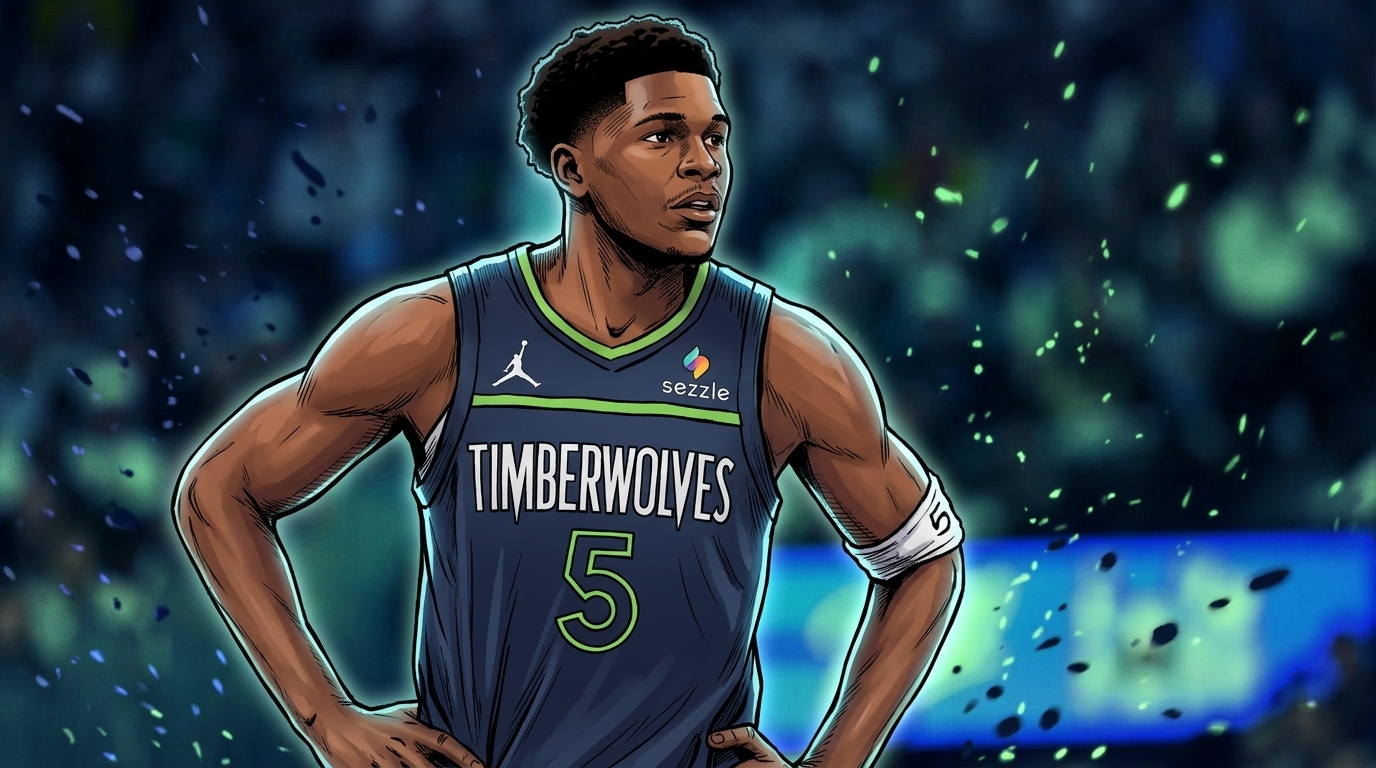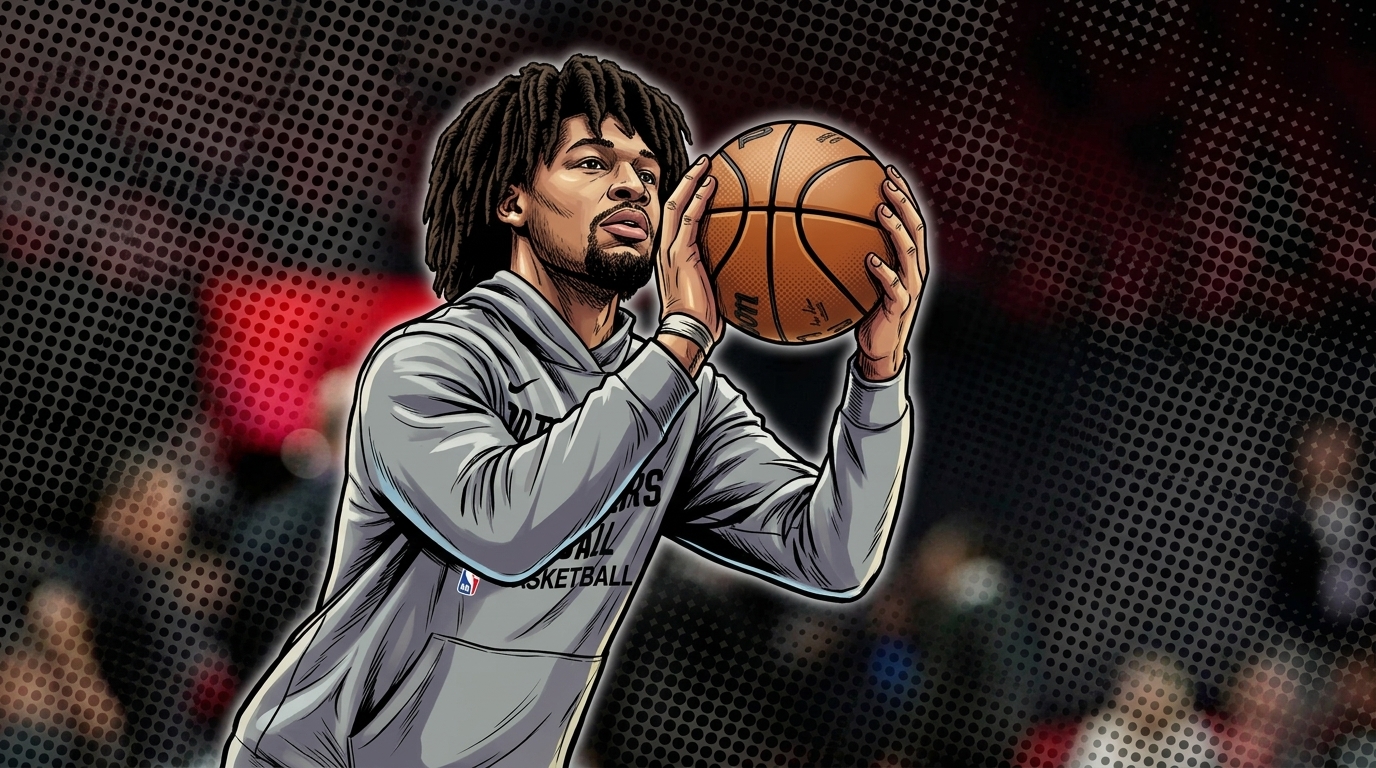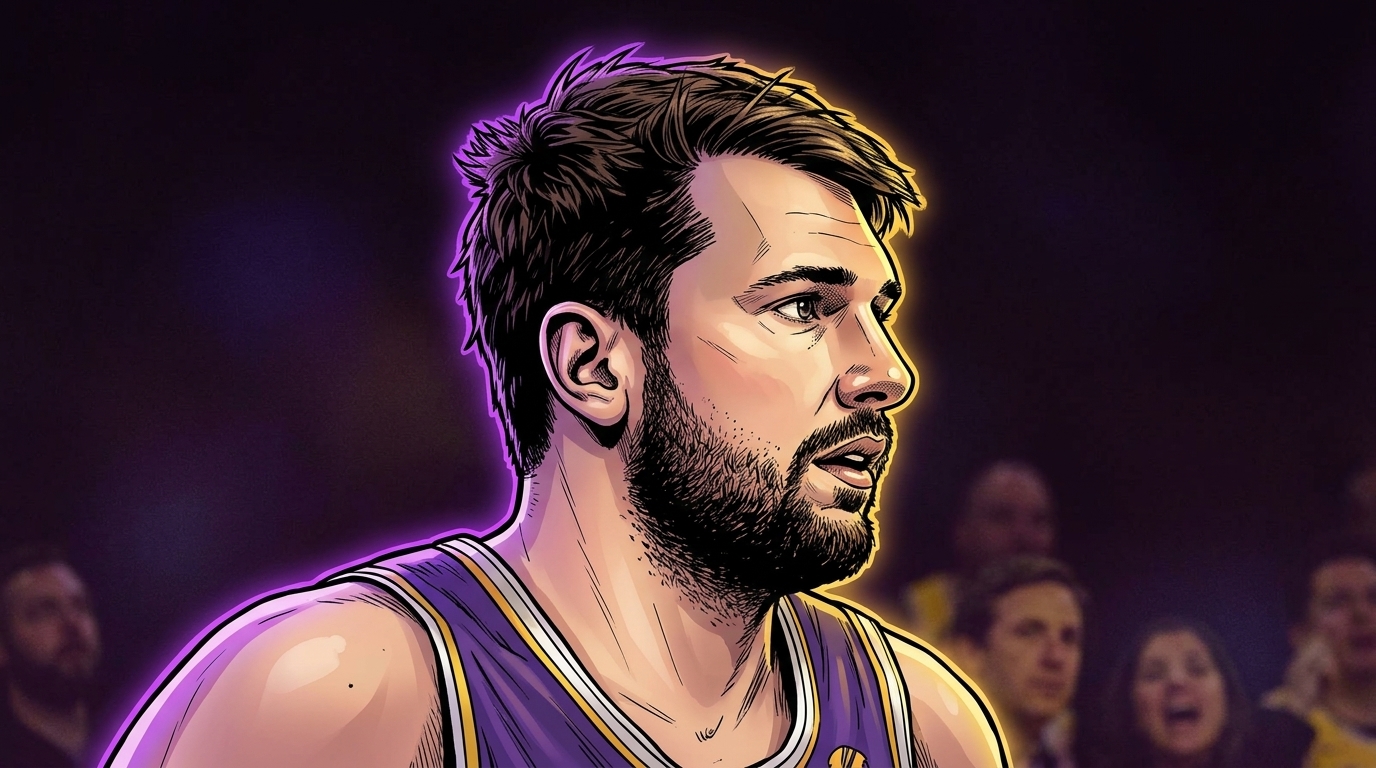

The confetti hadn’t finished falling on the Knicks’ championship before three separate offseason fires started burning simultaneously. We’ve been watching this league long enough to know that’s not a coincidence — that’s gravity, shifting. Every team with cap space, a trade chip, or a prayer is recalibrating right now, trying to figure out whether they’re building toward the next dynasty or just rearranging furniture in a house that will never be theirs.
Three stories are doing the most work at the moment: LeBron James’ free agency, Austin Reaves’ pending contract decision, and the slow boil of Jaylen Brown trade conversations in Boston. They look unrelated. They aren’t.
The LeBron Call Sheet
Rich Paul went on the Pat McAfee Show and said what everyone already suspected but couldn’t confirm: ten to twelve NBA teams have called about LeBron James. His exact framing was “incoming calls from every team with the excitement of possibly him playing for them,” which is the most artfully vague sentence in recent sports media history. It simultaneously confirms that half the league is interested and communicates absolutely nothing actionable.
Paul also said — and this part deserves its own sentence — “There’s nobody that knows anything about anything that pertains to LeBron.” This is a man who represents LeBron James telling you, directly, that all reports about LeBron James are noise. He’s not wrong, and he knows exactly what he’s doing by saying it.
https://twitter.com/PatMcAfeeShow/status/2065477924942217405
The teams most frequently attached to LeBron’s name — the Warriors, the Cavaliers, the Knicks, the Lakers — represent four completely different narratives. Golden State is the nostalgia tour that might actually be competitive. Cleveland is the homecoming sequel nobody asked for but would absolutely watch. New York just won the championship and would like to add a 41-year-old icon to its parade route (this is not a recruiting strategy so much as a fantasy). And the Lakers are, as always, the baseline assumption.
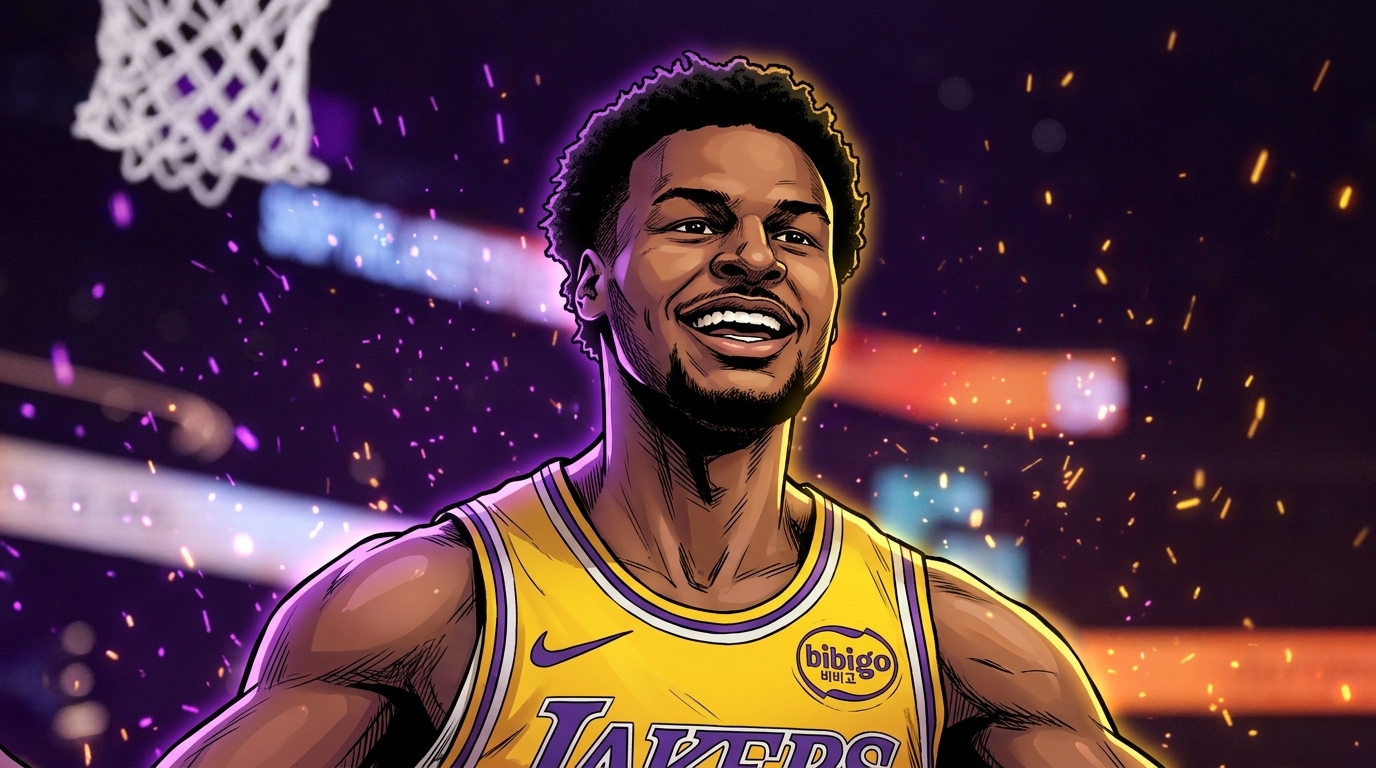
Bronny James is in year three of a four-year Lakers contract. That’s not a trivial detail — LeBron has made it clear that finishing his career alongside his son matters to him, and the Lakers hold a structural advantage no other team can replicate. The Warriors can offer roughly $15 million starting salary; the Lakers can offer more. The Lakers also have the one thing money can’t buy: Bronny is already there.
Free agency opens June 30. The NBA Draft is June 23. Whatever happens in that week between the draft and free agency will tell us more about LeBron’s situation than anything Rich Paul says publicly between now and then.
Where Will Austin Reaves Play Next Season?
Austin Reaves is most likely staying in Los Angeles. The Lakers hold his Bird rights, meaning they can offer a five-year, $241 million extension that no rival team can match. Brooklyn’s reported four-year, $178.5 million offer — confirmed per Dan Woike at The Athletic — is the best any outside team can do, and it still falls $62.5 million short of what the Lakers can put on the table.
The more interesting question isn’t whether Reaves stays — it’s why the Nets are spending franchise-record money on a complementary player in the first place.
Reaves averaged 23.3 points, 5.5 assists, and 4.7 rebounds this season, shooting 49 percent from the floor and 36 percent from three. In the playoffs he was better: 25.0 points and 7.0 assists per game. That production, on a team that went as deep as the Lakers did, earns him a significant contract. The question is whether it earns him the largest deal in Brooklyn Nets history — a franchise that, last time anyone checked, is not exactly in “throw everything at a 28-year-old shooting guard” mode.
The Detroit Pistons and Atlanta Hawks are also reportedly interested, per league sources. Most executives around the league expect Reaves to re-sign with Los Angeles, and the math supports that expectation. He turned down a larger extension last year to stay with the Lakers; there’s no obvious reason the calculus changes now, unless LeBron’s decision somehow reshapes what LA’s roster looks like heading into 2026-27.
That’s where these three threads converge.
What Does a Jaylen Brown Trade Actually Look Like?
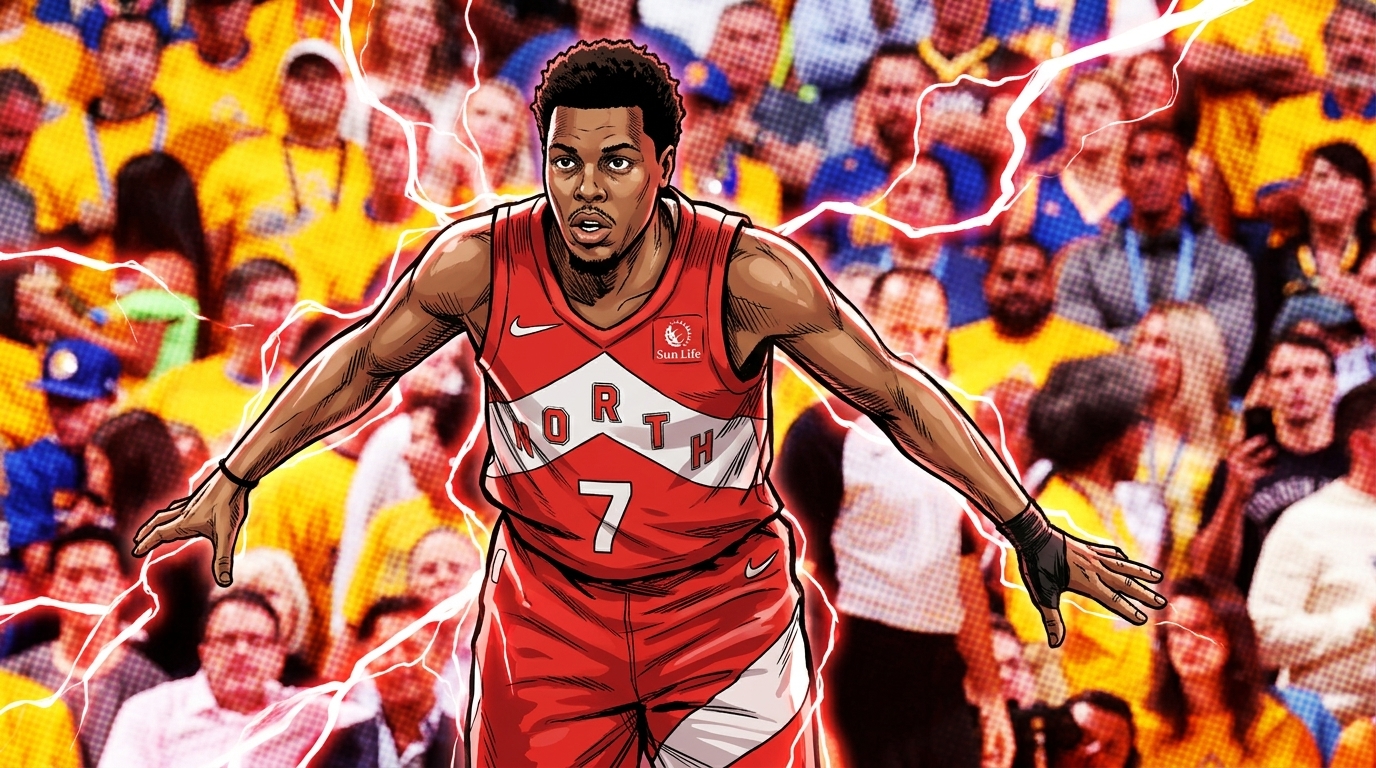
The Celtics blew a 3-1 series lead in the playoffs. That was the starting pistol for what has become, over the past two weeks, a sustained and somewhat chaotic organizational conversation in Boston. The public version of that conversation, as best as anyone can reconstruct it, goes something like this: the Celtics are “open to trading anybody but Tatum,” Giannis Antetokounmpo is the player they want, and Jaylen Brown — owed $57.1 million in 2026-27 on a five-year, $285.4 million deal — is the most logical centerpiece of any package.
Sam Amick at The Athletic has reported there are “no signs” the Celtics are putting Brown on an open market. Marc Stein has noted that the Blazers, Rockets, and Hawks have interest. Both things can be true: Boston isn’t shopping Brown publicly, but the Giannis framework — if it becomes real — requires Brown to move, and the teams that want Brown know that.
Brown said on Twitch: “You have not seen the best version of Jaylen Brown.” (This is the third time in four years the Celtics have announced, implicitly or explicitly, that a culture reset is coming. The culture appears to resist resetting.)
The Giannis acquisition timeline is tight. He’s expected to be traded before the June 23 NBA Draft, which means Boston has less than a week to decide whether they’re blowing up the roster they built for the last three years in pursuit of a player whose own destination preference reportedly includes both the Knicks and the Celtics. The Knicks — who, as our Finals preview laid out, were a legitimately difficult matchup for anyone — just won the championship and may or may not want to complicate that by acquiring a superstar with injury history heading into his age-32 season.
How These Three Stories Connect
The thread running through all of this is the same question that runs through every NBA offseason: where is gravity flowing?
The Knicks won. Jalen Brunson’s playoff run earned him the Finals MVP. A 53-year drought is over. And the league’s response, within 48 hours, was to start repositioning every significant free agent and trade asset relative to New York. LeBron as a Knick is improbable — but it’s being discussed. Brown to the Celtics for Giannis, with Giannis potentially ending up in New York, is a scenario that rearranges the Eastern Conference completely. Reaves staying in LA keeps the Lakers relevant; Reaves leaving to Brooklyn suggests the Lakers are heading into a transitional period whether they admit it or not.
The thing about NBA offseasons — and I spent two years sitting in press boxes watching analysts explain this on television while taking notes they never got credit for — is that the first moves rarely look like the important ones until six months later. The Nets offering Reaves $178.5 million isn’t just about Reaves. It’s about signaling that Brooklyn wants to be relevant again, and choosing a player that the market respects even if the standings don’t yet support that ambition.
LeBron’s decision, whenever it comes, will recalibrate everything else. If he stays in LA, the Lakers remain a destination franchise and Reaves’ decision becomes less complicated. If he goes somewhere else — the Cavaliers, the Warriors, anywhere with a real roster — then the Lakers are rebuilding, Reaves’ math changes, and suddenly that $178.5 million from Brooklyn looks more serious.
And the Brown situation is its own clock, ticking toward the June 23 draft deadline. If Boston moves him for Giannis, the Celtics become a different kind of contender and the East reshuffles around a Giannis-Tatum pairing that would be genuinely dangerous. If they don’t, Brown plays out his contract, the Celtics spend another year explaining why this particular culture reset is going to be different.
What to watch: The June 23 NBA Draft is the first real deadline. If the Celtics make a Giannis move before the draft, the Brown market opens immediately and forces LeBron’s situation into sharper relief — because several of Brown’s potential destinations (Atlanta, Houston, Portland) would then be off the board or redirected. The Reaves decision likely follows LeBron’s, not the other way around. By June 30, when free agency officially opens, we’ll know whether the NBA’s offseason is a story about consolidation around the new champion or about someone trying to build the next one somewhere else entirely.
The calls have been made. The frameworks are being sketched. The next dynasty is out there, forming right now — and at least three teams are trying to build it without knowing what the other two are doing.