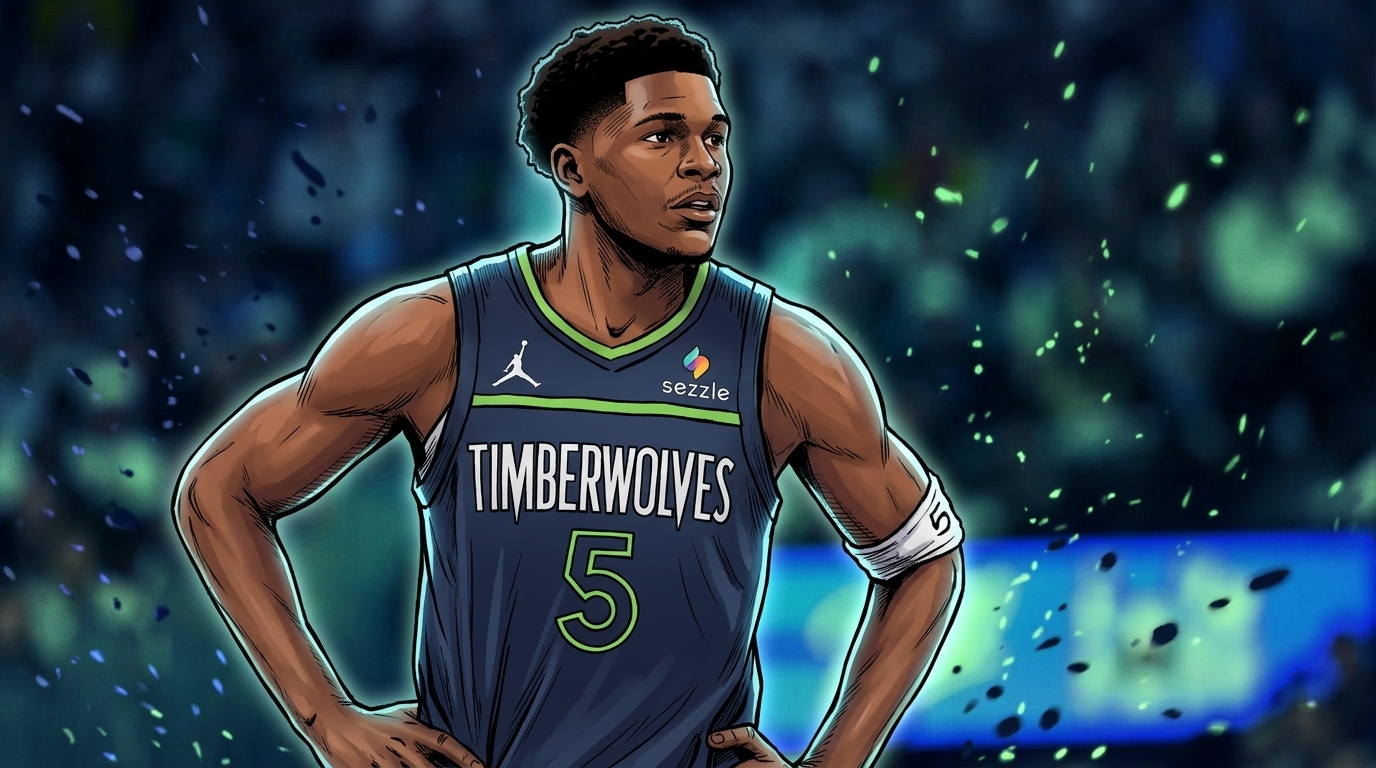
I have approximately 200 browser tabs open right now, because we’re at that point in the offseason where the only rational response is to open more tabs, and this week every single one of them is pointing at the same story: Giannis Antetokounmpo, the Bucks, and a Miami Heat front office that has done this exact kind of thing before and knows exactly what it’s doing.
Here’s what everyone is saying (and I mean everyone, from Marc Stein’s Substack to ESPN to The Athletic): the Heat are the frontrunner for a Giannis trade. Not a dark horse. The frontrunner. And the mechanism driving this whole negotiation, the thing that almost nobody in the casual conversation is paying attention to, is a date on the calendar: June 23.
That’s the NBA Draft. And it changes every number in this deal.
Why the Heat Are the Frontrunner
The reporting here is unusually convergent. Marc Stein, whose sourcing inside the league office and front offices is as good as anyone’s, has Miami leading the Giannis trade pursuit. A second insider has confirmed the same positioning. When two independent lines point to the same place this early in an offseason, it’s not smoke. It’s a building.
What makes Miami the logical landing spot isn’t just Pat Riley’s reputation, though we’ll get to that. It’s structure. The Heat have spent the last two years quietly positioning for a move like this: multiple expiring contracts, cap flexibility, and a roster skeleton they can dress up or strip down depending on what Milwaukee needs. They’re not packaging around an immovable max player. They have maneuverability.
The Bucks are asking for a package of five or more first-round picks plus swap rights. That’s asking for the moon. Miami can get closer than anyone. Most of the other teams being floated in the rumor cycle (and I’ve read every one of those pieces) can’t construct a package that gets to that threshold without gutting their own timelines. (Portland is the only other team with a clear path, per Stein, and even their offer requires assets the Blazers aren’t obviously willing to part with at this stage of the rebuild.)
What Miami is reportedly offering is built around multiple expiring contracts going back to Milwaukee, giving the Bucks immediate cap relief and draft capital simultaneously. The Heat have assets the Bucks can actually use. That combination, more than anything else, is why we keep arriving at Miami as the answer when we work through the logic from the Milwaukee side.
Riley has also done this before. Wade. LeBron. Bosh. The 2010 Big Three didn’t happen by accident. It happened because Riley understood leverage, timing, and how to make a player feel like Miami was the only serious answer. He’s running the same playbook now, and he’s had longer to set it up.
The June 23 Deadline Everyone Is Ignoring
This is the part that matters most, and it keeps getting buried in the bigger narrative.
Under the current CBA, first-round picks must convey before the NBA Draft to carry their maximum value. After July 1, protection layers kick in, future picks get pushed, and the overall value of any pick-based package diminishes. (This matters more than people realize: a pick negotiated after the draft can become, through cascading protections and deferrals, something closer to a late-lottery selection conveying in 2029. The face value and the functional value stop being the same number.) The Bucks know this. Riley knows this. The Bucks’ negotiating clock is running against themselves.
Giannis holds a player option for the 2027-28 season worth roughly $62.7 million — he decides, not Milwaukee. That gives the Bucks some contractual cover, but it doesn’t change the basic math: if they want five-plus firsts at full value, the deal has to close before June 23. Every day they wait after that, the package they can command gets softer.
This is what negotiators call asymmetric leverage. Riley doesn’t have to manufacture urgency. The calendar is doing it for him. He can sit, hold his number, and let the deadline apply pressure to the other side. The Bucks aren’t negotiating against Miami. They’re negotiating against the clock.
I used to compile notes for TV analysts who never credited me, and I can tell you that this kind of calendar-driven deadline asymmetry almost always bends the outcome toward the patient party. Riley is the patient party.
Is Giannis Going to the Heat?
Based on current reporting from Marc Stein and corroborating sources, the Giannis trade to Miami is the most likely outcome in this negotiation. That’s where the logic points. The Heat are the frontrunner, they have the assets to approach Milwaukee’s ask of five-plus firsts, and the June 23 draft deadline gives Riley meaningful leverage over a Bucks front office racing against its own pick-conveyance clock.
The bigger question at this point isn’t whether Giannis goes. It’s what happens to the Heat roster after he arrives. The working assumption, per league sources Stein cites, is that Miami builds the package around a combination of young players and expiring contracts. Bam Adebayo, per Riley’s own public statement, is untouchable. Tyler Herro’s status is the lever everyone is watching: he carries enough trade value to move Milwaukee toward yes, but losing him means the Heat are betting everything on Giannis and a supporting cast that needs significant reconstruction. That is the calculation Riley is making. He has made harder ones and he has been right.
The league is starting to price it in:
https://twitter.com/TheDunkCentral/status/2058966807311212887
Nothing is done. But everything is pointing the same direction.
What This Trade Does to the Eastern Conference
I grew up watching Favre and Giannis is the closest thing Wisconsin has produced to that kind of once-in-a-generation talent since. Writing this paragraph is not easy for me. But the basketball reality demands it be written.
If this trade happens — and right now the reporting says it will — the Eastern Conference becomes something genuinely unprecedented. The Knicks are in the Finals right now. Miami adding Giannis would create a second Eastern Conference superteam, two legitimately title-caliber rosters operating in the same conference simultaneously. The Thunder are the defending champions out West, meaning both conferences would have a dominant force — but the East would suddenly have two of them competing for the same Finals slot.
That hasn’t happened in the East since the early LeBron era, when Miami, Indiana, and Chicago were three legitimately dangerous teams competing in the same conference simultaneously. (Oklahoma City was the Western Conference threat during those years, not an Eastern Conference player; the East’s three-team tension was Miami-Indiana-Chicago, not what the casual recap usually says.) This is different, but it rhymes. Three legitimate title contenders in a 15-team conference half, with playoff seeding determining who has to face whom.
For context on how the West has been reshaped: Wembanyama made the Finals behind a Spurs organization that has spent years rebuilding toward exactly this moment. The East adding a Giannis-in-Miami storyline means neither conference has a clear soft lane to the championship anymore.
And the Spurs’ legacy under Popovich, the patient, system-first model, is increasingly the counterargument to the superteam arms race. Miami building around Giannis is the opposite philosophy: move fast, concentrate talent, win now.
The Bucks, meanwhile, end up in a rebuild they’ve been quietly circling for two years. Losing Giannis, even for five firsts, means accepting a multi-year transition. Milwaukee fans understand this on some level. That doesn’t make it easier. What Milwaukee gets in return is assets, not a team: the beginning of a process that has a realistic destination in four or five years, if the picks convey right and the front office makes the correct calls. That is an enormous “if.” It is also, at this point, the only option they have that isn’t pretending.
Kyrie Irving’s situation in Dallas is worth watching alongside this: he’s under contract through 2026-27 with a player option in 2027-28, but trade rumors are intensifying as the Mavs rebuild around Cooper Flagg. If Kyrie moves this offseason alongside a Giannis trade, the East’s balance of power could shift twice in the same summer. I’m tracking it. Watch this space.
The June 23 deadline is in 18 days. Everything moves faster from here.