
ESPN cut loose Cam Newton, Tom Pelissero, Karl Ravech, Ryan Clark, and Bart Scott in one ugly week this month, and is reportedly, separately, negotiating a deal that would pay Pat McAfee something like three times what it currently pays Stephen A. Smith — its most recognizable Black star — for doing recognizably the same job; wait until you hear how casually everyone involved is treating it.
The layoffs got framed in the trade press as ordinary belt-tightening, part of a wider Disney/ESPN–NFL Network consolidation aimed at somewhere around $15 to $16 million in talent overhead. That’s corporate bullshit for “we found some line items we didn’t need.” Cam Newton, Tom Pelissero, Karl Ravech, Ryan Clark, and Bart Scott were the line items.
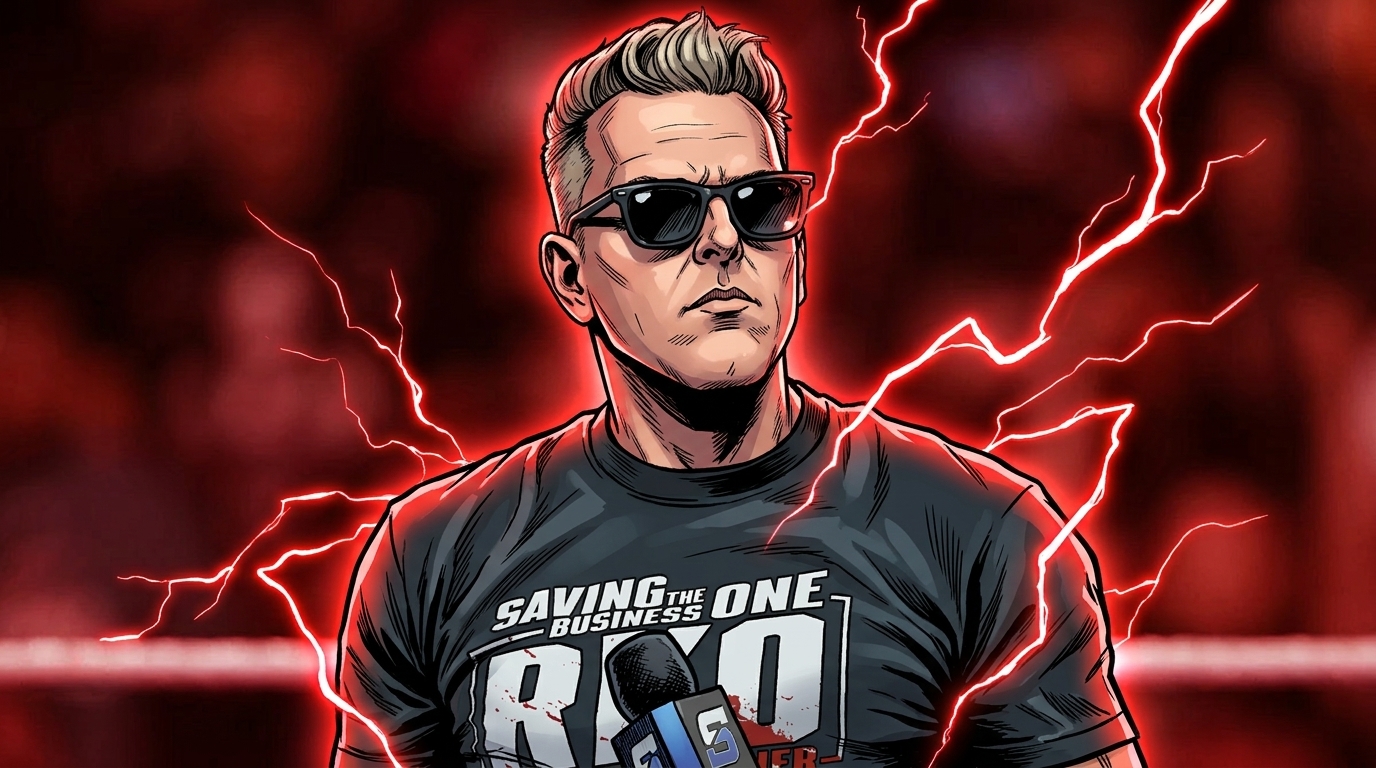
Meanwhile, per The Athletic, since matched by Yahoo Sports, Front Office Sports, Barrett Media, and Sportscasting, ESPN is in extension talks with Pat McAfee worth somewhere between $60 million and $65 million a year. Worth stressing what that number is not: it is not signed, and it is not his current deal, which is a roughly $30 million-a-year production-and-licensing agreement running through 2028 that he uses to fund his own show’s staff and production costs before he personally sees a dollar of it. The $60-to-65 million figure is a rumor with sourcing, not a fact with a signature. ESPN hasn’t even written the bigger check yet, and the gap it implies is already loud enough to hear from the layoff pile.
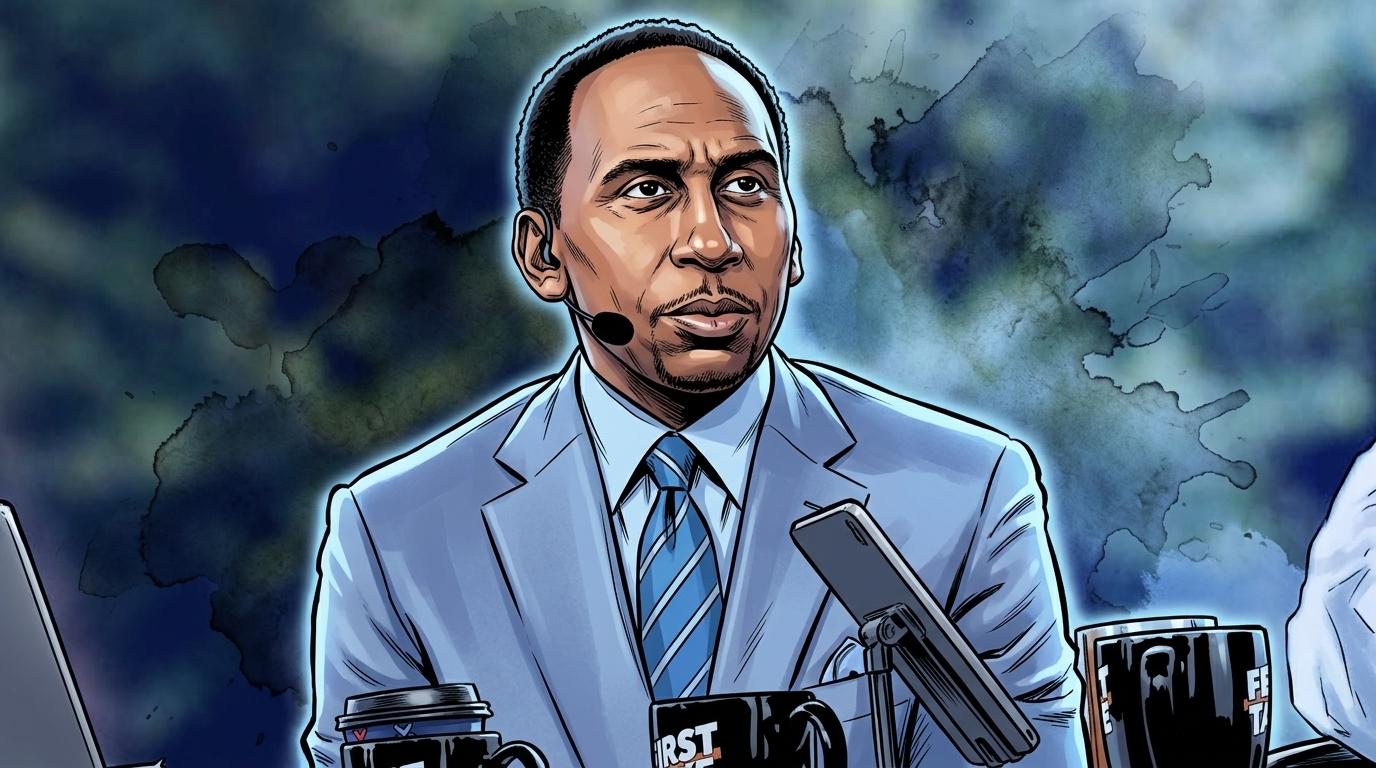
Stephen A. Smith, for reference, signed a five-year, $100 million deal in the spring of 2025 — $20 million a year, guaranteed, for being the most bankable personality in sports television not currently employed at a video game desk. Multiple outlets have run McAfee’s reported number against Smith’s actual one and landed in the same place: roughly 3x.
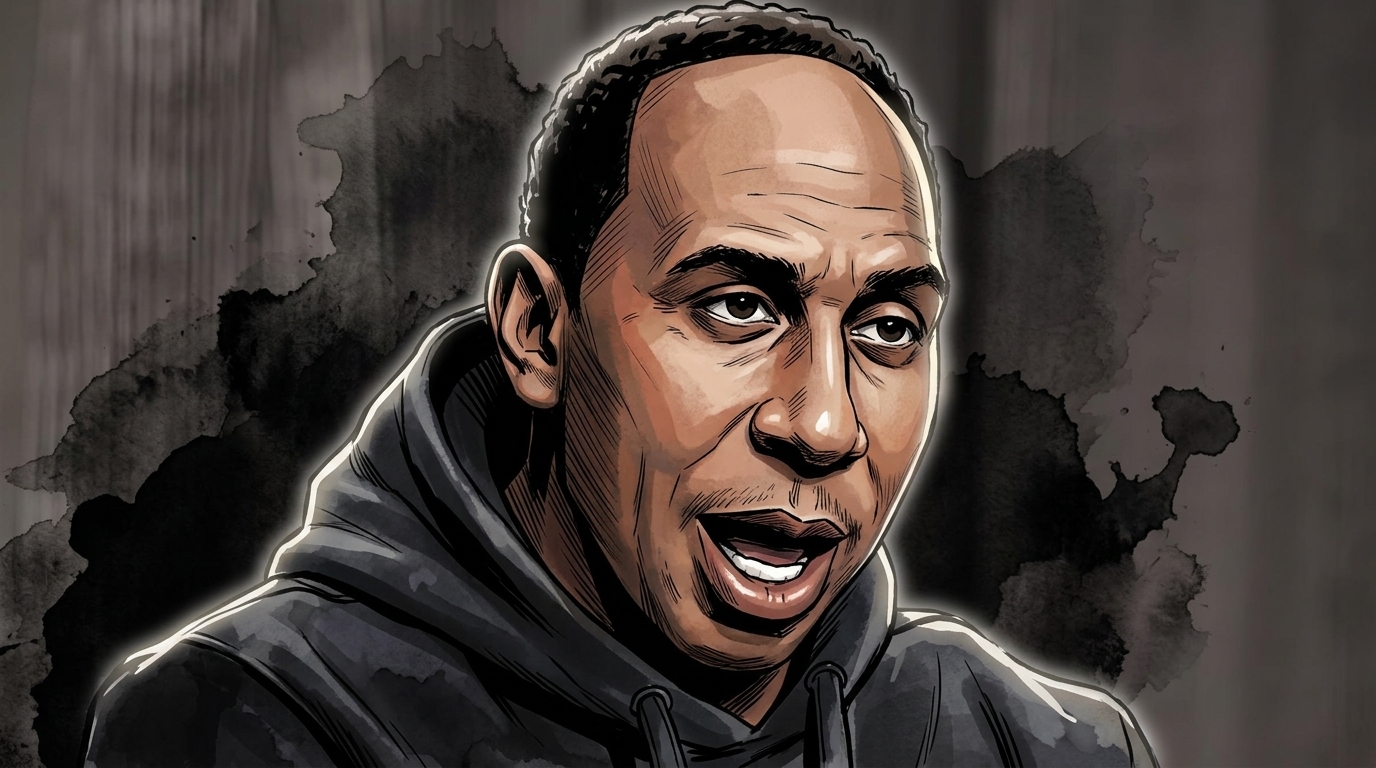
Smith did that math himself, out loud, at Barrett Media’s Audio Summit in June. “First of all, I’m happy for him,” he said of McAfee. “He’s earned it, and I truly mean that.” Then he kept talking, past the point where professional courtesy would have let him stop: “I do believe, even though it makes people uncomfortable, as a Black man, that I don’t believe that’s an opportunity that would ever come to us first.”
That is not envy; that is a man reading his own employer’s ledger back to it in public, on the record, at an industry conference, daring anyone to argue with the arithmetic.
Think of professional “precedent” the way a bank thinks of credit history: the first applicant approved for a loan of a certain size makes it administratively easier for the next one to get approved for something similar, and by the tenth approval nobody even blinks. Nobody who looks like Stephen A. Smith has ever been the first approval at this size, at this company; the credit history required to become the second one has simply never had a chance to accumulate.
Smith named the mechanism himself, precisely: “The reality is that there usually has to be a precedent set before somebody is in a position to capitalize off of that, and I’m certainly positioned to capitalize off of that. Make no mistake. I will be.” He isn’t asking ESPN to hand him something for nothing; he’s pointing out that nobody has ever been allowed to build the file that makes the ask routine.
Even McAfee’s own show couldn’t resist the arithmetic. JJ Watt, on air that same week, asked him directly: “Did they keep anybody, or is everybody fired to pay you?” McAfee laughed it off, then got defensive, insisting large companies make tough calls across the board and that his show carries its own financial weight.
The reaction online tracked the joke, not the defense:
https://x.com/masslivesports/status/2080625060436496514
None of this requires Pat McAfee to be a villain. He built a show that moved the needle enough for ESPN to bid against itself for it, and Smith says as much without being asked twice. The point was never that McAfee doesn’t deserve his number; it’s that ESPN found its $15 to $16 million in savings through the same round of cuts that took Karl Ravech and Tom Pelissero off its air in the same stretch it was reportedly negotiating to triple its biggest deal, and Stephen A. Smith is still the one telling you, on the record, that the exception has never once arrived for someone who looks like him first. Smith’s own history of saying the uncomfortable thing on-air is exactly why nobody should be shocked he named it. The layoffs and the pay gap were never two stories; ESPN’s media coverage just usually reports them as if they were.