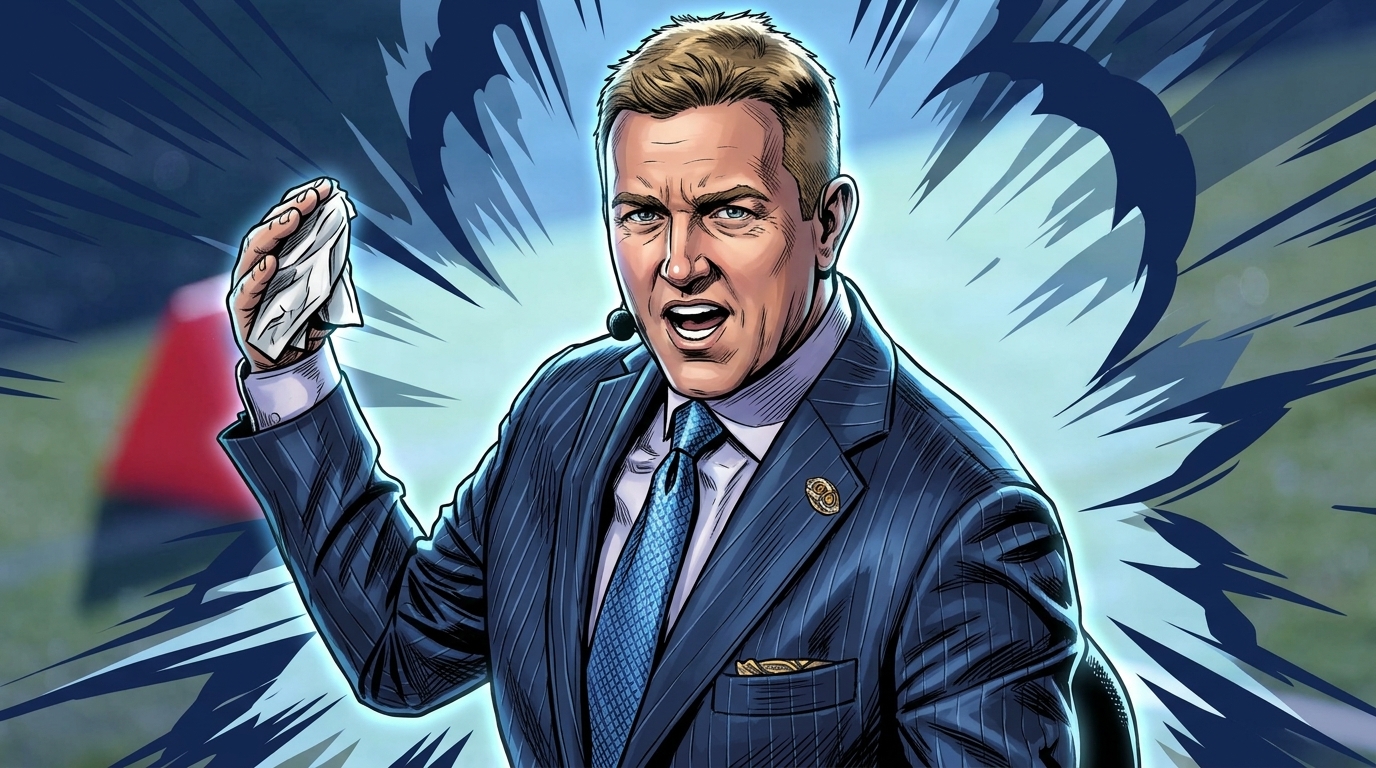
I keep rereading the timeline on Karl Ravech’s firing because I want someone to talk me out of how bad it looks, and nobody can, because the reporting lays it out plainly: a man spends 33 years calling games for this network, and the network lets a reporter tell him he’s probably done before anyone who signs his checks bothers to pick up the phone. That’s not a scheduling accident. That’s the whole company in one sentence.
Ravech joined ESPN in 1993, back when the network still felt like a scrappy cable upstart instead of a co-owner of the league it covers. He was still behind the mic Monday night for a Dodgers-Phillies broadcast, with no idea his bosses had already made up their minds. By Tuesday morning, The Athletic’s Andrew Marchand called him for comment on a story about his own likely firing, and that’s how Ravech found out. There was no meeting and no call from HR, just a reporter working an entirely different story who ended up doing ESPN’s job for it.
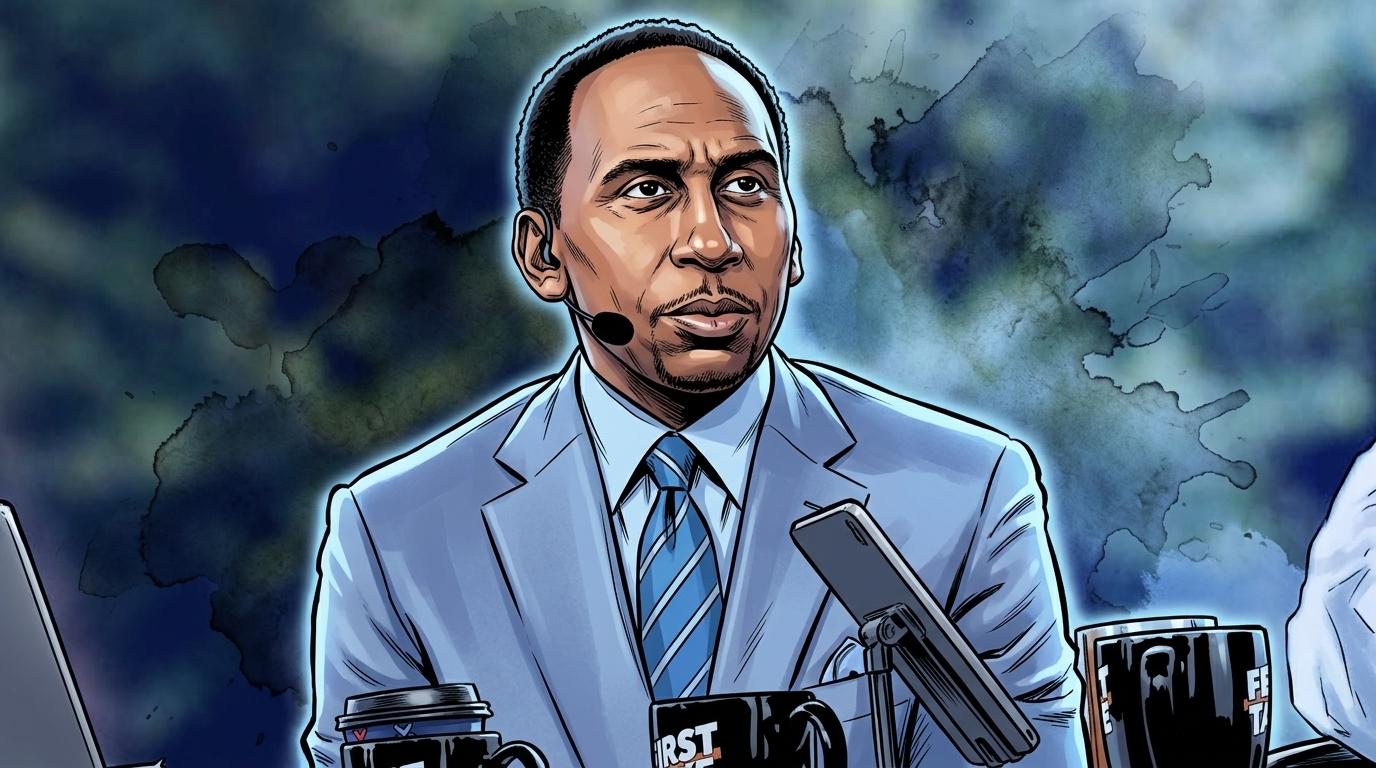
Twenty-four hours earlier, ESPN did something almost as ugly to Ryan Clark. The original plan, by ESPN’s own account, was to notify Clark Tuesday morning along with everyone else. Then somebody got nervous he’d see it online first, so they moved it up and told him he was fired in the middle of Monday’s live broadcast of NFL Live. He didn’t finish the show. This is a company with more than a decade and a $2 million-a-year contract invested in Clark, and its answer to a PR headache was to blow up his career on the air rather than wait twelve hours.
None of this happened because ESPN ran out of money. It happened because ESPN absorbed NFL Network into its own operations back in January, a deal that handed the NFL a 10 percent equity stake in the company broadcasting its games. ESPN chairman Jimmy Pitaro’s memo on the resulting cuts talked about integrating “collective teams, resources and organizational structure.” Read that back. That’s corporate bullshit for “we picked who stays,” minus the part where they say the names. The names are Ravech, Pelissero, Ryan Clark, Cam Newton, David Lloyd, Stephania Bell, Bart Scott, and Charles Davis. Eight real people who found out their careers were a line item in an equity deal, and the layoffs tied to that NFL Network deal keep widening by the week.
Pelissero’s case is the clearest one, because it isn’t really about consolidation math. He’s covered the NFL for the NFL Network side of the operation since 2017, broke news as reliably as anyone else in that building, and got cut anyway, because ESPN had already signed Ian Rapoport to a multi-year deal earlier this year and decided it preferred the Schefter-Rapoport pairing. Redundancy is an accident. This was a choice, made by people who sat in a room and picked Rapoport over Pelissero on purpose, then folded the outcome into a press release about consolidation.
Front Office Sports had confirmation on Clark before ESPN said a word publicly on the record:
https://twitter.com/FOS/status/2079324217909387323
Notice the framing there: sources confirmed it to FOS, not ESPN. Even once the news is out in the world, the company that made the decision can’t be bothered to be the one saying it out loud.
I read enough NLRB filings for fun to recognize what “organizational structure” is doing in that memo. It’s the phrase companies reach for right before they cut someone with too much tenure to argue with quietly, because thirty-three years of institutional standing is exactly the kind of thing that gets expensive if you let someone push back on it in a room. Better to let a reporter’s phone call do the talking. This is also the network that watched Linda Cohn walk away after 34 years and treated it like a scheduling note, so the pattern predates this particular equity deal. It just got worse once the NFL became a shareholder.
Ravech’s 33 years bought him a phone call from a reporter working an entirely different story. Pelissero’s decade covering the league got him a line in a corporate memo and a depth chart spot behind a guy ESPN liked better. That’s the going rate for loyalty at a company that just handed the NFL a 10 percent stake in itself. Try not to flinch when the next multi-decade employee gets a two-paragraph farewell nobody in leadership bothered to write personally.