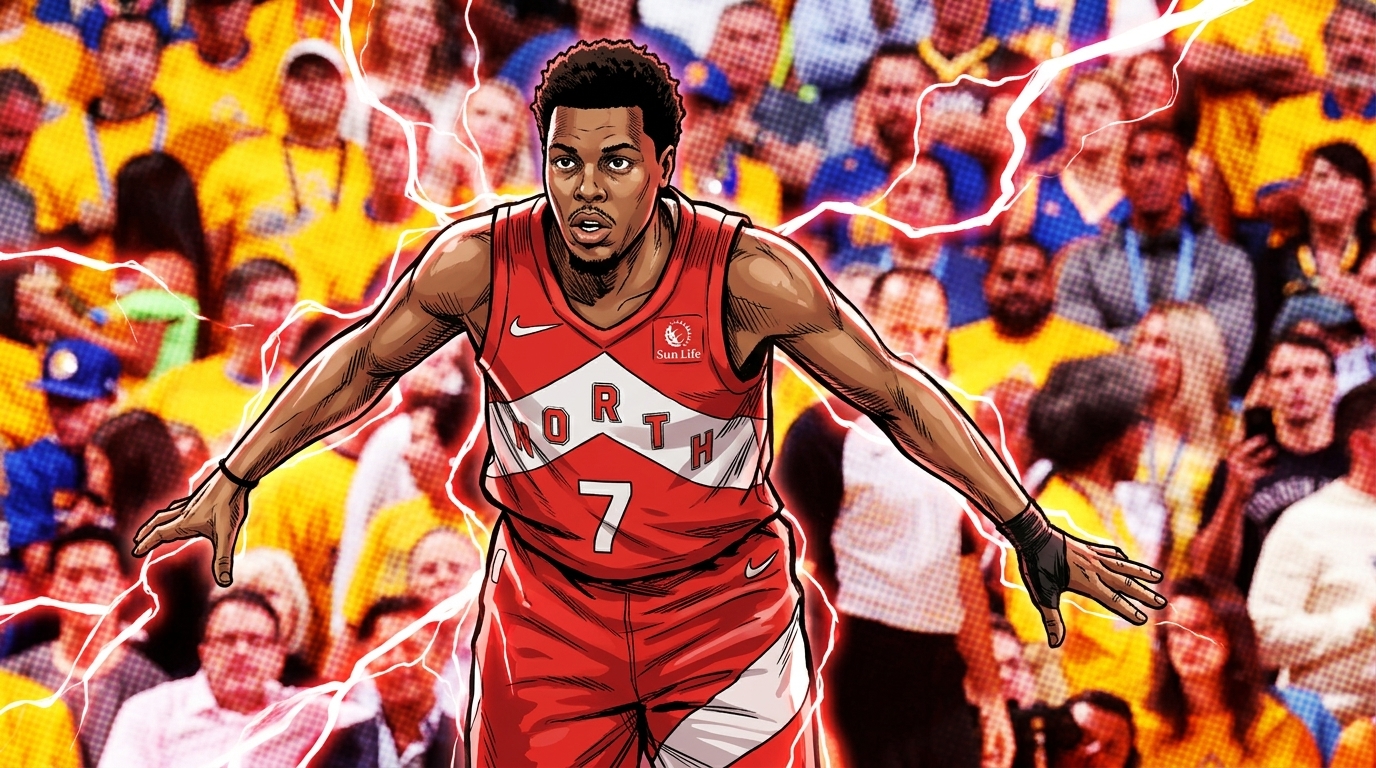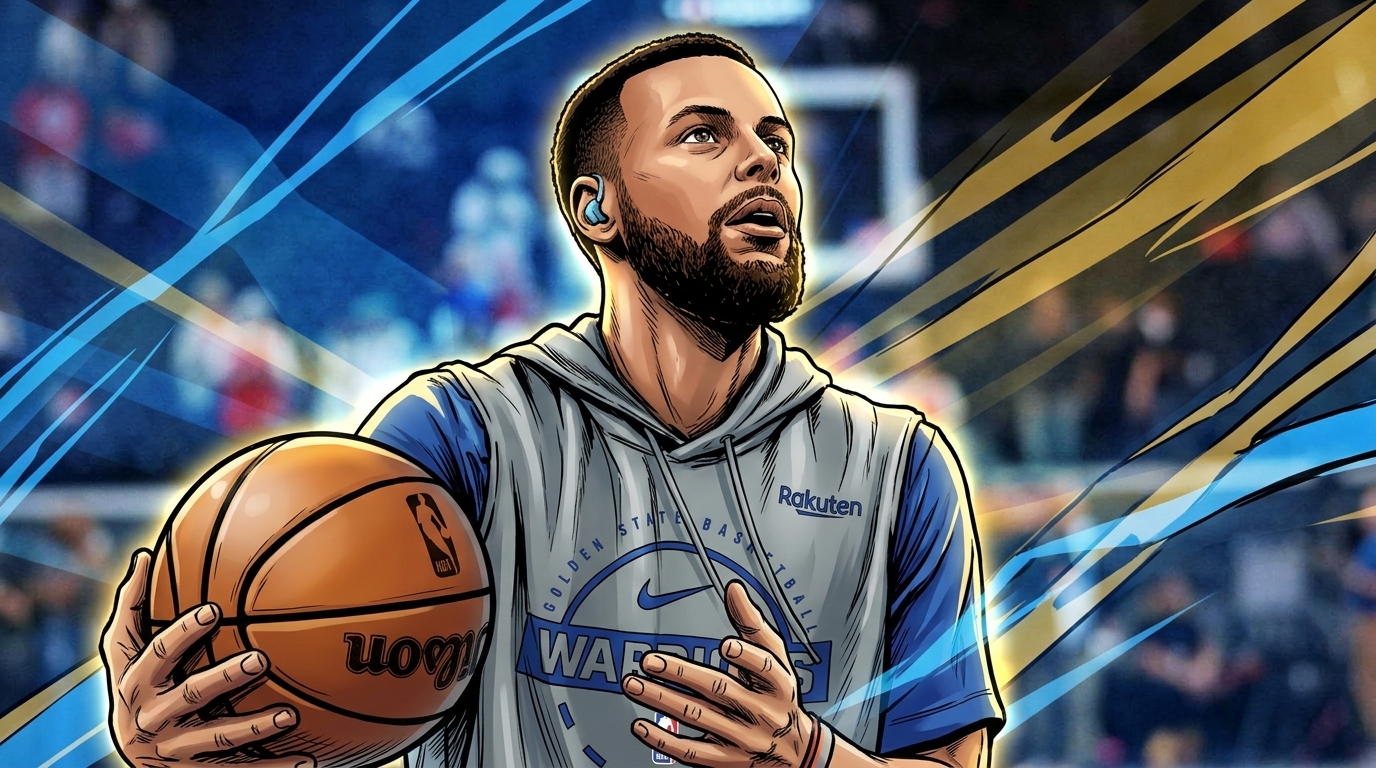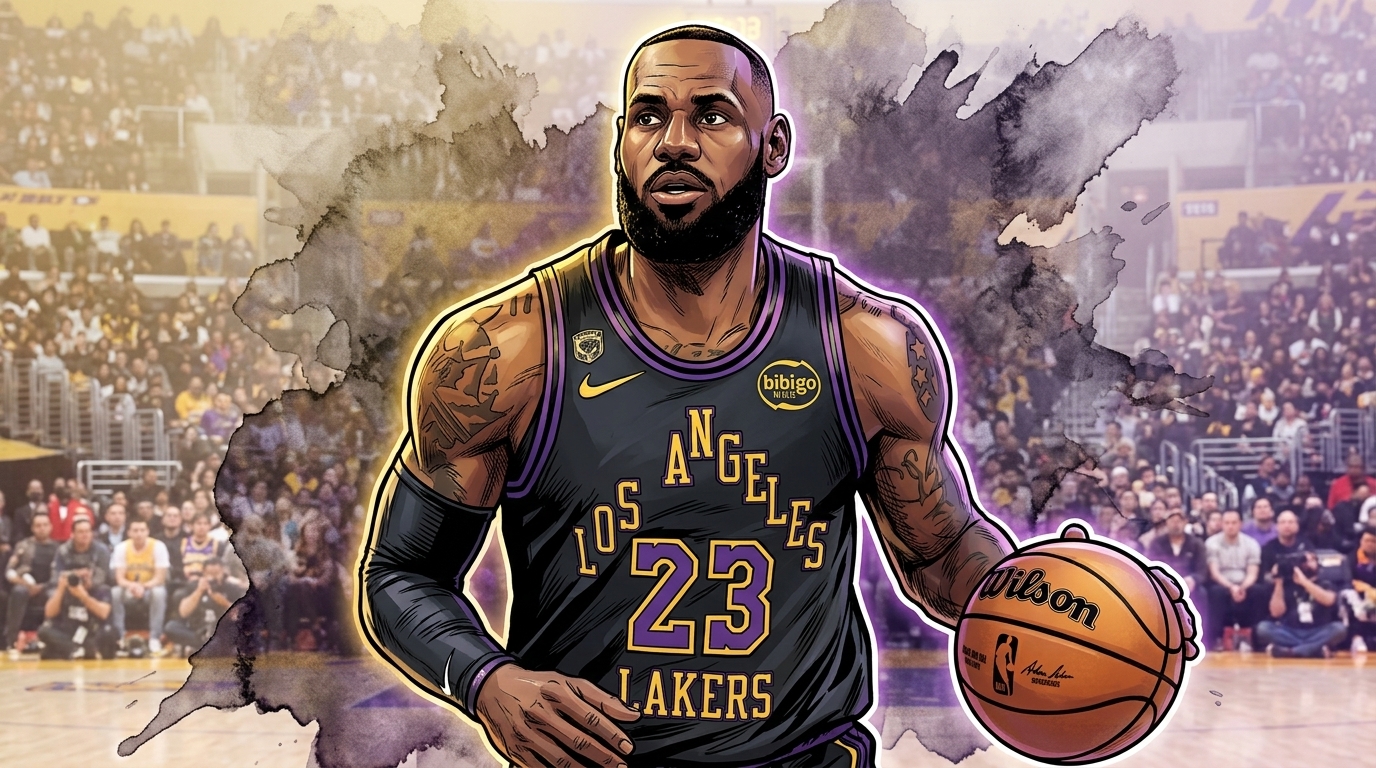

Rich Paul walked onto his own podcast, uncapped a marker, and wrote ten team names on a whiteboard, and the only honest way to describe what happened next is that every media organization in America covered it like a congressional hearing.
That whiteboard is not a negotiating tool. It is a segment. Rich Paul hosts a show called “Game Over” with Max Kellerman; he appeared on camera with a prepared visual aid and delivered structured talking points about LeBron James free agency 2026 while the recording light was on. The format is indistinguishable from a morning sports-radio hit where the analyst wheels in a graphic. The content is indistinguishable from a press release. The distribution was, if anything, more efficient than either.
This matters because the whiteboard has been reported as leverage — as evidence of an active, multi-front negotiation unfolding in real time. Ten teams! A bidding war! Every franchise scrambling! What the numbers actually show is something stranger. Rich Paul has spoken to 27 teams about LeBron’s future. Ten made the board. LeBron James himself has not sat in a single meeting; his agent will review everything and present a summary at the end. Twenty-seven teams contacted, ten publicly surfaced, zero player meetings. The gap between those three numbers is the whole story; each one collapses the drama of the previous one, and together they describe a production schedule, not a bidding process.
https://x.com/ESPNNBA/status/2073142424201830770
Every team on that whiteboard knows the math. The Cavaliers and the Heat and the Nuggets have a realistic shot. The Golden State Warriors reportedly carry “a low level of optimism” despite appearing in the top ten. The New York Knicks, per Marc Stein, “have checked in” and would have been LeBron’s choice in free agency if they hadn’t just won the championship — which means the Knicks are on a whiteboard for a slot that isn’t available, and everyone involved understands this, and they showed up anyway. Being on the whiteboard is itself the deliverable; it signals relevance, activity, seriousness of purpose. The teams are not competing for LeBron. They are competing to be seen competing for LeBron, which is a different transaction entirely and one the NBA media-industrial complex has been running profitably since 2010.
https://x.com/BleacherReport/status/2073044832767926605
Rich Paul told ESPN, “Every day things change.” On the podcast, he described LeBron as making a “pressure-free” decision for the first time in his career, now that he has won in Los Angeles and “made good on his promise.” These are not the statements of a man running a secret war room. These are pull quotes, timed for maximum cycle penetration, delivered through a distribution channel Rich Paul controls. The Decision was mocked for sixteen years; its format was studied, replicated, satirized. This iteration skips the primetime special entirely and routes the same information through podcast infrastructure, which is more scalable and requires no network agreement. LeBron James didn’t internalize the lesson of The Decision. He upgraded it.
There is a version of this argument where the whiteboard strategy is simply correct — that in 2026, you conduct LeBron James free agency negotiations through controlled public disclosure because the alternative is a hundred anonymous sources and two weeks of chaos. That version is defensible. The noise happens regardless; better to produce it yourself than let it happen to you. The problem is that “we are doing exactly what he wants” stops being a critique the moment everyone involved already knows it and proceeds anyway. It is not leverage if the other party consents to the terms.
The Knicks just won a championship and still got written onto the board. That is the darkest detail available, and it is presented without comment because none is needed. There is more where this came from in our NBA coverage. Alex Ovechkin, for what it’s worth, re-signed with Washington and nobody made a whiteboard.