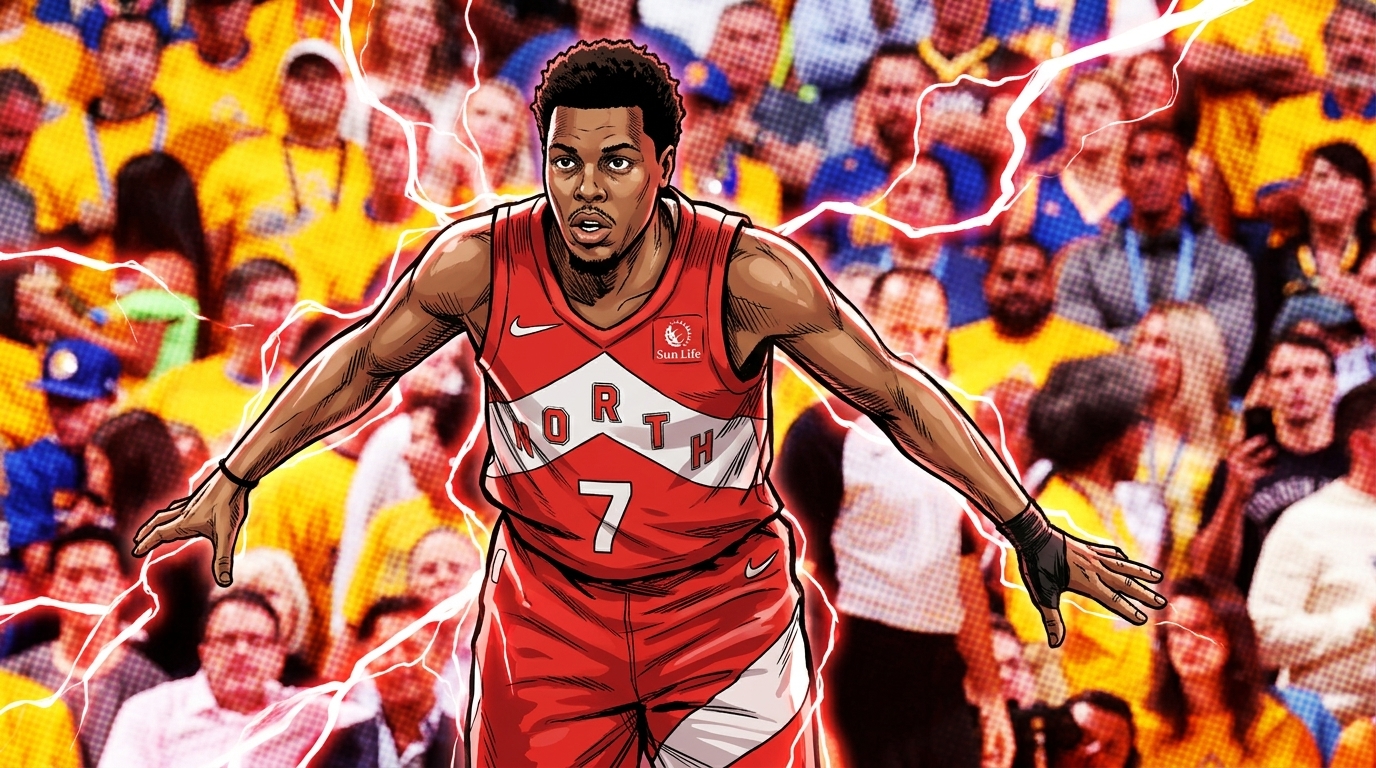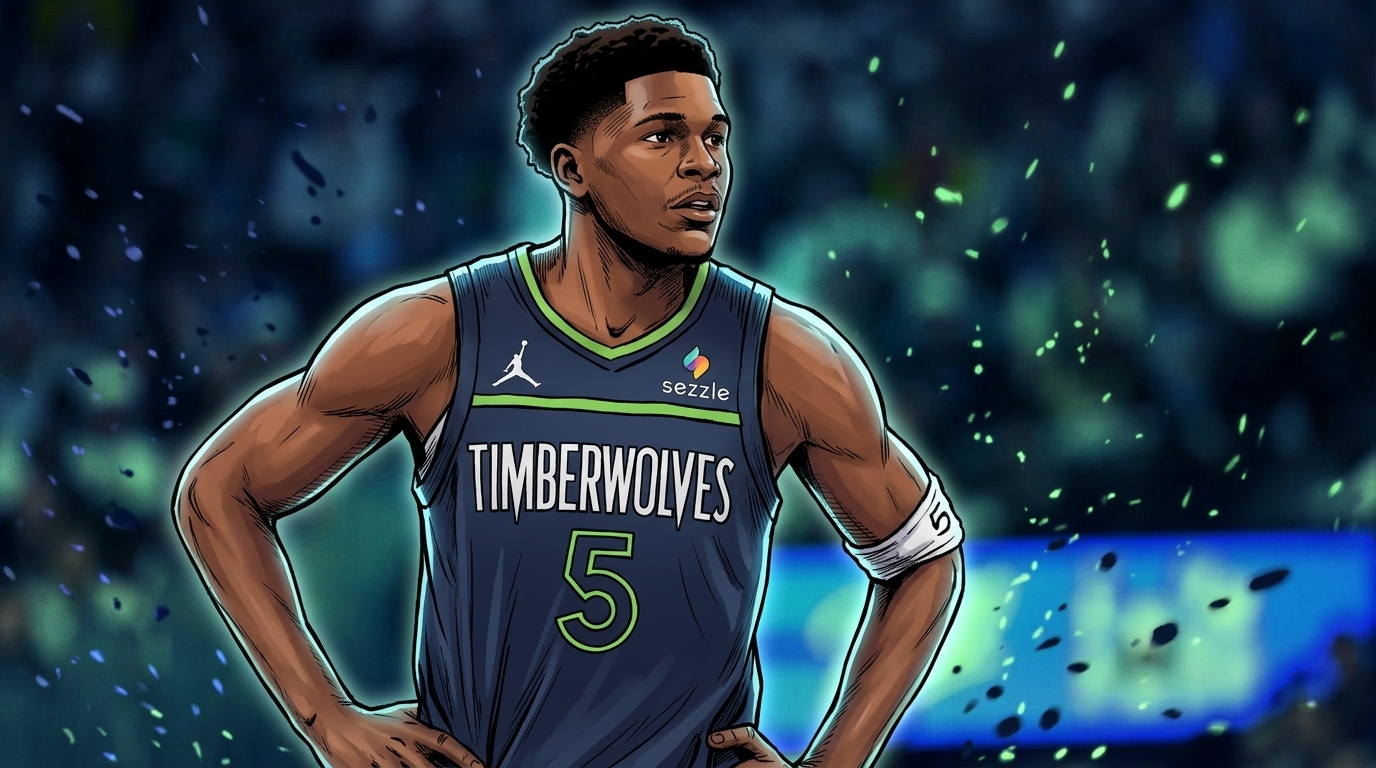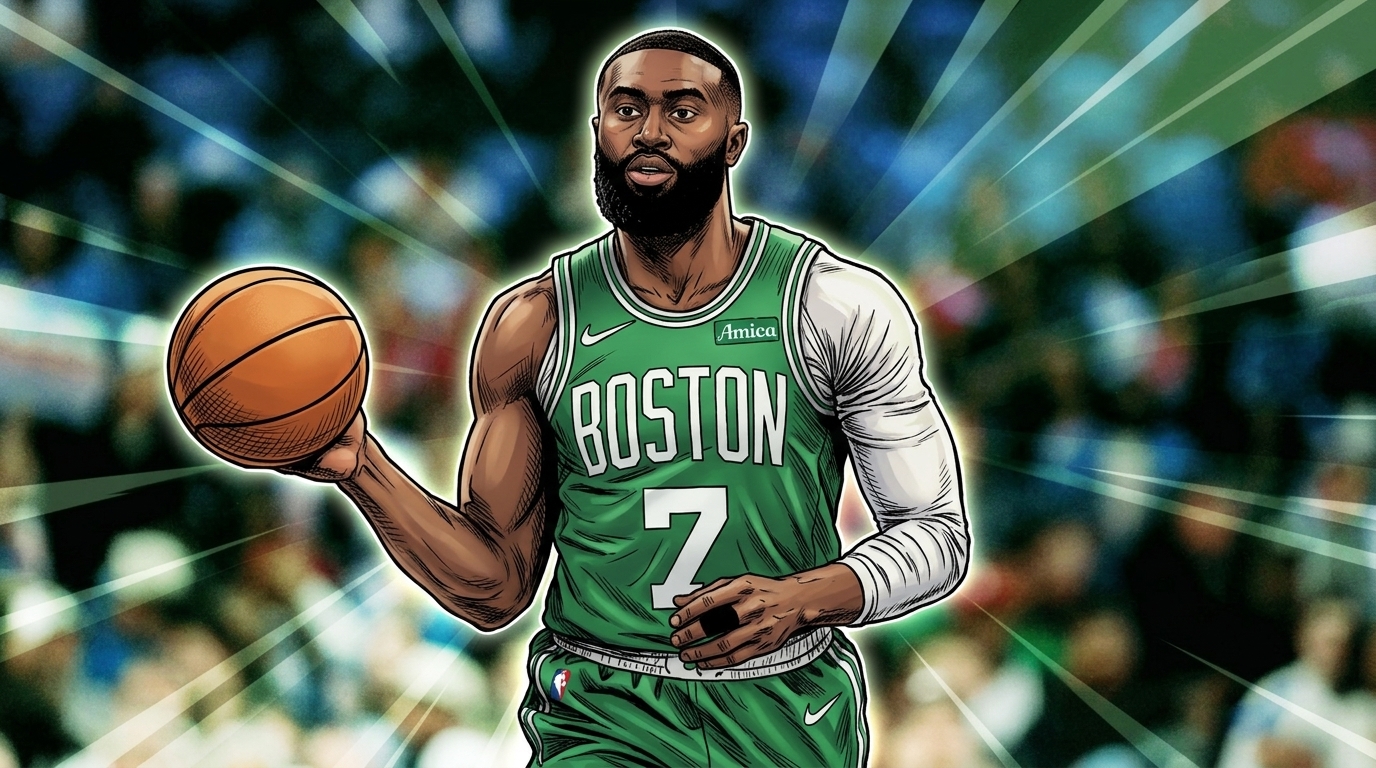

Boston traded Jaylen Brown, a 28-year-old, five-time All-Star, two-time All-NBA, 2024 NBA Finals MVP averaging 28.7 points a game, for Paul George, two unprotected first-round picks, and two seconds. I cannot believe we are still doing this. I cannot believe the Celtics looked at a player who never asked out, who carried them through an entire season while Jayson Tatum watched from the bench in a walking boot, and decided the right move was to shop him around the league until someone bit.
That someone was the 76ers. And I am a Sixers fan. Which means I should be thrilled. I am not thrilled. I am the specific kind of terrified that only comes from getting exactly what you wanted.
$54.1 million per year. Age 36. Thirty-seven games played last season across a knee injury and a 25-game suspension. Seventy-eight total games across two seasons in Philadelphia. The 76ers spent months trying to offload Paul George’s contract before this deal. Then Boston called about Jaylen Brown, and Philly was reportedly stunned by what was on the table: an organization that had been desperate to move that money couldn’t believe it was getting rescued from it while also receiving a 28-year-old All-Star in his prime.
ESPN graded the trade D+ for Boston and A- for Philadelphia. Draymond Green said it wasn’t an “even swap.” These are not hot takes. These are people watching Boston do what Boston does — convince itself that a rational-sounding process led to a rational outcome, when the actual outcome is that they traded a Finals MVP for a player on the wrong side of 35 and a pair of picks that won’t convey for two to five years.
The backstory makes it worse. The Celtics first tried to trade Brown and two unprotected firsts for Giannis Antetokounmpo. Milwaukee chose Miami instead. So Boston, having failed to land the player they actually wanted, went back to the market and moved Brown anyway, to a division rival, six months after the Giannis talks collapsed. Hell of a consolation prize for Jaylen Brown. The Celtics called this “portfolio management,” which is Brad Stevens’s way of saying he got dumped and blamed it on diversification.
Brown’s response landed via Shams:
https://x.com/ShamsCharania/status/2072753058048577934
“I’m still processing how this all went down. I’m excited and disappointed at the same time.” He also said he wasn’t thrilled with how the conversation was facilitated — that it felt like a lack of respect. A man who averaged 28.7 points a night to hold a franchise together while its star rehabbed, who never once demanded a trade, who played his way to sixth in MVP voting two months before they shipped him — and Boston couldn’t give him the basic courtesy of a straight conversation. He found out he was available the way players always find out: through reporters and the slow dawning horror that the organization has already made the decision.
That’s Jaylen Brown. That’s the victim here.
The counterargument deserves its moment: George is still a capable veteran when healthy, and Tatum plus George plus cap flexibility is an actual rebuild framework rather than a blind leap. Boston was $30 million over the salary cap and bleeding. The picks could become something real. Maybe this makes sense in a spreadsheet somewhere.
But Philadelphia now has Brown alongside Tyrese Maxey, VJ Edgecombe, and Joel Embiid. That is a legitimate core, and it makes the 76ers serious Eastern Conference contenders going into 2026. While the LeBron circus dominating the news cycle keeps consuming the conversation, this is the transaction that actually reshuffled the East, and the rest of the NBA offseason still has to answer it.
So yes, I am cautiously optimistic. As a Sixers fan. Which is the worst possible mental state to occupy, because this franchise has trained me to understand that cautious optimism is simply the first stage of grief.