
FanDuel looked at a man who had lost $1.5 million on their platform and decided the correct intervention was a personalized video from his favorite baseball player telling him to have a great Thanksgiving.
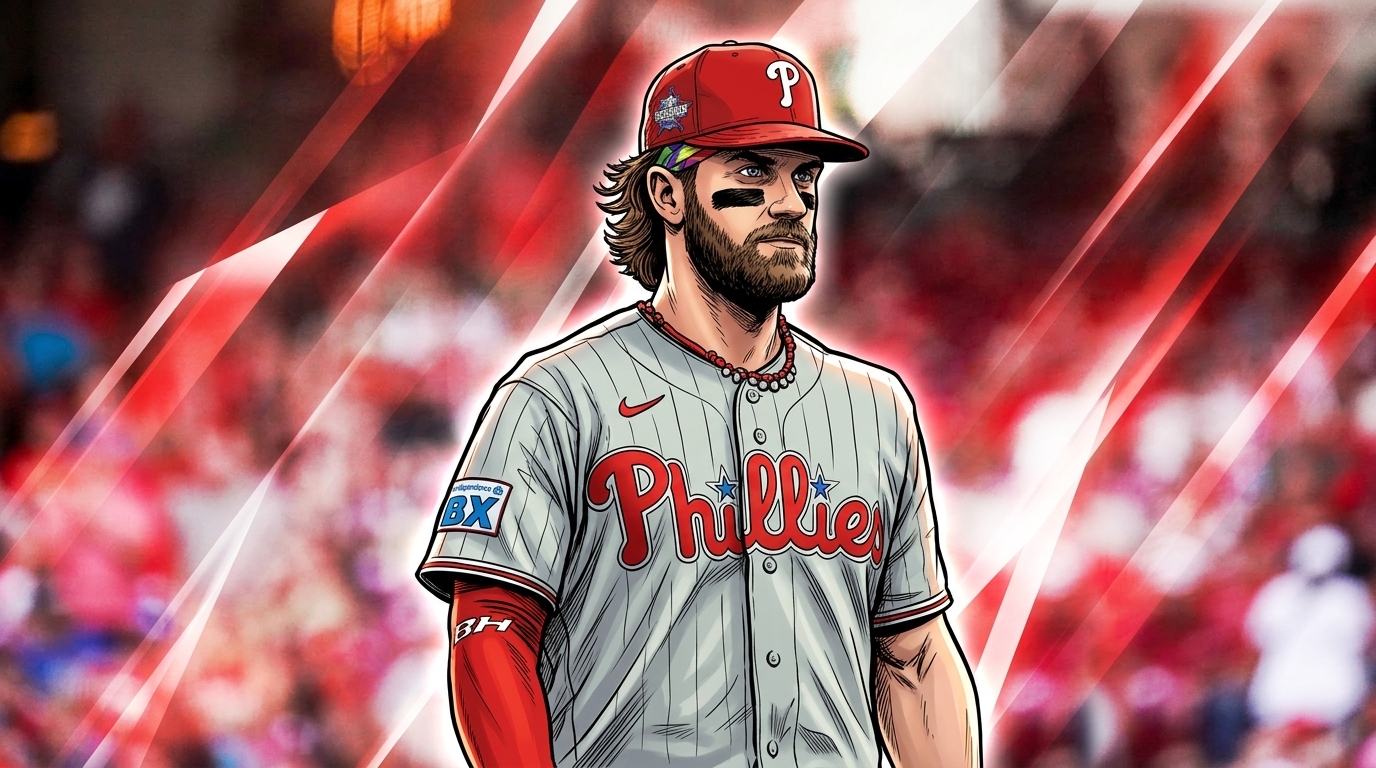
Terry Thompson is a Montgomery County, Pennsylvania resident. Between 2020 and 2026, he wagered $18.5 million with FanDuel. His net loss across that stretch was approximately $1.5 million. At some point in November 2024, Thompson communicated to someone at FanDuel that he was thinking about stopping. FanDuel’s response was to have his VIP manager, a woman named Bryttanni Morgan, arrange a personalized Cameo video from Bryce Harper — the Philadelphia Phillies superstar and two-time MVP who Thompson apparently idolized. Harper recorded it. He addressed Thompson by name. He addressed Thompson’s young son by name. He said, “Hey, Terry? What’s up, brother? Hey, man, your host Bryttanni from FanDuel wanted to make sure your Thanksgiving was extra special.”
The Philadelphia Inquirer broke this story on July 9, 2026, nearly two years after the video was made.
https://x.com/phillysport/status/2075231542633263193
I cannot believe we are still pretending this industry has any interest in protecting the people it extracts money from. FanDuel and its peers spent $43 million lobbying against gambling regulation to ensure they’d never have to answer to anyone outside their own PR department. Thompson later texted his therapist expressing self-harm intentions. Police intervened. He was placed in a psychiatric facility for gambling addiction treatment. He filed a lawsuit in March 2026 in Philadelphia Common Pleas Court, through the Public Health Advocacy Institute, against FanDuel and DraftKings. And somewhere in the executive suite at FanDuel, someone has almost certainly flagged this as a PR problem rather than a product problem — which is the more clarifying way to describe what actually happened.
This was not a rogue employee. Bryttanni Morgan did not freelance this. FanDuel’s internal systems identified a high-value customer who was at risk of churning — someone who had handed over $1.5 million in losses and was signaling he might walk — and deployed a targeted retention campaign using a personalized celebrity message. That is product design. That is a system working as intended. The Cameo wasn’t a glitch; it was a feature someone built, someone approved, and someone executed.
Here is what FanDuel said in response to the story: “our employees are trained to recognize and flag signs of problem gambling and offer resources and tools.”
Sit with that for a second. FanDuel’s position is that the employees who identified Terry Thompson as a high-risk customer — who knew he was considering stopping, who arranged for a personalized video from his favorite athlete to be delivered to him at that exact moment — were, simultaneously, trained to recognize problem gambling and offer help. That is a hell of a sentence to publish with a straight face. They knew. The training worked. And the trained, informed response was to send him a Bryce Harper video and wish his son a happy Thanksgiving. The “responsible gambling” language these companies attach to every press release exists precisely to inoculate against exactly this kind of story. It did not work this time because Terry Thompson went public. The question is how many people it does work on — quietly, permanently, without anyone noticing.
Then, hours before the Home Run Derby on July 13, 2026, Harper posted a statement. He said he did not know FanDuel would do this. He did not consent to it, and FanDuel had no right to do it. He said what happened went beyond anything he knew about or approved.
https://x.com/JClarkNBCS/status/2076695904493392124
The strongest counterargument here is that Harper read FanDuel’s name in the script and recorded it anyway, and that Cameo’s terms of service technically allow commercial use with additional licensing. Both of those things are probably true. They do not change what FanDuel actually did. Harper recording a birthday-style Cameo for what he understood to be a VIP customer reward is not the same thing as consenting to be deployed as a retention tool against a man in psychiatric crisis. The informed party in this transaction was FanDuel. They knew what the video was for. They did it anyway. Expert Danny Funt, who covers the gambling industry, said he had never heard of an active player — let alone a former MVP — being used this way. Sports agent Leigh Steinberg called it bad for sports. The Pennsylvania Gaming Control Board is reviewing it. Nobody who has looked at this closely thinks FanDuel stumbled into something ambiguous.
What they did was identify someone who had lost $1.5 million on their platform, flag that he was thinking about quitting, and send him a personal video from the athlete he loved most, addressed to him and his kid, to make sure he felt seen and valued and not alone — because a man who feels seen and valued and not alone keeps gambling. That’s the math. That’s the whole thing. And somewhere in the PR notes for this week, some flack is describing that as a personalization feature, and I hope they know exactly what it is.