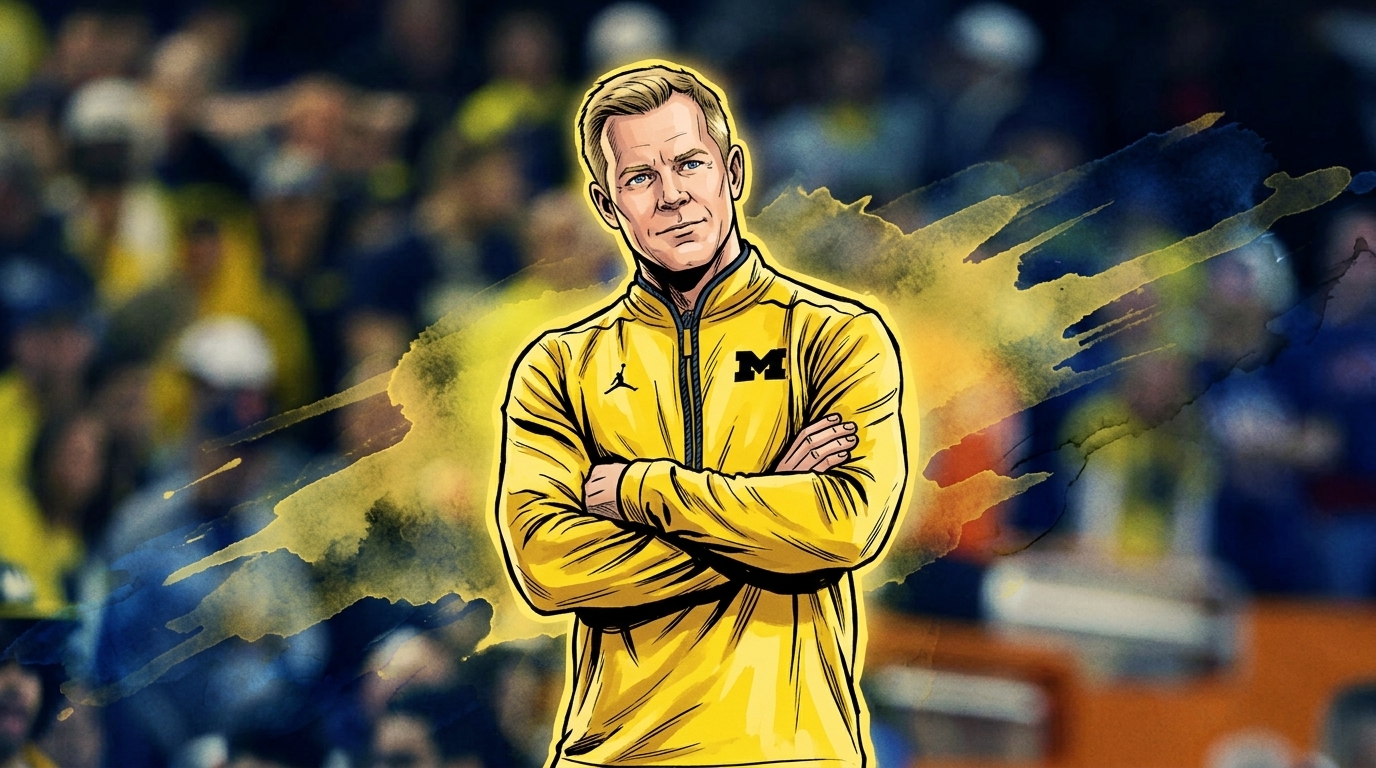

We’ve been watching this pattern build for a while, and Dusty May’s move to the Dallas Mavericks finally gave it a name. Eleven weeks after coaching the Michigan Wolverines to a national championship (beating UConn 69-63 at Lucas Oil Stadium on April 6), May was introduced as the Mavericks’ new head coach. Not a lateral move within college basketball. Not a “final destination” program. The NBA. The pattern isn’t complicated once you see it: college basketball is not losing coaches to the pros. It is being abandoned.
https://x.com/ShamsCharania/status/2069061865527767340
Why Did Dusty May Really Leave Michigan?
May said it himself at his Mavericks introductory press conference on June 29. The NIL era, he explained, is “a segue into the NBA where we weren’t coaching professional players, per se, where they’re under contract. But they were getting paid. The same problems — not at the same scale — but similar problems, similar issues, similar challenges.” He went further: “It’s much more complicated than it used to be.” And on player development — the thing college coaches once hung their entire identity on — May said flatly that “in college basketball, you don’t get to do near as much of that as you used to.”
Michigan’s interim president Domenico Grasso made it even plainer. At the June 25 regents meeting, Grasso said May had told him that “among his reasons for leaving were uncertainties and pressures involving the transfer portal and NIL support for student-athletes.” Then Grasso added something worth sitting with: “He and I agree that the future of college sports is headed in the wrong direction.”
That’s not a coach making a money grab. That’s a college president and a just-departed champion coach agreeing, on the record, that the institution has a problem it cannot solve.
Who Else Has Made the Jump, and Why Now?
May is the first active college basketball coach to go directly to the NBA since John Beilein left Michigan for the Cleveland Cavaliers in 2019, per ESPN. (Beilein lasted 54 games, which everyone citing as a cautionary tale will mention before this article ends.) But the cross-sport trend is broader than one hire.
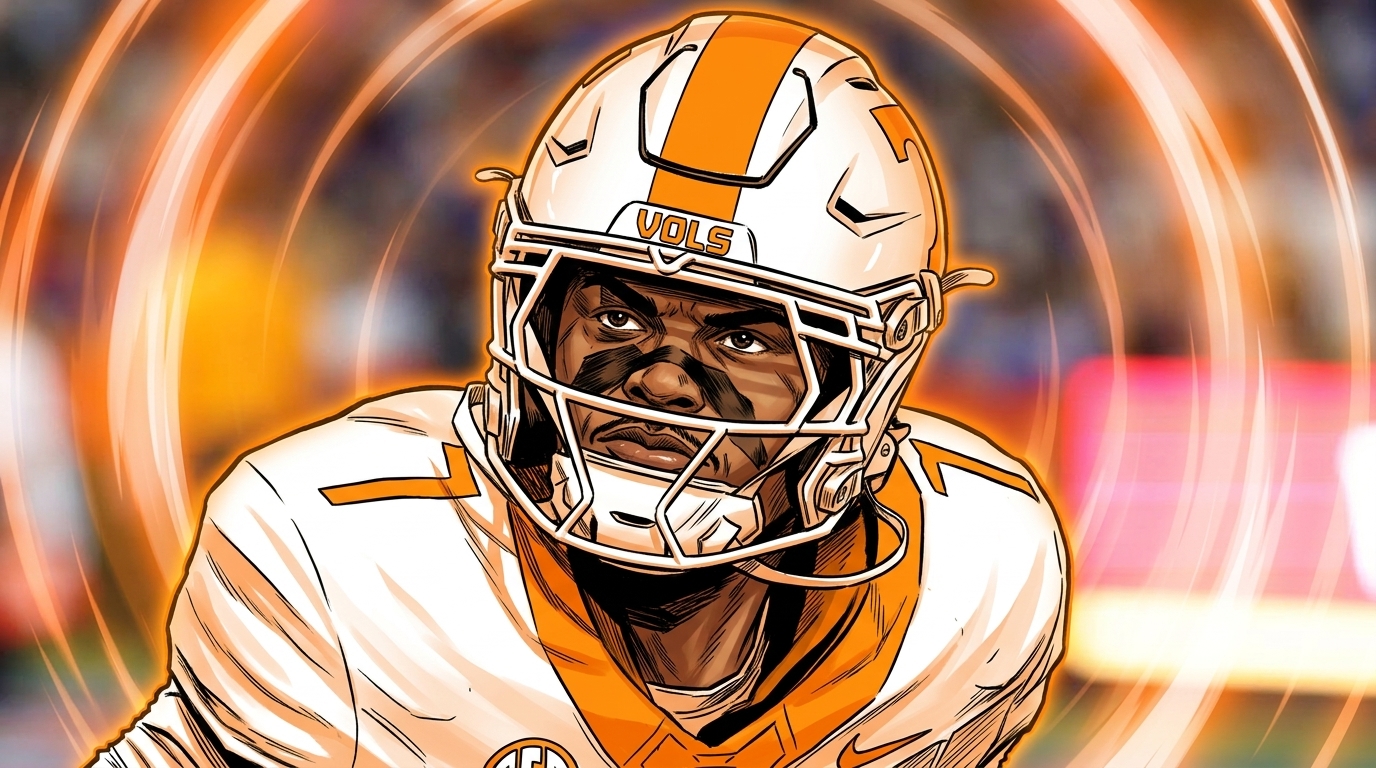
In October 2025, Tony Vitello left Tennessee baseball, where he’d built one of the country’s elite programs, to become head manager of the San Francisco Giants. Per reporting at the time, it was the first direct college-to-MLB hire in history: no prior professional experience, no minor-league apprenticeship, straight from the college dugout to a major league clubhouse. The pattern is identical to May’s. A coach at the height of his college powers, choosing out.
Jim Harbaugh’s departure from Michigan football for the LA Chargers in January 2024 predates both, though Harbaugh had prior NFL head coaching experience, a different case in key ways even if it points the same direction. The through-line across all three isn’t coaching trees or salary arbitrage. It’s that the pro side stopped feeling like the harder job. Per On3’s framing of the May hire, the skill sets are merging: managing NIL-era college rosters (distributed contracts, player agents, transfer negotiations, retention spending) looks a lot more like running a professional team than it did ten years ago. Pro franchises have noticed.
The counterargument writes itself: college coaches don’t translate. Beilein’s 54-game tenure is the obvious data point, and it’s a real one. The adjustment from college to pro is still significant, the roster control is still different, and the media environment is more brutal. That’s all true. But I think the Beilein comparison misses what’s actually changed. Beilein made that move in 2019, before the NIL era fully arrived. The coaches leaving now aren’t escaping to something unfamiliar: they’re moving toward a version of what they’ve already been doing.
Can College Basketball Stop the Bleeding?
The honest answer is that the sport’s governing bodies don’t control the variables. The transfer portal isn’t going away. NIL spending isn’t contracting. The roster churn that May described — the thing that made college feel less like coaching and more like running a franchise without any of the franchise’s protections — is now the baseline.
What college once offered that the pros couldn’t match was continuity. You recruited a player, developed him over three or four years, and built something cumulative. That’s what $10 million in NIL looks like from the player’s side: maximum leverage, minimal loyalty, rational self-interest operating at full volume. The coach isn’t immune to the same logic.
The colleges that will keep their coaches aren’t the ones with better arguments. They’re the ones with the largest NIL collectives, the deepest-pocketed boosters, and the willingness to operate as de facto professional franchises. That’s the spending divide that’s splitting college football in two and will do the same to basketball. The schools without that capacity will increasingly find themselves as development labs for coaches the pros eventually poach.
I believe we’re early in this. May and Vitello are visible precisely because the moves are still surprising. In five years, the surprise will be gone. College coaches at power programs will negotiate their contracts with an eye on what a pro front office might offer, and pro franchises will build pipelines to college staffs the way they already build pipelines to college players. Grasso said the future of college sports is headed in the wrong direction. He’s right. The question isn’t whether the direction changes: it’s which schools survive the trip.
Watch for which programs retain coaches after big runs. If May’s successor at Michigan lasts two seasons before a pro team calls, the pattern is confirmed. If college administrators find a way to offer genuine stability (buyout protections, roster guarantees, something that functions like a franchise tag), the drain slows. Right now, neither is visible on the horizon.