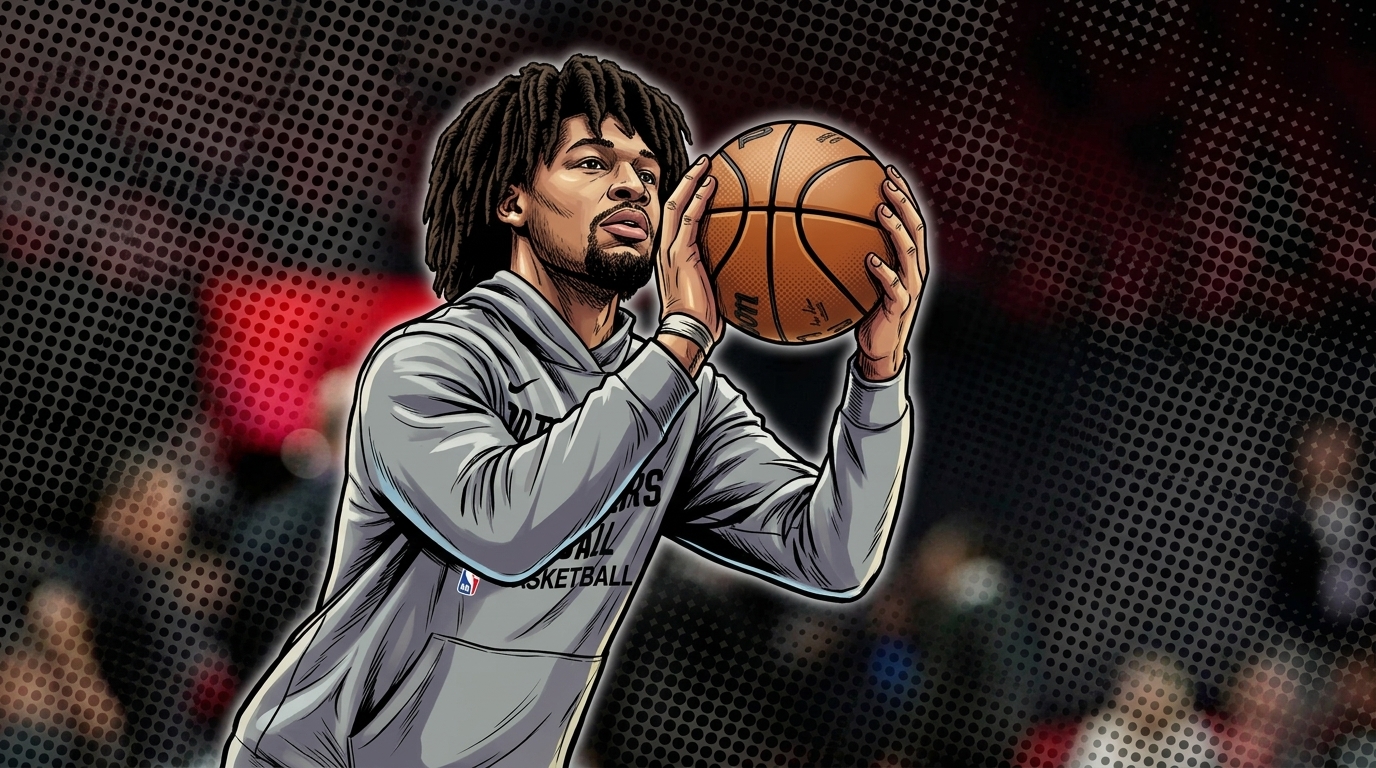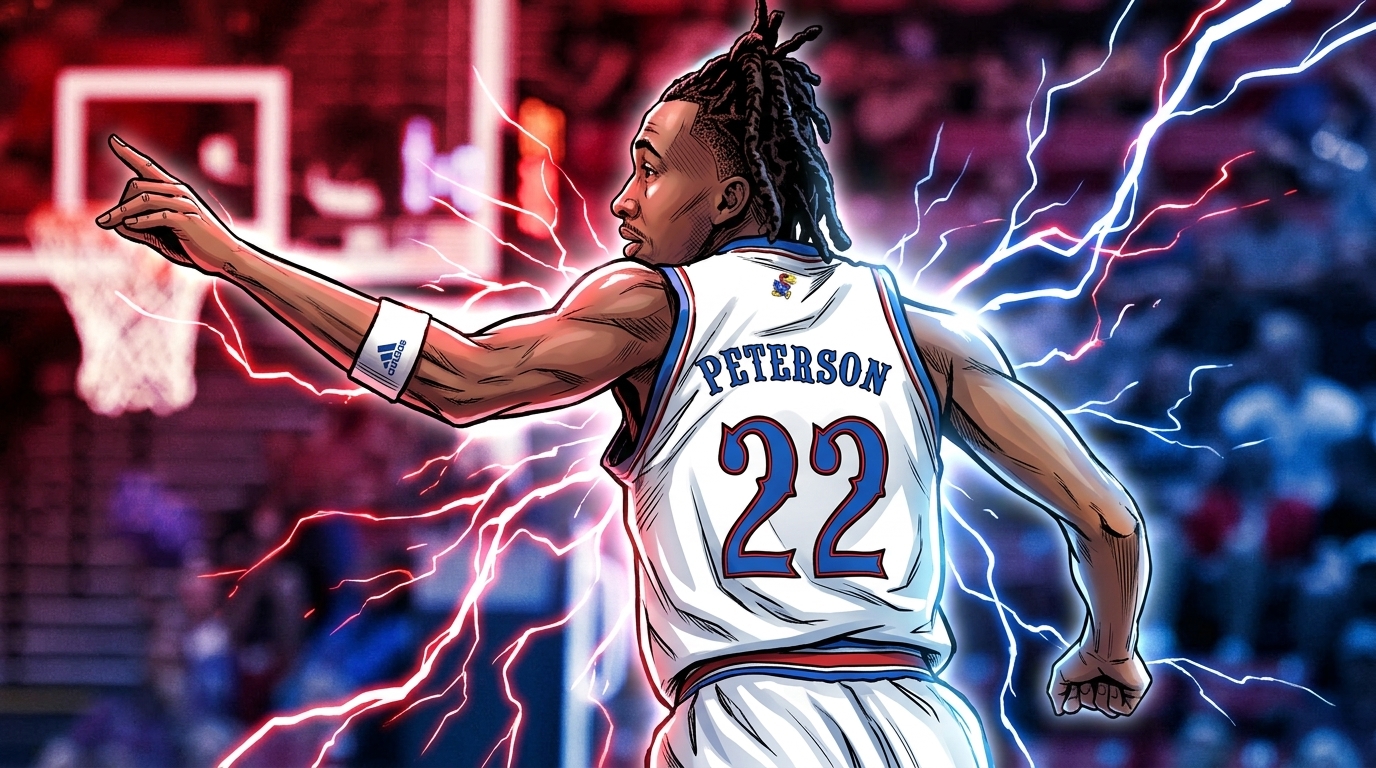

I have spent enough time in rooms where people with no leverage tried to act like they had some to know what this is. Darryn Peterson, 19 years old, consensus five-star recruit, McDonald’s All-American Co-MVP, Kansas freshman scoring record holder, decided to work out for exactly one team in the 2026 NBA Draft. Just Washington. Nobody else got the formal workout. The move was supposed to send a message. It did. The message just wasn’t the one he intended.
The Dybantsa-vs-Peterson debate has been the central drama of the best draft class since 2003, and Peterson’s workout gamble was the most dramatic move a prospect can make before the lottery picks are actually read aloud. The theory is sound, in the way that a lot of bad theories are sound in the abstract: show the team that wants you that you really want them, signal loyalty, make yourself easier to take at #1. The problem is that the other side of the equation has to cooperate, and the Washington Wizards are reportedly narrowing on AJ Dybantsa per Shams Charania’s reporting. Which means the loyalty signal might be landing in an empty room.
Here is the structural problem with Peterson’s play: leverage only works if the other party cares that you’re using it. The Wizards hold the #1 pick. That is the entirety of the power here. They can take whoever they want, and Peterson cannot negotiate his way to a different outcome because there is no negotiation. There is only a decision Washington will make, and then a place Peterson will go. That’s it. The draft is not a free market. It is a command economy with one seller.
And the buyer Peterson was trying to avoid — Utah — publicly neutered his leverage before he even finished using it. Per reporting on the Jazz’s stance, Utah said explicitly they “won’t hesitate” to take Peterson despite the workout snub if they decide he’s the best player available. Once that became public, the implicit threat (“don’t send me to Utah”) stopped mattering. You can’t threaten someone with something they’ve already told you doesn’t scare them.
https://twitter.com/UnderdogNBA/status/2067000411157111122
Peterson tried to walk it back, too. He met with the Jazz in a non-workout meeting over the weekend, per Deseret News, and told anyone who’d listen that he isn’t dodging anybody. He said, “Whoever takes me, I’m going to come in and be delighted to be there.” Which is the most reasonable, mature thing a 19-year-old can say after a calculated bet starts looking shaky. But it also retroactively makes the workout snub look less like a strategic signal and more like a gesture that accomplished nothing except annoying the Jazz — who, again, don’t care.
The Ace Bailey 2025 parallel is sitting right there and nobody wants to look at it. Bailey ran a similar play — limited his pre-draft availability, signaled his preference, was widely projected as a top-3 pick. He went fifth overall to Utah. The workout refusal didn’t move him up a single spot. It might have cost him one or two. The Jazz drafted him anyway, because of course they did; the Jazz have the pick and the Jazz make the choice.
What Peterson is actually experiencing — and I say this not to be cruel, because the guy can legitimately ball, 20.2 points per game on 44/38/83 splits at Kansas as a freshman is not a fluke — is the basic, brutal architecture of the NBA draft. AJ Dybantsa visited both Washington and Utah, kept his options open, and signaled nothing. That’s not loyalty. That’s the move of someone who understands they don’t have leverage either, so they’re not going to waste energy pretending they do.
If Washington takes Dybantsa tonight, Peterson’s calculated bet doesn’t just fail. It retroactively exposes the whole soft-leverage game for what it was: theater. And Peterson ends up in Utah anyway, delighted to be there, just like he said.