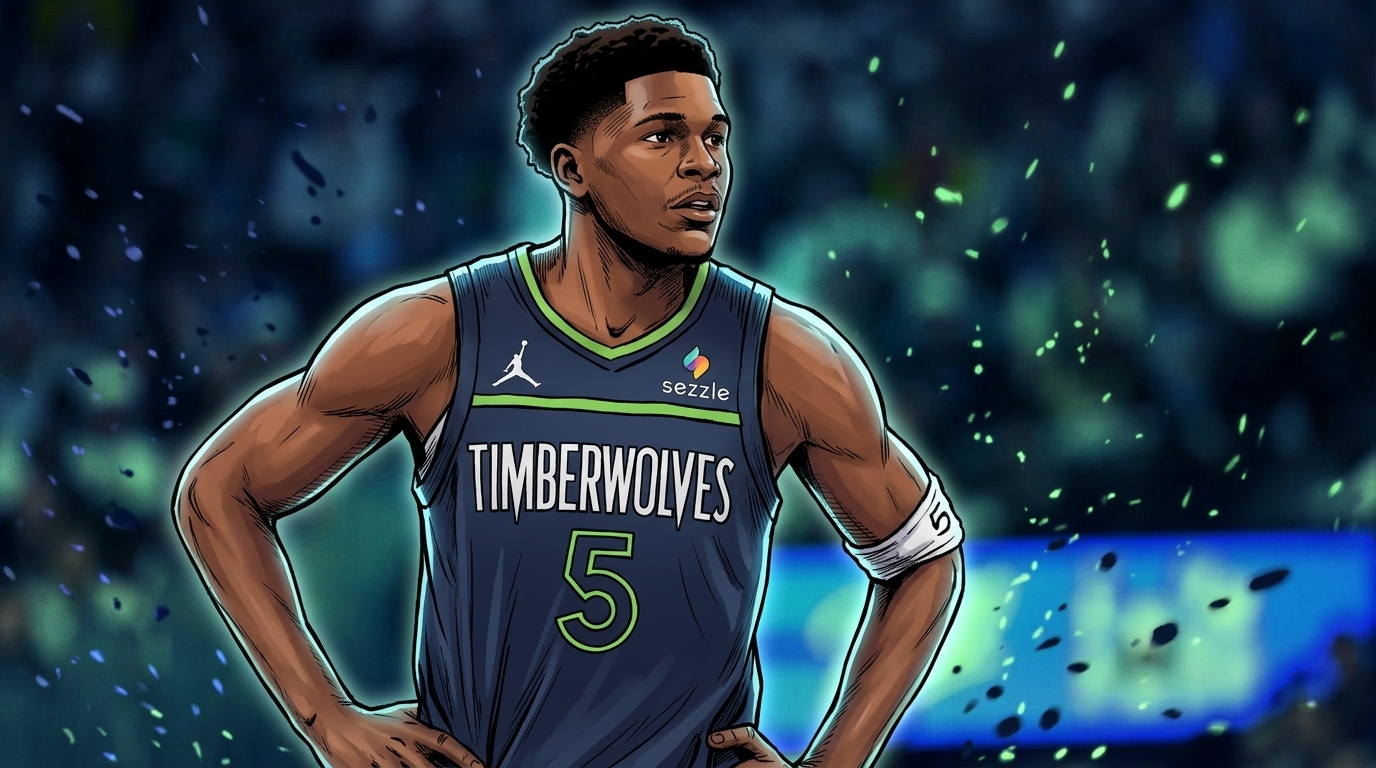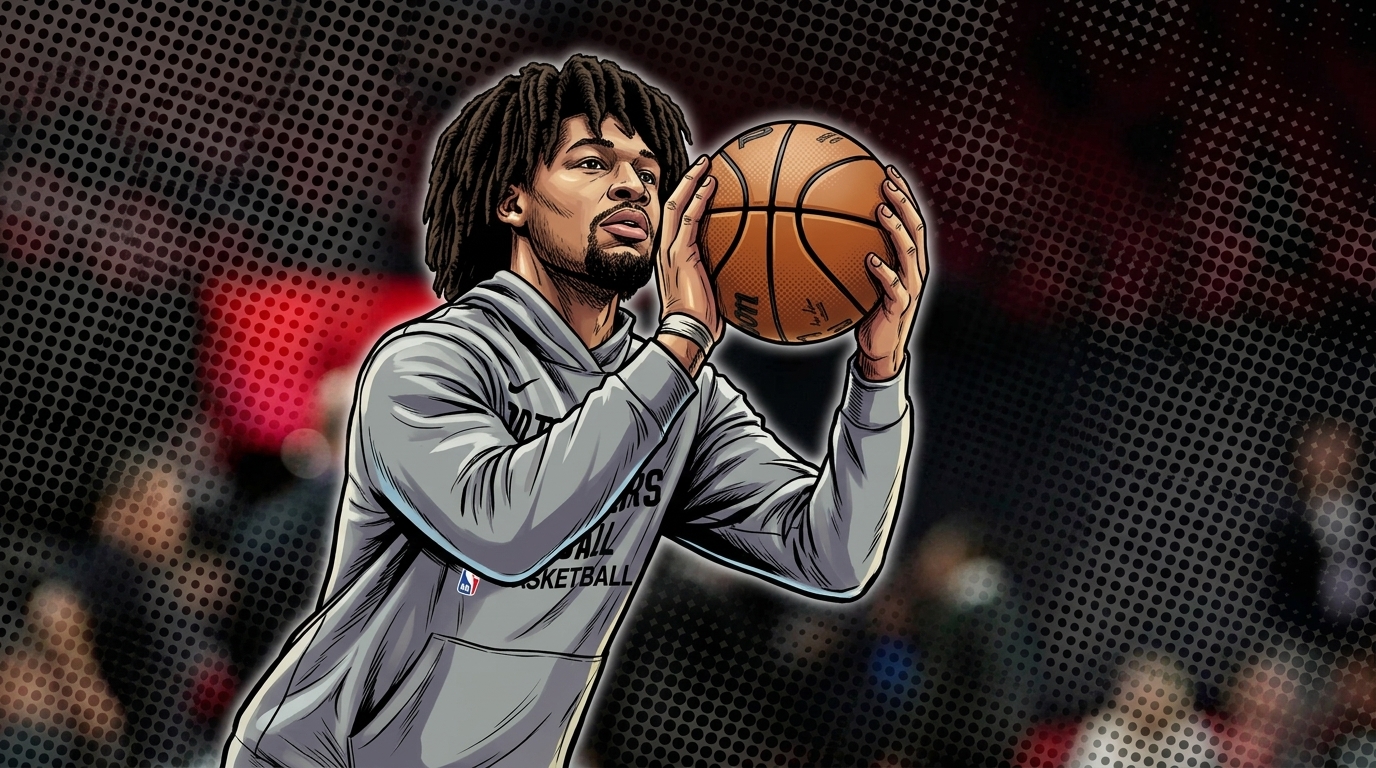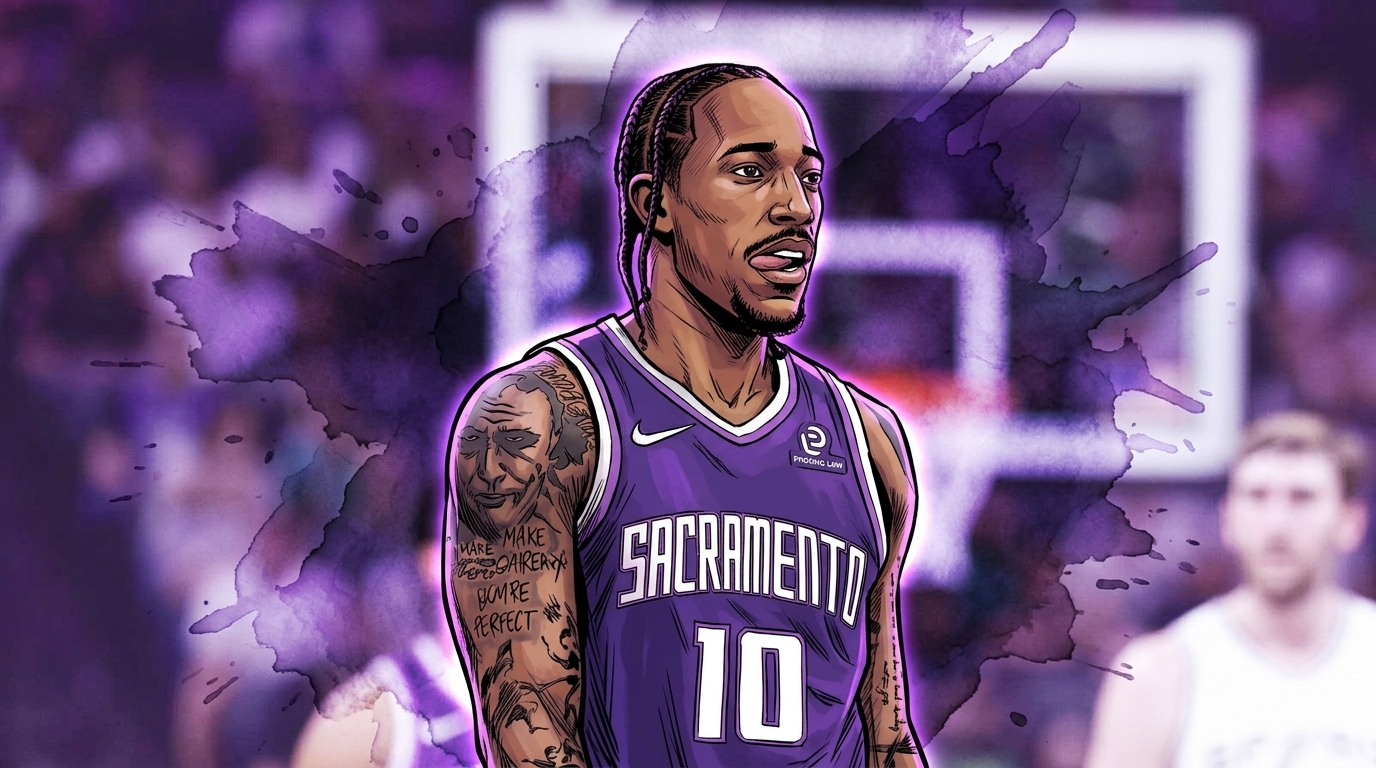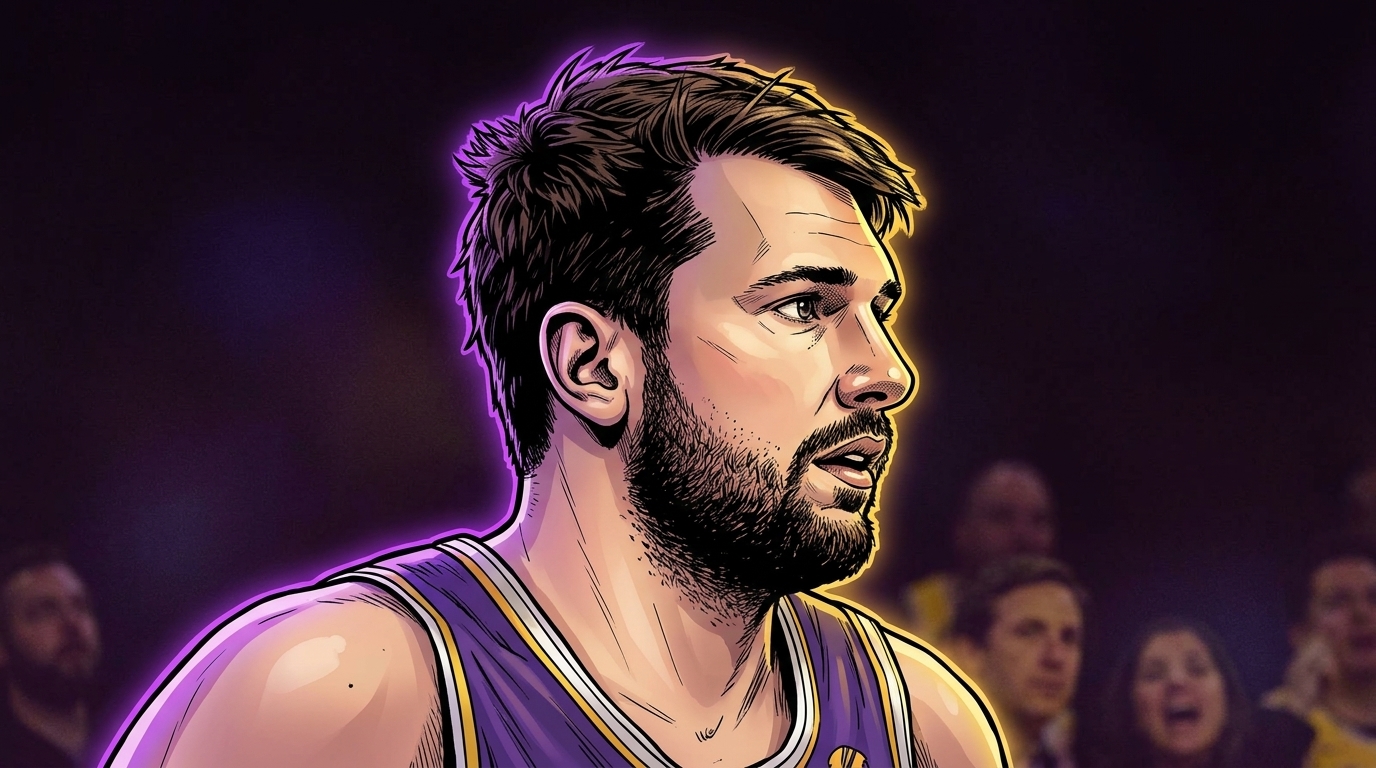

We’ve been watching this draft class get hyped for two years, waiting for the ceiling projections to crack under scrutiny. They haven’t. Tonight at Barclays Center, AJ Dybantsa, Darryn Peterson, Cameron Boozer, and Caleb Wilson walk across a stage in what an NBC Sports historical analysis ranks as only the third-best draft class in NBA history, trailing just 1984 and 2003. Before the confetti falls, it’s worth understanding what scouts, reporters, and front offices actually think is happening here, and why the offseason chaos swirling around it makes tonight one of the more consequential sports nights in years.
Is the 2026 NBA Draft Class Really the Best Since 2003?
The honest answer is that the 2003 class produced LeBron James, Dwyane Wade, Carmelo Anthony, and Chris Bosh: four Hall of Famers who collectively won rings across multiple franchises and decades — and a generational ceiling that essentially every one of them hit. That last part is the rare thing. Ceilings get projected on prospects constantly. Reaching them is another matter. The 2026 NBA Draft best class since 2003 conversation rests on the argument that this class has four players — not one, not two — with genuine franchise-cornerstone upside, and that the statistical production to support those projections arrived earlier than almost anything we’ve seen since.
Per that same NBC Sports analysis, the trio of Dybantsa, Peterson, and Boozer is already being ranked higher as prospects than Luka Doncic, Jayson Tatum, Chet Holmgren, and Evan Mobley were at equivalent stages. Sam Vecenie of The Athletic put it plainly:
https://x.com/Sam_Vecenie/status/2021744687745577005
The four players projected to go 1-4 are not interchangeable lottery gambles. Each arrives with a specific, articulable case for why they become the best player on a championship team.
What Scouts and Reporters Are Actually Saying About the Top Four
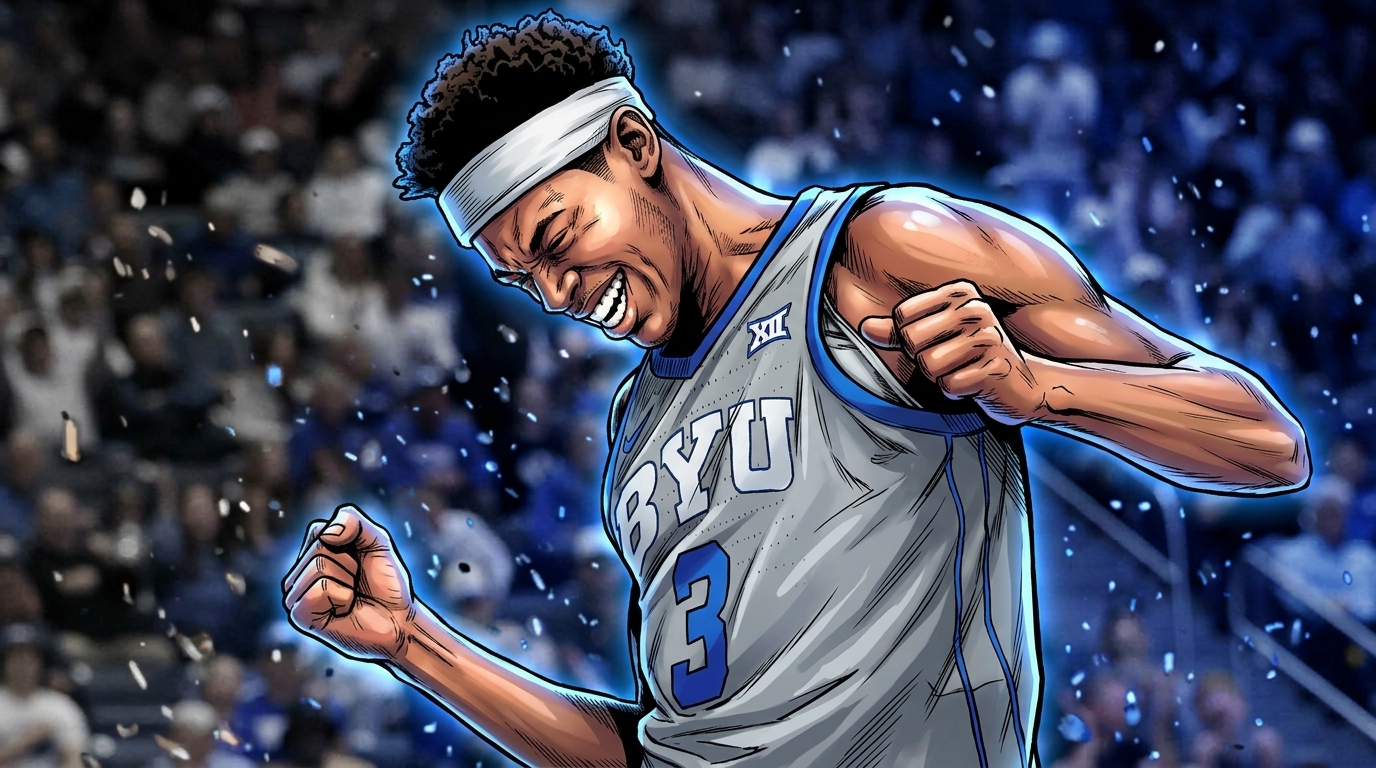
AJ Dybantsa led the nation in scoring at BYU, averaging 25.5 points per game and posting 894 points as a freshman, third-most by any first-year player in Division I history. Jay Bilas called him “the prototype who fits the NBA suit,” a player whose downhill scoring draws Tracy McGrady comparisons from scouts who have been doing this long enough to remember T-Mac at his apex. One evaluator described him as “the best bucket-getter in this class, impossible for defenders to bottle him up for too long.” Dybantsa did not work out for any team before the draft. (Washington Wizards fans can decide whether to read that as supreme confidence or mild red flag. Probably supreme confidence.)
Darryn Peterson, projected to the Utah Jazz at #2, is the player Bilas simply calls “the most talented” in this class. One East Coast scout drew a Kawhi Leonard-meets-Paul George comparison, which, if it lands anywhere close to accurate, makes Peterson potentially the highest-value pick in a class full of high-value picks. A different East scout offered a different take, flagging what he described as “diva-ness” and adding, “I think you’re getting a glimpse of who he’s going to be.” That caveat is worth sitting with, because attitude concerns in draft classes tend to get laundered through the excitement of draft week. The Jazz, rebuilding aggressively, appear willing to take the bet.
Cameron Boozer is, per Bilas, “the best pure basketball player” in the class and “the dream date of analytics.” His statistical production as a Duke freshman cleared everyone else in this group, and NBA analytics models have essentially converged on the view that his floor is unusually high for a prospect his age. Nick DeLuca explored Cameron Boozer’s family legacy angle in depth: the son of Carlos Boozer, who spent 13 NBA seasons as an excellent-but-never-cornerstone big, is now entering the league projected as exactly the player his father never quite became. The Memphis Grizzlies, picking third, would be acquiring a different species of Boozer entirely.
Caleb Wilson put up 19.8 points, 9.4 rebounds, 2.7 assists, 1.5 steals, and 1.4 blocks per game at UNC before a hand injury ended his freshman season early. The injury did nothing to move teams off him, and the workout footage that followed reinforced the projection. Jeremy Woo at ESPN has floated a more athletic Pascal Siakam as a ceiling comp, with Kevin Garnett and Jaren Jackson Jr. also appearing in scout conversation. Wilson is the -475 favorite to land with the Chicago Bulls at #4, where he pairs with Josh Giddey in a SLAP-philosophy build (Size, Length, Athleticism, Physicality) that makes genuine sense on paper. (Whether it makes sense in practice will take three or four years to determine, because that’s how roster-building actually works.)
What connects these four is that their production arrived at an age and a context, college basketball against adult competition, where skeptics usually find ammunition to downgrade. Nobody has found convincing ammunition to downgrade any of them. That’s the distinguishing feature of the 2026 NBA Draft best class since 2003 argument, and it’s why the comparison to 2003 holds up better than most generational-class rhetoric does.
Why Does the Surrounding Chaos Make This Night Even More Consequential?
A great draft class landing in a quiet offseason is a good story. A great draft class landing in the most unsettled offseason in recent memory is something different.
Giannis Antetokounmpo has reportedly requested a trade from the Milwaukee Bucks, per widespread reporting from Shams Charania and others. The Miami Heat are in hottest pursuit, motivated partly by the need to move before the Boston Celtics do. Minnesota, Orlando, and Portland are also in reported conversations. Per league sources and widespread reporting, Giannis is expected to move before tonight’s picks are announced, meaning the first domino in a massive offseason falls at the same venue where four potential franchise cornerstones are being selected. The Giannis trade situation has been building toward this moment all spring.
Meanwhile, LeBron James is an unrestricted free agent, per reports, with the most genuinely uncertain status since The Decision in 2010. The Lakers would have to move salary to create meaningful cap space for any significant additions. That math is being run in real time, simultaneously with every team trying to figure out what their draft pick means for their offseason architecture.
The thesis tying these storylines to tonight’s draft is straightforward: a franchise that lands a top pick tonight and wins the free-agency and trade sweepstakes in the next 36 hours becomes an immediate title contender. The decisions made between now and Thursday evening will be referenced for twenty years, in the same way that 2003 draft class decisions still get cited every time someone talks about team-building in the modern NBA. We watched the 2026 NBA Finals end just weeks ago. The scramble for the next generation of talent starts tonight.
Per NBC Sports, Commissioner Adam Silver changed the Draft Lottery rules specifically to address how severe the tanking problem had gotten. Nine teams were actively not trying to win games to improve their lottery odds. (The phrase “competitive imbalance” doesn’t quite capture it when nearly a third of the league is openly declining to compete.) The lottery reform is a concrete acknowledgment that the incentive to lose had gotten out of hand. The irony is that the class they were all losing to acquire may be the best one in two decades.
What the Next 36 Hours Look Like
The Washington Wizards take Dybantsa first and begin rebuilding around a player being compared to Tracy McGrady, which is either a franchise-defining selection or a cautionary tale about prospect hype, and we genuinely won’t know which for five years. The Jazz take Peterson second and bet on the talent outpacing the attitude questions, while also navigating Walker Kessler’s free agency as part of their broader rebuild. Memphis selects Boozer third and hands their analytics department the player their models most wanted. Chicago takes Caleb Wilson fourth and pairs him with Josh Giddey in a frontcourt that will spend the next several years either looking visionary or serving as a case study in taking the obvious pick.
Then the real chaos starts. The Giannis trade lands somewhere. LeBron’s free agency opens. Every team reassesses what their pick means in the context of what just happened around them. The 36 hours after tonight are the actual event. The draft is the first act.
The 2003 class redefined what a single draft could mean for a franchise: four Hall of Famers, championship rings distributed across multiple teams, a generational benchmark that evaluators still pull out when they want to say something is historically rare. The 2026 class has been measured against that benchmark, found comparable, and is now arriving into a league more open and more chaotic than it’s been at any point in the last decade. The picks matter. The context around them matters just as much.
Watch tonight carefully. What gets decided at Barclays Center and in the backchannels around it will still be getting analyzed when the players selected tonight are playing in their fifth or sixth seasons.