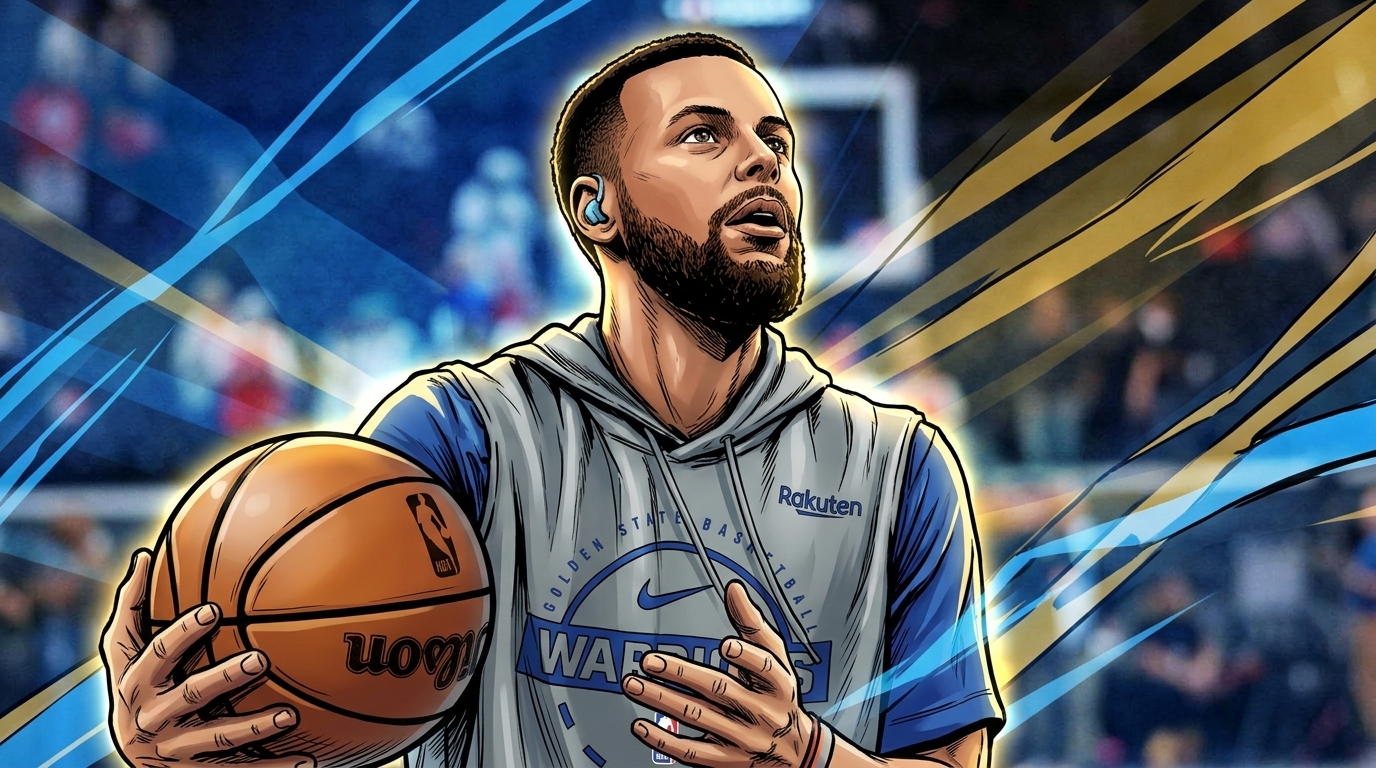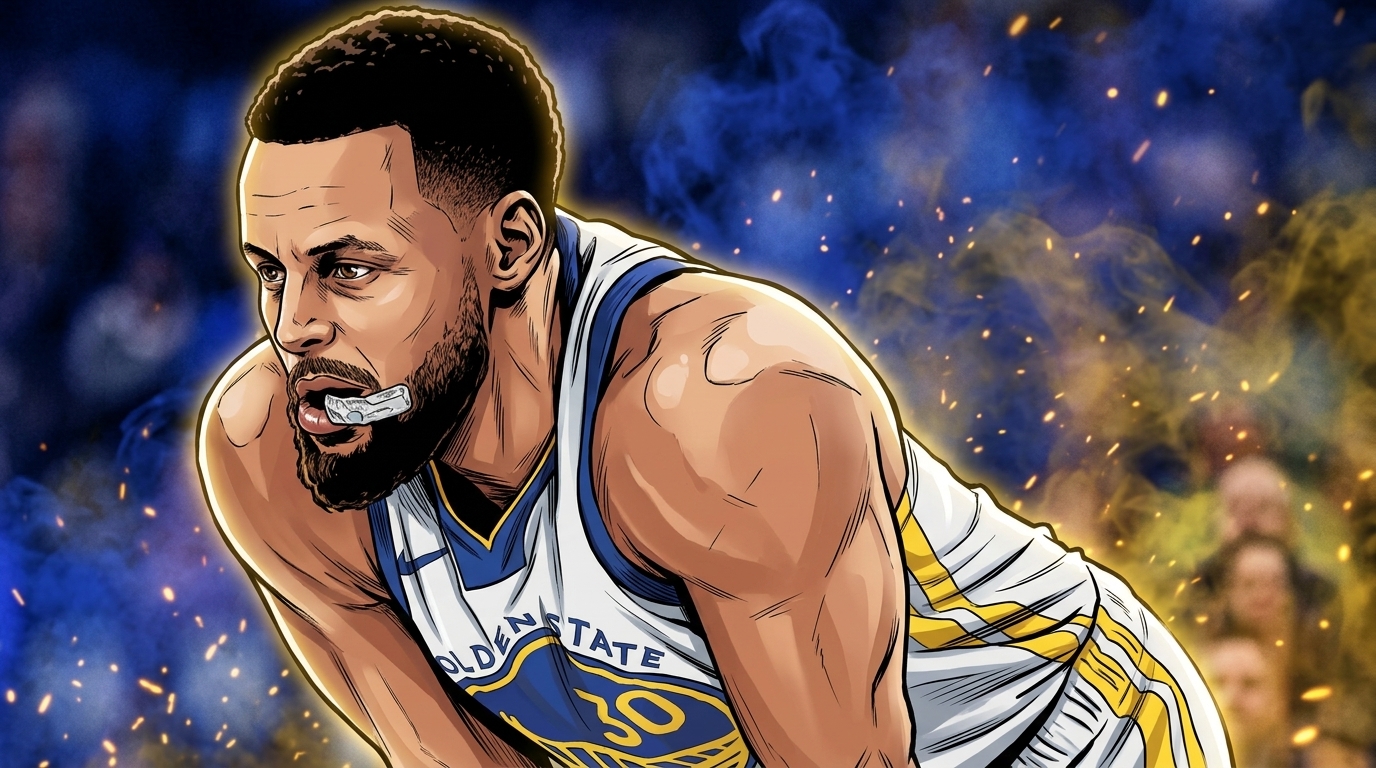

There’s a number attached to Stephen Curry’s next contract that everyone keeps repeating, and it’s the least interesting number in the whole negotiation. Curry becomes extension-eligible with Golden State on August 29, three weeks from today, with a two-year, $136.7 million max sitting in front of him. Multiple reports this week say he might not take all of it.
The interesting number is whatever turns out to be smaller than that. A superstar volunteering a discount only matters if the front office spends the savings on the right player, and Golden State’s recent history with “the right player” is the actual question buried under all the loyalty talk. Draymond’s new deal already raised doubts about how this front office values its stars, and that context matters more than anything Curry says about his own market value.
What Curry’s Max Extension Is Actually Worth
Curry is playing out the final year of his current deal this season at $62.6 million. Once he’s eligible on August 29, the maximum extension Golden State can offer is two years and $136.7 million, according to NBC Sports. That’s the ceiling, not a prediction of what gets signed.
The term is what jumped out when I ran the math. Players in Curry’s tax bracket almost always maximize years and annual value, not flexibility for someone else’s cap sheet. A four- or five-year extension could still push a higher average salary with more total security, and Curry, at his level of production, would get one if he asked for it. Two years, capped at $136.7 million, reads like a player pricing his own contract around a finite title window instead of around his ceiling in the open market. That’s a specific kind of bet. It assumes Golden State’s roster is closer to a real contender than a rebuild, and it assumes two more seasons is enough time for whatever moves come next to matter.
Why Would Curry Take Less Than Max?
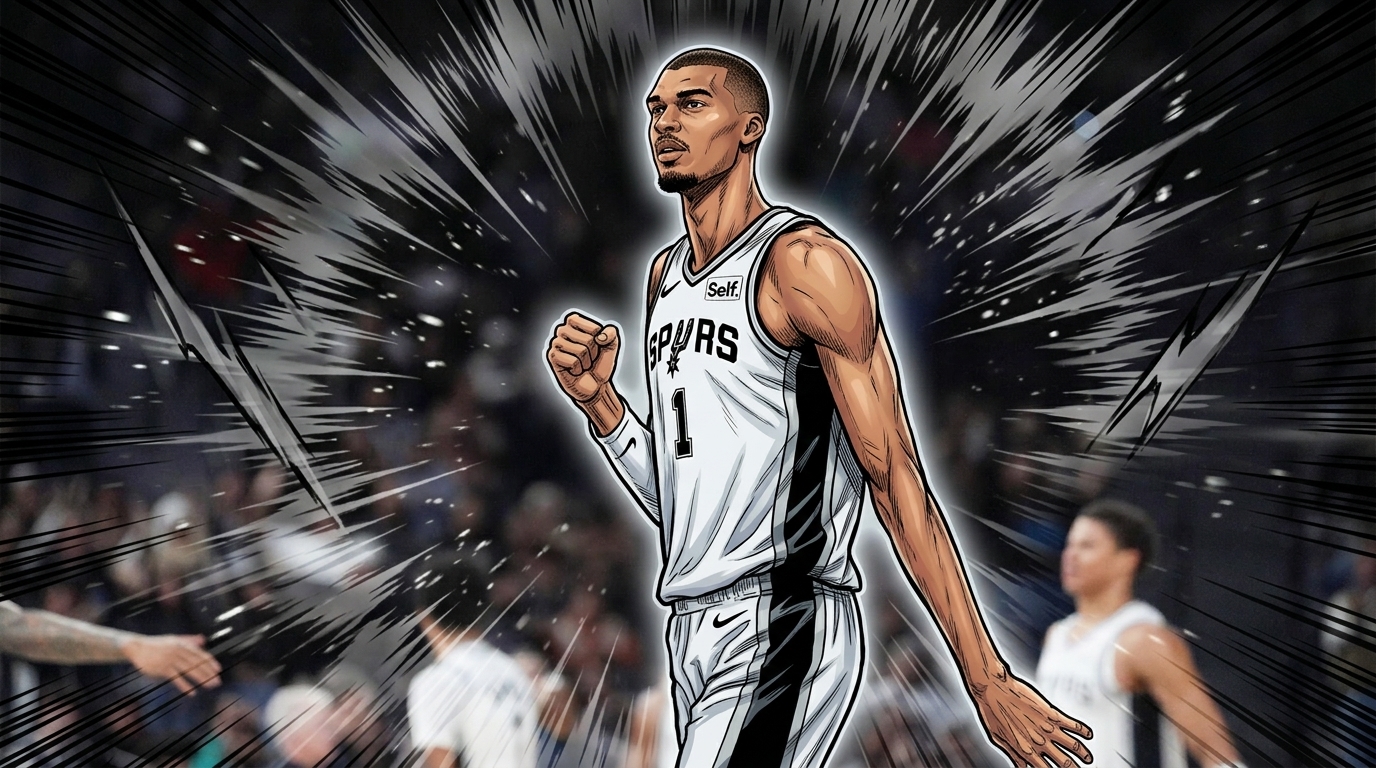
Curry isn’t walking away from money out of pure sentiment. A Western Conference executive told Yahoo Sports he expects Curry to negotiate below the max, floating a discount around $40 million off the $136.7 million ceiling, in the range Victor Wembanyama reportedly accepted from San Antonio. Call it a discount or a pay cut. Either way, it’s cap room Golden State wouldn’t otherwise have.
Nobody has confirmed Curry actually agreed to shave $40 million off anything. That figure comes from an anonymous executive speculating about his mindset, not a term sheet, and it should be read as a floated hypothetical until Golden State says otherwise. The logic behind the guess still holds up: the same NBC Sports report has ESPN’s Anthony Slater describing mutual interest in getting a deal done, with the Warriors weighing either a one-year or two-year structure once talks start.
Slater caught up with Dunleavy about where things stand, and the answer sounded less like hedging and more like a plan already in motion.
https://twitter.com/anthonyVslater/status/2055376030333083967
That’s about as close as a front office gets to promising it’ll match whatever term Curry wants. It also means the actual negotiating leverage sits with Curry, not Golden State, which makes any discount a gift rather than a concession the team extracted.
Has Golden State Earned That Trust?
Golden State’s biggest swing this 2026 offseason missed. They pursued LeBron James in free agency and lost him to Philadelphia, where he signed instead. Yahoo Sports reported that roughly $70 million tied up in rehabbing veterans limited Golden State’s flexibility, and the front office never aggressively chased trade packages for stars like Jaylen Brown, Kawhi Leonard, or Giannis Antetokounmpo.
None of that happened in a vacuum. The front office’s LeBron chase collapsed within weeks, and the free agents brought in last summer to support Curry mostly cost more than they delivered. Kyle Anderson, Lindy Waters III, De’Anthony Melton, and Buddy Hield all arrived in the 2025 offseason to deepen the roster. Yardbarker’s accounting of that group isn’t kind: Melton tore his ACL and was later flipped for Dennis Schroder, who shot 32.2% from three in Golden State, a mark that would sit near the bottom of the league among regular rotation guards. Anderson and Schroder were both disappointments, Waters fell out of the rotation entirely, and Hield’s three-point percentage dropped to a career-low 34.4%, the worst outside shooting of his career on the one skill he was signed to provide. Melton was already gone by the time the roster turned over again: Anderson, Waters, and Schroder went out the door together in the trade that brought back Jimmy Butler, leaving Hield as the only one of the original four still on the roster.
Even Draymond Green landed back on the same one-year, $27.7 million deal he had previously opted out of, after a longer-term offer contingent on landing LeBron fell through. Draymond isn’t a role-player miss so much as a reminder that even the organization’s most secure relationship got reshuffled by a plan that didn’t work out.
None of this means the front office is bad at its job. Retaining the center rotation and re-signing Green on reasonable terms are competent, unglamorous moves. But competent and unglamorous is a different standard than “worth a star discount,” and Curry’s camp is reportedly betting on the higher standard. The gap between those two versions of Golden State is exactly what the next few months are going to test.
What Happens to the Savings?
If Curry actually signs for less than max, the gap becomes spending power. Golden State is retaining its center rotation of Al Horford, Kristaps Porzingis, and Charles Bassey, and expects to bring back Gary Payton II and De’Anthony Melton on minimum deals, per NBC Sports Bay Area. DeMar DeRozan has been floated as a target, though the tax math might price Golden State out.
Any of that spending still runs through the same cap math that killed a Klay Thompson reunion a year ago. The second apron doesn’t care how team-friendly Curry’s number looks on paper. It caps what Golden State can offer in aggregate, and a $40 million trim off a max deal buys real breathing room, not a blank check.
Curry’s side of this is close to settled. He signs in Golden State, for some number below $136.7 million, sometime after August 29. The part that’s actually uncertain belongs to a front office that missed on LeBron, whiffed on most of last year’s depth signings, and is about to get a discount it has to spend correctly to justify. Bet on Curry taking less. Betting on Golden State using it well is the harder call, and it’s the one that decides whether this ring-chasing story ends in a parade or another offseason autopsy.