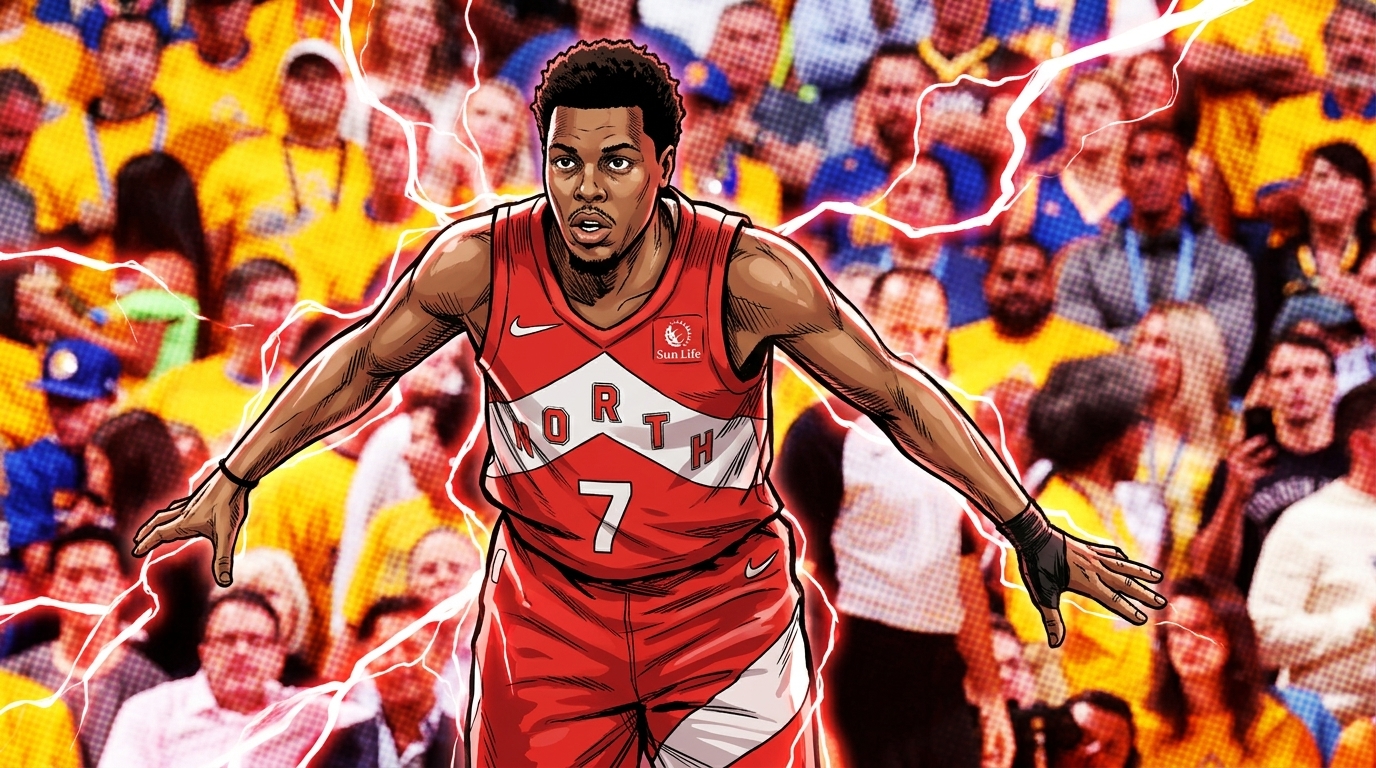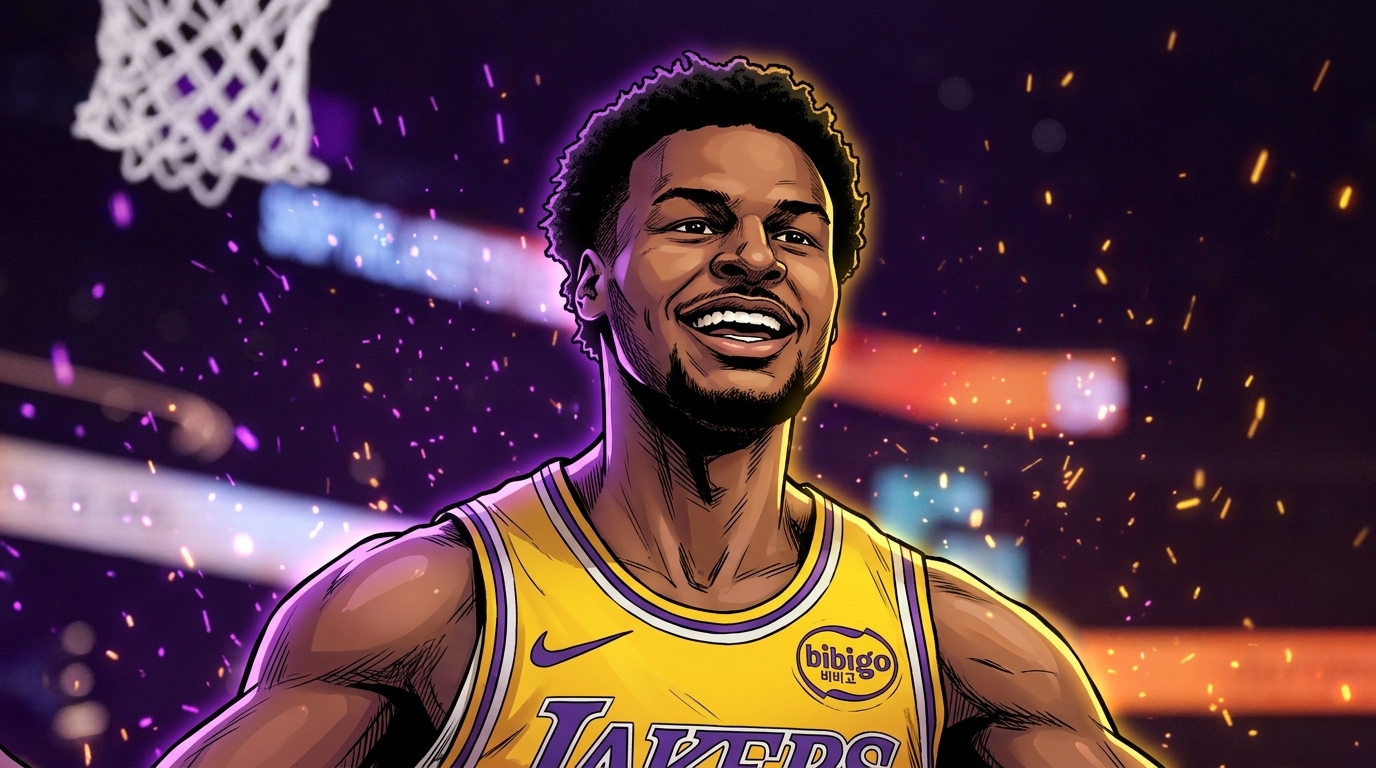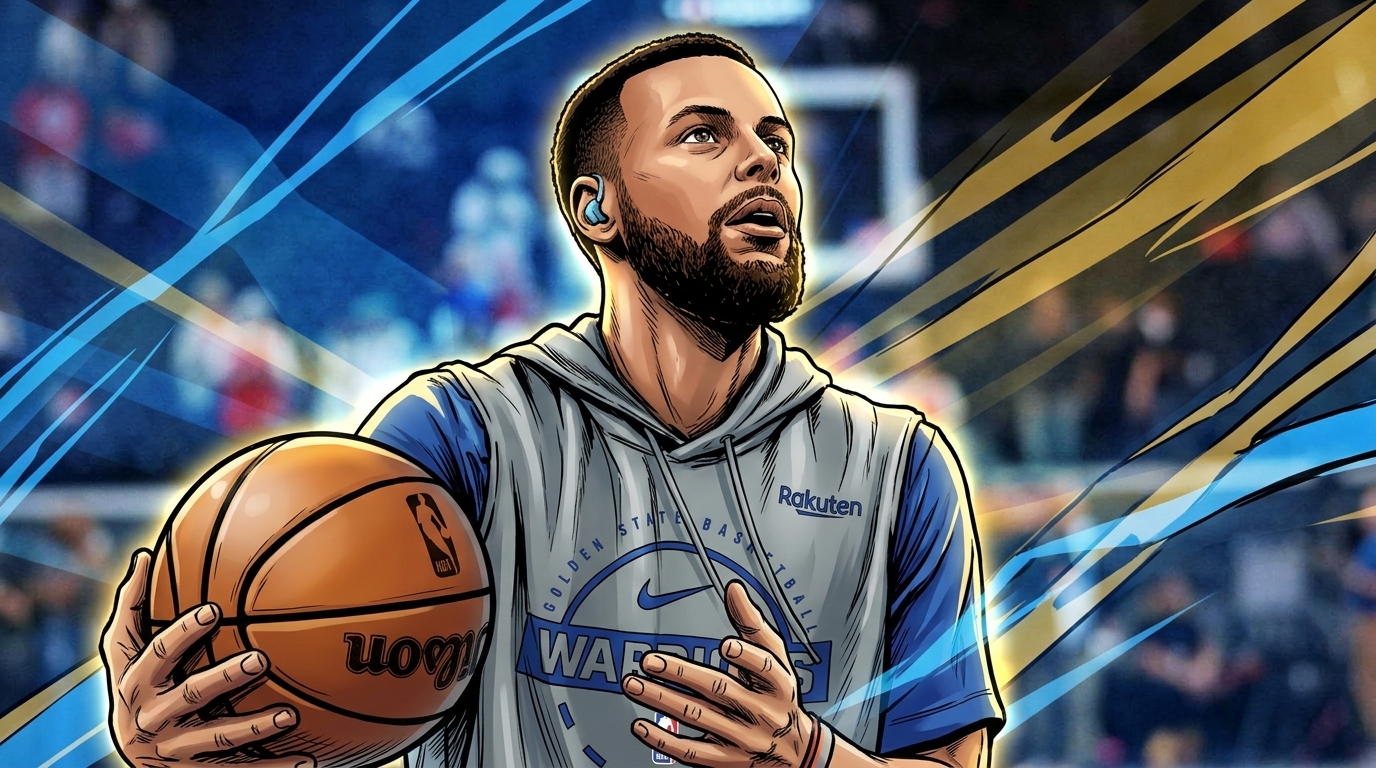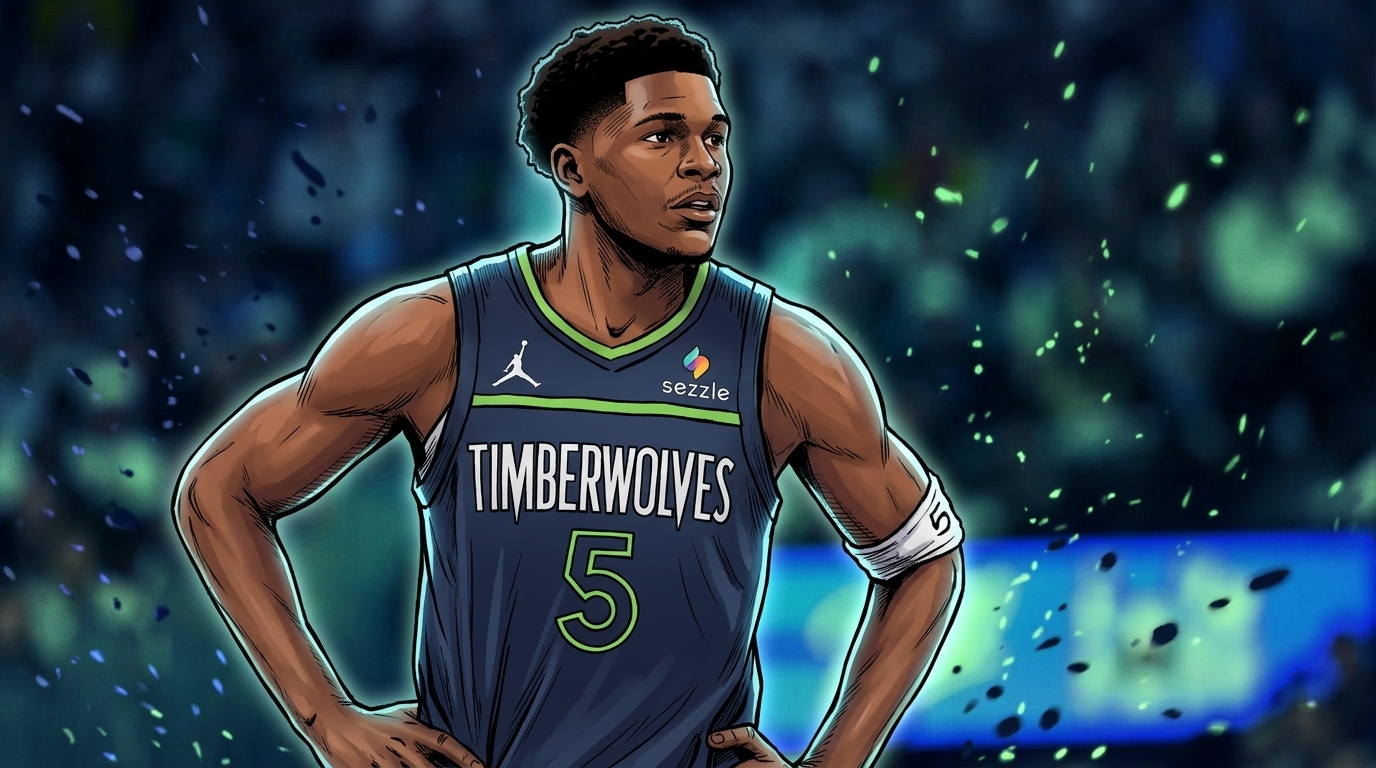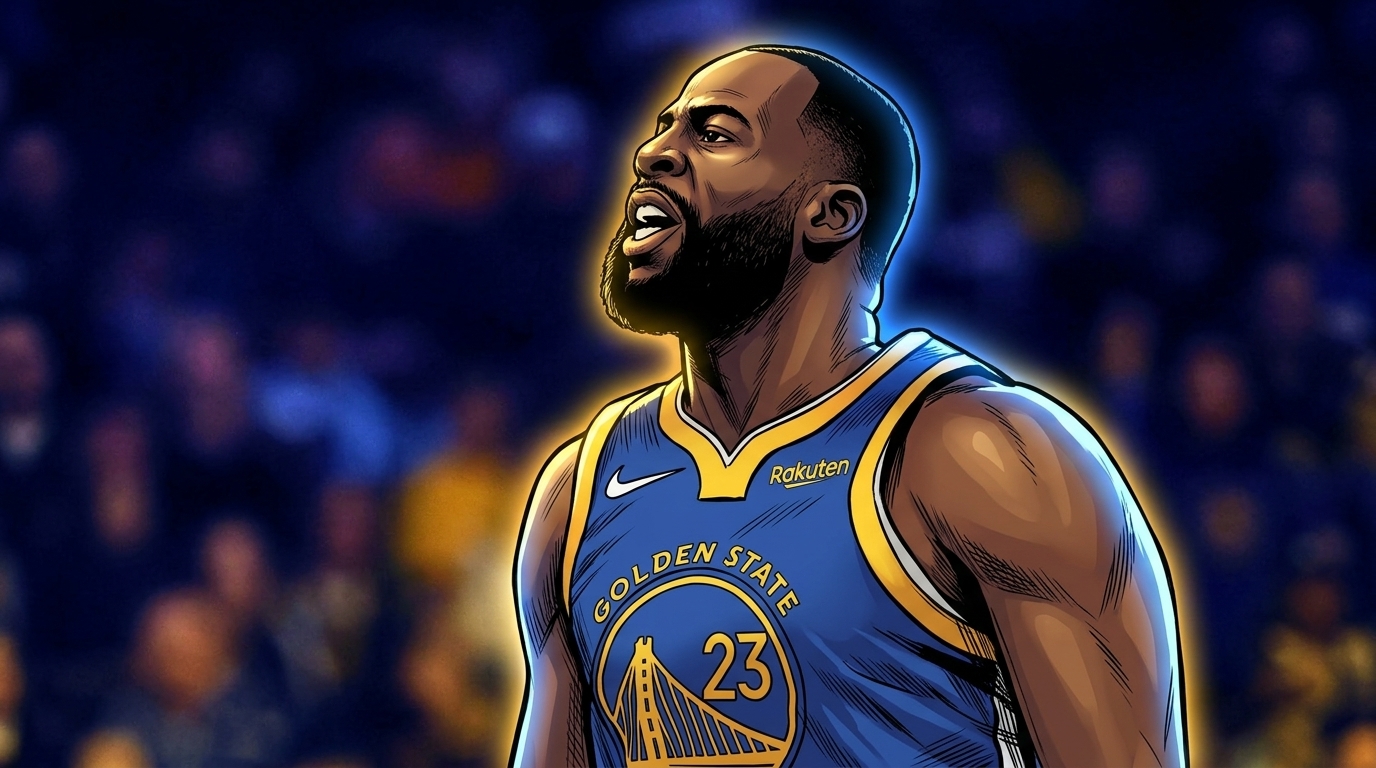

We’ve been tracking one number since June 29: $27.7 million, the money Draymond Green turned down so Golden State could chase a roster that never materialized. Three weeks and one LeBron James decision later, the Draymond Green Warriors contract for 2026 is reportedly landing at close to $28 million, practically the same figure, arrived at the hard way.
Back when Draymond opted out in the first place, the logic tracked: pursue Anthony Davis via trade, chase LeBron James in free agency, and assemble a Big Four around Stephen Curry and Green that would run it back one more time with two players who’d already won a championship together elsewhere. The pitch had real logic behind it: Golden State had the cap room to work with, Curry still anchors the offense, and a proven title pairing represented exactly the chemistry argument front offices love pitching on paper. The Golden State Warriors sold Green on flexibility. Here’s what that pitch looked like in real time.
Charania’s report captured the full ambition Golden State was operating under:
https://twitter.com/ShamsCharania/status/2071598040880759034
None of it happened. No Davis trade. No James free agency reunion. The flexibility Golden State cleared cap room for produced exactly zero outcomes it was built to produce, and the front office spent three weeks finding that out with Green’s future hanging in the balance the entire time. That’s roughly three weeks of Green’s own summer spent as a contingency plan for a decision that had nothing to do with him and everything to do with someone else’s max slot.
Green, who is reportedly agreeing to a new deal now that the pitch has collapsed, waited out that stretch for a number Joe Vardon reports at nearly $28 million, roughly the same dollar amount he walked away from in June. (Vardon’s own phrasing: “roughly the same dollar amount.” There’s a joke somewhere about paying interest on a loan you never took out, but nobody in that front office is laughing about it.)
What Draymond actually won by opting out, in the end, is clarity. Draymond Green’s Warriors contract for 2026, in other words, cost three weeks of institutional patience to arrive at a number the Warriors could have offered on July 1. He knows where he ranked in the pitch: below the 41-year-old wing who ultimately signed somewhere else. Call it a wash with extra stress.
Curry never had to sweat any of it.
That’s the more interesting half. Anthony Slater reported on July 23 that Golden State is “very open” to a Steph Curry Warriors extension, either a one-year deal at big money or a two-year max worth up to $136.7 million once he becomes extension-eligible on Aug. 29. The front office wants flexibility everywhere else on the roster. Curry, per Slater, is “exclusive to that” math, treated as the one untouchable piece. The one-year version reads like a show of good faith with an easy exit built in. The two-year max reads like an actual commitment. Which version Golden State prefers, and which version Curry is willing to sign, might be the same argument as the Draymond negotiation, just playing out in slower motion.
Is Steph Curry leaving the Warriors? Not this summer, and probably not ever in an opposing uniform. But the openness Golden State is describing isn’t the same thing as urgency, and Curry appears to have clocked the difference himself. The Big Lead reports that he’s “no longer on the same page” with the front office, weighing whether to wait for actual free agency rather than sign an extension now. A quiet offseason and a very public recruiting failure have handed him more leverage sitting still than signing early ever would.
Speaking of that failure: LeBron James signed a two-year, $8 million deal with the Philadelphia 76ers on July 24, joining Joel Embiid and newly acquired Jaylen Brown in what he called his “last decision.” His words: “I believe I can help make the Philadelphia 76ers a championship team and I am so excited to energize a new fan base and start this incredible journey one last time.” Look at the roster Philadelphia built around him and the choice explains itself without much need for further reporting.
The LeBron James 76ers Warriors miss is the fulcrum everything else pivots on.
Two days after James signed, per Tim Kawakami, Warriors owner Joe Lacob is already looking past his two remaining stars: “What Lacob wants to do … he wants to build the next team after Steph Curry.” What Joe Lacob’s “post-Curry” comments actually signal isn’t subtle: Golden State’s owner is describing a post-Curry rebuild as settled internal policy, not a hypothetical, while the player it’s supposedly built after is still playing at an MVP level a few miles from his own suite. Kevin O’Connor’s reaction: “What a shame. Steph Curry is still one of the best players in the world. To not make an effort to win another title with him is truly a joke.” Sam Quinn’s read was blunter still: “Golden State’s window is closed.”
The Golden State Warriors’ actual return on missing both Davis and James was the Porzingis deal the Warriors settled for instead, a consolation move struck before any of this Draymond or Curry news broke. The rest of the plan, per reporting out Sunday, amounts to standing pat: keep the 37-win core, add rookie Yaxel Lendeborg (the offseason’s actual headline addition, for what that’s worth), and hope continuity does what a third star didn’t. That’s not a rebuild and it’s not a title push. It’s roster maintenance dressed up as patience. Curry’s own summary of it carried none of the alarm everyone else seems to feel: “We don’t have to keep saying championship, championship, championship.”
I think that’s the tell. Two separate stories, technically, but the same story told twice: this front office keeps treating its own cornerstones as the fallback plan instead of the plan. Green found that out over three weeks of silence while someone else got chased; the Draymond Green Warriors contract for 2026 he landed at the end of it is basically a receipt for finding out where he stands. Curry didn’t need three weeks. He watched the front office spend its entire summer’s urgency on a player who ended up in Philadelphia, and he’s not handing back leverage for less than the moment is worth.
Run the Davis trade that never came, the James courtship that ended in Philadelphia instead of the Bay, and the Porzingis deal that filled a roster spot without filling the ambition through the same read, and the pattern holds every time. Golden State keeps proving, move by move, that its own stars rank below whoever it’s chasing that week. Draymond just found out what that costs. Curry’s finding out in real time, and he has no reason at all to rush his answer.
Watch Aug. 29. That’s when Curry becomes extension-eligible, and the Golden State he’s deciding on is the one that spent July doing everything except making him feel like the plan. Sign the two-year max and this offseason becomes a footnote by opening night. Wait for actual free agency instead, and the front office will have taught its best player exactly what patience is worth to the side holding the leverage instead of needing it. Either way, Golden State already answered the only question that mattered this summer, and it wasn’t the one about LeBron.