
Every season of reality television eventually produces the same beat: someone dares a castmate to do something ridiculous, and both people already know it isn’t happening. I’ve written enough about this genre that I’ve spent an unreasonable number of hours thinking about why the dare gets made anyway. It isn’t a real proposal. It’s a delivery mechanism for a reaction shot. Nobody wants the stunt performed. They want the look on everyone else’s face when it’s floated out loud.
That’s the shape of the fight currently eating a corner of sports media, and it doesn’t actually involve any basketball being played.
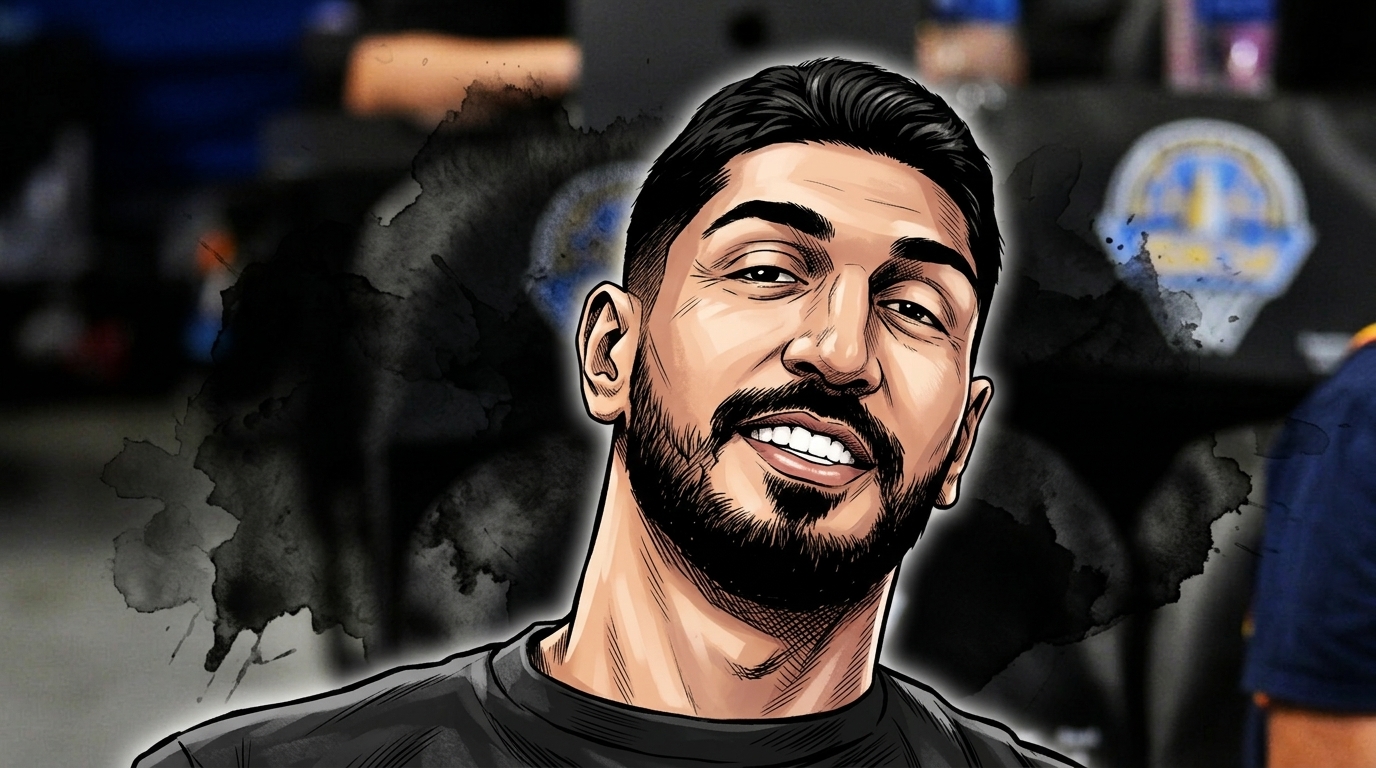
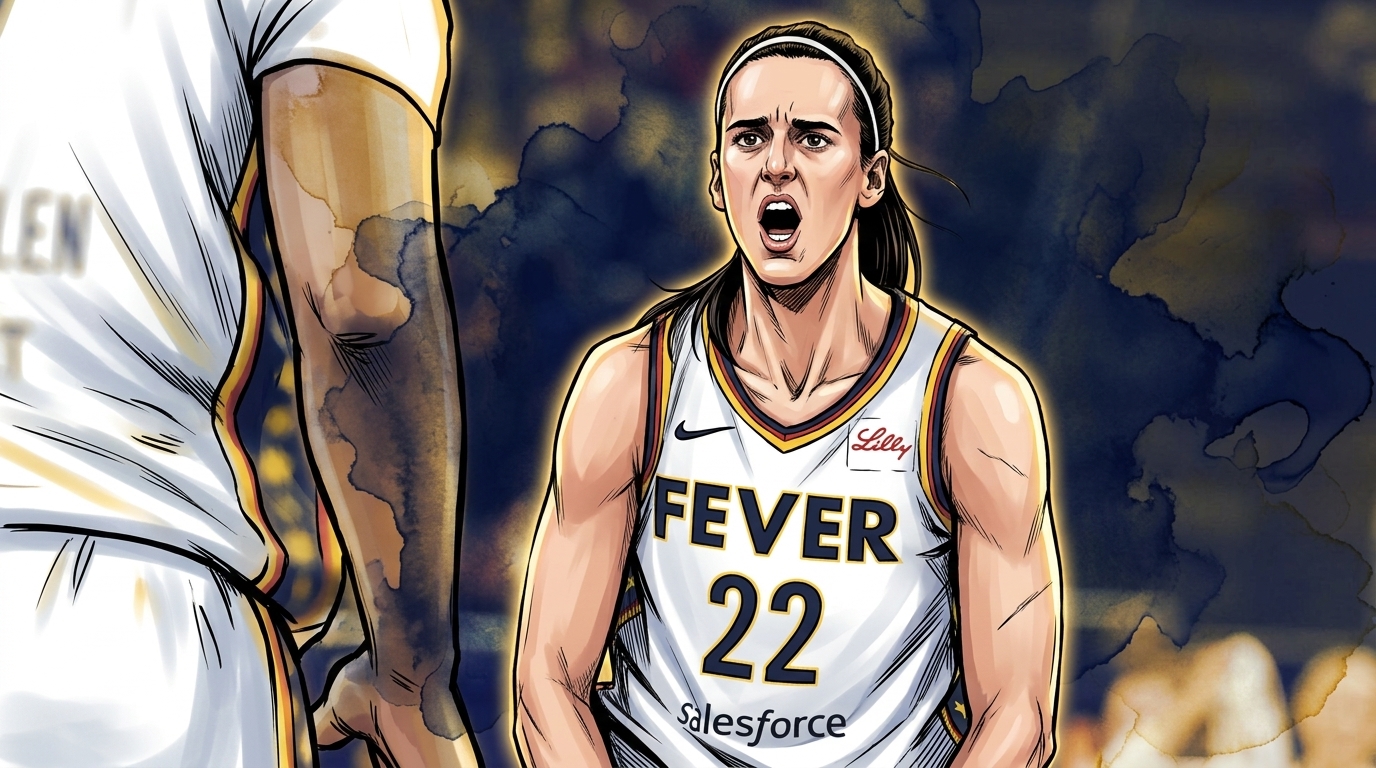
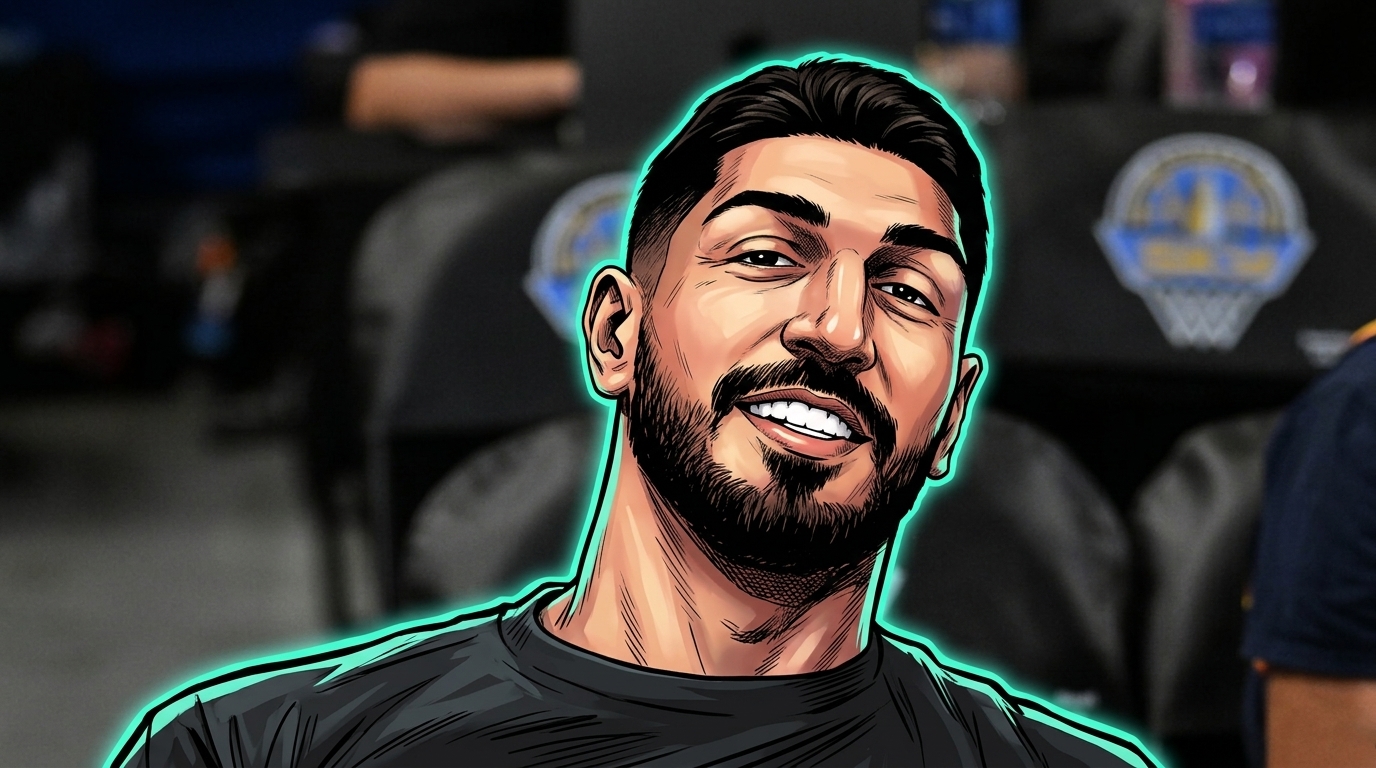
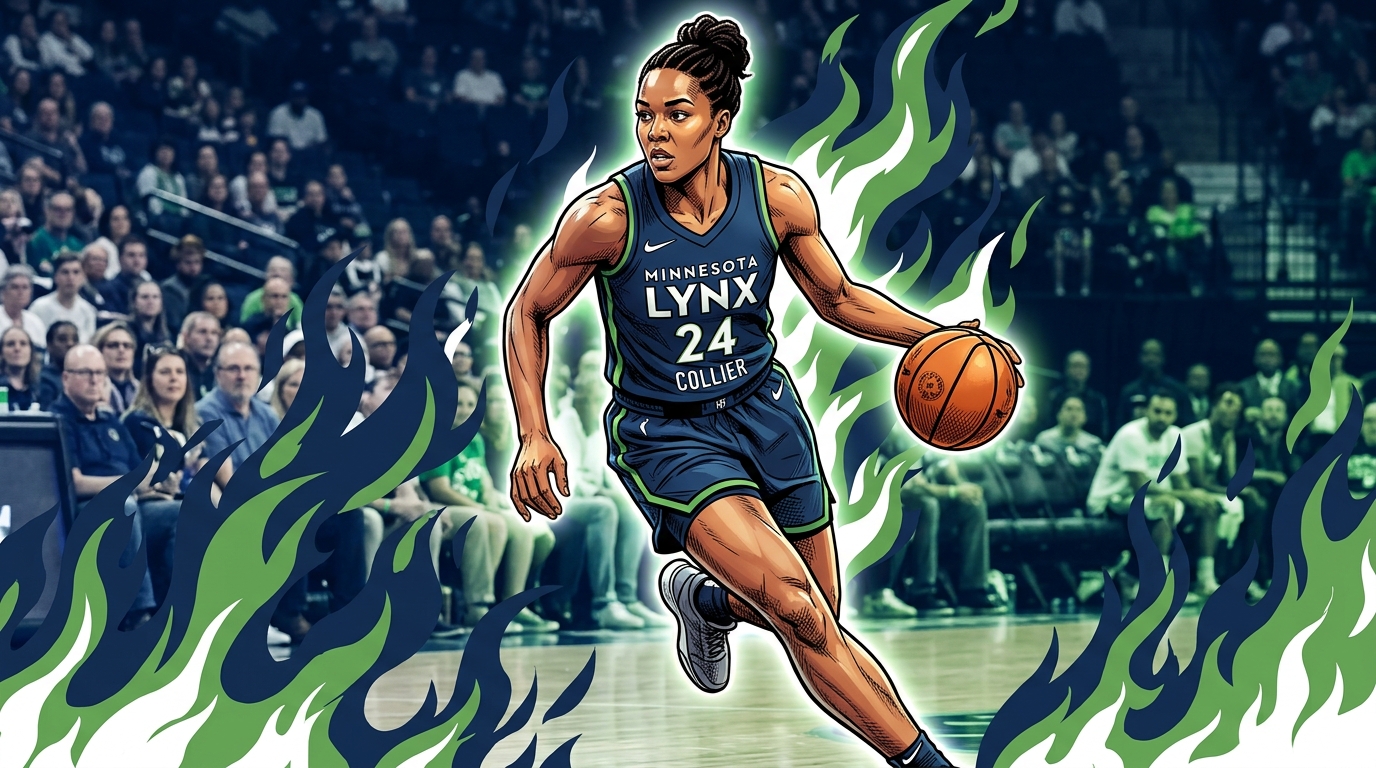
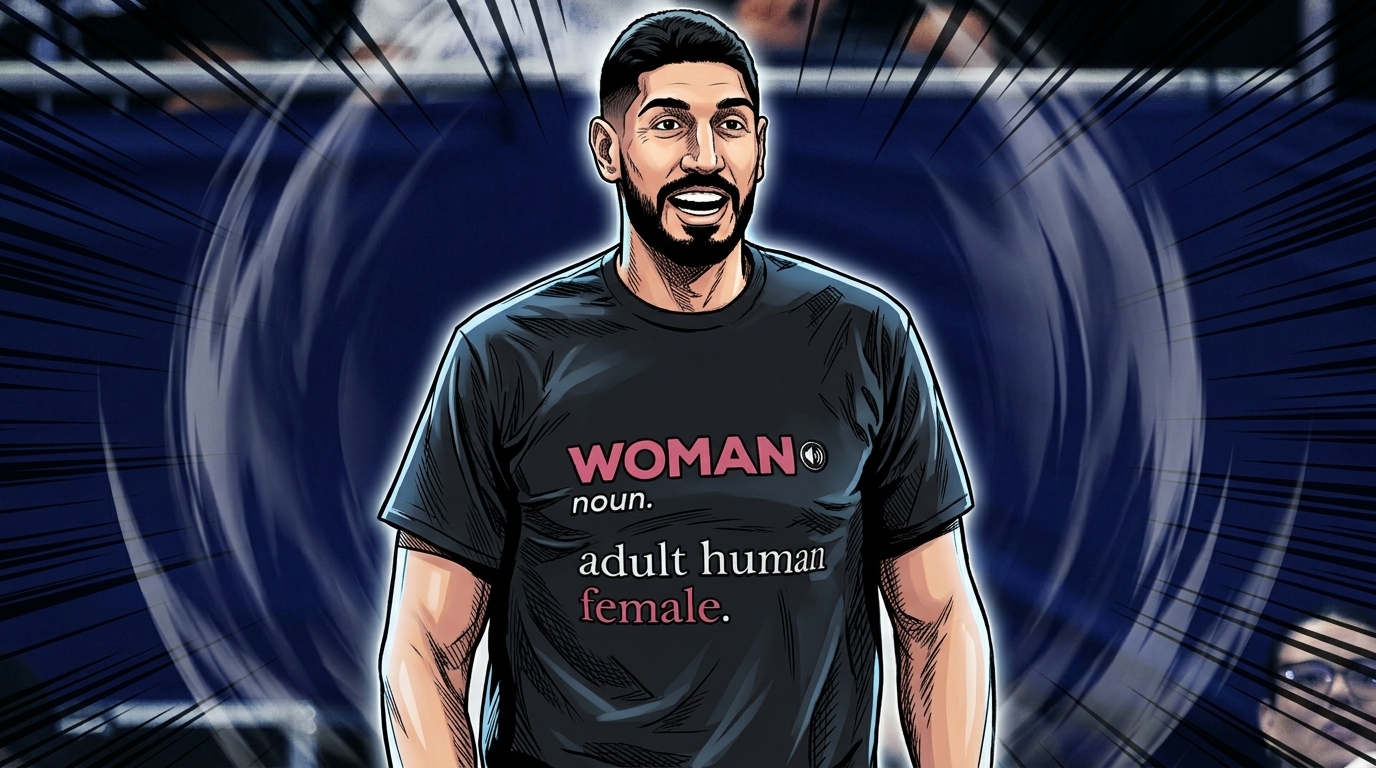
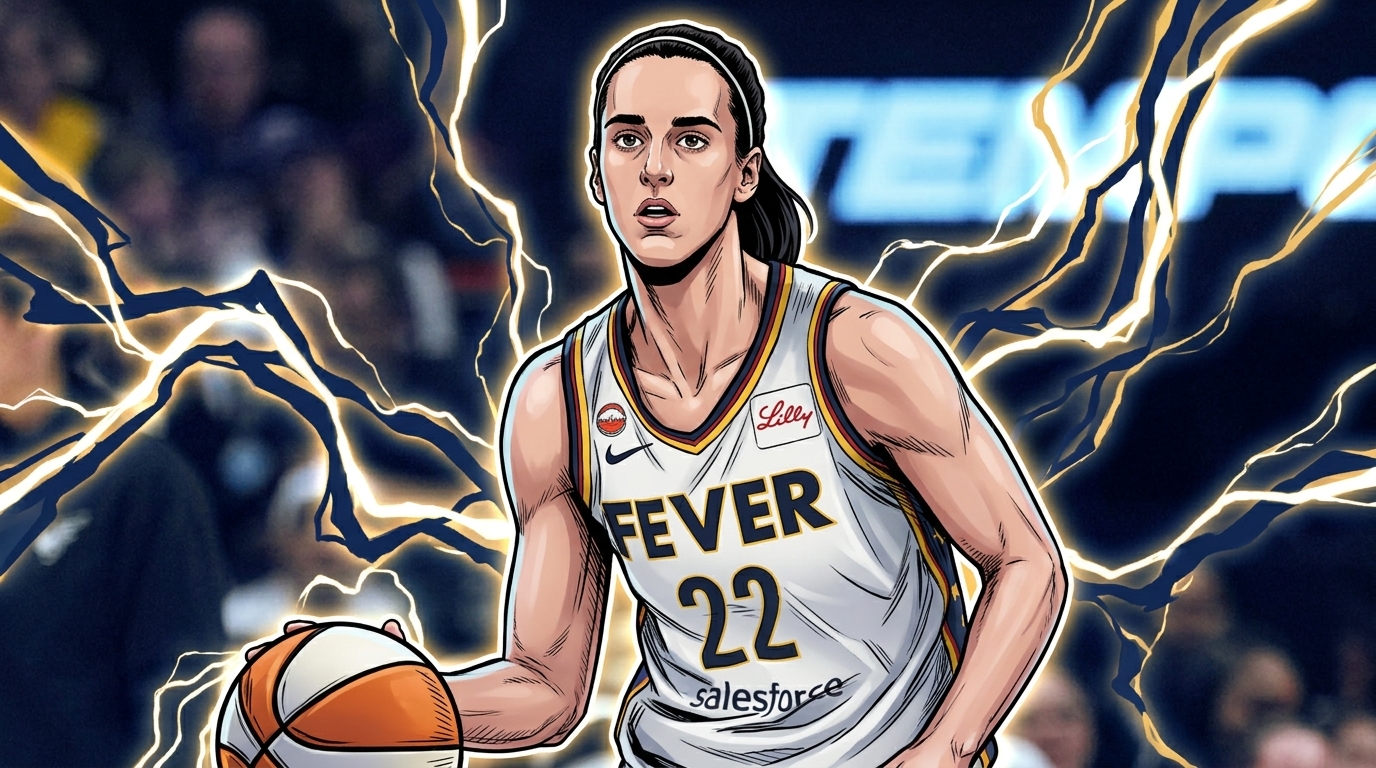
Clay Travis, the OutKick founder, is offering $10 million to the Las Vegas Aces, the defending WNBA champions and home to A’ja Wilson, if they can beat a boys’ high school state-championship team of his choosing in a head-to-head, pay-per-view game. “This will be the most money ever paid to win a single basketball game,” Travis said. “A modern day battle of the sexes. $10 million to the winning team.” He’s since posted the raise directly:
https://twitter.com/ClayTravis/status/2084296546015641818
This is not new territory for him. In 2023, Travis floated the same challenge for $1 million, and Aces guard Chelsea Gray answered on X by calling him a “dumb(expletive).” The number went up tenfold. The format didn’t change at all. Neither did the outcome, because there isn’t going to be one. No game has been scheduled. Travis says high school programs around the country have reached out expressing interest, which describes enthusiasm for a hypothetical, not an event on a calendar.
The second half of this fight is the part I find more interesting. Jana Shortal, a sports anchor at KARE-TV in Minneapolis, went on air and called the offer “a thinly veiled sexist joke,” adding that it reveals “the actual truth of how he and his organization feel about women’s sports… they think women’s sports are a joke.” The clip did the thing clips do now. It got clipped again, dropped into timelines with zero setup, and split into two audiences before most people had processed what she’d actually said.
Neither audience was actually responding to the bet. The reply-guy contingent decided Shortal was deranged before finishing her sentence. The other side decided the joke framing confirmed everything they already believed about Travis before Shortal had finished hers, either. Both reactions were fully formed and instantly deployable, which is the part worth sitting with. Nobody needed new information to have an opinion here, because the opinion already existed, waiting for an occasion.
I don’t think Travis is dumb enough to believe the Aces would lose to a high school team, and I don’t think anyone arguing about the bet believes that either. Nobody involved in this bet wants it played. A televised beatdown of a team of teenage boys does nothing for Travis. It doesn’t prove women’s sports are inferior. It proves a group of professional athletes in their physical prime can beat kids, which nobody disputed to begin with. The offer isn’t designed to be accepted. It’s designed to be discussed, forwarded, and re-litigated by people who will never see a box score, because a box score was never coming.
That’s what makes it different from an actual sports debate and closer to a media product built to run on autopilot. The fight is the whole product: Shortal’s outrage is the counterweight that makes the stunt legible as a stunt, and both halves are doing the same job from opposite ends. This is the part where media figures picking fights over the league instead of covering it get more mileage out of a single tweet than most actual Aces games get out of a full broadcast. Nobody has to write about pace, or spacing, or what Wilson is doing defensively against a double team. They just have to react to the reaction.
None of this settled anything about whether the WNBA “deserves” the audience it’s building, which was the subtext of the whole exchange and also the one question nobody on either side of the clip bothered to argue directly. It’s easier to fight about a fake bet than to make an actual case, and Travis, whatever else is true about him, understands that the fake fight travels further and costs him nothing. Shortal’s rebuttal was correct and also, in its own way, exactly what the format wanted from her: genuine anger, no ambiguity, maximum shareability.
I keep going back to the reality-show comparison because it’s the only frame that makes the whole thing make sense to me. Nobody in the villa actually wants the dare completed. The value was always in the dare being spoken aloud, and everyone’s face when it was. I don’t know what it means that the same instinct now runs a corner of sports commentary, but I can’t stop noticing how little basketball is actually in a basketball story. If you want the version of this conversation that’s actually about the sport, the rest of our WNBA coverage is a better use of your time than whatever timeline fight replaces this one next week.