
There’s a number that’s supposed to settle college football’s preseason arguments before a single snap is played. This year there are three of them, and none of them agree. ESPN’s FPI has Ohio State No. 1. Phil Steele’s preseason poll, built from tape instead of algorithms, has Notre Dame No. 1. The SEC’s own media poll, voting on its own conference, put Georgia ahead of Texas by a margin that wasn’t close. Nobody is the unanimous pick. That’s the story before a single game gets played.
This isn’t the usual preseason blur, where the No. 6 team and the No. 9 team swap depending on who you ask. FPI is a data model: box scores, returning production, recruiting inputs, no gut feelings involved. Steele is one guy who watches more tape than anyone else paid to rank college football, working through all 138 teams off what he’s actually seen. The SEC media poll is reporters who cover these teams every week, picking their own conference’s best team. Three different inputs, built by three different kinds of judgment, and this year none of them land on the same answer at the very top. When the analytics model, the longtime evaluator, and the conference’s own voters can’t agree on the best team in their own room, that isn’t typical preseason noise. That’s a sport walking into August without a real favorite.
Three Systems, Zero Consensus
Start with the raw numbers. ESPN’s FPI gives Ohio State a rating of 28.7, the highest of any of the sport’s 138 FBS teams, with Texas, Notre Dame, Oregon and Georgia rounding out the top five. Translate that into something readable: FPI’s rating is roughly how many points better than an average team a squad projects to be on a neutral field, so Ohio State isn’t just first, it’s first by a real margin. The model backs that up with title odds, too: 17.1% for Ohio State, 13.2% for Texas, 10.5% for Notre Dame, the three clearest contenders in the sport’s own probability math.
Phil Steele’s preseason poll, every team from 1 through 138 ranked by a guy whose entire reputation rests on watching more film than anyone gets paid to watch, has Notre Dame No. 1, Georgia No. 2, Ohio State No. 3 and Texas No. 4. Same four teams as FPI’s top group. Completely different order.
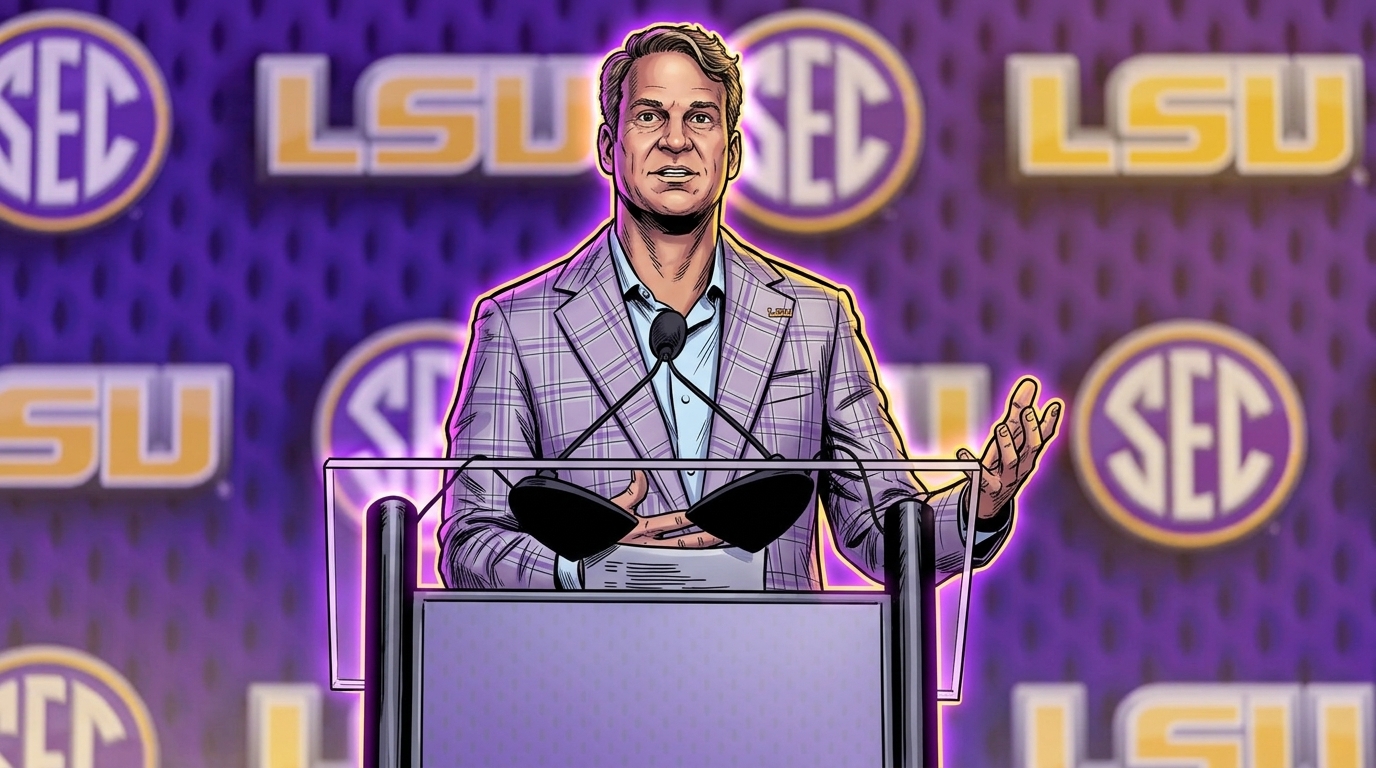
Then there’s the room that should, in theory, know its own conference best. The SEC’s preseason media poll gave Georgia 88 first-place votes to Texas’s 57. Georgia, in the poll’s own framing, “easily took the top spot.” No team is ranked No. 1 in more than one of these three systems. Not one.
Why Does Everyone Rank Ohio State Differently?
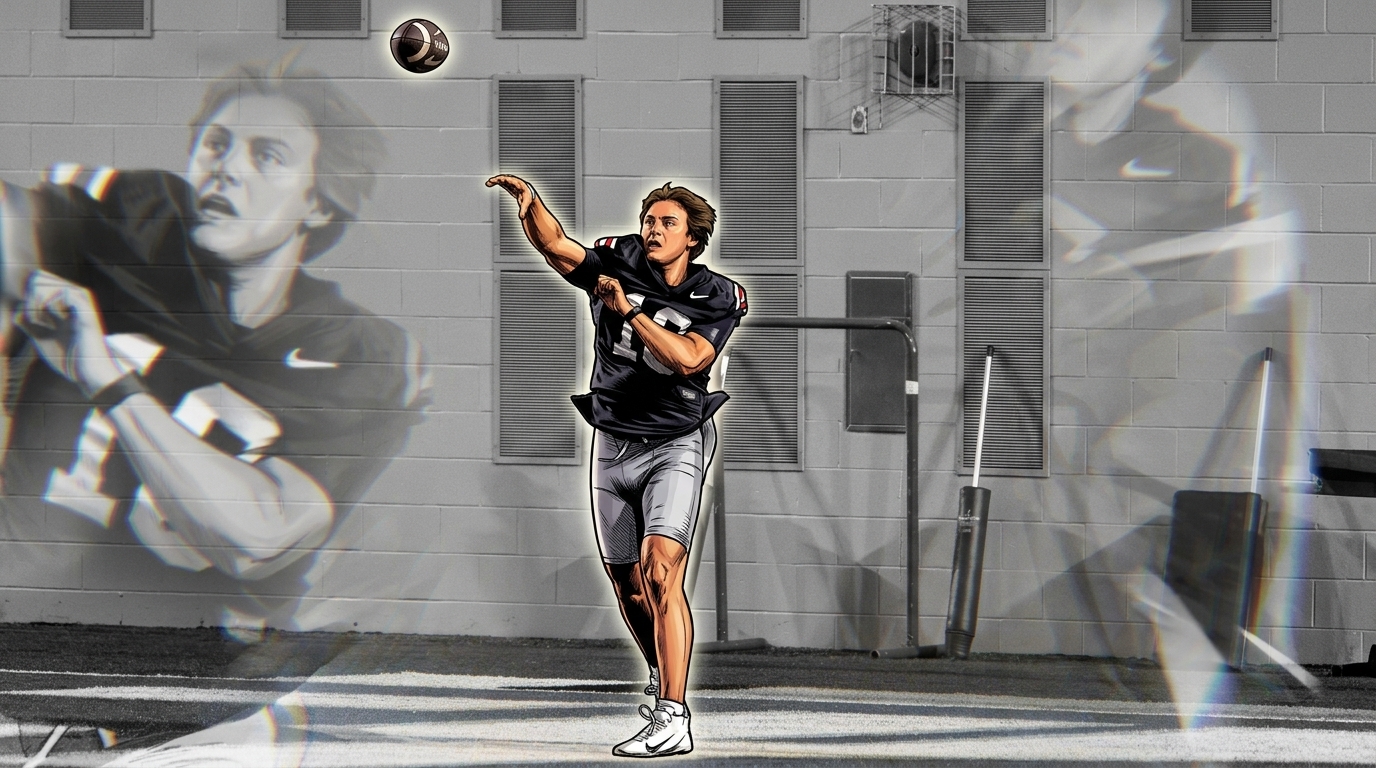
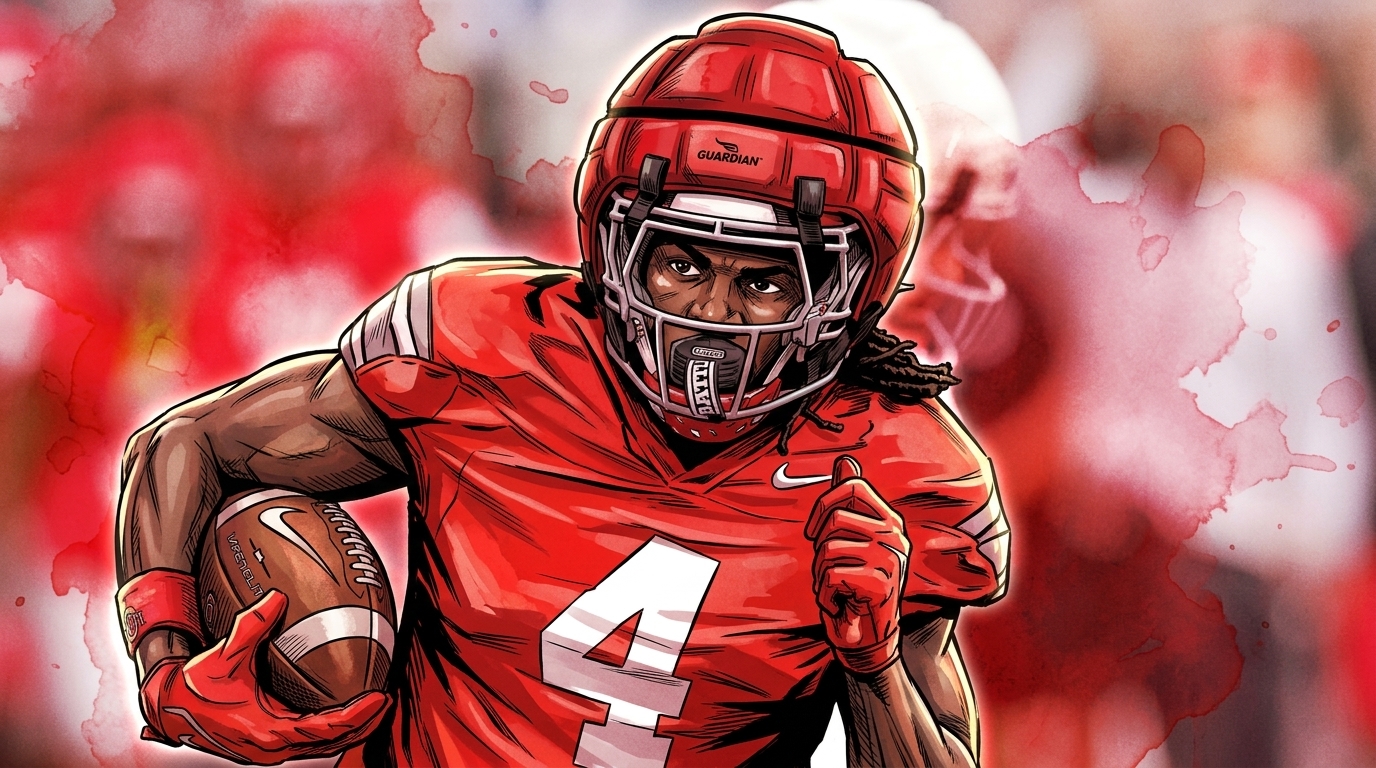
Start with the team at the top of the model. Ohio State opens as FPI’s preseason No. 1, which is also why the Buckeyes are the natural face of this argument, and why so much of the offseason noise around the program has centered on Jeremiah Smith turning down $10 million to stay at Ohio State instead of testing the open market. Smith enters his final college season as the presumptive best returning player in the sport, chasing a second national title and a Heisman push that has him at +1300 on FanDuel. Last year he caught 87 passes for 1,243 yards and 12 touchdowns and still finished 6th in Heisman voting on a roster that had other stars to share the ball with. This year he’s doing it without another first-round-caliber receiver next to him for the first time in his career, a real variable, and maybe part of why Steele, the film-first evaluator, has Ohio State third instead of first. A model rewards proven production across a whole roster — a guy watching practice tape notices when the supporting cast thins out.
That’s before you even get to the conference argument. Part of Ohio State’s case rests on the Big Ten’s case that it’s the conference to beat, the idea that the league producing back-to-back playoff threats has simply out-built everyone else. FPI buys that framing more than Steele does. Neither read is wrong. They’re just weighing different evidence.
What the Georgia-Texas Split Actually Means
The SEC vote is where the disagreement gets sharpest. Georgia’s 88 first-place votes to Texas’s 57 is a gap that wasn’t close: more than half the ballots for Georgia, roughly a third for Texas. That’s a conference of reporters who watch these two teams every week saying, clearly, that Georgia is the better team right now.
FPI disagrees, and not by a little. The model has Georgia fifth nationally, well behind Texas at No. 2 and, for that matter, behind Ohio State and Notre Dame too. Steele splits the difference, ranking Georgia second and Texas fourth, closer to what SEC voters believe than to what the data model believes. So the same two teams get graded three different ways by three groups that all claim some authority on the subject, and the widest gap in the whole exercise sits between the SEC’s own voters and the sport’s most trusted analytics model, arguing about the SEC’s own best team.
So Who’s Really No. 1?
There’s no consensus: FPI ranks Ohio State No. 1 with a 28.7 rating and the best national title odds at 17.1%, Steele’s poll has Notre Dame No. 1, and the SEC’s own media poll gives Georgia the conference’s top spot over Texas by 88 votes to 57.
Notre Dame’s case deserves its own paragraph, because Steele isn’t picking an underdog story. He’s picking a team he thinks got underrated last year. The Irish missed the playoff a season ago, then return quarterback CJ Carr and cornerback Leonard Moore despite losing two backfield players to the first round of the NFL Draft. That combination is also why Steele’s separate preseason All-American list, released around the same time as his rankings, drew a proud reaction from the program itself:
https://twitter.com/NDFootball/status/2065082830124650739
Preseason polls are always going to be a little off. That’s true every July, for every sport, and it’s the obvious pushback here. But the normal preseason gap is an argument about the No. 8 team versus the No. 11 team, not about who’s actually best in the country, decided three separate ways by three groups that don’t usually miss this badly at the top. That’s what makes this year different. The disagreement isn’t at the margins. It’s at the very top of the board.
If I’m betting on the group with the better track record of being roughly right, I’d lean toward the model: Ohio State, and specifically a healthy Jeremiah Smith carrying a thinner receiver room than the one that got him to a sixth-place Heisman finish last season. But I wouldn’t be shocked if Steele’s tape-first read on Notre Dame ages better than the algorithm’s. That tension is the entire preseason this year — it won’t resolve until somebody actually loses. Check out the rest of our college football coverage for where the picture stands each week from here.