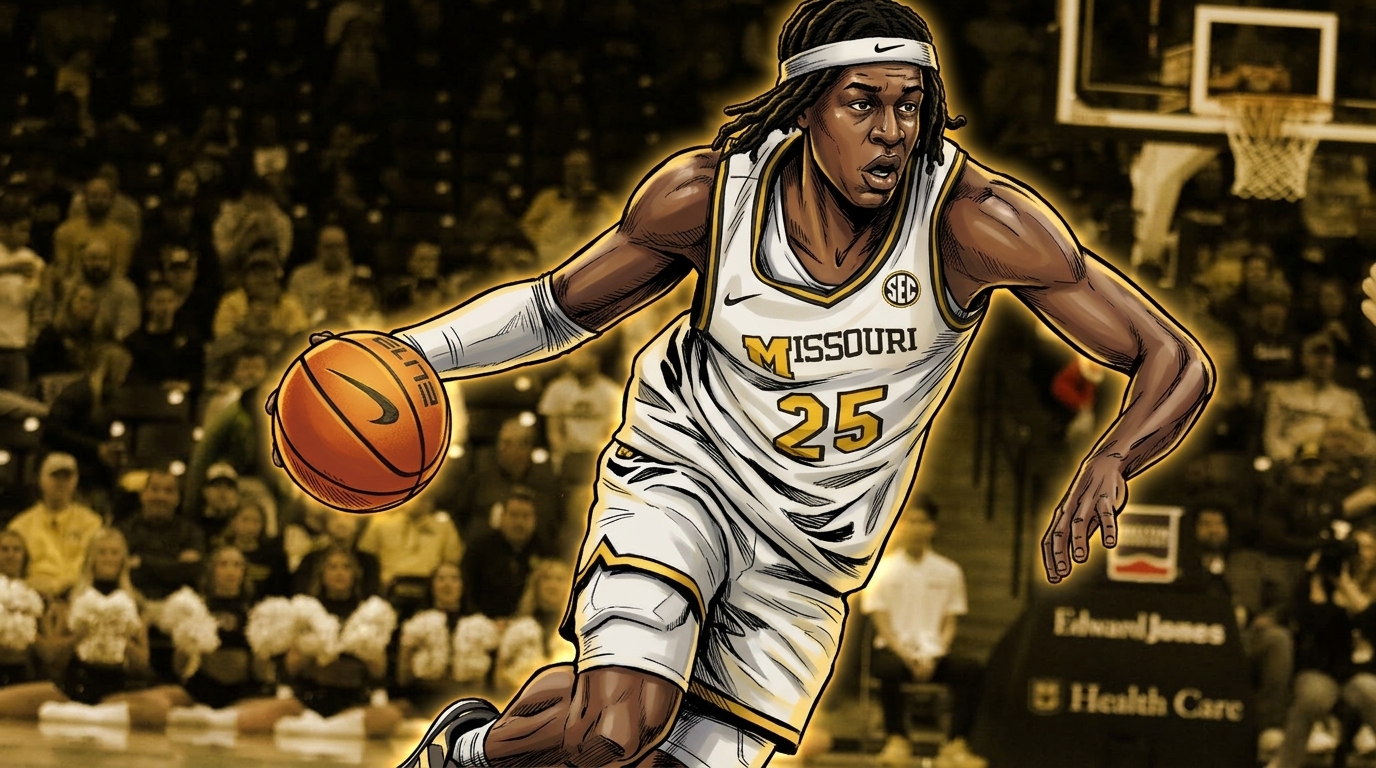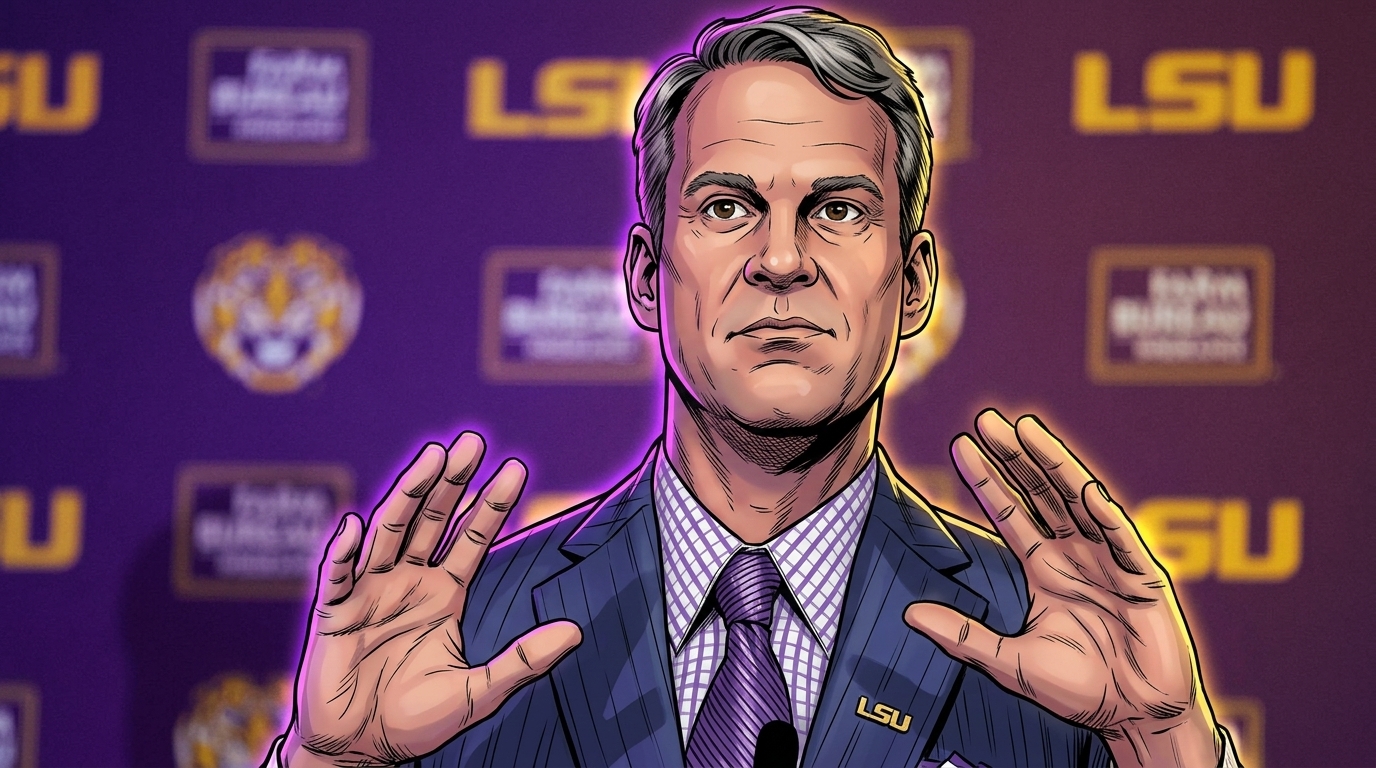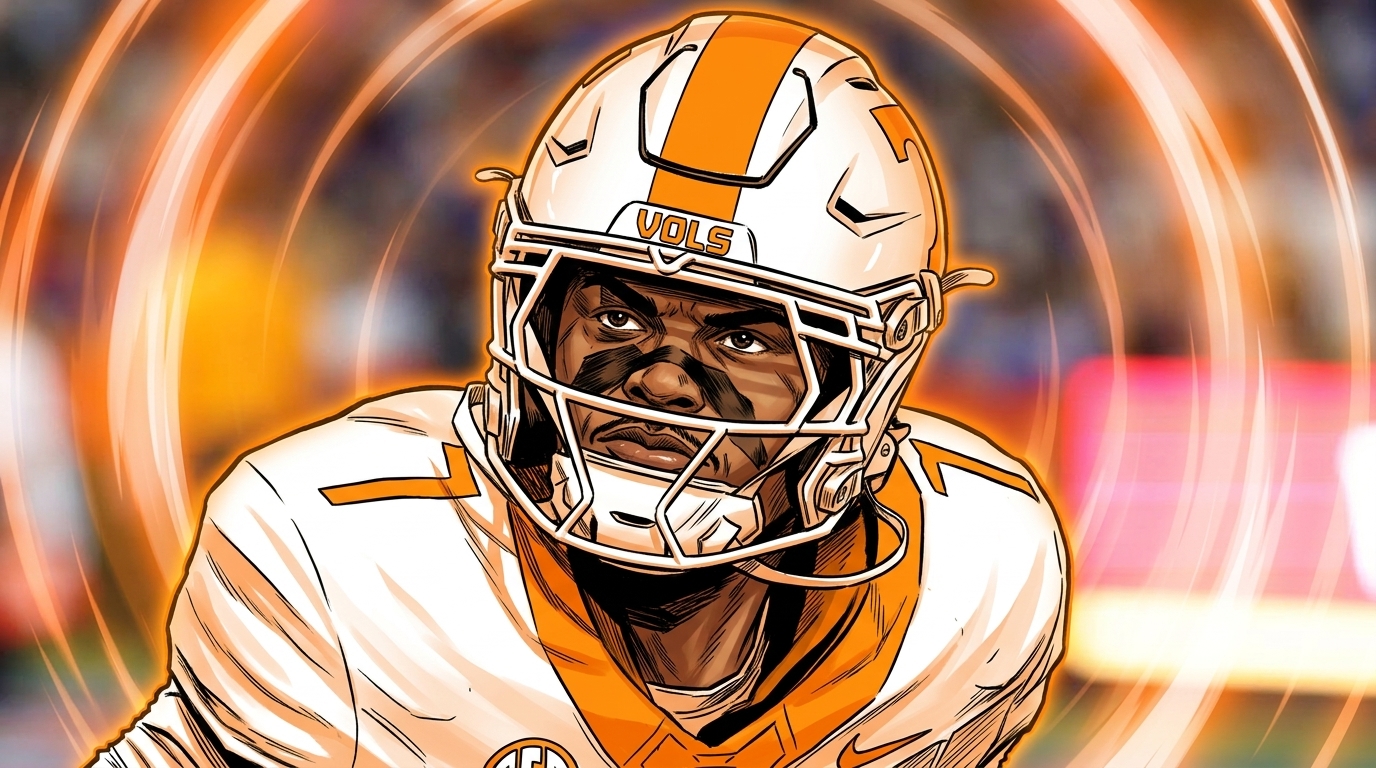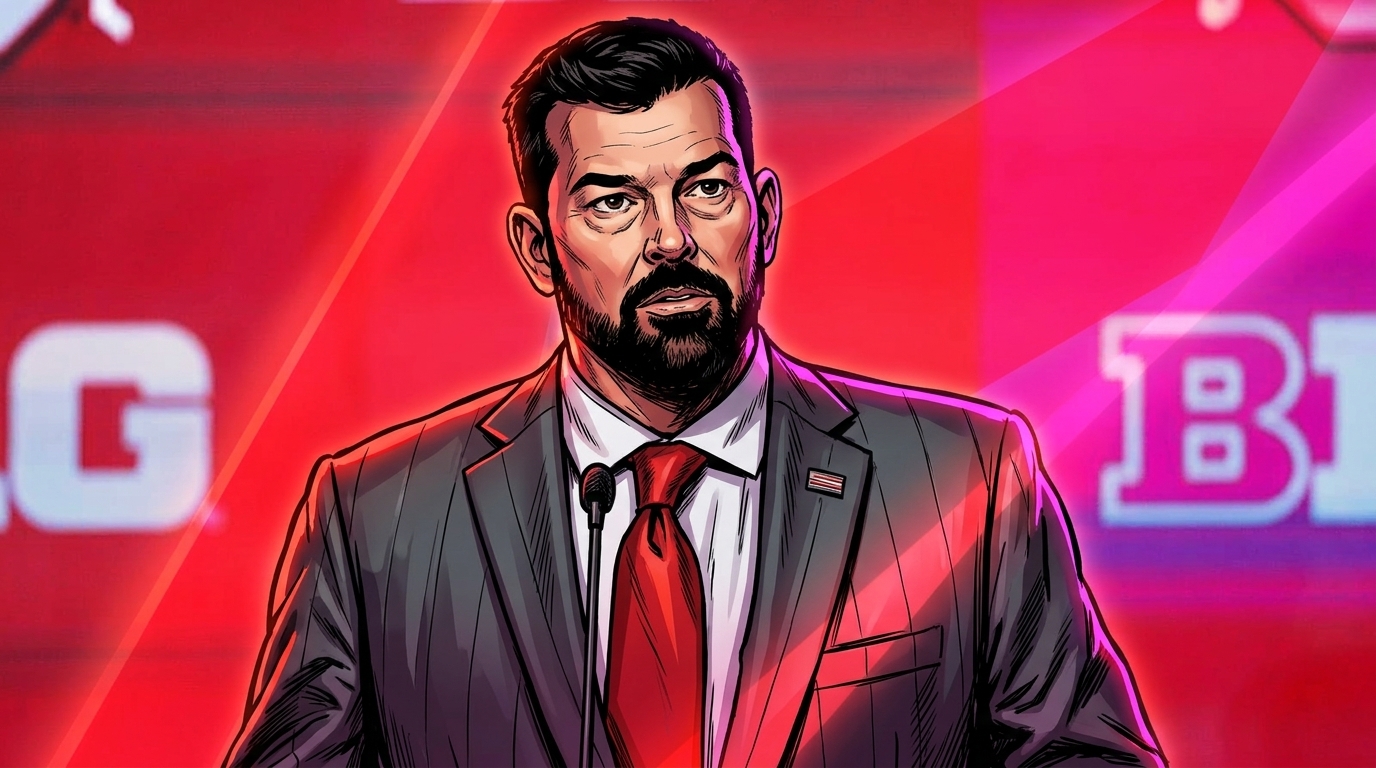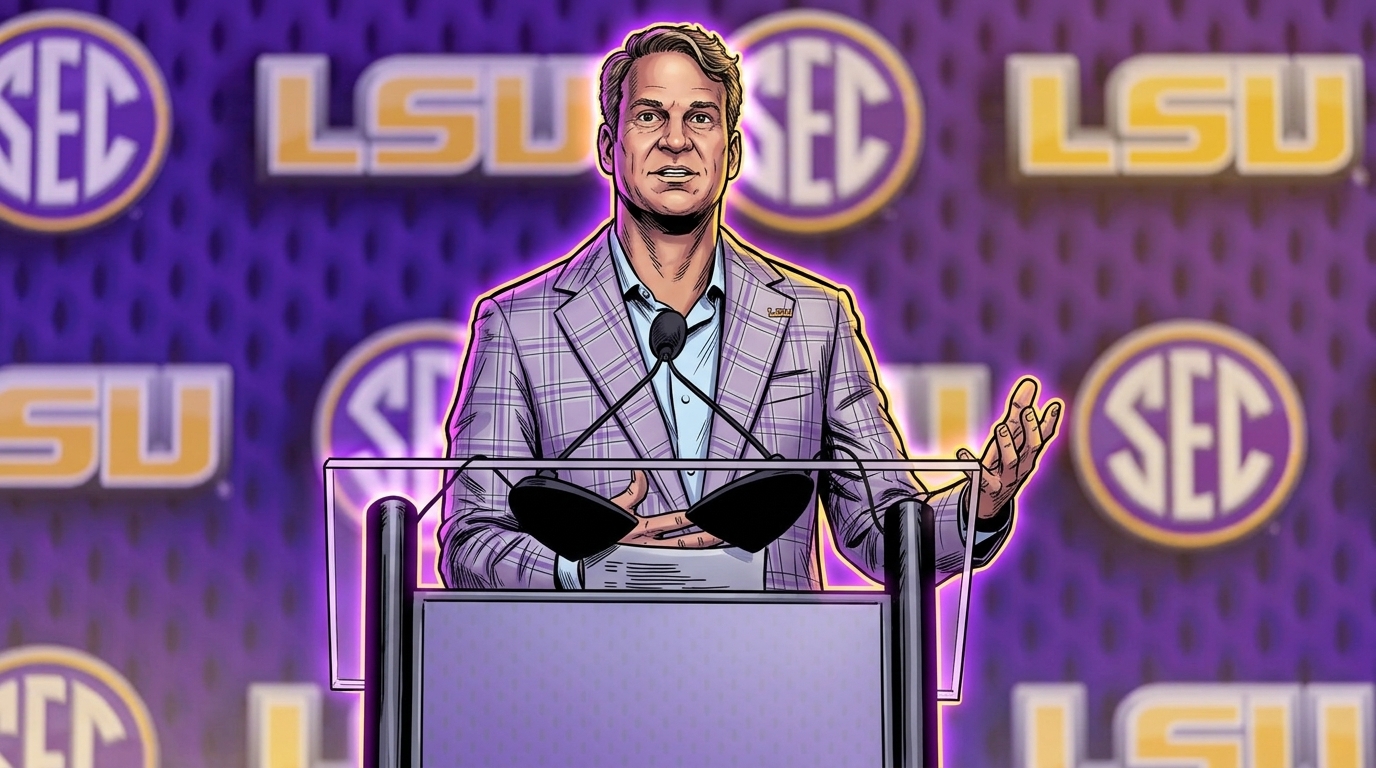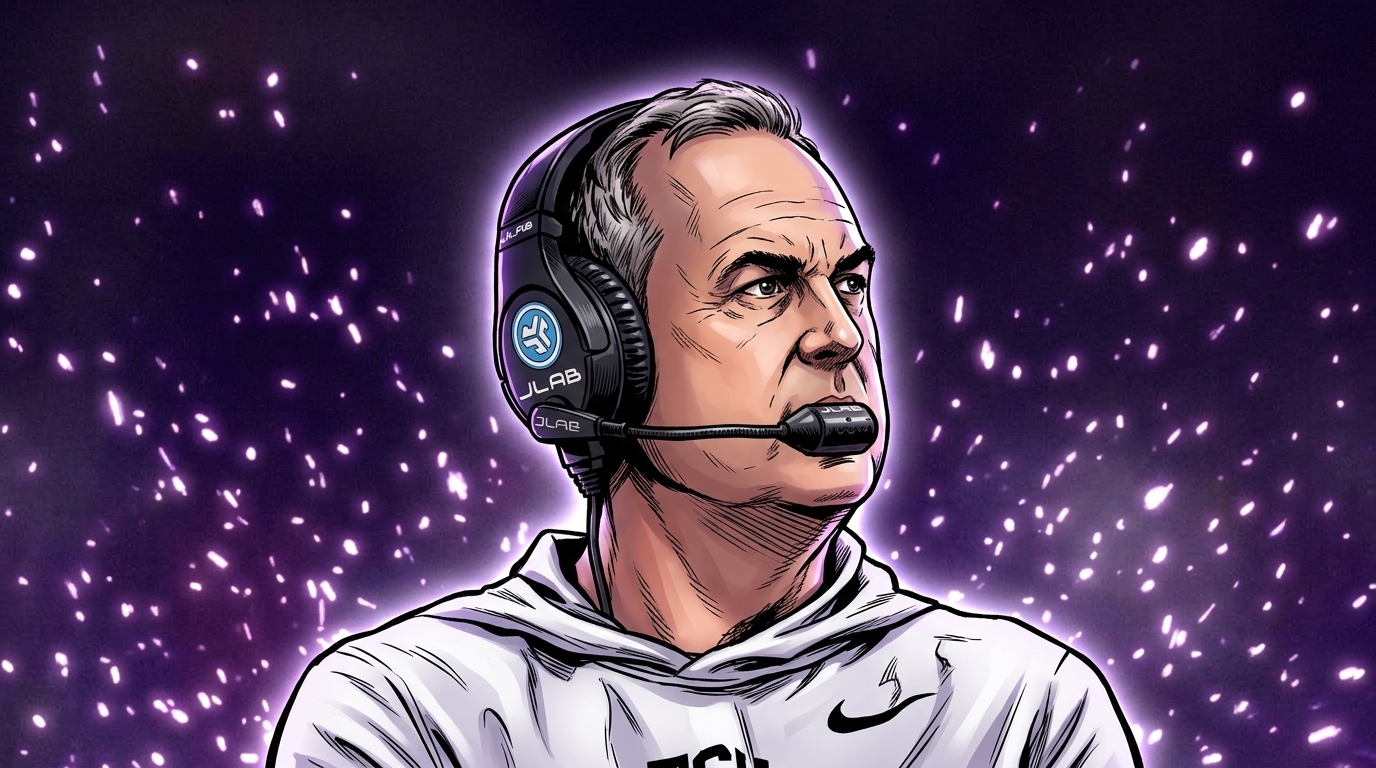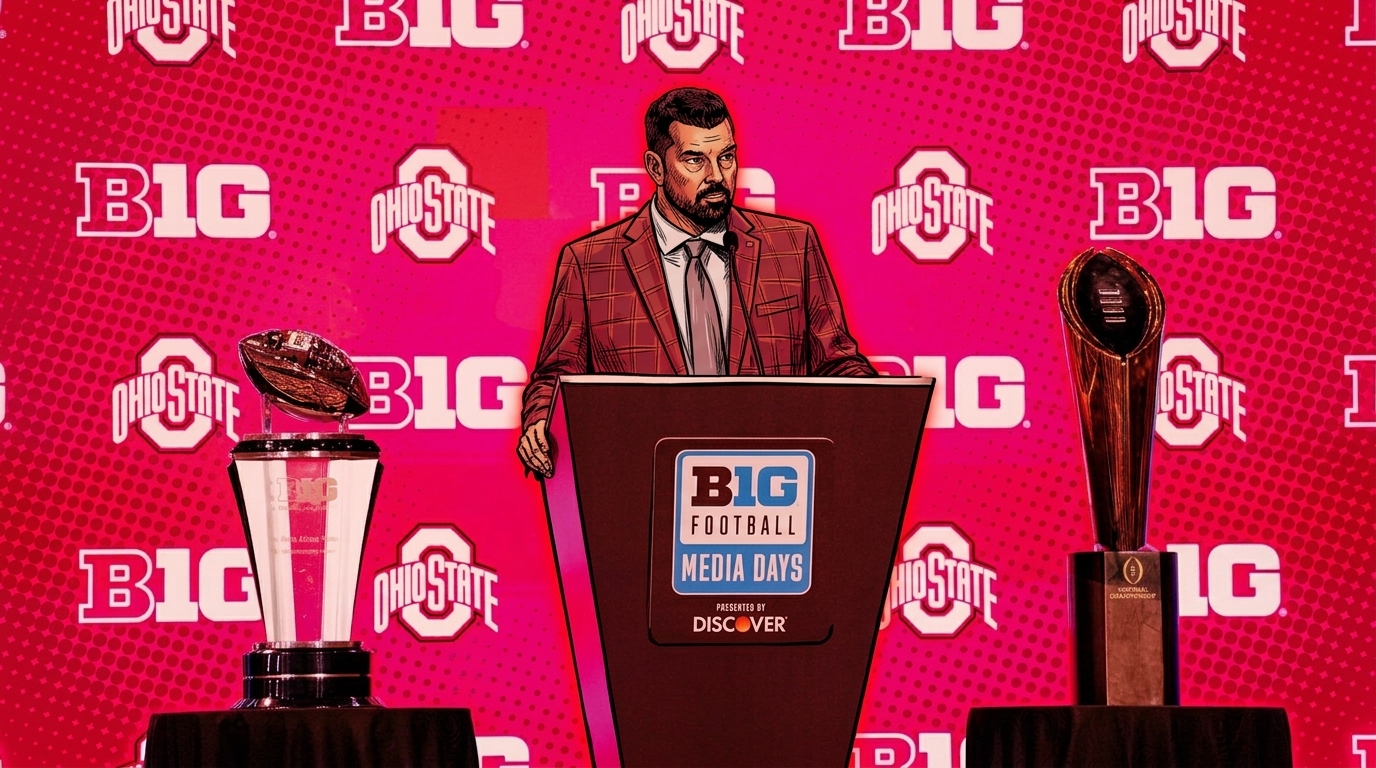

We keep waiting for the Big Ten’s dynasty to have a face, and it keeps refusing to cooperate. Three straight national championships. Three different programs. Three coaches who don’t share a recruiting pitch, a roster-building philosophy, or much of anything beyond a conference logo. Big Ten Media Days runs July 28-30 at the Hilton Chicago — Ohio State, Michigan State, Minnesota, Oregon, Purdue and UCLA took the stage Wednesday; Indiana, Michigan, Maryland, Nebraska, Northwestern and Washington go Thursday — and that’s the question sitting under every podium this week: is this actually a dynasty, or three years of very well-timed coincidence?
Here’s where we keep landing: the conference is the dynasty now, not any one program inside it. Michigan won it in January 2024. Ohio State won it in January 2025. Indiana, of all programs, won it this past January. Different depth charts, different coaching trees, same trophy ending up in the same nine-state footprint every time. And the strangest confirmation of that idea didn’t happen on a field. It happened in a December police report, when Michigan spent the winter replacing its head coach under the worst circumstances imaginable, and the conference’s grip on the sport never loosened. That’s not a crack in the theory. That’s the theory absorbing a direct hit and staying upright.
Why Has the Big Ten Won Three Straight National Championships?
The direct answer: the Big Ten has won the last three College Football Playoff national titles through three different programs: Michigan (2023 season), Ohio State (2024 season) and Indiana (2025 season, 16-0). That’s evidence the conference’s power is systemic now, not tied to one program’s run. Per CBS Sports, it’s specific enough a streak that the league is treating it as this week’s central storyline rather than a nice footnote to whatever storyline comes next.
What Indiana’s Perfect Season Proved About the Blueprint
Start with the program that had no business being here. Indiana went 16-0 in 2025, the first major-college team to finish a season undefeated at that mark since Yale in 1894, a comparison every Big Ten Media Days preview is contractually obligated to include, and for once it’s earned. It was the first national title in Hoosiers history, delivered in Curt Cignetti’s second season on campus. Quarterback Fernando Mendoza threw for 3,535 yards and 41 touchdowns, won the Heisman, and went No. 1 overall to the Raiders, which means Indiana now has to replace a Heisman winner with East Carolina transfer Katin Houser and see how much of the machine was Mendoza and how much was the machine. The Chicago Sun-Times calls Cignetti the biggest celebrity coach in the sport off a 27-2 record, the type of line that ages either extremely well or extremely fast. On3’s Ari Wasserman ranked him the No. 1 head coach in the conference this week, ahead of everyone else on the sport’s biggest stages.
That ranking is worth sitting with for a second, mostly because of who’s next to him on it.
https://twitter.com/On3/status/2066892083755930014
Wasserman put Kyle Whittingham fourth. That’s not a small detail. That’s the second storyline of the week walking straight into the first one.
Ohio State Isn’t Rebuilding. It’s Reloading.
If Indiana is the proof of concept, Ohio State is the control group: the program that won the whole thing in January 2025 and is somehow entering this season with less drama than a normal Tuesday practice. Ryan Day brings quarterback Julian Sayin, who was a Second Team All-American and the conference’s Freshman of the Year, and receiver Jeremiah Smith to Chicago with zero quarterback competition to discuss, which is close to unheard of for a program that just turned over a championship roster. Jeremiah Smith’s decision to stay in Columbus instead of testing the market again matters here. It’s the difference between reloading and actually rebuilding, and Ohio State clearly landed on the better side of that line. Per the Sun-Times, Ohio State carries the shortest odds of any team in the country to win it all this fall and could plausibly open the season ranked No. 1. (Preseason No. 1 rankings are famous mostly for how often they turn into cautionary tales, so we’ll hold the celebration.) Set against the quarterback rooms in flux at Alabama, Florida and Clemson, Sayin’s clean handoff from a title-winning staff isn’t just stability. It’s a competitive edge nobody else in the sport’s traditional power tier currently has.
What Michigan’s Chaotic Offseason Says About the Margin for Error Now
Now the complicated one. Michigan fired Sherrone Moore “with cause” on December 10, 2025, after the school found evidence of an inappropriate relationship with a staff member. Moore was arrested hours later and originally charged with home invasion, stalking and breaking and entering. Those felony and misdemeanor charges were later dropped in a plea deal; Moore pleaded no contest to two lesser misdemeanors and was sentenced to 18 months’ probation. It’s the type of offseason that would knock most programs out of contention conversations entirely. Michigan responded by hiring Kyle Whittingham away from 21 seasons at Utah on a five-year deal through 2030, and the Sun-Times notes he’s regarded as one of the best in the business off that stretch, reason enough that his first Michigan media days appearance is expected to draw one of the bigger crowds of the week. Michigan also still has Bryce Underwood, the five-star quarterback whose true freshman season reporting describes as up and down, which is a polite way of saying the sample size is still small and the verdict isn’t in. Michigan’s $7.1 million to make its old athletic director go away predates all of this. The program’s relationship with institutional chaos didn’t start with Moore.
Someone will argue this week that Michigan’s meltdown is the thing that finally breaks the Big Ten’s streak — proof that even a title-winning program can implode fast enough to take the conference’s momentum down with it. I don’t buy it. A program that fires its coach in disgrace in December and still walks into July as a plausible contender, with a coach ranked fourth in the conference by outside analysts, isn’t a program in decline. It’s a demonstration of how much institutional depth the conference’s top tier has built up. Whittingham didn’t rebuild Michigan. He inherited infrastructure sturdy enough to survive a scandal most programs don’t recover from in five years, let alone five months.
The Verdict
I think this is structural, not lucky. Three different championship formulas: a transfer-and-development story at Indiana, a recruit-and-retain story at Ohio State, a hire-your-way-out-of-a-crisis story at Michigan. All three produced the same outcome inside three years, and that isn’t coincidence. Coincidence doesn’t survive that many independent tests. What we’re watching is a conference that built enough infrastructure, enough NIL and roster depth, enough coaching pipeline, that no single point of failure (not a graduating Heisman winner, not a coaching scandal) can knock it out of the national championship conversation. The programs are interchangeable in a way they weren’t five years ago. The conference isn’t.
Watch Thursday’s session for how much of that thesis Whittingham and Cignetti are willing to say out loud, and watch how Houser looks in fall camp for the first real read on whether Indiana’s blueprint survives without Mendoza running it. If a fourth different program wins the title in January, the “coincidence” argument is dead for good.