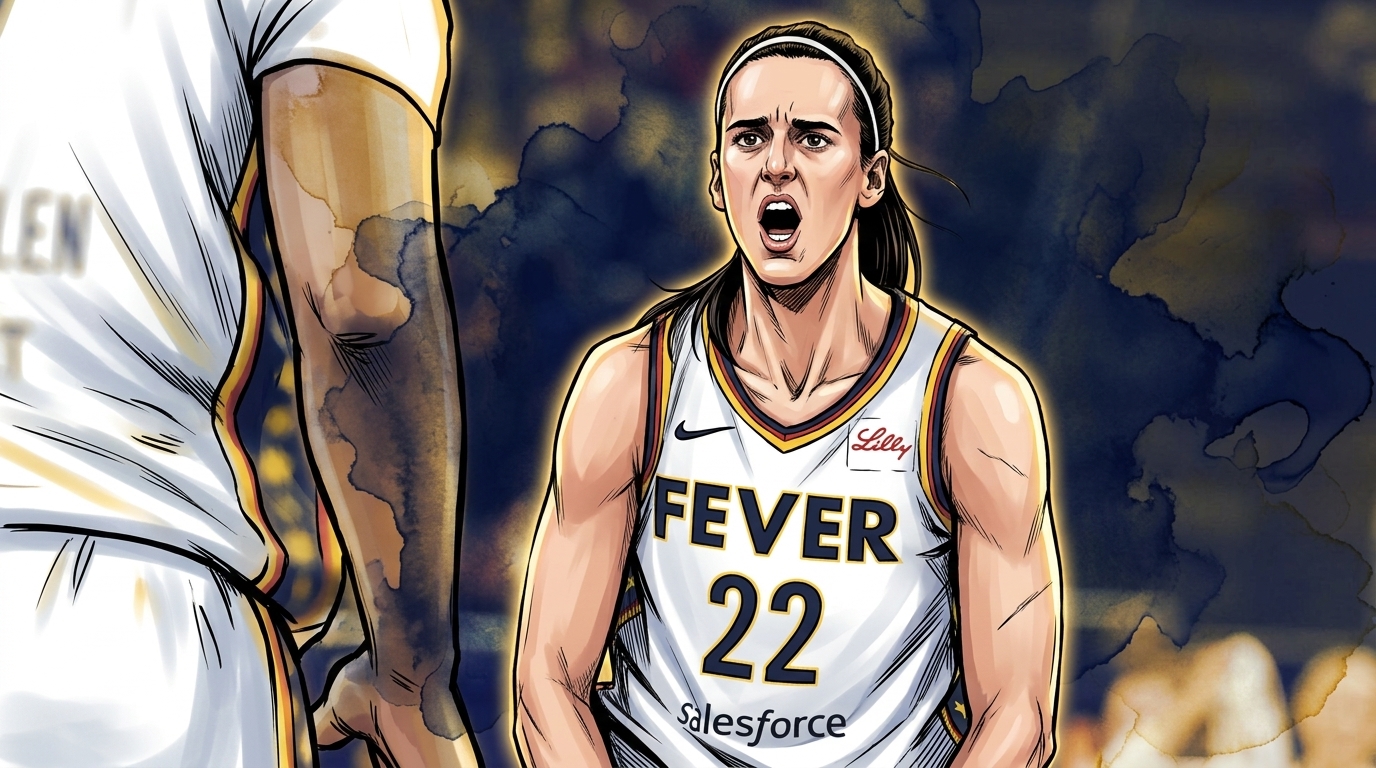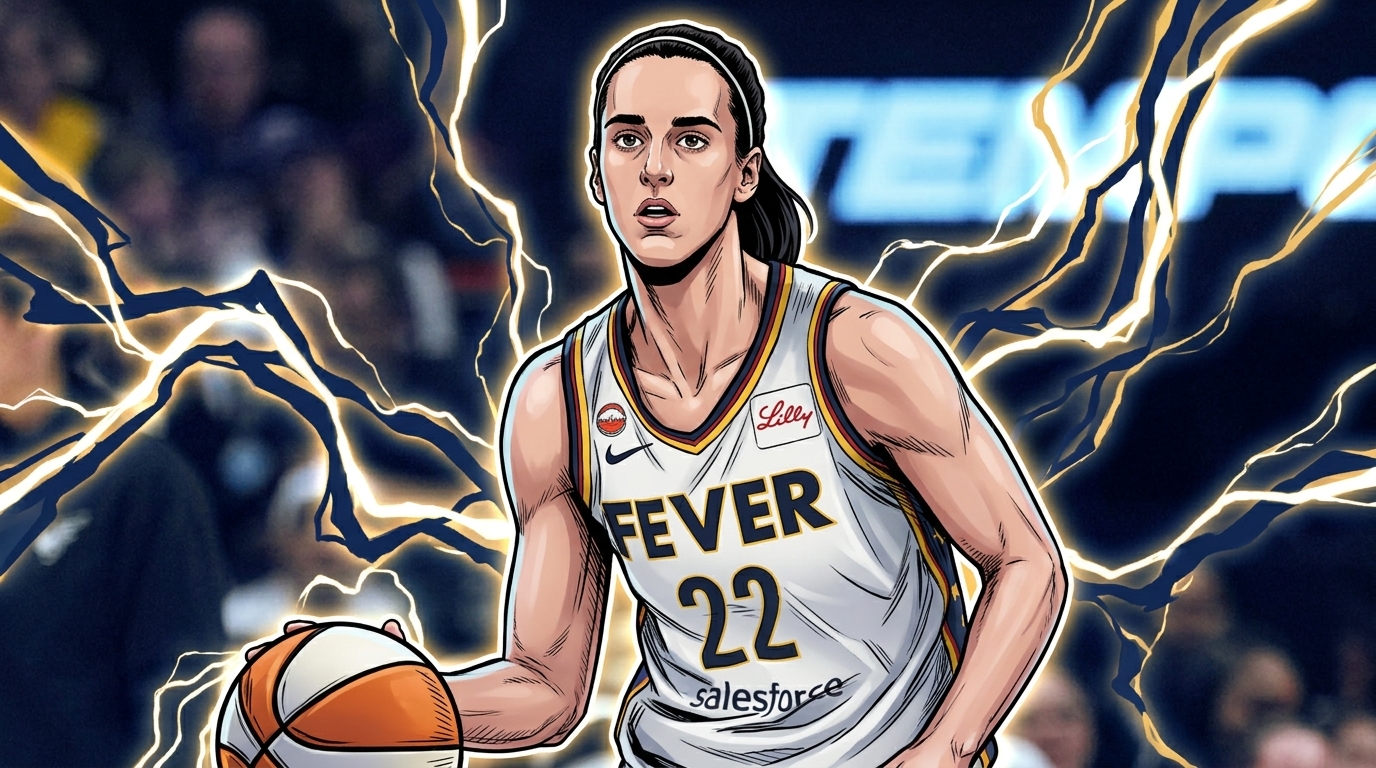

The Indiana Fever gave no timeline for Caitlin Clark’s return from a back injury. No ballpark, no range, no “we’ll reassess in a week.” Just out Saturday, and after that, nothing. That phrasing should alarm every person who watches this league, because it means the Fever themselves don’t know how bad this is, and neither does anyone else. I’m sitting here thinking about what it means that the WNBA’s most visible player, the one carrying the league’s growth numbers on her back, might literally be done for an extended stretch because the league cannot figure out how to protect her in real time.
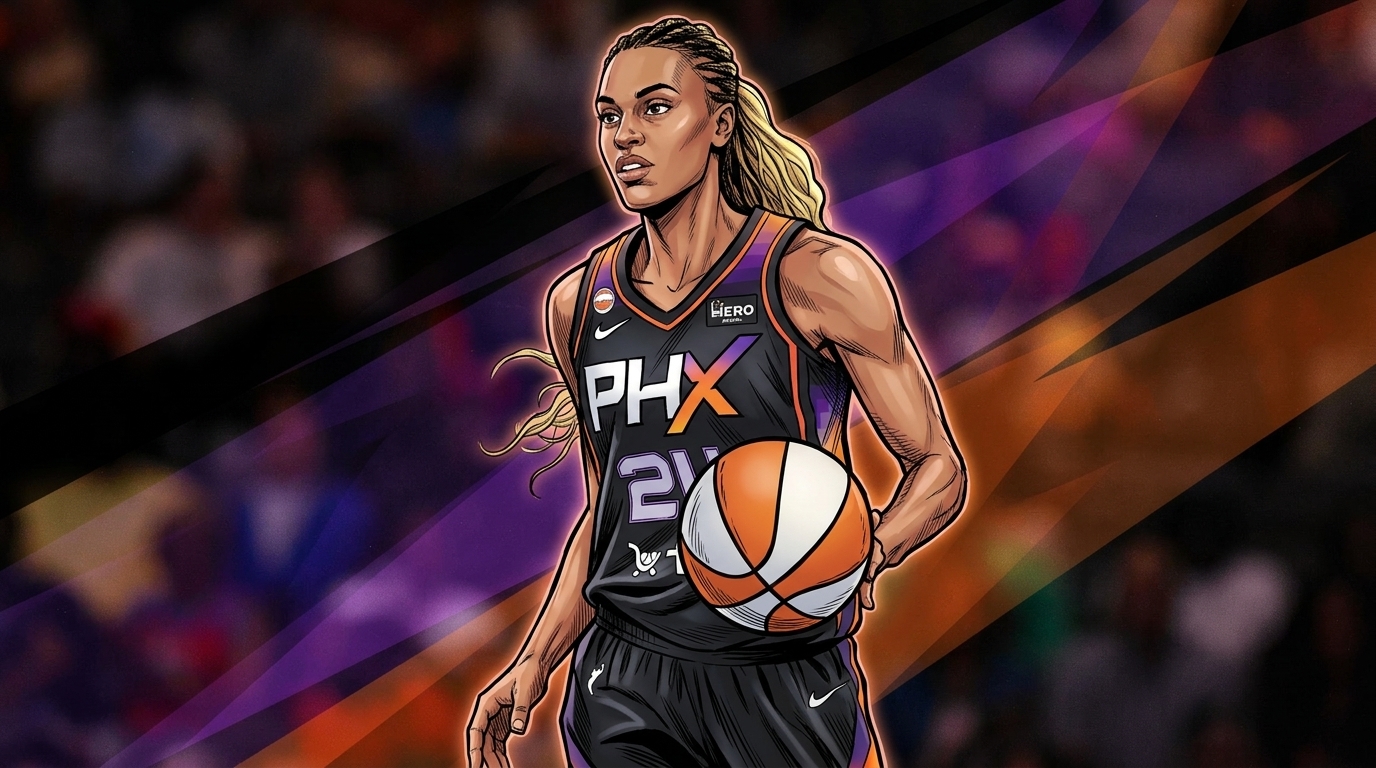
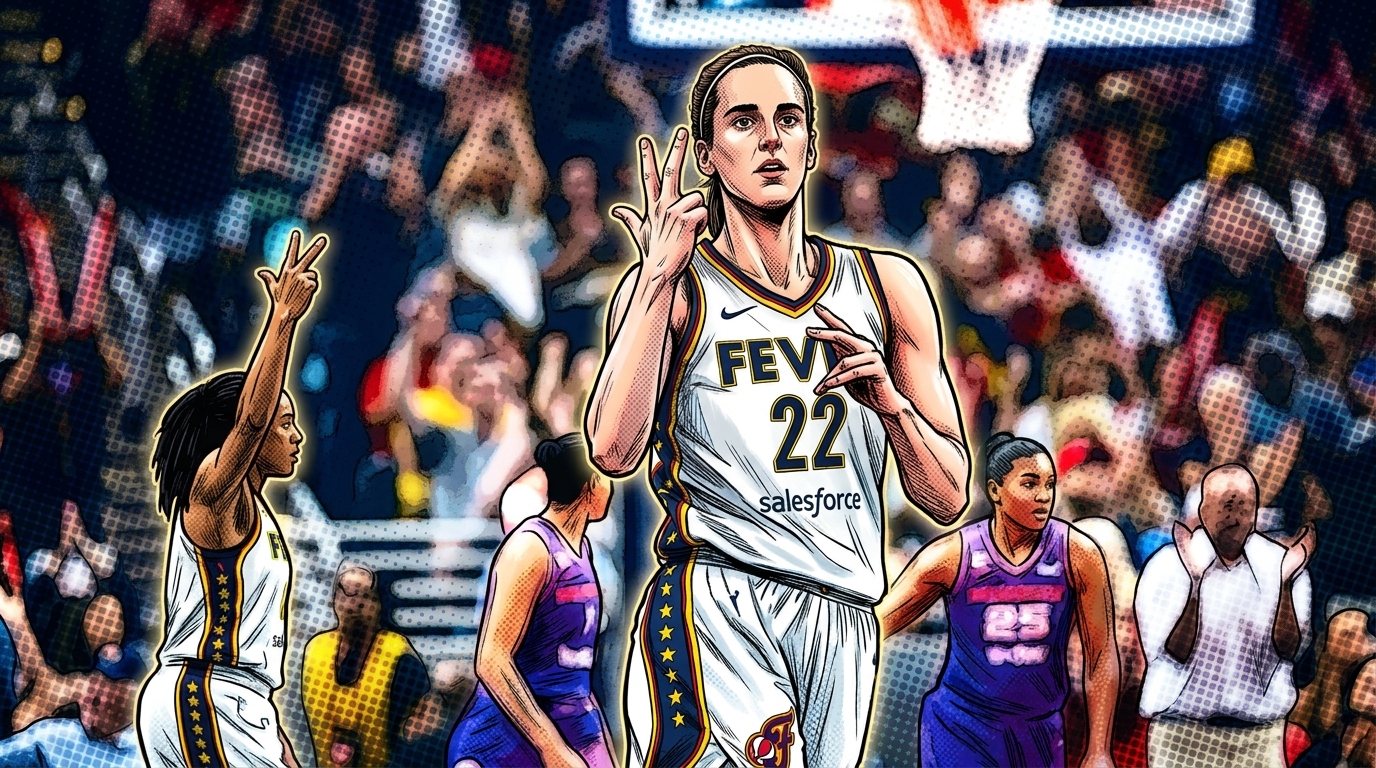
Here is what happened Tuesday night in Indianapolis. Alyssa Thomas struck Caitlin Clark in the throat with her fist during a loose-ball scramble with 6:52 left in the second quarter. No foul was called. Clark played through it and scored 19 points before leaving in the third quarter with a back injury. The Phoenix Mercury won 111-109. Thomas was upgraded to a Flagrant Foul 2 the next day and handed a one-game suspension, the first of her 13-year career, which she served Saturday against Toronto while Clark sat out against the Sparks. Stephanie White, coaching the Indiana Fever in the middle of a playoff race, had this to say after the game: “Absolutely disrespectful. The fist in the throat is crazy. It’s crazy. It’s dangerous.” That’s your head coach. That’s what she had left, because what else do you say when the officials stood there and watched it happen and called nothing? This season’s other Stephanie White flashpoint got more immediate media oxygen than this one, and both times the real story was the same: the Indiana Fever’s best player is operating without adequate institutional protection.
The one-game suspension is the correct call. It is also completely beside the point. Retroactive discipline handed down the following afternoon is not a player safety policy — it’s a press release. The question of who is actually responsible for protecting Caitlin Clark does not get answered by one missed game for Alyssa Thomas. It gets answered by the officials on the floor in real time, and on Tuesday they answered it by doing nothing. The structural failure the league keeps refusing to address is not a mystery. Officials aren’t calling this kind of contact when it happens to Clark, the league issues a statement after the fact, and everyone claps and calls it accountability. It is not. Clark has been on the injury report before, and there have been warning signs all season that her body is absorbing more than it should, but no mechanism exists to correct that mid-game when a fist connects with her throat and the whistle stays silent.
https://twitter.com/espnW/status/2070143813876642219
What makes this genuinely worse is Clark’s own description of her back situation: “I don’t think it necessarily started at a certain point…I think it’s just been over the course of the last year.” Over the course of the last year. This is not an acute injury from one punch. It’s a player whose body has been grinding down across hundreds of games and contact plays, accumulating damage that the league’s officiating culture has allowed to compound. Clark is tied fourth in the WNBA at 21.2 points per game and second in All-Star fan voting. She is the only reason half these CBS Sports box scores get clicked. White put it plainly: “Long-term health and wellness is the most important thing.” Sure. And the long-term health and wellness of the league’s most important player is now a question mark because nobody blew a whistle when it would have mattered. One game for Thomas, no timeline for Clark. That’s the math the WNBA is asking everyone to accept.