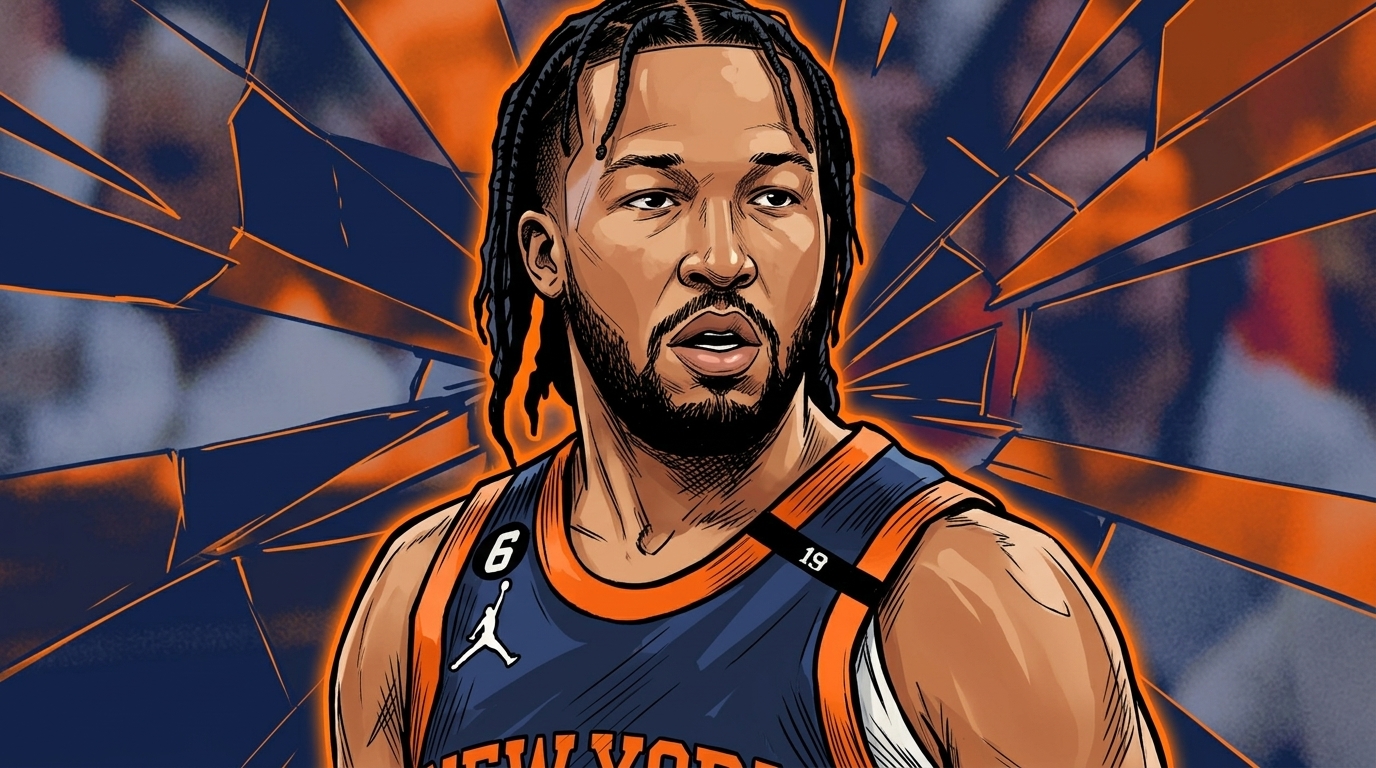
We’ve been watching this particular pressure campaign build since the confetti settled on Madison Square Garden, and the league has moved faster than anyone expected. Jalen Brunson’s unanimous Finals MVP validates what was already a remarkable story: a franchise player voluntarily leaving $113 million on the table, watching his team win a championship as a direct result, and then calling it “100 percent worth it.” The problem isn’t the sentiment. The problem is what happens when team ownership decides that one player’s principled sacrifice becomes everyone’s negotiating baseline.
That process is already underway.
What Brunson Actually Gave Up
The math here is worth establishing clearly, because the number tends to get rounded down in conversation. Per Spotrac and CBS Sports, Brunson was eligible for a five-year, $269 million supermax extension in the summer of 2024. He signed a four-year, $156.6 million deal instead, clocking in at roughly $113 million below what he could have demanded. A gap of that size doesn’t happen by accident.
What that gap purchased: the cap flexibility to trade for Karl-Anthony Towns, absorb Mikal Bridges, and retain OG Anunoby. The Knicks didn’t build that roster around Brunson; they built it because of Brunson’s willingness to compress his own number. Sacramento Kings head coach Mike Brown put it plainly enough to HoopsHype: “He took a pay cut that I wouldn’t have taken.” That’s not a knock. That’s acknowledgment that what Brunson did was genuinely unusual, even by the standards of team-friendly deals that happen every offseason.
It paid off. The Knicks won the 2026 NBA Championship. Brunson was named Finals MVP unanimously (all 11 voters). When a reporter asked him afterward whether it was worth it, he said something that will follow this league for years: “Even if we hadn’t achieved this I feel like being able to do that and grind and go on a journey to try to achieve it would have been worth it as well but this is definitely the cherry on top.”
The ownership side of the league heard that quote very differently than the players did.
Why Owners Are Using This Right Now
ESPN’s Jay Williams reported that the use of Brunson’s contract as leverage is already happening in active negotiations, citing conversations with multiple players: “I’ve talked to a couple of different players that could be Supermax this year or next year — they’re starting to feel a little pressure from team owners by saying, ‘Yo, Jalen Brunson left 113 million dollars on the table. What are you going to do?’”
That’s a direct citation of Brunson’s sacrifice in negotiations involving other players. And the timing is not accidental. The current CBA still has years left, but the next round of talks is already casting a shadow, and owners who want to normalize the concept of player pay cuts now have a case study with the best possible outcome attached to it: championship, Finals MVP, legacy narrative, unanimous validation. Hard to argue with the result.
The framing positions Brunson’s individual decision as evidence that a collective practice is both reasonable and rewarded. (This is not a coincidence.) One player’s choice, made under specific circumstances, is being generalized into a market expectation, which is a different thing entirely.
Stephen A. Smith noted as much on Yardbarker: Brunson “just made every future Knicks contract negotiation more complicated.” The Knicks will now face the implicit comparison with every supermax-eligible player they talk to. So will other franchises watching how this plays out.
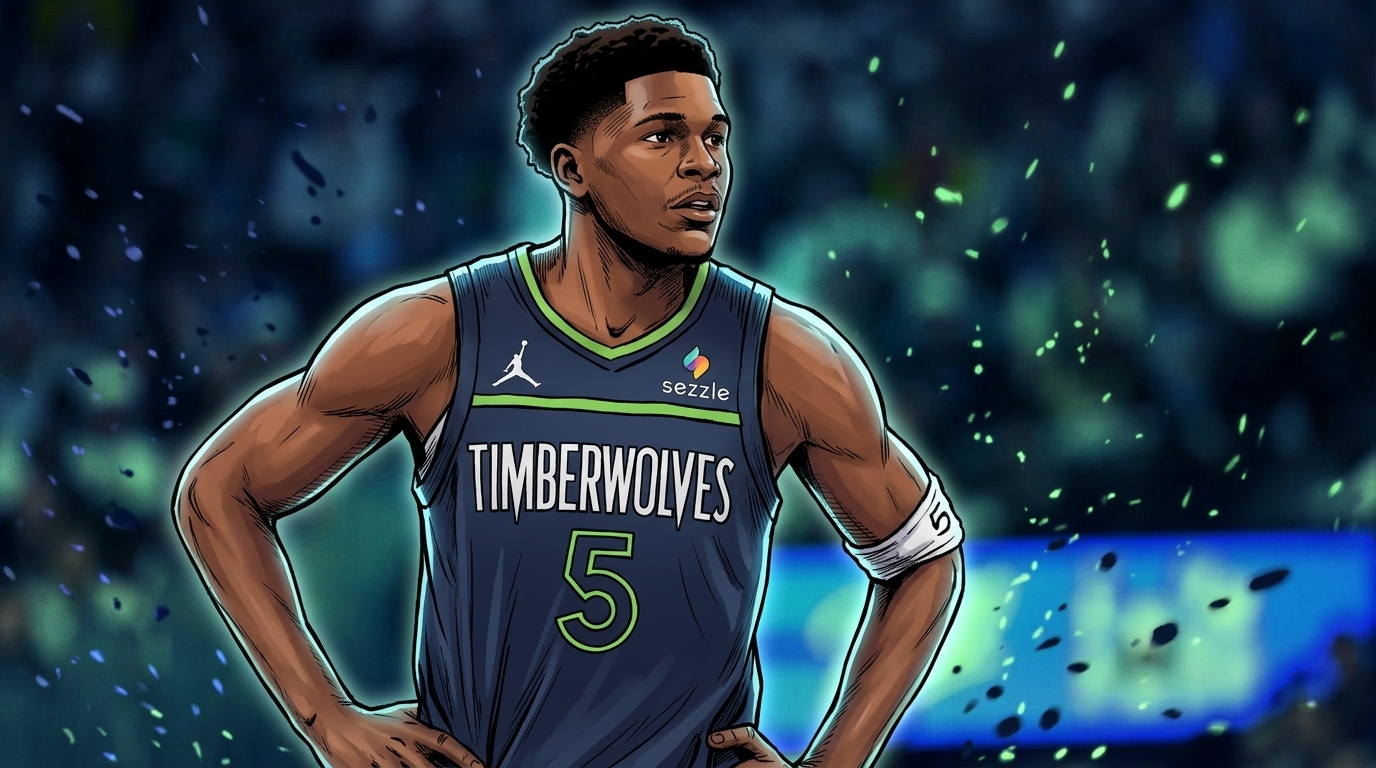
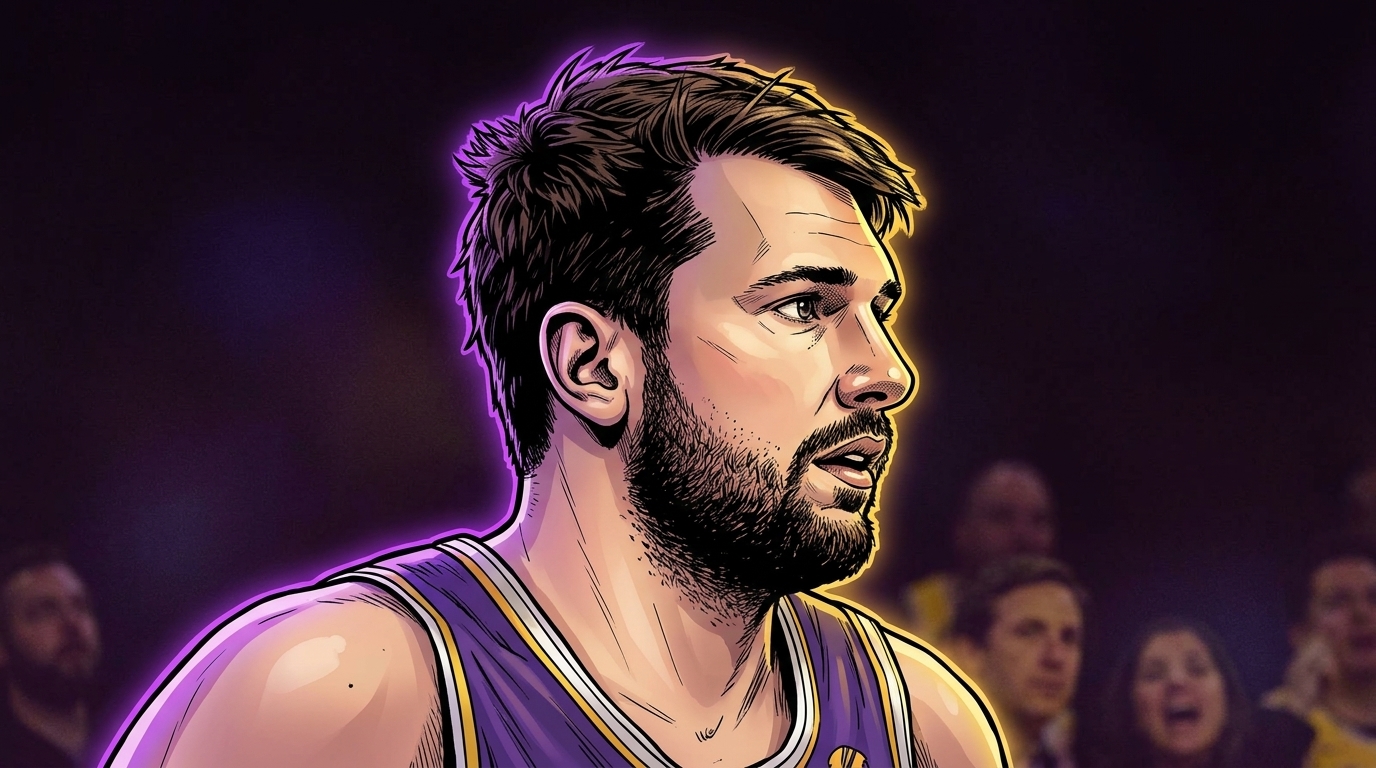
FanSided put the stakes plainly: “Why the Knicks’ championship could be a disaster for other NBA stars.” The Daily Knicks extended the concern, arguing Brunson’s decision “could put Luka Doncic and Anthony Edwards in a terrible spot.” The mechanism is predictable: any player who resists an ownership-initiated pay cut conversation now has to explain why they’re not willing to do what Brunson did. Even if the situations are nothing alike.
Should Other Stars Take a Pay Cut Like Brunson?
No — and agents are saying so publicly. Brunson’s situation was possible because of a decades-long personal relationship between his family and Knicks management. Per agents across the league, owners are now using his $113M sacrifice as leverage in talks with supermax-eligible players, but the circumstances that made it work are not replicable.
Brunson’s father, Rick Brunson, played for the Knicks in the late 1990s. The family’s relationship with the organization spans decades. The level of institutional trust required for a player to voluntarily compress his salary by nine figures, trusting that the team will use that money to build a genuine contender rather than pocket the savings, does not exist on demand. It accumulated over a generation.
Brunson’s own agent addressed the spreading narrative through Heavy.com, calling the situation “an anomaly” driven specifically by that family-organization bond. The agent’s point: you cannot import the conditions that made this possible into a different franchise, a different player, and a different market and expect the same outcome or the same calculus to apply. Asking another player to take a similar cut without that foundation isn’t inspiration. It’s exploitation of an outlier.
HoopsHype made the argument directly on June 19: “Jalen Brunson left millions on the table. Here’s why it shouldn’t become the standard.” The piece walked through what makes this situation distinct in ways that league-wide extrapolation misreads. The NBPA faces a similar challenge with a separate labor battle heating up in women’s basketball: the pattern of individual sacrifice being weaponized against collective leverage is not unique to the men’s game, but the NBA version now has a championship-shaped trophy attached to it, which makes it considerably harder to argue against.
The CBA Clock Is Already Ticking
The irony embedded in this story is significant, and Legion Hoops flagged it first:
https://x.com/LegionHoops/status/2024160057584390302
After taking a $113 million reduction relative to his supermax eligibility, Brunson will be eligible to sign a five-year, $417.8 million extension with the Knicks in 2028. The player who left the largest voluntary gap between his contract and his max will, within two years, be eligible for the largest contract in NBA history. The Brunson pay cut story has a sequel, and it involves a number that makes the supermax he declined look modest.
That timeline matters for the CBA conversation in a specific way. Both sides know the next negotiation will be shaped by the precedents being established right now. Owners who invoke Brunson in 2026 talks are building an argument they intend to press much harder when formal negotiations open. The NBPA’s challenge is to isolate this as the anomaly it is before that framing calcifies into something the union can’t easily dismantle at the table.
The players worth watching most closely are the ones Jay Williams identified: supermax-eligible this year or next, currently in conversations with ownership, already being asked the question directly. What they say in those rooms over the next eighteen months will matter more than any public statement either side issues.
Watch for whether the NBPA issues formal guidance to agents on how to respond when ownership invokes Brunson; whether any supermax-eligible player declines publicly to engage the comparison; and whether Luka Doncic’s or Anthony Edwards’s next extension conversation includes any visible pressure to match the precedent. The 2028 window, when Brunson himself signs the largest contract in league history, will be the most clarifying moment in this debate. Ownership built its entire argument on what he gave up. It will be considerably harder to sustain that argument when he cashes the check that follows.