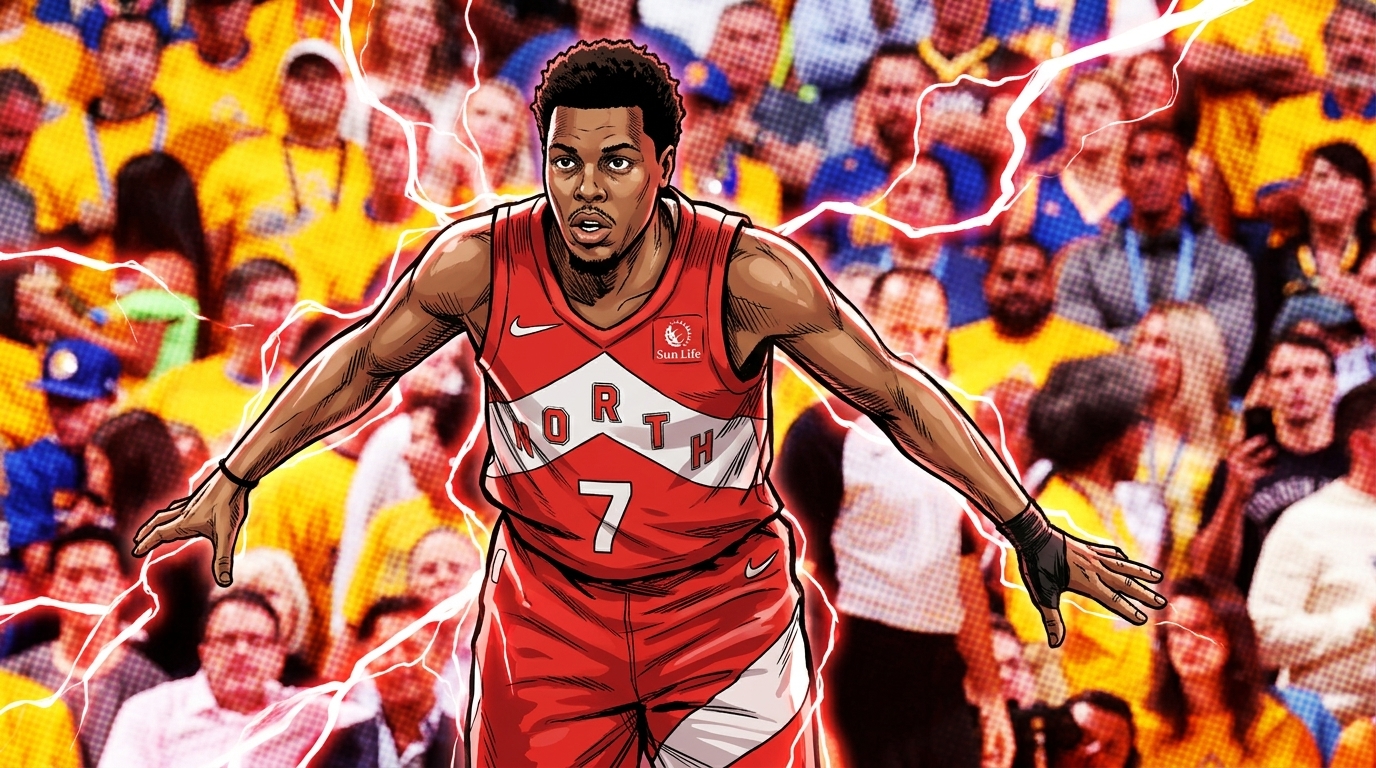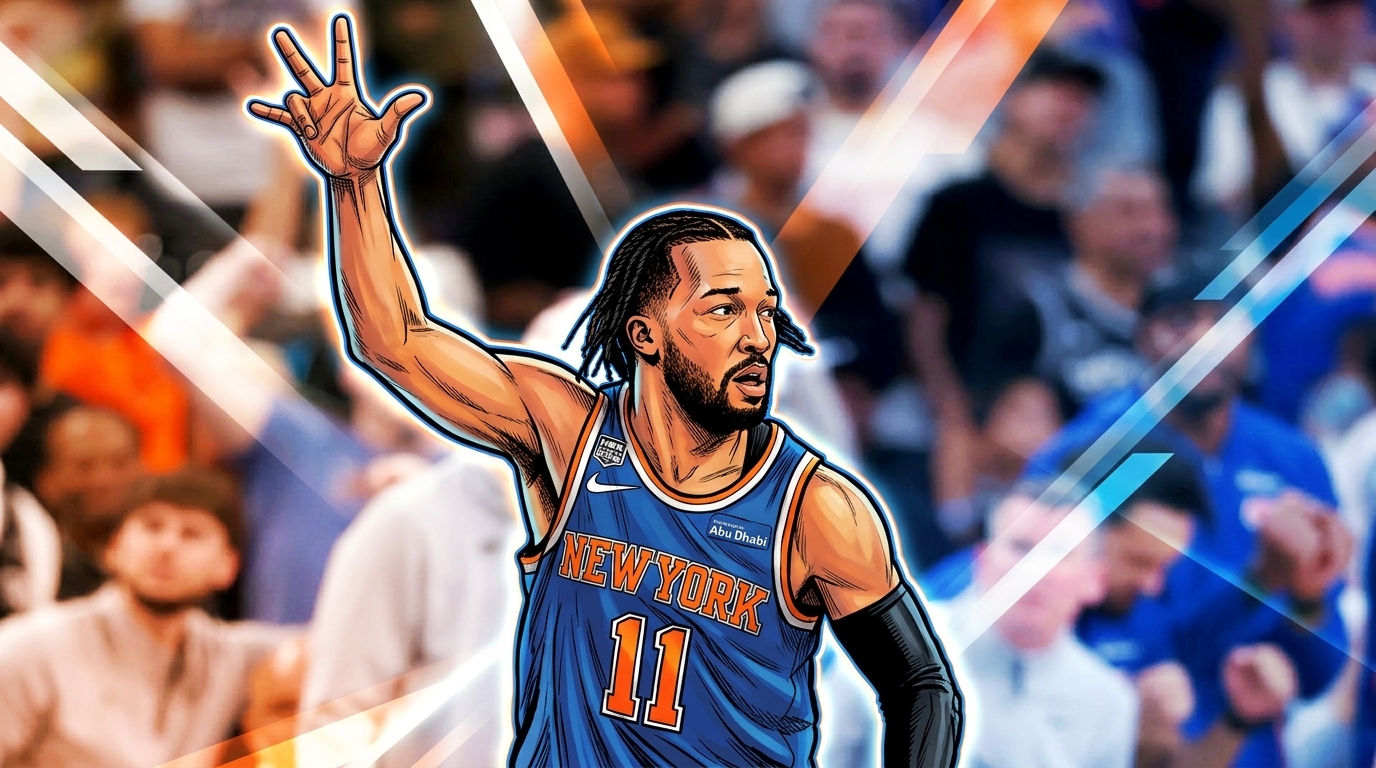

The 11-0 vote doesn’t need an asterisk. Every media member who cast a Finals MVP ballot selected Jalen Brunson, and the unanimity is the point: not the confetti, not the trophy, not the ceremony at Frost Bank Center. The Jalen Brunson Finals MVP 2026 result is what four years of being wrong looks like when the market finally corrects itself.
The market was wrong early and wrong loudly. When Brunson signed a four-year, $104 million deal with the Knicks in 2022, the criticism was immediate and specific: too small, too reliant on mid-range shots, not enough three-point volume to anchor a playoff team. A three-time WNBA champion coach publicly questioned whether a player of his size and style could lead a championship team. The doubt wasn’t casual. It was structural, rooted in a reading of basketball that treated mid-range efficiency and free-throw trips as second-tier value, and three-point rate as the only reliable signal of offensive worth.
Brunson spent the next four years dismantling that framework one playoff series at a time. He unanimously won the ECF MVP too. Then he averaged 32.6 points, 4.6 assists, and 4.2 rebounds per game across five Finals games against a Spurs team that built double-digit leads in every single one of them. His Q4 scoring average of 11.2 points per game broke the analytics that kept underselling him and is now an NBA Finals record, surpassing Giannis Antetokounmpo’s 9.3 in 2021.
Game 5 in San Antonio was the proof in its clearest form. Down by double digits in the first quarter, again, Brunson scored 13 consecutive points in the fourth and finished with 45, breaking Willis Reed’s 56-year-old Knicks Finals record of 38 points. He shot 14-for-27 from the field, 4-for-7 from three, 13-for-15 from the free-throw line, and played 41 minutes. He tied Michael Jordan’s record for most points on the road in a Finals-clinching game. The company he’s in: Jordan, Giannis, Bob Pettit. The pre-series tactical breakdown mapped the matchup but didn’t predict 13 straight points in the fourth quarter of a closeout game, trailing, in an opponent’s building.
I’ve spent a lot of time in this space watching the analytics community penalize players for where they score rather than what the scoring produces. Brunson was the textbook case — his numbers never fit cleanly into the three-pointer-weighted models that dominate front-office thinking. He wasn’t underselling himself. The models were underselling him. There’s a difference, and this Finals made it empirical.
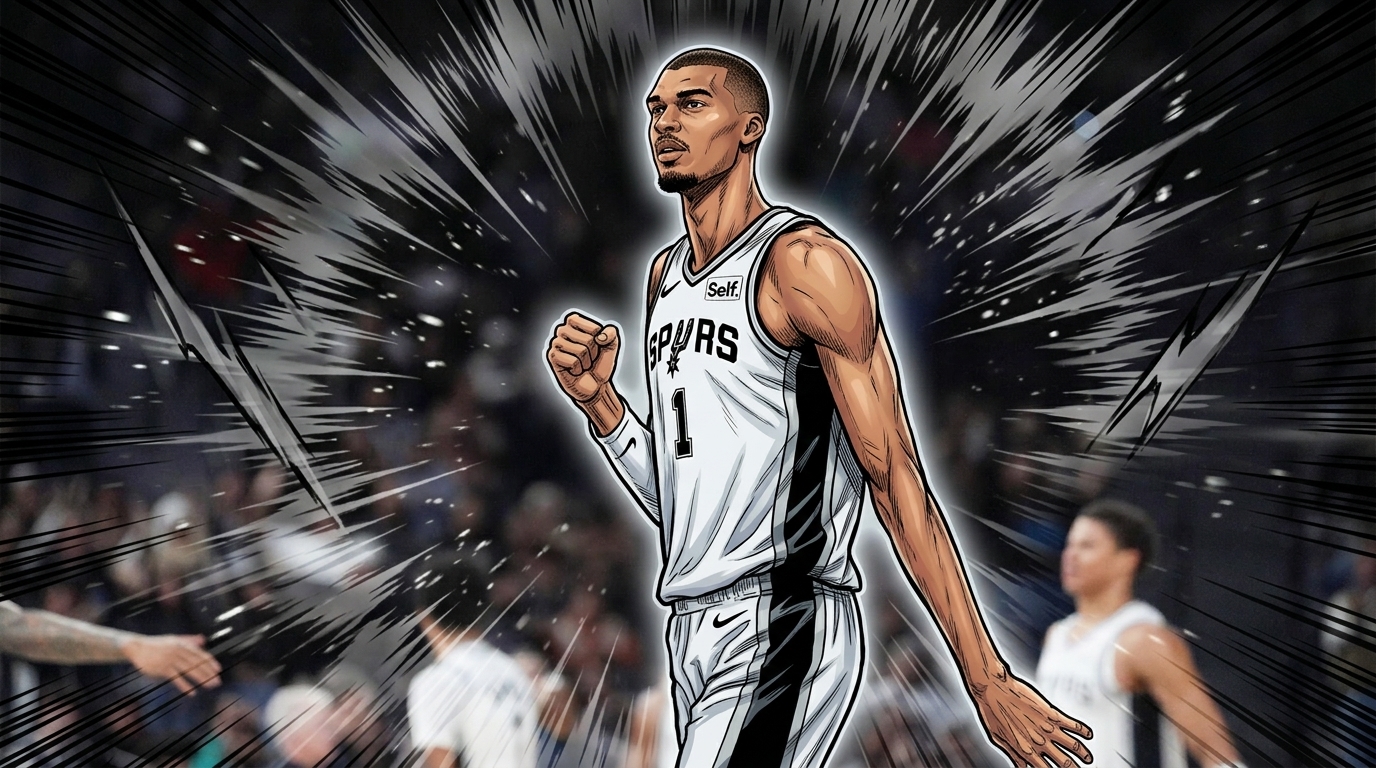
Victor Wembanyama had 19 points, 15 rebounds, and 5 blocks in Game 5 and still couldn’t stop the comeback. De’Aaron Fox went 3-for-15 from the field and scored zero points in the fourth quarter. The Spurs executed their first-quarter game plan in all five games and lost all five fourth quarters. The pattern wasn’t subtle. Brunson didn’t beat a depleted team — he beat the most hyped young core in the league, repeatedly, when the game was actually on the line.
https://twitter.com/nikebasketball/status/2066000600727462393
Nike posted “Sleep well, NY.” at 3:31 AM. That’s brand copy, but it’s also accurate. Brunson told CBS News he had “no words” and that it was “everything I ever dreamed of.” OG Anunoby called him “resilient, mentally tough.” Those quotes are fine. They’re not the story.
The story is that four years of market consensus said the Jalen Brunson Finals MVP 2026 outcome was impossible. He’s a second-round pick — the fourth in NBA history to win this award, joining Willis Reed, Dennis Johnson, and Nikola Jokic. He’s 6’1”. He doesn’t hunt threes. He builds advantages from mid-range and the free-throw line, and he closes games in ways that don’t show up cleanly in the dashboards that shape how teams are built and how players are valued.
The market was wrong. The verdict was unanimous. The correction cost 11-0.