
The WNBA announced it’s expanding to a 50-game regular season starting in 2027, and I cannot believe we are expected to applaud this without asking the single most obvious question: who, exactly, is absorbing the cost of six additional games?
Commissioner Cathy Engelbert said, in a statement that deserves to be framed in the Grift Hall of Fame: “Demand for the WNBA has never been greater, and expanding to a 50-game regular season reflects the extraordinary momentum we are seeing across the league.” Demand has never been greater. Momentum is extraordinary. Six more games it is, then. Engelbert offered the league’s booming popularity as justification for expanding the season, which is a little like a landlord raising rent because the neighborhood got nicer, as if the people who made the neighborhood nice are the ones who should foot the bill.
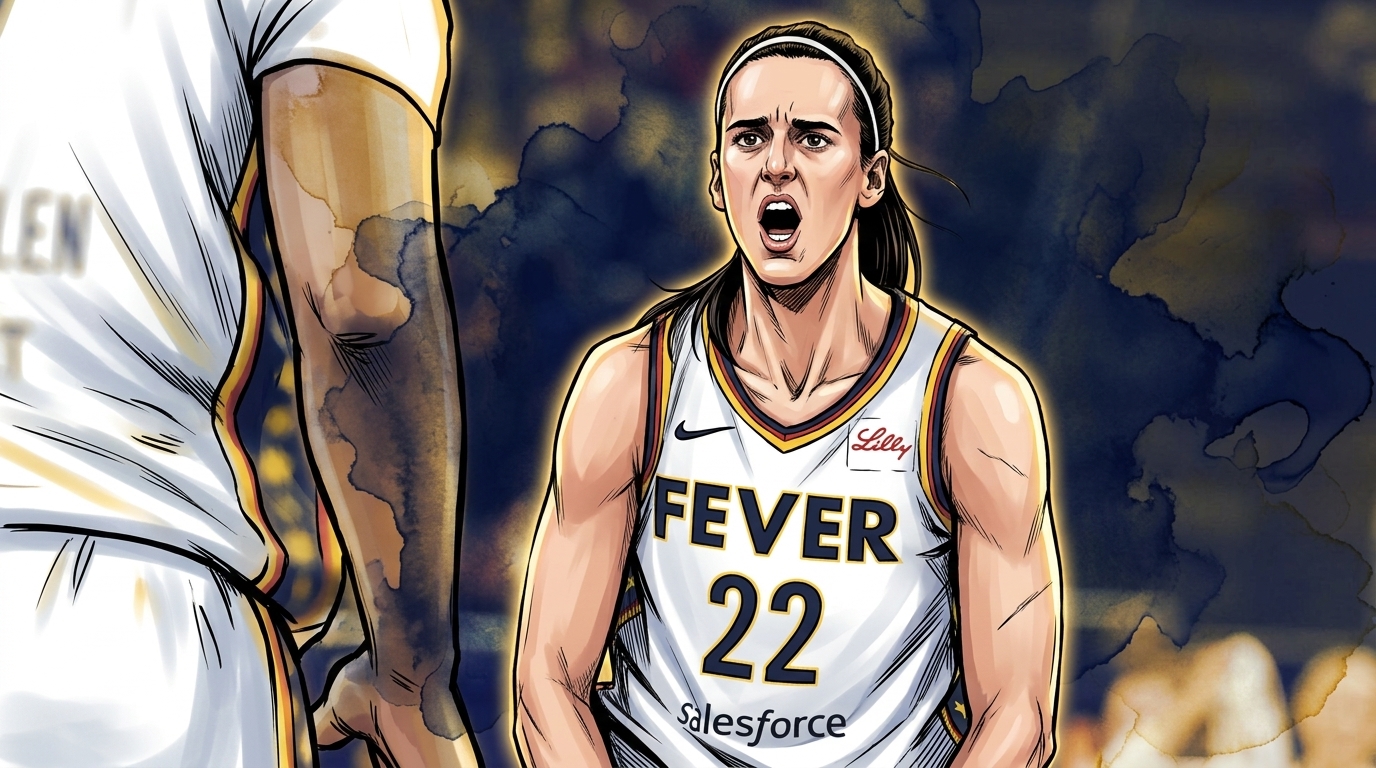
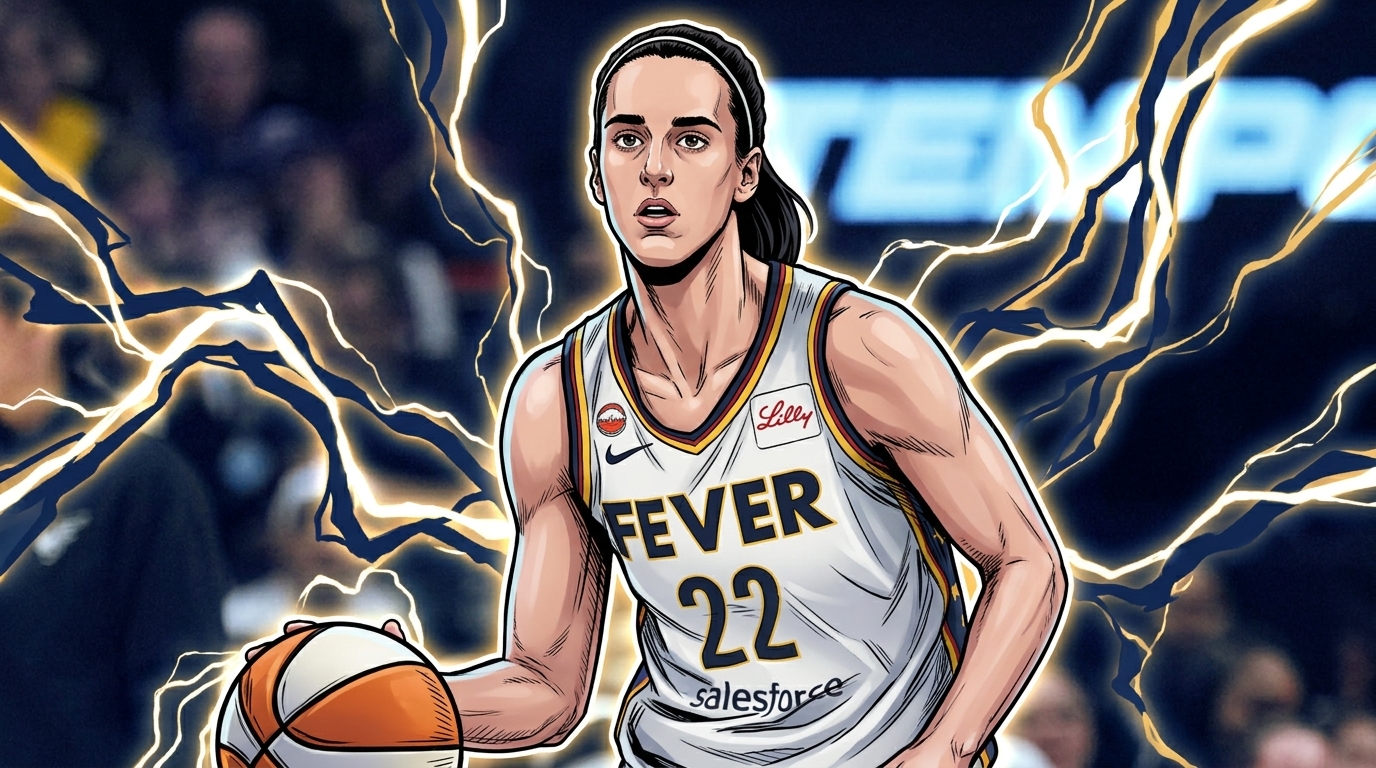
Caitlin Clark is making roughly $528,000 this season, per Spotrac and Yahoo Sports, on a pre-CBA rookie deal. The fourth year of that deal, if exercised for 2027, will be similarly modest. She is, at this precise moment in time, the most commercially valuable player in the history of women’s professional basketball. She is setting records that don’t exist for people her age in any league. Through 13 games, she has 265 points and 108 assists — the fastest any player in WNBA history has hit 250 points and 100 assists in a single season, beating the previous record by three games.
https://x.com/ESPNInsights/status/2067072467441434885
She is doing this on a salary that is a rounding error on what she generates. I worked in housing policy for 18 months and I recognize this model: extract maximum value from the people least protected by the contract, then announce the extraction as investment.
The new CBA, which runs through 2032, does raise the supermax to $1.4 million and quadruples minimums. That’s genuinely good. But Clark is locked into her pre-CBA rookie deal at $528K, below the new max the league just established for its own players. The cap per team is roughly $7 million. A single Indiana Fever home game this season sells out an arena that would have been half-empty three years ago. Clark’s jersey is the bestselling in the league by a margin that would embarrass most NBA stars. She generates revenue that no one can fully calculate and that the league is not even trying to share with her in proportion.
And now the league wants six more games.
This is the part that the “momentum” framing is designed to obscure. Expanding from 44 to 50 games under the logic of demand is not a reward for the players creating that demand. It is a mechanism for monetizing them more efficiently. More games means more television windows, more gate revenue, more merchandise cycles, more nights when Clark logs 20-plus points and eight assists for the Indiana Fever and the league clips it for their Instagram. The players get more wear on their bodies. The league gets more content.
Three expansion teams (Cleveland in 2028, Detroit in 2029, Philadelphia in 2030) will dilute the talent pool by the time that 50-game schedule actually kicks in. The league is adding franchises faster than it is developing the depth to stock them. Which means the stars already carrying the weight — Clark, A’ja Wilson, the women who built this viewership spike with their actual performances — will be doing it in a longer season alongside a more diluted product. That is a hell of a reward for three years of saving this league’s relevance.
The new CBA introduced revenue sharing for the first time. That matters. But the expansion announcement reveals what the league’s growth strategy actually is: more games as the primary lever. Not higher salaries commensurate with what players produce. Not aggressive investment in development infrastructure. Just: give us more of you, and we’ll call it progress.
I do not think the WNBA is doing this out of malice. I think it is doing this because it can. Because Clark, in particular, has no leverage here. Her rookie deal is locked. Her options are to play on it or not play, and not playing is not an option for someone who clearly wants to compete. The league knows this. The CBA negotiators knew this. The expansion committee knew this when they scheduled their announcement.
She’s going to keep doing what she does: setting records every time she touches the ball, selling out buildings, running the Fever’s offense, driving the television numbers that justify the expansion franchise fees, and in 2027 she will do all of it in six more goddamn games than she did this year.
The league gets six more games. Clark gets a 4 a.m. flight to Cleveland. Check out more of our WNBA coverage if you want to keep watching this particular slow-motion robbery.