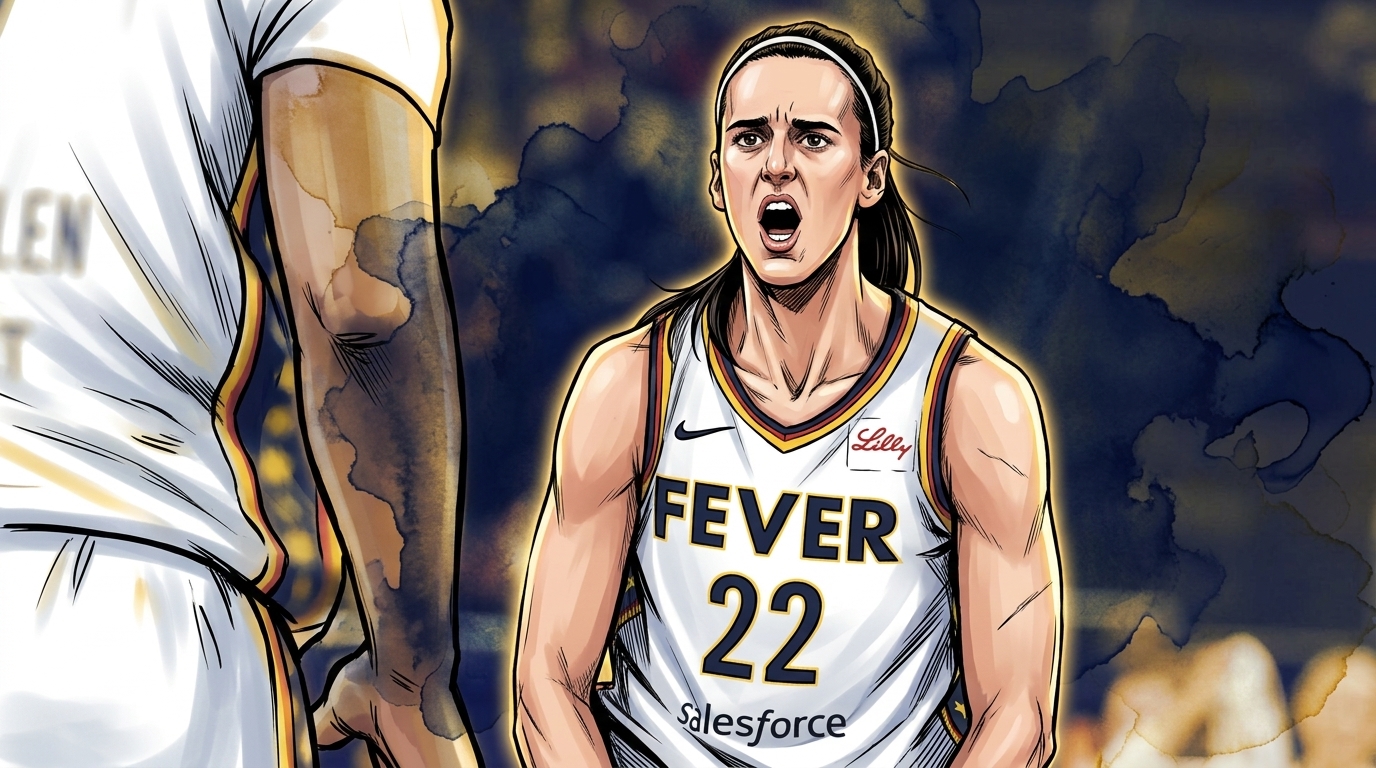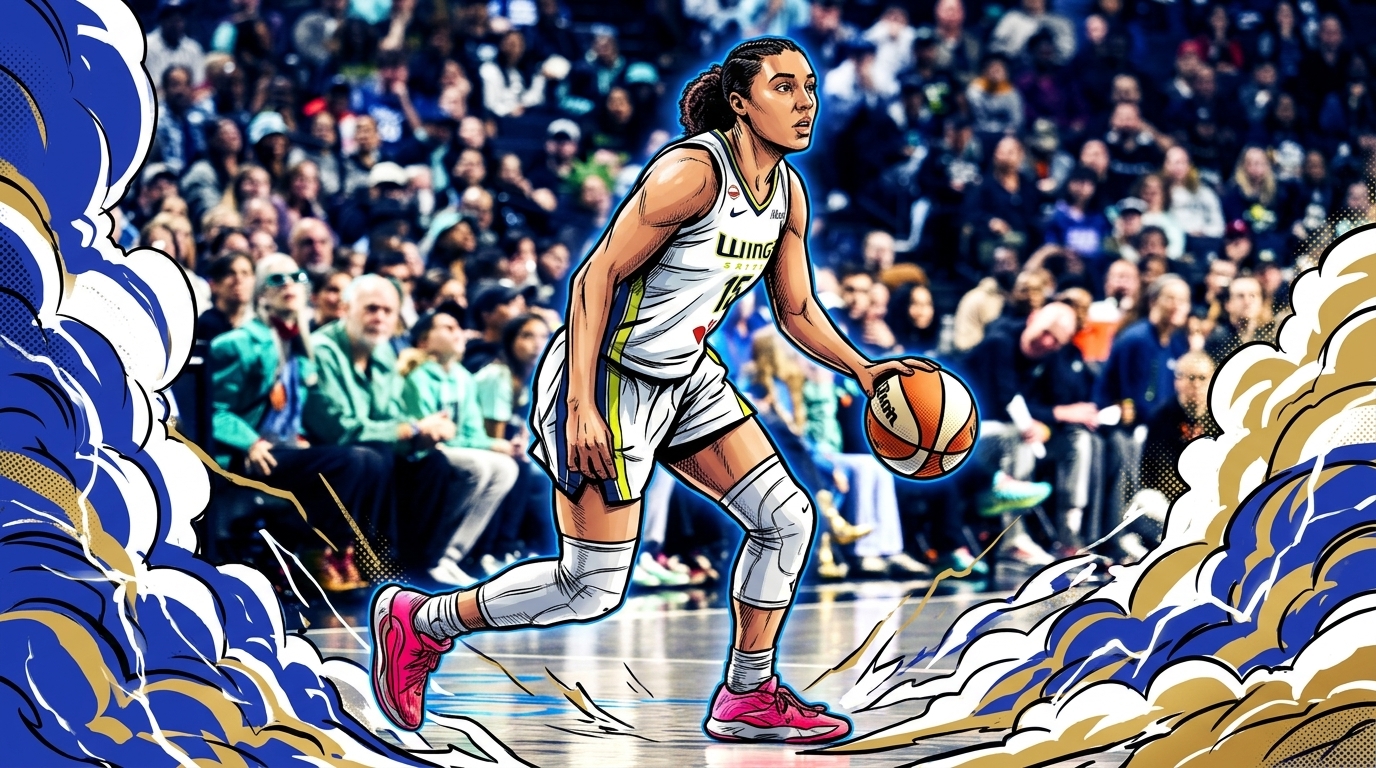

There’s a specific kind of language that organizations use when they don’t want to answer a question. It’s not evasion exactly — it’s something more structured than that. It has the grammar of a commitment without the content of one. “We’re headed in that direction.” That’s what Dallas Wings coach Jose Fernandez said at the post-game press conference after Azzi Fudd scored 24 points, shot 6-of-12 from three, posted a +22, held Sabrina Ionescu scoreless for 25 minutes as the primary defender, and set the Dallas Wings franchise rookie record for three-pointers in a single game — all off the bench.
He was asked directly whether she would start. He answered in a direction.
Start with the Azzi Fudd bench role in Dallas and you’re immediately in the weeds of roster construction: five backcourt players, three starting spots, a coaching staff that inherited veterans and decided continuity mattered more than draft order. Jose Fernandez has said as much. “We got five talented backcourt players,” he explained during Fudd’s WNBA debut, and structurally he’s not wrong. Paige Bueckers — last year’s No. 1 pick, also from UConn, also 24 points in the same game — starts. Arike Ogunbowale starts. Odyssey Sims starts, or started, until Fudd replaced her in the second half on Saturday. The math is real. The logic is legible.
What the logic doesn’t explain is the language.
When Breanna Stewart went first overall in 2016, she started every one of the Storm’s 34 games, led the league in minutes, and won Rookie of the Year unanimously. When Candace Parker went first in 2008, she won Rookie of the Year and MVP in the same season. These weren’t just exceptional players — they were treated, from day one, like the exceptional players their organizations had just paid to acquire. The franchise built around them immediately, because that’s the whole point of the No. 1 pick. The WNBA’s history of No. 1 picks starting immediately isn’t a standard, exactly. It’s the default. The closest Dallas parallel — Charli Collier in 2021 — started 18 games before washing out entirely, which means even a player who didn’t work out got the presumption that she would. Fudd, seven games in, has started zero.
I understand there’s a structural explanation. I’m asking about the choice of words.
“We’re headed in that direction” tells you something about how an organization is thinking about its own player. It tells you that starting is a destination she hasn’t reached yet, rather than a status she already earned. It frames the question of whether the No. 1 overall pick should start as still open — as a matter of trajectory, not fact. Fernandez also said “I’m really proud of her because she stayed the course,” which is generous praise, but it’s the kind of praise you give someone who endured something. In the NBA, a player scores a career high and breaks a franchise record off the bench, and the starting lineup question is answered by the next night’s tip-off sheet. In the WNBA, it’s answered with a direction.
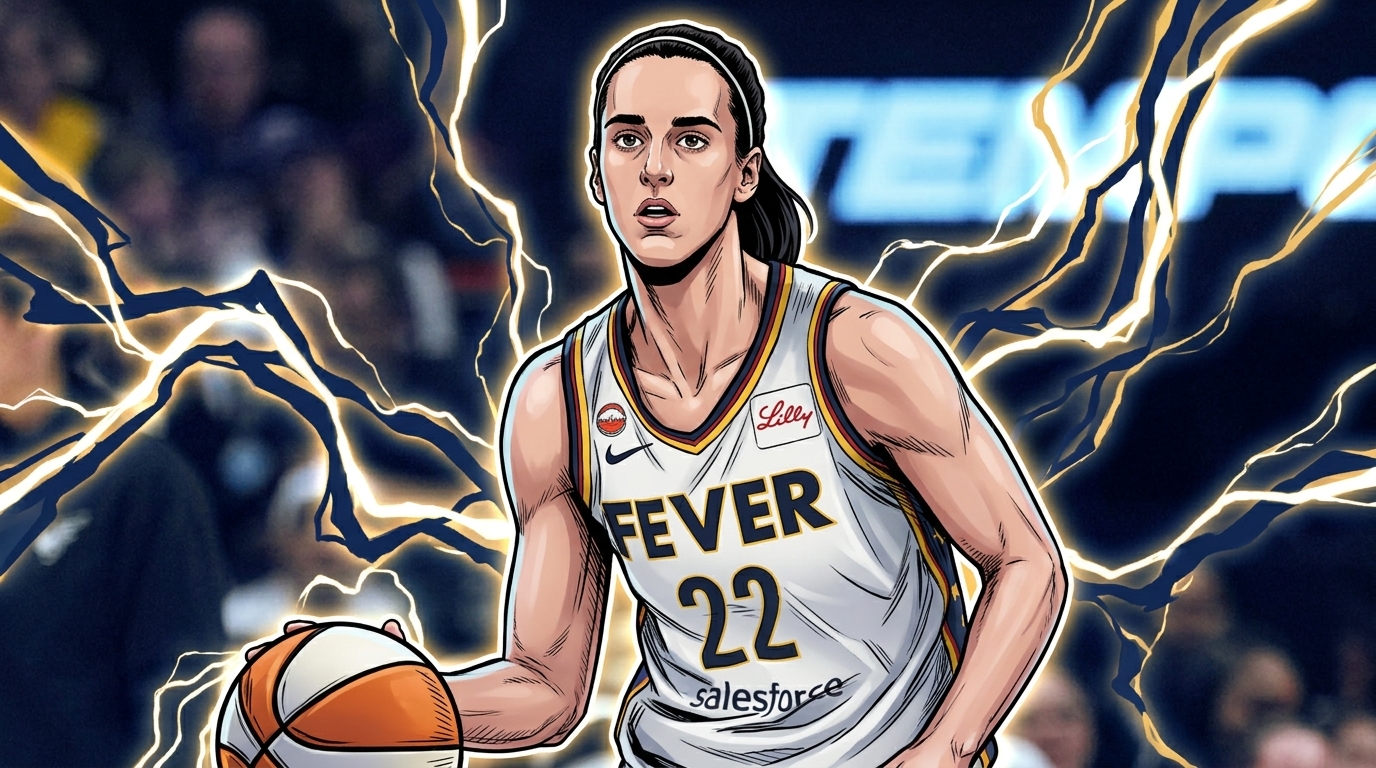
The NBC broadcast on Saturday didn’t help. Announcers called Fudd’s six three-pointers a WNBA rookie record, which it isn’t — Caitlin Clark actually holds the WNBA rookie record with seven, made during her 2024 breakout season. What Fudd did set was the Dallas Wings franchise rookie record, which is real and significant and doesn’t need inflation. The fact that a national broadcast felt the need to reach for a bigger claim tells you something about how women’s sports performance gets packaged — the achievement is never quite enough on its own terms, so it gets embellished until someone else’s fans push back, and then it becomes a controversy instead of a basketball moment.
Fudd herself said, “It doesn’t matter if I’m starting.” She said it cleanly, without apparent bitterness, the way you say something you’ve decided to believe. I’m not going to second-guess that choice — it’s hers to make, and staying mentally in the game from the bench for seven games while this much noise surrounds you requires a kind of discipline most people don’t have. But I’ve watched women athletes say versions of that sentence for years, across sports. I’ve watched USWNT players say they don’t mind the pay gap, tennis players say they don’t mind the scheduling, basketball players say they don’t mind the hotels. The not-minding is real. It’s also something organizations learn to rely on.
This is what happens when organizations fail the players they drafted: they structure the failure as a process. The No. 1 pick comes off the bench because of roster depth. The roster depth is real. And six weeks from now, when depth resolves itself the way it always does — with a trade, an injury, a rotation shift — the pick will start, and everyone will say she earned it through patience. The WNBA organizations that still haven’t figured out WNBA No. 1 pick starting lineup history are not doing their stars a favor by making this a journey. Azzi Fudd scored 24 points on Saturday. She played 32 minutes. She won the second half.
She’s headed, apparently, in a direction.