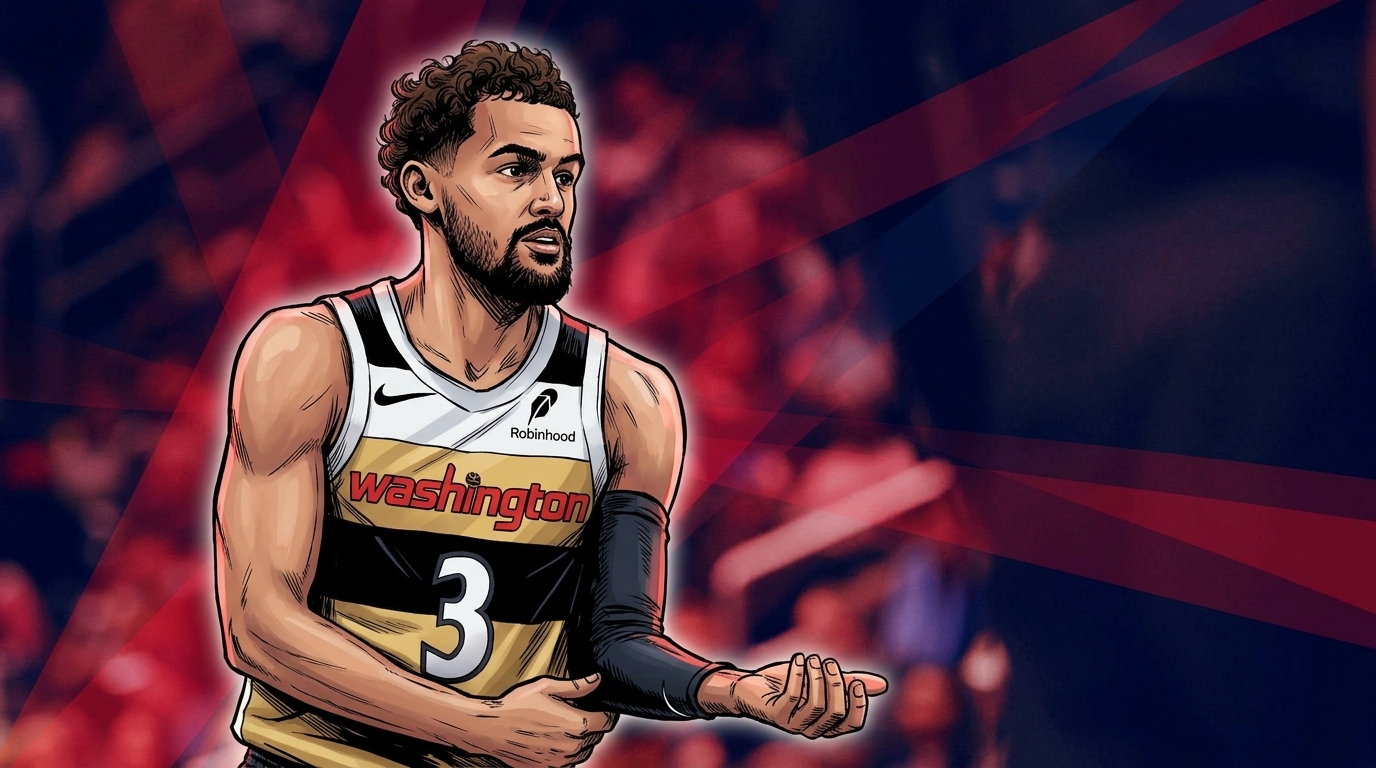

The Washington Wizards just handed Trae Young $212 million and the right to leave after three years, which is either the foundation of a genuine rebuild or a very expensive way to admit the previous plan wasn’t working.
https://twitter.com/ShamsCharania/status/2069129593672310898
The contract — four years, $53 million annually, player option in Year 4 — is the largest in franchise history. That’s a notable sentence for a team with two Hall of Famers in its rafters and decades of competitive basketball in its past. It’s also the clearest possible signal about where Washington thinks it is right now: done being bad on purpose, ready to try something else.
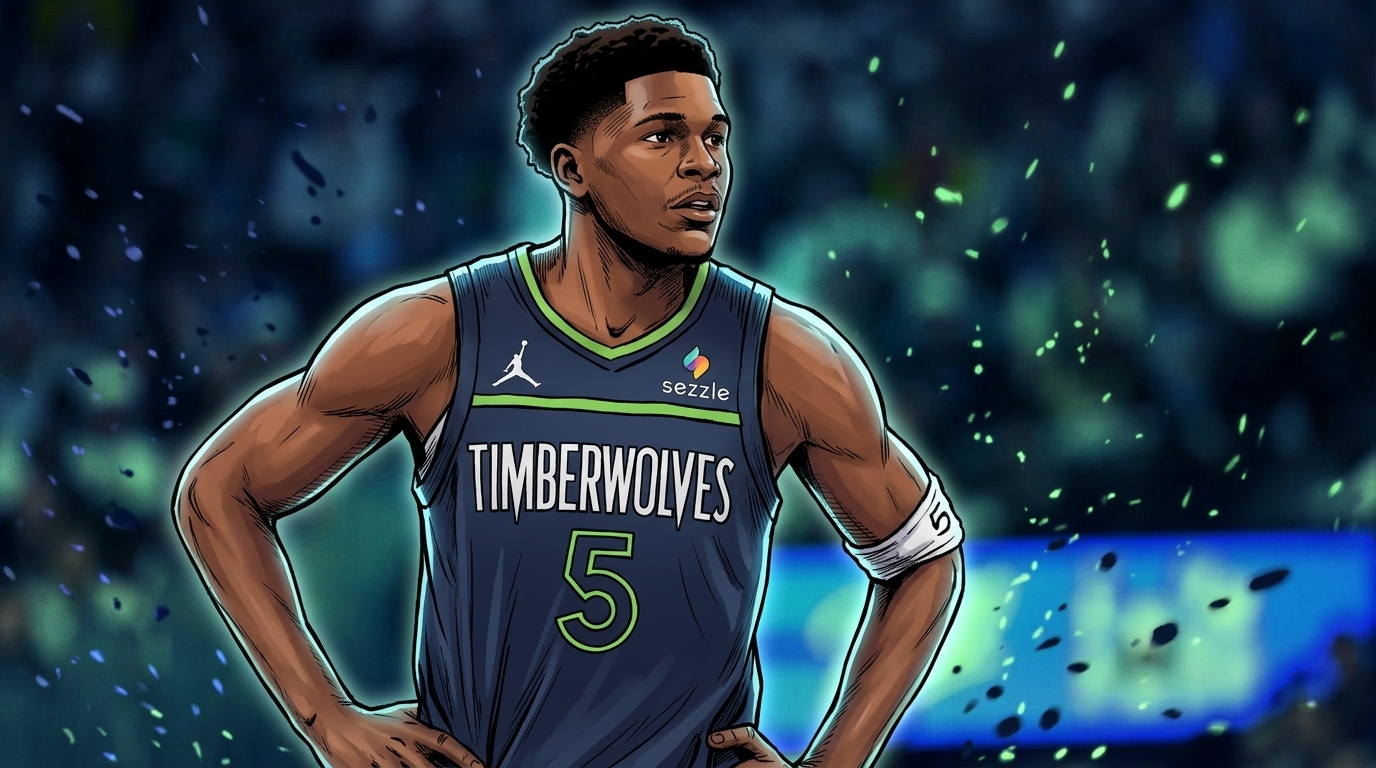
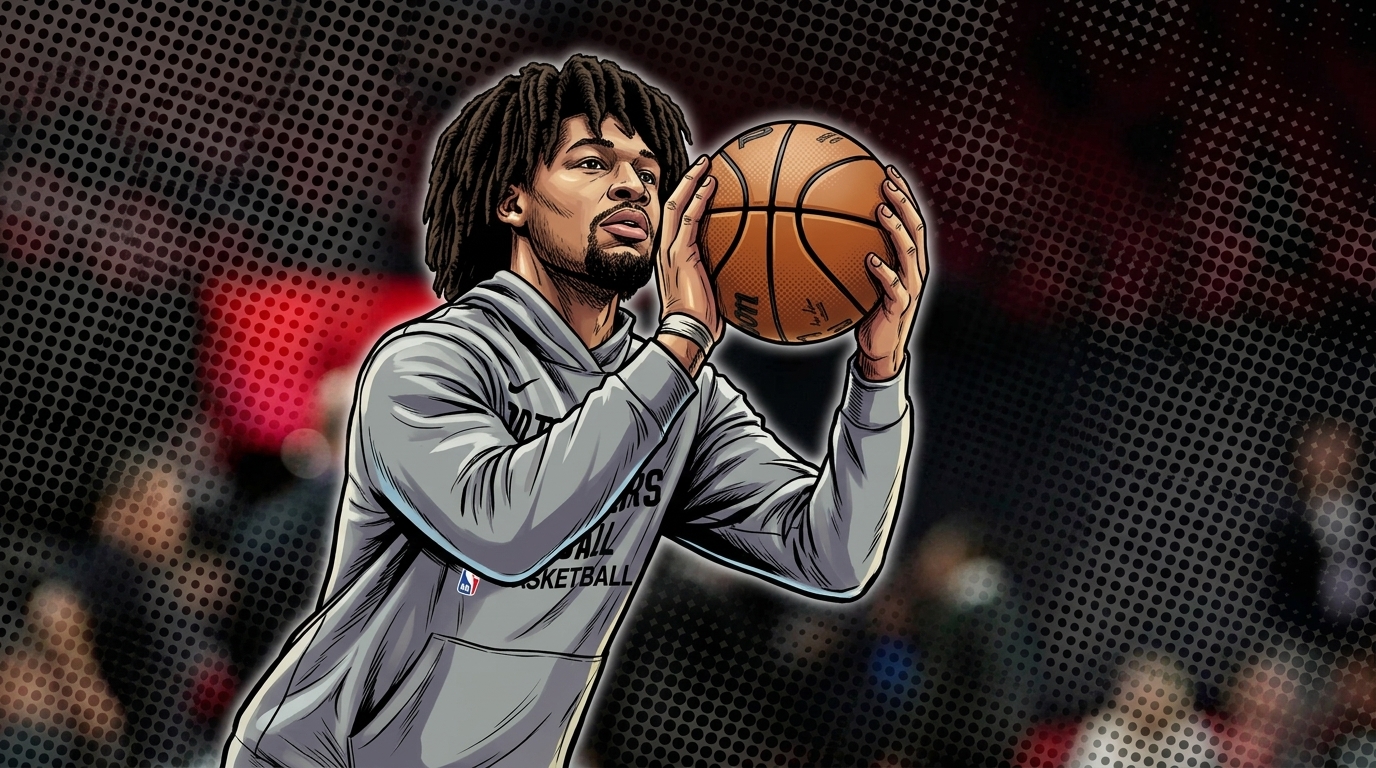
The talent case is genuinely easy to make. Trae Young, when healthy, is a top-ten offensive player in the league. His career averages — 25.1 points and 9.8 assists — aren’t a relic of inflated Atlanta era numbers; they’re what he does when he plays basketball. Pair him with Alex Sarr, the No. 2 overall pick from 2024, who posted 16.3 points, 7.4 rebounds, and 2.0 blocks in 48 games last season before a foot surgery, and the No. 1 pick they just added, AJ Dybantsa — 18 years old, 25.5 points per game at BYU on 51 percent shooting — and Washington has assembled something that, on paper, looks like a plan. A 25.1-point point guard and the top two picks from consecutive drafts. On paper.
The injury math deserves something closer to alarm than a footnote. Trae played 15 total games in 2025-26 — 10 with Atlanta before an MCL sprain, then five with Washington after the January trade before a quad and back issue ended his season. Five games as a Wizard. The Wizards traded CJ McCollum and Corey Kispert to get him, then watched him play five games. Now they’ve committed $212 million to a player whose last complete season feels like a different era. Sarr had foot surgery this offseason. Dybantsa is 18. The timeline where all three of these players are healthy and effective at the same time requires a kind of optimism Washington’s injury department may not have earned.
I’ve watched enough of my Cardinals collapse in the fourth quarter to know the difference between a promising roster and a plan. A plan is what you do when the players are on the floor.
The trade acquisition context matters too. When he turned down the $49 million player option this offseason, Young made clear he wanted security — and Washington gave it to him at the near-max. You can read that two ways. One: Trae believes in the project enough to commit to three years, with an escape valve if it’s not working. Two: Washington needed to lock in its centerpiece before the leverage window closed. Both things can be true. Front offices routinely get credit for decisiveness that is actually just fear.
What’s genuinely different here — and this is worth saying without decoration — is that Washington has not had this much talent in the building at the same time in roughly 15 years. The Wizards went 17-65 last season. They had the worst record in the Eastern Conference. The usual move from that position is to keep losing, stay in the lottery, accumulate assets. Instead, they acquired a four-time All-Star mid-season, extended him to the near-max, and drafted the best prospect in the 2026 class. That’s a genuine departure from the patience playbook.
Whether it’s wisdom or panic is the question the next two seasons will answer, not the next two weeks. Trae Young at full health is a legitimate star. Sarr, once recovered, has defensive and offensive upside that doesn’t come along often. Dybantsa is a generational talent on a team that might actually give him something to play alongside. The ingredients are there.
But ingredients aren’t a meal. The Wizards haven’t given their front office credit they haven’t earned, and neither should anyone else — not yet, not on the basis of one big contract announcement and a draft night.
Trae Young is $53 million a year and has played five games as a Wizard. The plan starts now.