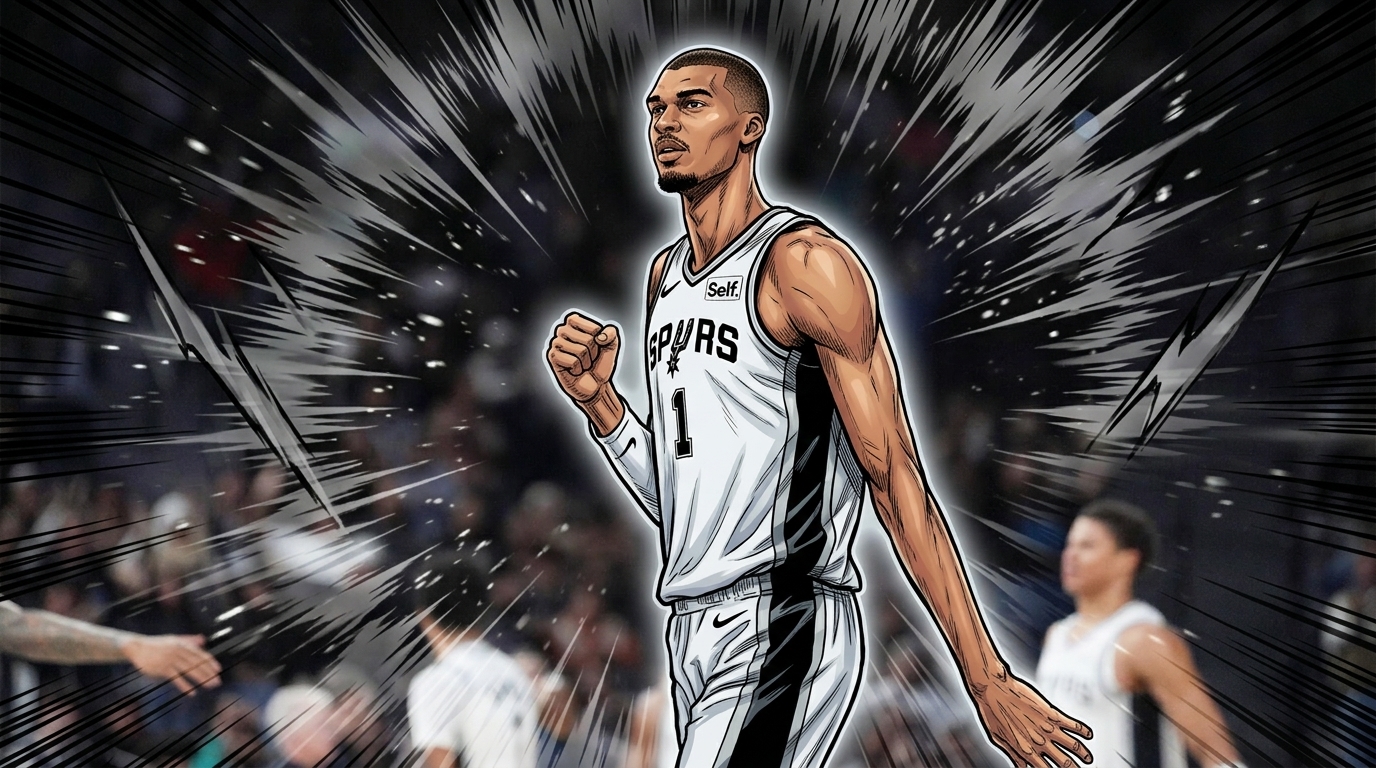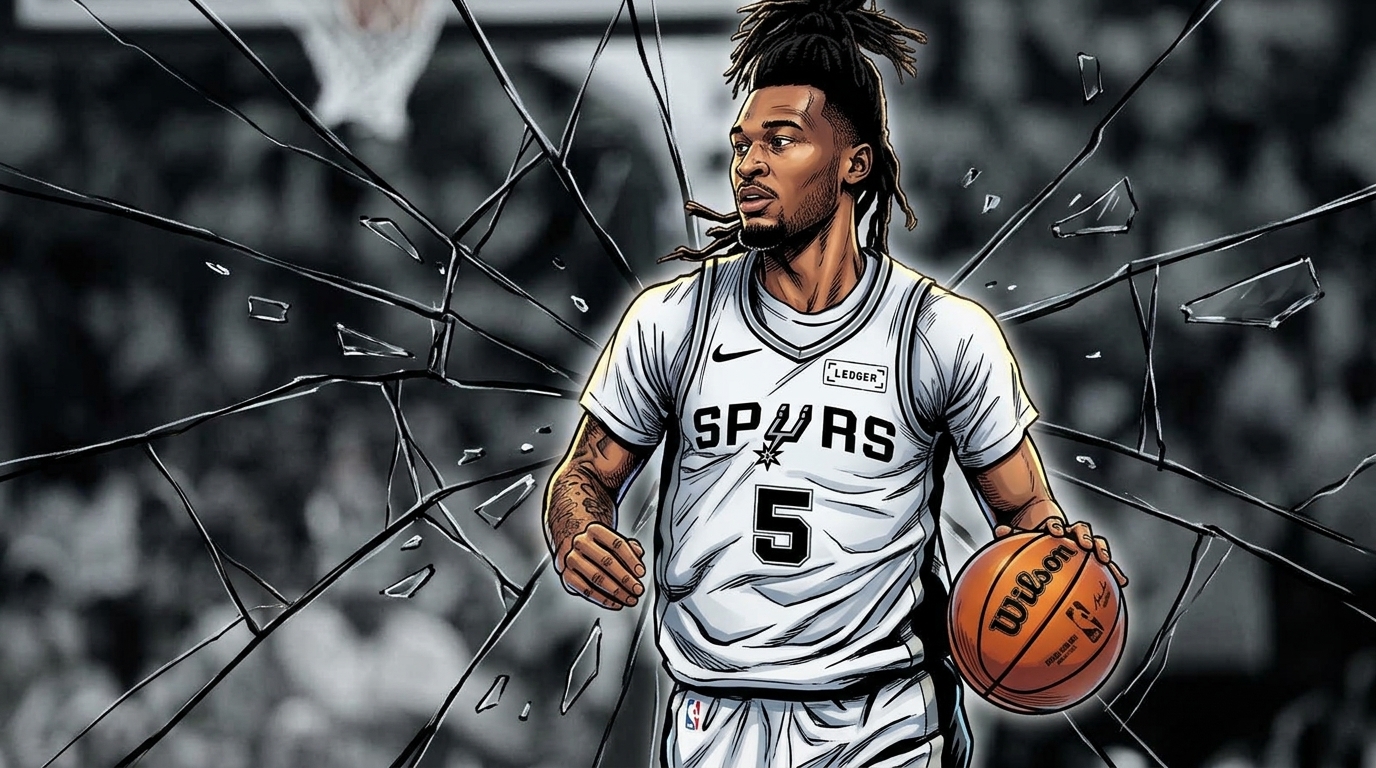

Stephon Castle sells calls sometimes. He said so himself, at an NBA Finals media day, into a microphone, to reporters whose job is to publish things. He was 21 years old and apparently did not get the memo that this particular institutional practice comes with a gentleman’s agreement to deny it.
The quote, delivered June 2nd ahead of Game 1: “I sell calls too sometimes. I mean, I can’t lie. But I mean, it’s really just a feel thing, especially in the playoffs. It’s about seeing how refs are calling the game and adapting. Just taking it game by game and not trying to put yourself at a disadvantage. If it’s too egregious, the refs aren’t going to bail you out. They’re going to make the better team win.” The clip went immediately viral, as clips of athletes telling the truth tend to do.
https://twitter.com/UnderdogNBA/status/2061886947942080887
What makes Castle’s admission notable — or rather, disqualifying in the eyes of league protocol — is that the honesty is more transgressive than the act itself. The NBA introduced its anti-flopping rule in 2012-13 under David Stern: a graduated fine schedule escalating from a warning to $5,000 to $10,000 to $30,000 and theoretically to suspension. In its entire debut regular season, the league issued exactly 24 total violations. Twenty-four; for a practice so normalized that a 21-year-old entering the Finals treats it the way a pitcher treats the umpire’s zone. The fine schedule exists to make flopping more artful. It has not made flopping less frequent.
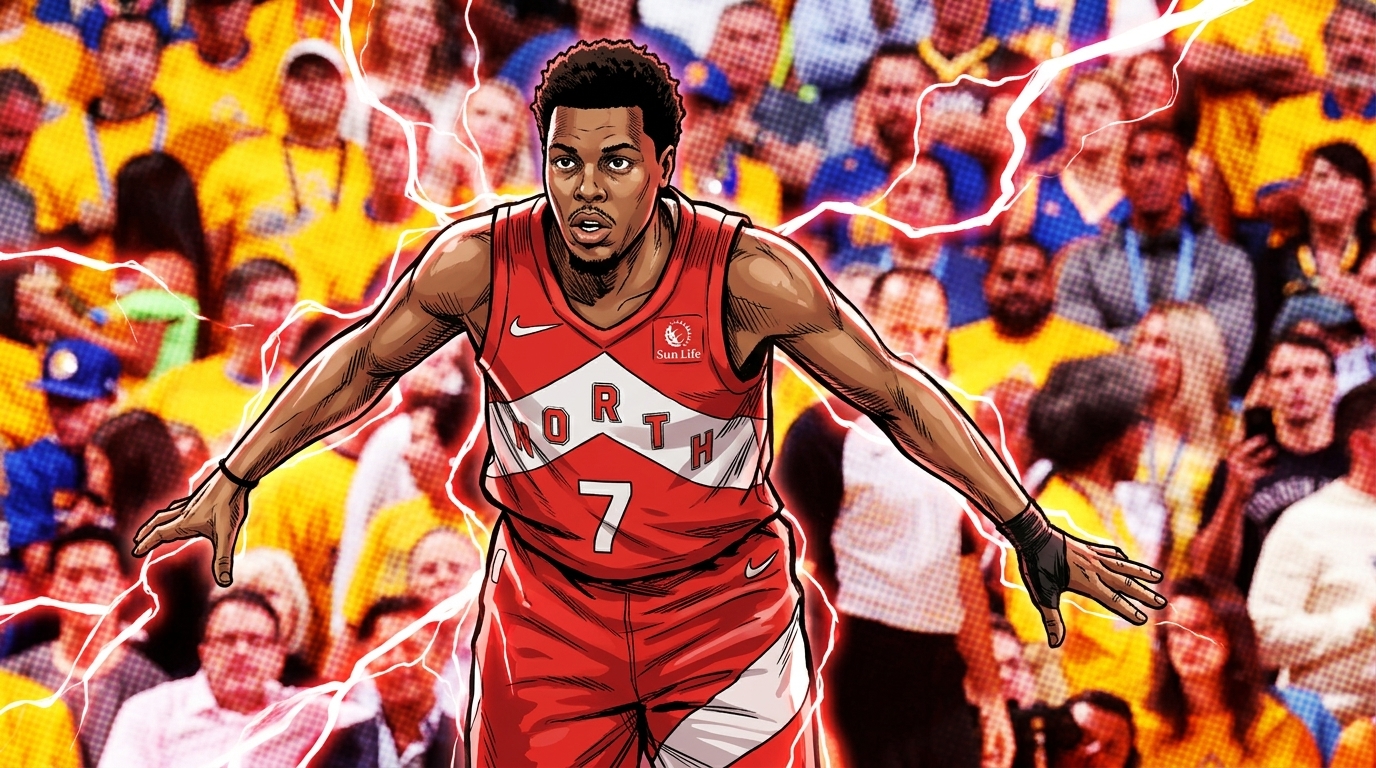
This year’s playoffs provided the relevant data point. Shai Gilgeous-Alexander hit the floor on 51.4% of his fouled shot attempts. Sports Illustrated catalogued the Thunder’s worst WCF flops. SGA’s lawyers sent a cease-and-desist to Underdog Fantasy for producing a flopping-themed board game during those same playoffs — a remarkable legal maneuver for an athlete whose floor time is, at least in part, a product of the practice being litigated. No fine was issued. The league watched all of it, nodded, and waited for someone to say the quiet part out loud. Castle obliged.
Tyrese Haliburton told The Pat McAfee Show on May 27th that flopping “is for sure being taught. I don’t think it’s as much head coach teaching, as much as it is player development.” LeBron James said in 2013, during the ECF, that any advantage you can get over an opponent, “so be it” — then was fined $5,000 in the same series, which works out to approximately one mid-tier courtside ticket. The institutional knowledge has been accumulating in plain sight for over a decade; Castle just declined to perform ignorance of it.
The NBA did add an in-game penalty in 2024: one free throw for the opposing team when a flop is detected. The rule exists. The enforcement apparatus exists. The fines are real, if decorative. What the league never built was a culture in which a player would feel any genuine social pressure not to sell calls; what it built instead was a culture in which a player would feel pressure not to admit it. Castle, who was nine years old when the Spurs last made the Finals and has played exactly two NBA seasons, has apparently not yet internalized that second part.
This is the Rorschach test the story keeps presenting to anyone willing to look at it directly. Castle’s candor ahead of the series itself is being processed as a gaffe; the league’s decades-long tolerance of the underlying behavior is being processed as background. The scandal, in the coverage, is the confession rather than the act. A 21-year-old in his first Finals looked at a reporter, ran a quick institutional audit, and concluded there was no meaningful difference between selling calls and saying you sell calls. He was right about that. The NBA will spend the next 72 hours being very upset that he noticed.