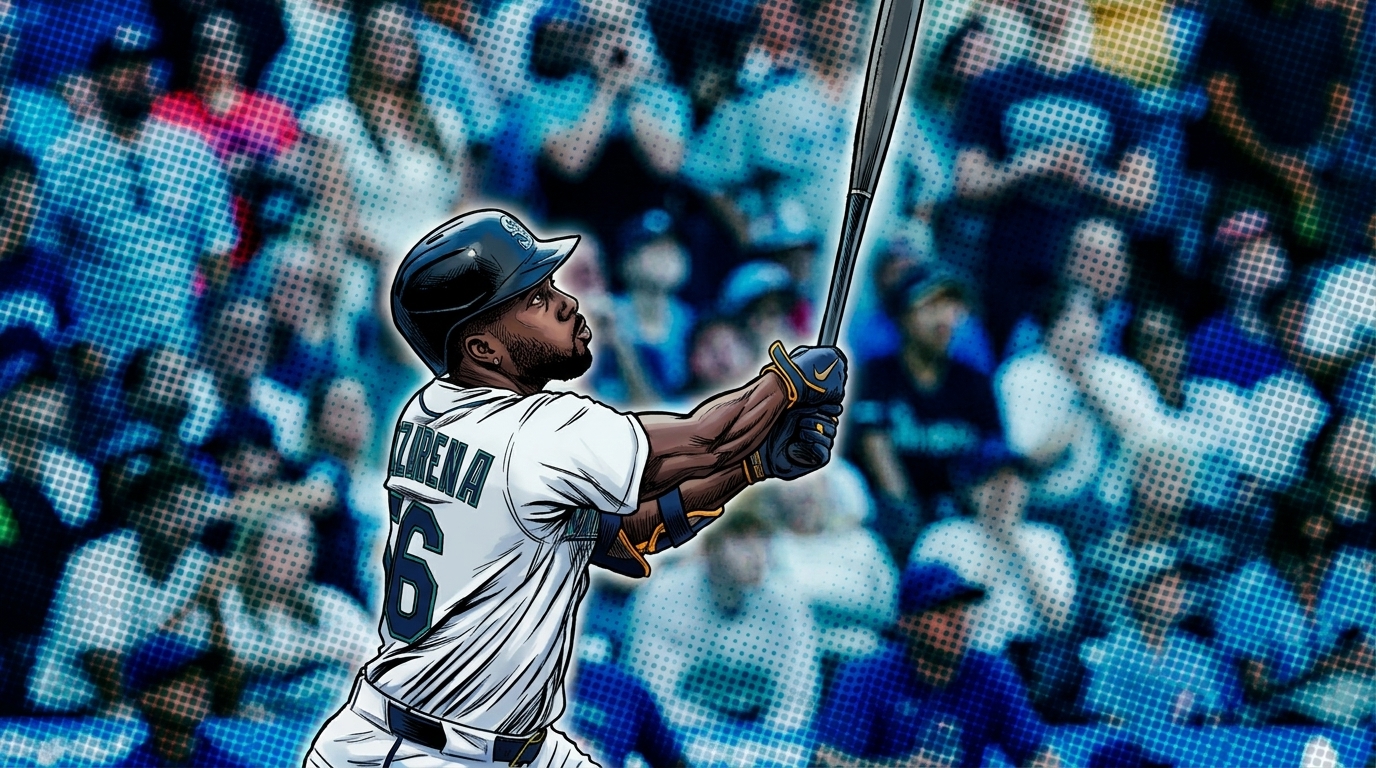

We’ve been watching this exact split-screen for a week now: AJ Preller says one thing, and three front offices act like they didn’t hear him. That’s the actual story here, not whatever offer eventually gets attached to Mason Miller’s name. If you’ve followed Padres trade-deadline coverage before, you know Preller doesn’t usually get read this openly. This time he is.
Start with what’s on the record. Preller has called Miller “the best in the game” and said the Padres’ “intent is still the same as when we made the deal last year.” Translation: keep him. That’s about as unambiguous as a denial gets in trade-deadline season, when executives usually hide behind “we’ll listen to anything.” Preller didn’t hedge. He just said no.
Rival executives heard the same quote and moved on like it was noise.
What Buster Olney and Jon Heyman Are Actually Hearing
Olney said on ESPN’s “Get Up” that he’s talked to multiple rival executives who believe Miller gets traded before Aug. 3, using the word “seismic” for what it would do to the market if it happens. Heyman went further and named names: the Pirates, the Mariners, and the Yankees. USA Today’s Bob Nightengale added a detail that matters more than it sounds like it should: some front-office personnel around the league expect the move regardless of what Preller has said publicly. That’s a different claim than “rival execs are hopeful.” It’s rival execs discounting the source, quietly, and moving on with their planning as if the quote never happened.
This isn’t the first run at the Yankees-specific version of this. We’ve already run every reporter’s version of this story back when the fit question was just “does a homegrown Bay Area kid want to play in the Bronx.” That angle’s played out, and honestly it was always a little thin. The more interesting question now is why three separate war rooms landed on the same conclusion independently, against a direct public denial from the guy who controls the roster.
Here’s Heyman’s read, captured on July 21 as it made the rounds:
https://x.com/SleeperYankees/status/2079695386210398581
“A real possibility” is doing a lot of work in that sentence. It’s the difference between “not available” and “available at a price nobody’s paid yet.”
Why Rival Executives Don’t Believe the Padres’ ‘No’
I spent two years compiling research notes for TV analysts who read them on air and never once said my name, so I have a pretty specific relationship with the gap between what gets said publicly and what people actually believe. The analyst says the sentence. The sentence isn’t where the actual belief lives. Executives operate the same way those analysts did with my notes: they take the public statement as a data point, not as the answer. And the data point here is inconvenient for San Diego, because the underlying asset is almost impossible to justify holding onto if the return being discussed is real.
There’s a version of Padres trade-deadline reporting where this is routine noise, the kind that surfaces around every reliever having a big year. This doesn’t read like that version. The specificity is what’s different — three teams, not a vague “multiple suitors,” and a number attached to the asking price instead of a shrug.
Miller’s numbers through July 25 aren’t just good, they’re absurd for a full-season sample: 0.84 ERA, 0.84 WHIP, 79 strikeouts against 15 walks in 42.2 innings, tied for second-most saves in baseball at 26. He’s also under club control through 2029, which is the whole ballgame for why the price tag is what it is. Via The Athletic’s Ken Rosenthal and Will Sammon, a rival executive said Preller would want multiple top-100 prospects in any package — not one blue-chipper, multiple. That’s not a number you float unless you’ve genuinely priced out what you’d want back for five-plus years of a shutdown reliever throwing 100-plus.
A Pirates team that’s already over .500 makes sense as a buyer chasing the surprise window while it’s open, and a shutdown ninth-inning arm is exactly the kind of addition that turns a surprise season into a real one. Seattle’s bullpen need is public record at this point. New York’s is the fit everyone’s already litigated, at length, elsewhere. And now add the Brewers, quietly checking in alongside the Tigers’ Tarik Skubal (a fourth team nobody had flagged as loudly, which tells you the industry-wide interest in a Miller trade is broader than the three names actually making headlines).
None of that proves a trade happens. It proves the league has stopped taking San Diego’s word at face value, and that’s a different kind of signal than trade winds usually send this early.
Is Mason Miller Actually Available Before Aug. 3?
The strongest case against all of this: Jeff Passan pegs the odds at roughly 40%, and most of the executives he’s talked to think Preller doesn’t sell unless San Diego’s season gets meaningfully worse between now and the deadline. That’s a real number, not a throwaway hedge, and it lines up with the deadline theater around Tarik Skubal in Detroit — another team performing availability rumors that never turn into an actual call getting returned. It’s a fair comparison. Teams float names every July that never move, and plenty of this Miller coverage could end up filed next to those.
So there’s a version of this where Miller never moves, Preller’s “no” holds, and every one of these reports ages into a footnote. I don’t think that’s the more likely outcome. I think three independent front offices reading the same asking price and concluding it’s worth pursuing anyway is a stronger signal than one executive’s public commitment to the plan he made a year ago, because circumstances changed and the return got real. Preller’s intent was probably genuine when the Padres made that deal last year. It doesn’t have to still hold now, and the fact that Pittsburgh, Seattle, New York, and Milwaukee all think it might not be (independently, without comparing notes, per four different beat reporters) is the actual headline heading into Aug. 3.
If San Diego’s record holds steady through the next week, watch for the “no” to get quieter rather than louder. That’s usually how it goes.