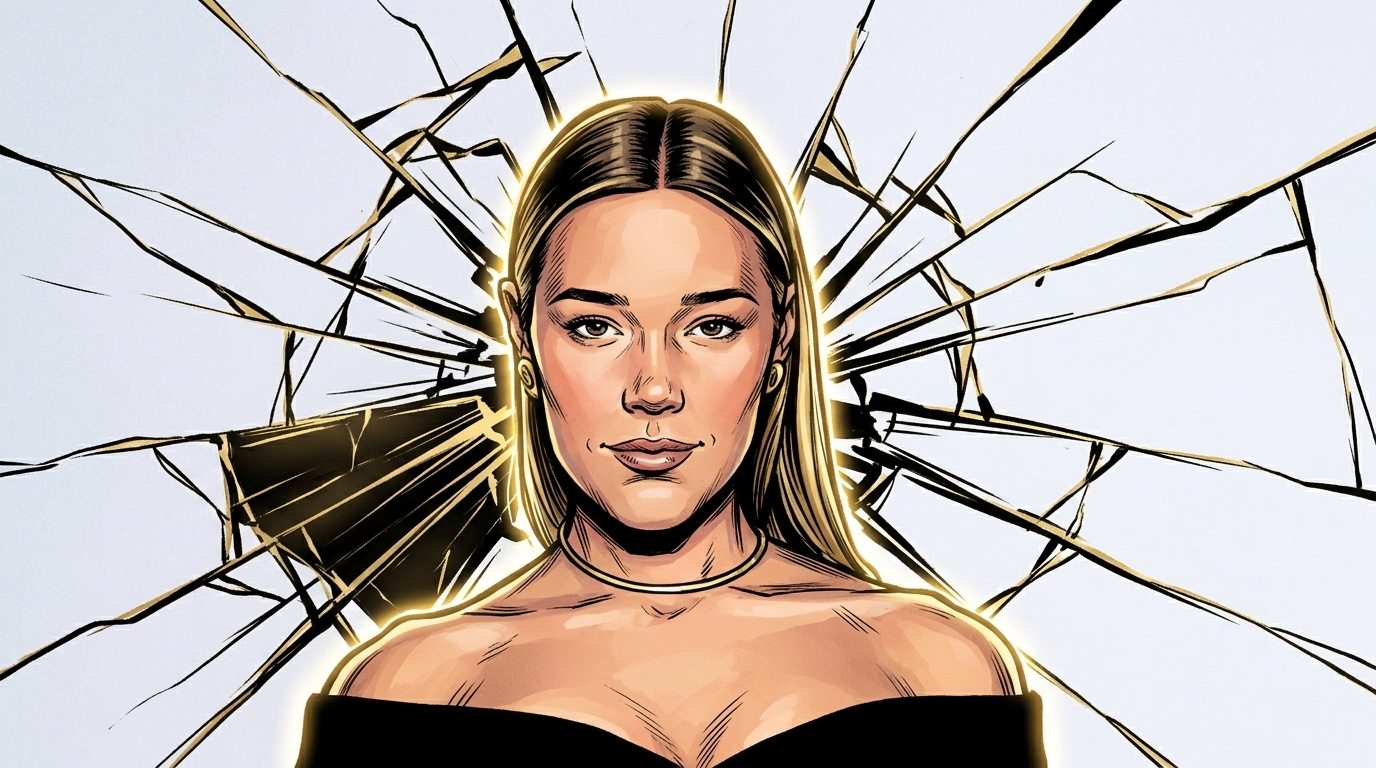

Every K-pop comeback teaser I’ve watched for my podcast pulls the same trick before a single beat of the song plays: it tells you the idol is fine, busy, back. The music is almost beside the point. I co-host a small show about reality TV and sports culture, and that format has bled into everything else: an update stands in for content, a check-in stands in for a review. That’s the muscle memory I reached for the moment Livvy Dunne posted her wrap.
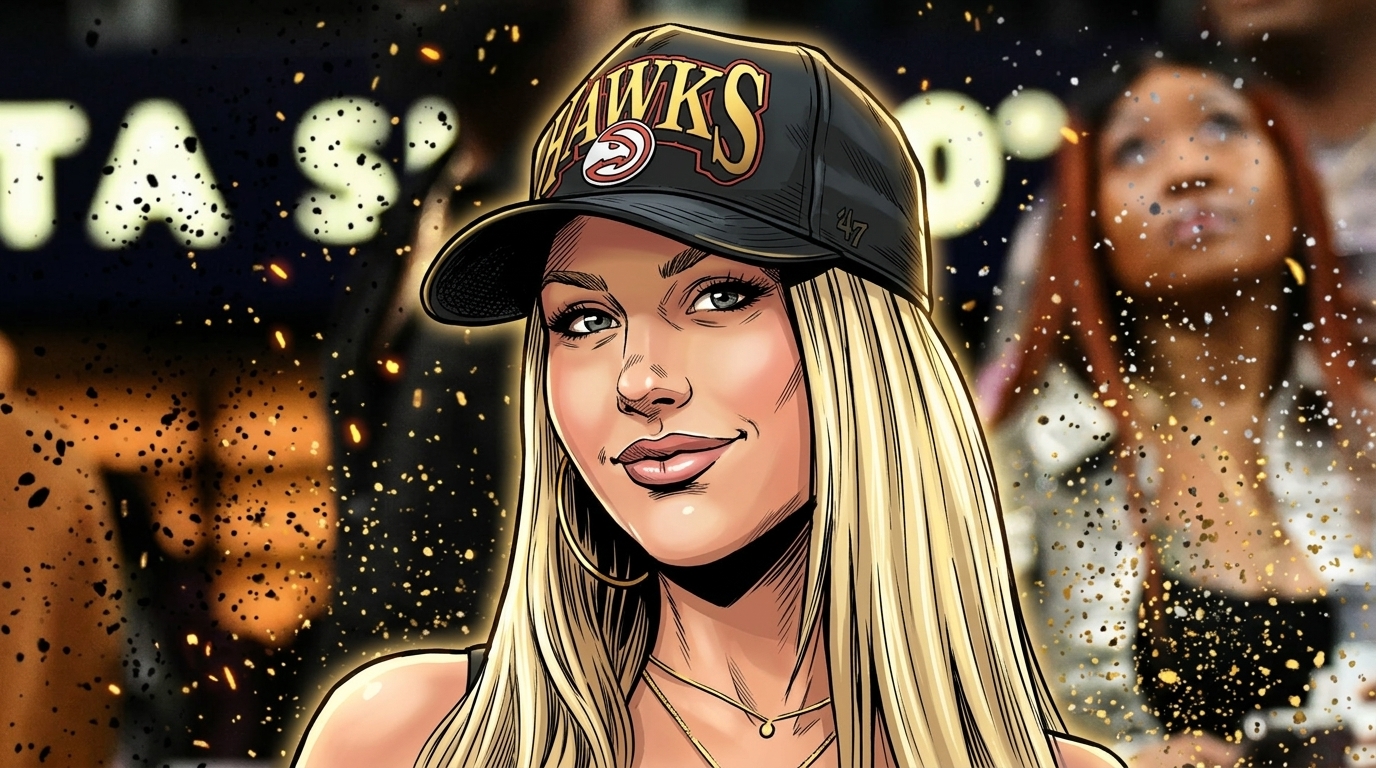
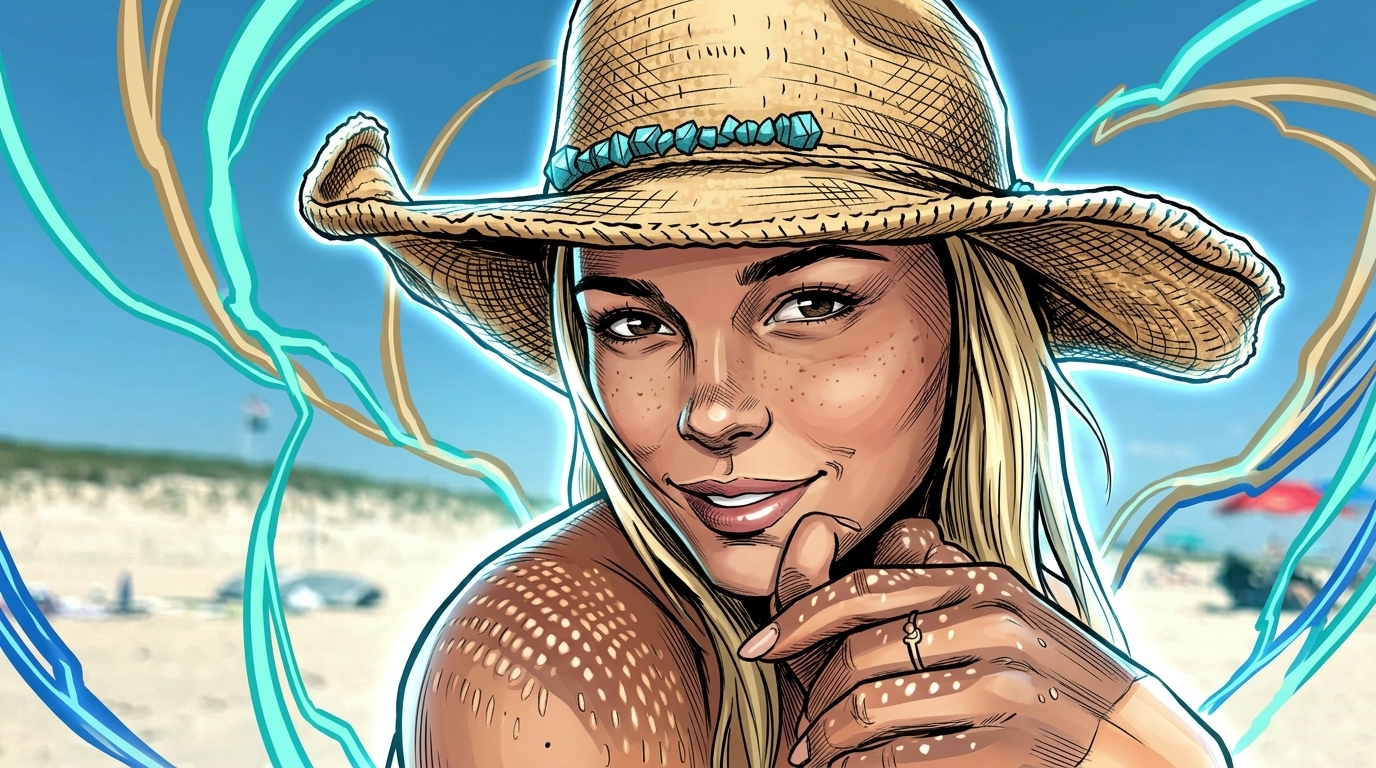
On August 6, Dunne announced she’d officially wrapped Season 1 of Baywatch, Fox’s reboot of the lifeguard soap she was cast in back in March, with a caption built like a cliffhanger: “officially off duty… season 1 it’s been real. Beach bar fittt. See yall January!!!” Nobody in my replies or the comment section under her own post was asking whether the show is any good. They were asking what January means. That’s the tell.
What’s strange, if you sit with it, is that three sources have now covered this story and not one of them has an opinion on Baywatch as television. Realitytea wrote up the wrap post itself: the high-cut red swimsuit, the beach-set photos, co-star Jessica Belkin popping into the comments to respond. That’s the entire review cycle so far: a post, a reply, the internet clocking it. Nobody’s grading the reboot against the original or asking whether the tone works, because there’s nothing yet to grade. A full season hasn’t aired.
https://www.instagram.com/p/Dbt0ZHrD17h/
That absence isn’t the interesting part, though. The NIL pipeline from gymnast to influencer to bookable talent has been obvious for years now, and landing a role on a network reboot is the least surprising line on Dunne’s résumé. What’s actually interesting is what happened after the casting news went stale back in March and the audience kept watching anyway. Not the show. Her.
That’s a different kind of casting than the one Deadline reported when the role was first announced. The story then was straightforward: gymnast-turned-influencer lands a role in Fox’s Baywatch reboot, the next entry in a résumé nobody’s surprised by. Five months later, the show has receded behind the person cast in it. We’re not really watching Olivia Dunne book a part in an ensemble drama anymore. We’re watching one continuous show where Baywatch is just the current set, and the plot is whatever she does next, delivered a caption at a time.
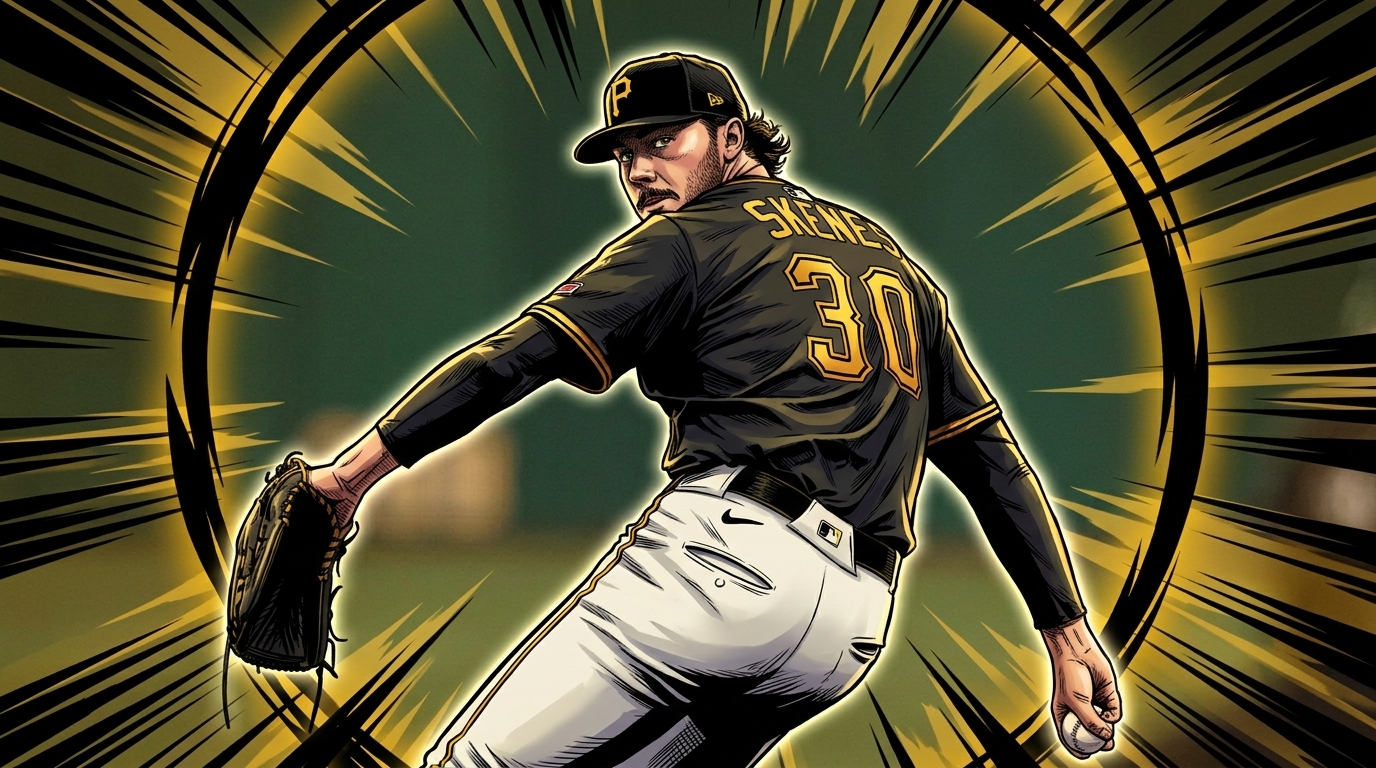
That habit predates Baywatch. She was posting from Florida during the All-Star break back in July, content that reads like filler until you realize it’s the connective tissue people are actually following. Then on July 22, she showed up at the Pirates-Yankees doubleheader at Yankee Stadium in jean shorts and custom black boots stitched with “Skenes” and the number 30, a nod to Paul Skenes, her boyfriend since their LSU days. He wasn’t even pitching that day. Pittsburgh won the opener 5-3 on home runs from Nick Gonzales and Jacob Gonzalez, and the boots did the talking anyway:
https://twitter.com/AthleteTikToks/status/2080066649634324507
That’s the split screen running underneath the Baywatch wrap: she’s closing out a season of a network drama and still repping Paul Skenes and the Pirates in the same two-week window, and nobody treats those as two separate stories. They’re one feed.
https://www.instagram.com/p/Da1Hfr-D7kD/
I don’t think that’s cynical, exactly, though it’s tempting to read it that way. A split-screen with Skenes getting shelled by the Phillies back in April made for an easier joke about priorities. This is different. It’s less that she’s using the boyfriend for attention and more that the boyfriend, the beach show, and the SI content cycle have all collapsed into the same feed, one ongoing narrative with the Pittsburgh Pirates as a recurring cast member and the Baywatch cast as another, and Dunne herself as the only character whose arc we’re actually tracking across all of it.
I keep coming back to those K-pop group chats, because the parallel isn’t decorative. It’s the whole mechanism: fans will tell you, without irony, that they don’t need the comeback single to be good, they need the member to be okay, visible, still in the group photo. A comeback is proof of continuity, not a product launch. Dunne’s “see y’all in January” is doing the same job: not promotion for a show nobody’s reviewed, but a timestamp on a story that runs on updates instead of episodes.
I don’t know if that makes Dunne unusually savvy about her own narrative or just the first person young enough to have grown up fluent in a media environment that was always going to demand this. Probably both, and I don’t think the two are as different as they sound. If you want more of that question chased from other angles, the rest of our culture coverage is asking it too, and none of us have landed anywhere close to settled.